

Ottawa residents have lost over $250,000 to sophisticated “bank investigator” scams—and the criminals are still operating. These convincing frauds involve scammers posing as bank fraud investigators who trick victims into handing over money or banking credentials.
Understanding how bank investigator scams work is your best defence. This guide explains the tactics criminals use and how to protect yourself.
Key Highlights
TL;DR: Scammers call pretending to be bank fraud investigators, claiming your account is compromised. They convince victims to withdraw cash, transfer money, or share banking details. Real banks NEVER ask you to withdraw cash, move money to “safe accounts,” or share your PIN. Hang up and call your bank directly.
| Quick Facts | Details |
|---|---|
| 📅 Current Alert | 2024-2025 |
| 📍 Targeting | Ottawa residents, especially seniors |
| 🎟️ Losses | $250,000+ reported |
| ⏰ Report To | Ottawa Police, CAFC |
How the Scam Works
The Initial Contact
The fraud typically begins with a phone call:
The Setup:
- Call appears to come from your bank (spoofed number)
- Caller identifies as “fraud investigator” or “security department”
- Professional demeanor, knows some of your information
- Creates urgency about account compromise
Common Scripts:
- “We’ve detected suspicious activity on your account”
- “Someone is trying to use your card fraudulently”
- “There’s a bank employee stealing from accounts”
- “We need your help to catch the criminals”
Building Trust
Scammers use sophisticated techniques:
Appearing Legitimate:
- Display your bank’s actual phone number
- Use bank terminology and procedures
- May have some of your personal information
- Sound professional and confident
Creating Fear:
- Claim your savings are at risk
- Suggest immediate action required
- Warn against “alerting the criminals”
- Pressure you to act quickly
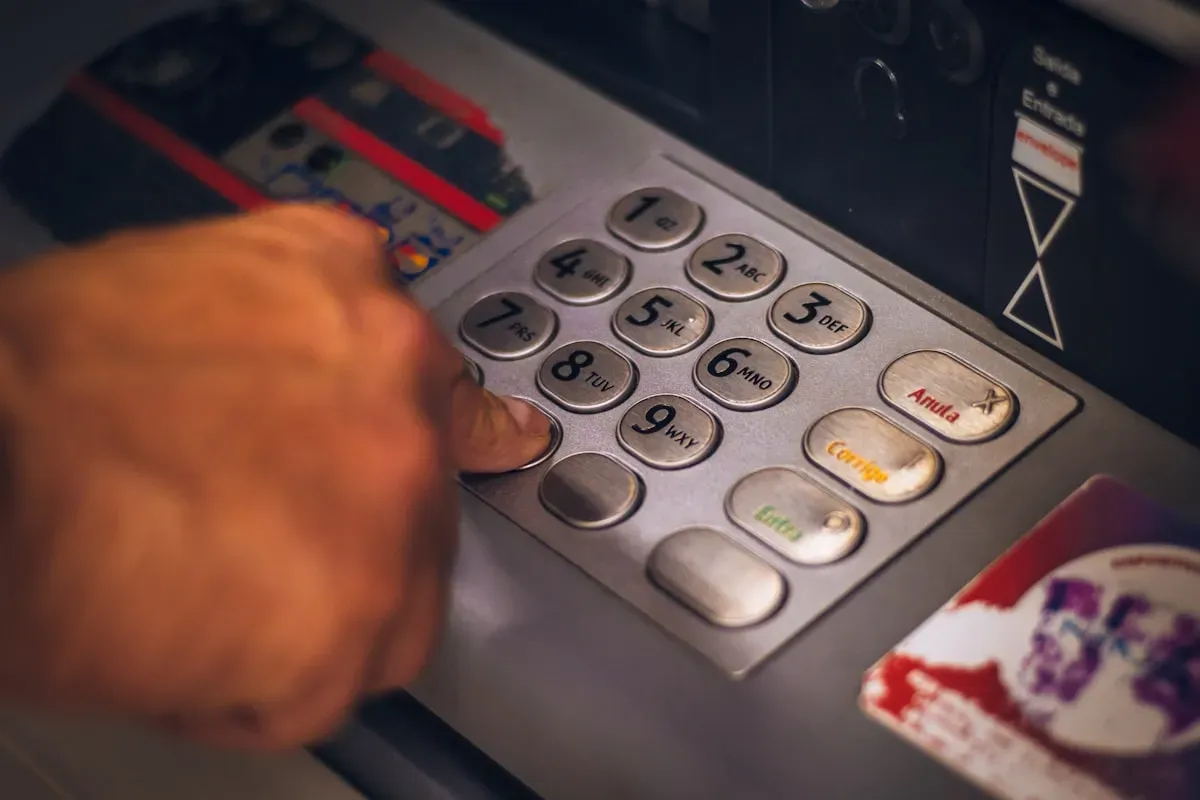
Illustrative image only.
Common Tactics
The Cash Withdrawal Request
One frequent approach:
The Script:
- “We need you to withdraw cash to test if the bills are marked”
- “Take out money and a courier will collect it for analysis”
- “This is part of our investigation”
- “Don’t tell the teller—they might be involved”
What Really Happens:
- Victim withdraws their own money
- Hands it to criminal “courier”
- Money is gone forever
- Bank is not involved at all
The “Safe Account” Transfer
Another common method:
The Script:
- “Your account is compromised”
- “Transfer your money to this safe account”
- “We’ll move it back once the investigation is complete”
Reality:
- “Safe account” belongs to criminals
- Money disappears immediately
- Victims often transfer life savings
- No recovery possible
The Gift Card Demand
Some variations involve:
The Request:
- “Purchase gift cards to help trace the fraud”
- “Read us the card numbers for our records”
- “This is standard investigative procedure”
Why Gift Cards:
- Untraceable once codes shared
- Easy for criminals to convert to cash
- Victims often don’t question unusual request
- Cards purchased at legitimate stores
Red Flags to Watch
Things Banks Never Do
Legitimate banks will never:
- Ask you to withdraw cash for investigation
- Request you transfer money to a “safe account”
- Send couriers to collect cash or cards
- Ask for your PIN or full password
- Tell you to keep the call secret from family
- Demand gift card purchases
- Threaten arrest or legal action
Warning Signs
Be suspicious if:
- Call creates extreme urgency
- Caller tells you not to hang up
- Request involves cash, wire transfers, or gift cards
- You’re told to lie to bank staff
- Caller asks for PIN or security codes
- Instructions seem unusual or complicated
- You feel pressured or confused

Illustrative image only.
How to Protect Yourself
If You Receive a Suspicious Call
Take these steps:
Immediate Actions:
- Stay calm—don’t let urgency override judgment
- Don’t provide any personal information
- Don’t agree to any money movements
- Tell the caller you’ll call your bank back
- Hang up the phone
Verification:
- Wait 5 minutes (scammers sometimes stay on line)
- Call your bank using the number on your card or statement
- Report the suspicious call
- Verify your account status
Ongoing Protection
Safeguard yourself:
- Never share PINs, passwords, or security codes
- Be suspicious of unexpected calls about your accounts
- Don’t trust caller ID (numbers can be spoofed)
- Talk to family before making major financial decisions
- Set up account alerts for unusual activity
For Seniors
Extra precautions:
- Discuss common scams with family
- Establish a “check first” rule before moving money
- Consider having trusted contacts at your bank
- Don’t be embarrassed to verify—real banks appreciate caution
What to Do If Victimized
Immediate Steps
If you’ve been scammed:
-
Contact your bank immediately
- Report the fraud
- Freeze accounts if necessary
- Start recovery process
-
Call Ottawa Police
- File a report: 613-236-1222
- Fraud Unit extension may apply
- Provide all details
-
Report to Canadian Anti-Fraud Centre
- Phone: 1-888-495-8501
- Online: antifraudcentre-centreantifraude.ca
- Even if you didn’t lose money
-
Document everything
- Phone numbers that called
- Names used
- What was said
- Any money movements
Recovery
Understand the challenges:
- Recovery of cash is extremely difficult
- Wire transfers rarely recovered
- Gift card funds usually not recoverable
- Banks may have limited liability
- Insurance may not cover fraud losses
Resources
Reporting
Ottawa Police Service:
- Emergency: 911
- Non-emergency: 613-236-1222
- Organized Fraud Unit: 613-236-1222 ext. 5492
Canadian Anti-Fraud Centre:
- Phone: 1-888-495-8501
- Online: antifraudcentre-centreantifraude.ca
Crime Stoppers:
- Anonymous tips: 1-800-222-8477
- Online: crimestoppers.ca
Support
Victim Services:
- Ottawa Victim Services: 613-238-2762
- Emotional support available
- Help navigating process
Frequently Asked Questions
Q: How do scammers get my phone number? A: Numbers come from data breaches, public records, social media, or random dialing. Having your number doesn’t mean they know your banking details.
Q: Can scammers really show my bank’s number on caller ID? A: Yes, caller ID spoofing is easy. Never trust caller ID alone—always verify by calling back on a known number.
Q: Will my bank reimburse me if I’m scammed? A: It depends. Banks may not cover losses if you voluntarily transferred money or shared credentials. Each case is evaluated individually.
Q: Why do criminals ask for gift cards? A: Gift cards are essentially untraceable cash. Once you read the code, the funds can be transferred instantly and are nearly impossible to recover.
Q: My elderly parent was scammed—what should I do? A: Report to police and bank immediately. Be supportive—victims often feel ashamed. Consider power of attorney or trusted contact arrangements for future protection.
Final Thoughts
Bank investigator scams succeed because they exploit trust and create fear. The criminals are skilled, their scripts are convincing, and they know how to manipulate emotions. But understanding their tactics is your best defence.
Remember: Real banks will never ask you to withdraw cash, transfer money to “safe accounts,” or purchase gift cards. If something feels wrong, trust your instincts. Hang up. Call your bank directly using the number on your card.
One moment of caution could save your life savings. When in doubt, verify first.
Source: Ottawa Police Service, Canadian Anti-Fraud Centre - Compiled for Via Ottawa readers.
For more safety information, visit Ottawa Beware or explore Local News!
Related: Tow Truck Scams Ottawa 2025: New Laws and How to Protect Yourself
Related: Common Scams in Ottawa 2025: Protect Yourself from Fraud
Related: AI Voice Cloning Grandparent Scams in Canada 2025: Protect Your Family