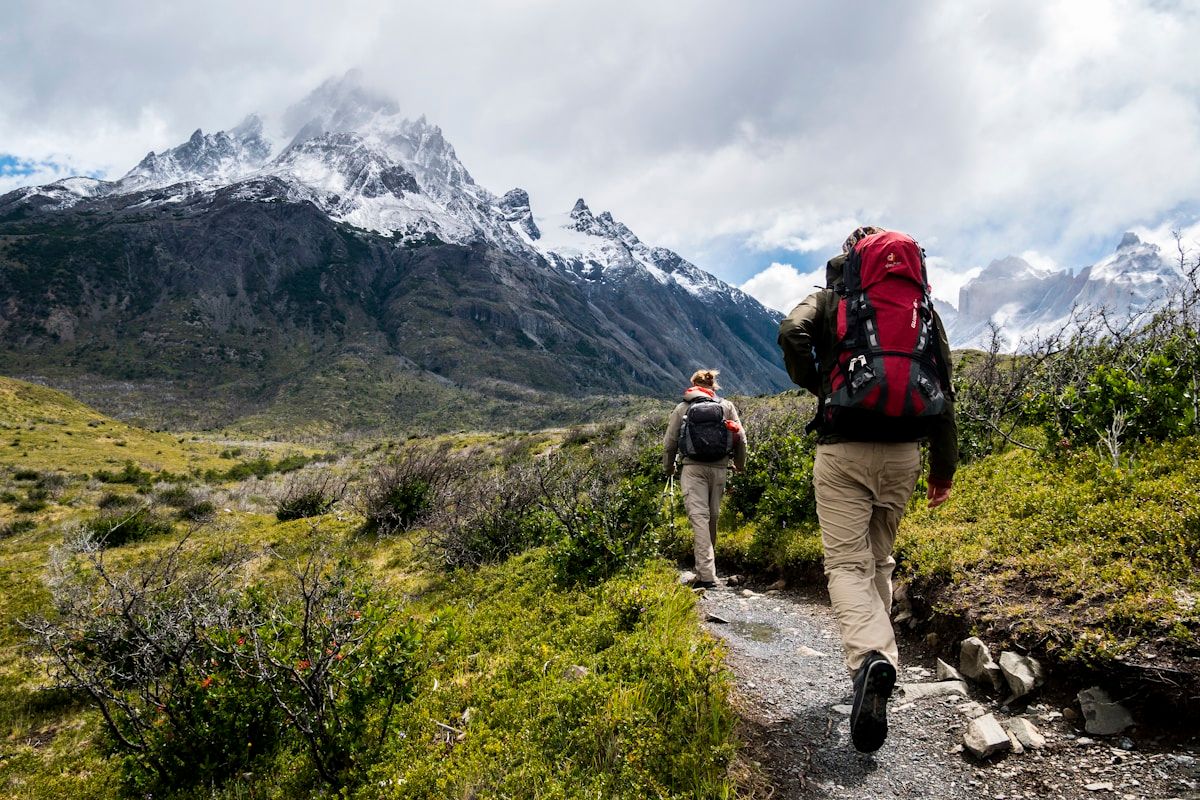
As April arrives in Ottawa, winter’s grip finally begins to loosen and outdoor enthusiasts eagerly anticipate the return of hiking season. While trails remain muddy and conditions unpredictable, the allure of fresh air, emerging wildlife, and the first signs of spring draws thousands to the region’s extensive trail systems. Understanding which trails open first, what conditions to expect, and how to prepare ensures safe and enjoyable spring hiking experiences in Canada’s capital region.
��� Quick Facts: April Hiking in Ottawa
| Trail Element | Details |
|---|---|
| Trail Conditions | Muddy, wet, variable surfaces |
| Best Timing | Late April generally better than early April |
| Weather Range | -5°C to 20°C possible |
| Daylight Hours | Approximately 13-14 hours |
| Snow Presence | Common early April, especially shaded areas |
| Footwear Required | Waterproof hiking boots essential |
| Wildlife Activity | Increasing - bears emerging from hibernation |
| Trail Markings | May be obscured by debris or snow |
| Parking | Free at most trailheads, but capacity limited |
Understanding April Trail Conditions
The Reality of Spring Hiking
April hiking in the Ottawa region bears little resemblance to summer trail experiences. Snow often lingers in shaded sections and north-facing slopes. Mud dominates lower elevations and sunny exposures. Water crossings swell with runoff, and trail surfaces can be treacherously slippery.
Many trails officially remain closed in early April due to these conditions. The National Capital Commission monitors Gatineau Park trails and restricts access to protect trail surfaces from damage during the most vulnerable period. Hiking on closed trails not only risks your safety but causes lasting damage that affects everyone’s future experiences.
“Spring hiking requires different expectations than summer hiking. You’re not going for speed or distance - you’re going to experience the awakening landscape and reconnect with outdoor spaces after winter confinement.” - Gatineau Park trail coordinator
Even on open trails, conditions change daily and even hourly. Morning might bring frozen surfaces with good footing, while afternoon thaw creates slippery mud. What was passable yesterday might be impassable today after overnight rain.
Why Trails Close in Spring
Trail closures during spring protect vulnerable surfaces from permanent damage. When trails are saturated and soft, foot traffic creates deep ruts and erosion that persist for years. What seems like minor inconvenience during one spring hike can ruin trail quality for thousands of future users.
Respect closure signs and barriers. They exist for good reasons and alternative trails remain available throughout the spring transition period.
Gatineau Park: Premier Destination
Overview and Access
Gatineau Park, managed by the National Capital Commission, encompasses 361 square kilometers of protected wilderness just minutes from downtown Ottawa. The park contains over 200 kilometers of trails ranging from easy walks to challenging hikes, making it the region’s premier hiking destination.
Access points are distributed around the park’s perimeter, with major trailheads at P1-P19 parking lots. Some parking areas open earlier in spring than others, with southern exposures and lower elevations becoming accessible first.
Pink Lake Trail
Distance: 2.1 km loop Difficulty: Easy Elevation Gain: Minimal
Pink Lake represents one of the most accessible and popular early-season trails in Gatineau Park. The relatively flat loop around this rare meromictic lake provides excellent footing even during early spring conditions.
The trail typically becomes passable by mid-April, though conditions vary year to year. Wide, well-maintained pathways handle spring runoff better than many park trails, and southern exposure means snow clears earlier.
Interpretive signs explain the lake’s unique characteristics - its rare permanent stratification and pink-tinted rocks that gave the lake its name. Spring hiking here offers opportunities to see the forest awakening without challenging terrain or technical obstacles.
Parking: P13 (La Pêche Road) Facilities: Outhouse available at trailhead Tips: This trail gets crowded on nice weekends - arrive early or visit weekdays
Wolf Trail
Distance: 6.2 km loop Difficulty: Moderate Elevation Gain: 170 meters
Wolf Trail offers more challenging terrain for hikers ready to embrace spring conditions. This classic Gatineau Park loop features rolling terrain, mixed forest environments, and beautiful viewpoints when leaves haven’t yet obscured sightlines.
April conditions on Wolf Trail can be demanding. Muddy sections are numerous, and some creek crossings may be challenging during high water periods. However, the relative solitude compared to easier trails and the satisfying physical challenge attract experienced hikers.
The trail often remains partially snow-covered into late April, especially in heavily shaded sections and on north-facing slopes. Microspikes or traction devices can be helpful early in the month.
Parking: P12 (Gamelin Boulevard) Facilities: Parking only Tips: Clockwise routing saves the best viewpoint for mid-hike reward
King Mountain Trail
Distance: 5.8 km loop Difficulty: Moderate to Difficult Elevation Gain: 200 meters
King Mountain provides the most elevation gain of commonly accessible early-season trails. The climb rewards hikers with excellent views from the Champlain Lookout, though spring foliage gradually obscures these vistas as April progresses.
This trail typically opens later than Pink Lake or Wolf Trail due to north-facing sections that hold snow longer. Late April usually sees reasonable conditions, though mud and wet rocks require careful footing.
The technical nature of some sections - rocky scrambles and steep grades - becomes more challenging with spring conditions. Only attempt this trail if you’re comfortable with demanding terrain and variable footing.
Parking: P8 (Champlain Lookout) Facilities: Outhouse at parking area Tips: Afternoon timing provides better light for summit photography
Ottawa Urban and Suburban Trails
Mer Bleue Conservation Area
Distance: 1.2 km boardwalk (plus connecting trails) Difficulty: Easy Special Features: Unique bog ecosystem
Mer Bleue offers exceptional early-season hiking because the main feature - an elevated boardwalk through a rare boreal bog - remains accessible even during muddy spring conditions. Located in east Ottawa, this National Capital Commission property provides easy access to a unique ecosystem rarely found this far south.
The bog environment awakens distinctly in spring. Watch for early amphibian activity, returning birds, and emerging bog vegetation. The boardwalk ensures dry footing regardless of conditions, making this ideal for families or those wanting nature exposure without muddy challenges.
Connecting trails around the bog offer extended hiking options, though these earthen paths experience typical spring mud and may be less pleasant than the main boardwalk during April.
Access: Ridge Road, Ottawa Parking: Free lot at trailhead Facilities: Outhouse available Tips: Bring binoculars for bird watching - spring migration is active
Stony Swamp Conservation Area
Distance: Multiple trail options, 2-10 km Difficulty: Easy to Moderate Location: Nepean/Kanata
Stony Swamp encompasses diverse trail options within Ottawa city limits. The trail network winds through mixed forest, wetlands, and regenerating ecosystems, providing genuine wilderness experience despite urban surroundings.
April conditions vary significantly based on specific trail choice. Higher, drier sections become passable earlier than low-lying wetland trails. The Sugarbush Trail and Jack Pine Trail typically offer better early-season conditions than trails near Sarsaparilla Swamp or other wetland features.
Trail intersections are well-marked, allowing hikers to adjust routes based on encountered conditions. If one trail proves too muddy or wet, alternative routing usually exists.
Access: Multiple entry points off Cedarview Road and Corkstown Road Parking: Several small lots, can fill on nice weekends Facilities: Limited - outhouse at main entrance Tips: Bring a trail map or use AllTrails app - network can be confusing
Petrie Island
Distance: Variable, 2-8 km options Difficulty: Easy Location: East Ottawa
Petrie Island provides flat, accessible trails along the Ottawa River with excellent early-season conditions. The sandy soil drains quickly, meaning trails become passable earlier than clay-based systems elsewhere.
Spring brings dramatic changes to the island ecosystem. High water may flood some trail sections, creating temporary wetlands that attract abundant waterfowl. The beach areas remain cool and often empty in April, providing peaceful walking conditions.
This area excels for easy, family-friendly spring hiking when more challenging trails remain inaccessible. The combination of river views, gentle terrain, and good drainage makes Petrie Island a smart April choice.
Access: Trim Road, Ottawa Parking: Large free lot Facilities: Washrooms, picnic areas Tips: Excellent for young children or older hikers wanting easy terrain
What to Bring: Spring Hiking Essentials
Footwear and Clothing
Boots: Waterproof hiking boots are non-negotiable for April trails. Leather or synthetic uppers with waterproof membranes keep feet dry through mud and puddles. Boots should have aggressive tread for slippery surfaces.
Clothing Layers:
- Base layer: Moisture-wicking fabric to manage perspiration
- Insulation layer: Fleece or light down that can be removed
- Outer layer: Waterproof, breathable shell jacket
- Lower body: Water-resistant hiking pants or convertibles
- Accessories: Hat, gloves, buff or neck warmer
April’s variable conditions mean you might shed layers during exertion then need them immediately at rest stops. Pack everything in a daypack where it’s accessible.
Navigation and Safety
Even on familiar trails, spring conditions can obscure markings and create disorientation. Bring:
- Trail map (paper backup, not just phone)
- Compass or GPS device
- Fully charged phone with emergency contacts
- Whistle for emergency signaling
- Basic first aid kit
Traction Devices
Microspikes or similar traction devices help significantly on icy morning trails or remaining snow patches. These lightweight additions to your pack provide confidence and safety when encountering unexpected ice.
Food and Water
Spring hiking often surprises people with its energy demands. Cold temperatures, variable terrain, and challenging footing burn calories quickly.
- Bring more water than you think necessary (1-2 liters minimum)
- High-energy snacks: nuts, dried fruit, energy bars
- Emergency food that won’t freeze or spoil
- Hot beverage in thermos adds welcome comfort
Emergency Supplies
Even on short hikes, carry basic emergency supplies:
- Emergency shelter (space blanket or bivy)
- Fire starting materials
- Headlamp or flashlight
- Extra warm layer
- Phone charger or backup battery
Most hikes end uneventfully, but preparedness transforms potential emergencies into manageable inconveniences.
Wildlife Awareness
Bears Emerging from Hibernation
Black bears emerge from winter dens in April, hungry and actively foraging. While attacks are extremely rare, awareness and proper behavior prevent conflicts.
Bear Safety Practices:
- Make noise while hiking, especially around blind corners or thick vegetation
- Never approach bears or other wildlife
- Keep food secured and don’t eat on trail if possible
- If you encounter a bear, back away slowly while facing the animal
- Carry bear spray in accessible location (not buried in pack)
Other Wildlife
Spring brings abundant wildlife activity. Migrating birds return, amphibians emerge for breeding, and mammals increase activity after winter scarcity.
Observe from distance, never feed wildlife, and give animals space. Spring wildlife is often accompanied by young offspring - mothers are particularly defensive and unpredictable.
Trail Etiquette and Conservation
Leave No Trace Principles
Spring trails are especially vulnerable to damage. Practice rigorous Leave No Trace ethics:
- Stay on designated trails even through mud or water
- Pack out all trash, including organic waste
- Don’t cut switchbacks or create new trails
- Avoid disturbing emerging plants or wildlife
- Leave natural features undisturbed
Right-of-Way Rules
Busy spring weekends bring trail congestion. Follow standard etiquette:
- Yield to uphill hikers (they have momentum and vision challenges)
- Step aside to let faster hikers pass
- Keep dogs leashed and under control
- Keep noise levels reasonable
- Mountain bikers yield to hikers (though many trails prohibit bikes in spring)
Photography Ethics
Spring offers incredible photo opportunities, but ethical practices matter:
- Don’t trample vegetation for better angles
- Avoid disturbing wildlife for photos
- Don’t block trails while shooting
- Respect other visitors’ experiences
- Share location information responsibly (some areas can’t handle increased traffic)
Planning Your Hike
Checking Conditions
Before heading out:
- Check National Capital Commission website for Gatineau Park trail status
- Review weather forecast and dress accordingly
- Read recent trail reports on AllTrails or hiking forums
- Consider calling visitor centers for current conditions
- Check parking lot status - some don’t open until late April
Timing Your Visit
Strategic timing improves spring hiking experiences:
- Weekday hiking avoids crowds
- Morning hiking finds firmer surfaces before afternoon thaw
- Mid-to-late April generally better than early April
- After several dry days provides best conditions
- Avoid trails immediately after rain or during active snowmelt
Group Considerations
Spring hiking works well solo or in groups, but considerations differ:
Solo hiking:
- Inform someone of your plans and expected return
- Carry communication device
- Choose well-traveled trails
- Turn back if conditions deteriorate
Group hiking:
- Pace to slowest member
- Ensure everyone has appropriate gear
- Designate experienced navigator
- Establish check-in points
Alternative Options for Poor Conditions
When Trails Aren’t Ready
If trail conditions prove unsuitable or closure signs are posted, several alternatives exist:
Paved Pathways: Ottawa’s extensive paved multi-use pathways clear earlier and handle spring conditions better than natural trails. The Ottawa River Pathway, Rideau Canal pathways, and Experimental Farm paths provide excellent spring walking with minimal mud.
Urban Parks: City parks with maintained paths (like Britannia Park, Vincent Massey Park, or Andrew Haydon Park) offer nature exposure without backcountry challenges.
Indoor Alternatives: When weather defeats outdoor plans, the Museum of Nature, Aviation and Space Museum, or climbing gyms provide activity options.
The Rewards of Spring hiking
Despite challenges, April hiking offers unique rewards unavailable during other seasons. The landscape awakening, absence of summer crowds, dramatic light through leafless canopies, and sense of adventure make spring hiking special.
You’ll encounter conditions that test adaptability and reveal the natural world’s raw power. Success comes not from conquering trails but from experiencing the transition season with awareness, preparation, and appreciation for nature’s cycles.
Each spring hike reconnects Ottawa residents with the outdoor spaces that define this region’s character. After months of winter confinement, muddy boots and tired legs feel like celebration rather than hardship.
Frequently Asked Questions
Are all Gatineau Park trails closed in early April? No, but many remain closed until late April or early May. The NCC updates trail status regularly on their website. Pink Lake and some other low-elevation, well-drained trails typically open first.
What if I encounter a closed trail I want to hike? Respect the closure. Using closed trails damages surfaces and can result in fines. Alternative open trails are available, or visit again when conditions improve.
Is it safe to hike alone in April? Solo hiking is generally safe if you’re prepared, experienced, and follow proper precautions. Inform someone of your plans, carry safety equipment, and choose appropriate trails for your skill level.
Can I bring my dog on spring hikes? Dogs are permitted on most trails but must be leashed. Spring brings increased wildlife activity, making leash requirements especially important. Clean up after your dog and ensure they don’t harass wildlife.
What’s the best time of day for April hiking? Morning typically offers firmer trail surfaces before afternoon thaw, but temperatures are colder. Afternoon provides warmth but softer, muddier conditions. Both have merits depending on priorities.
Do I need hiking poles for spring trails? While not essential, trekking poles significantly improve stability on muddy, slippery spring trails. They reduce knee strain and provide balance on uneven surfaces.
Are there restroom facilities on trails? Major trailheads in Gatineau Park and NCC properties usually have outhouses, though these may not be serviced until later in spring. Most trail systems lack facilities beyond the trailhead.
Can I still encounter snow in late April? Yes, shaded sections and north-facing slopes regularly hold snow into late April. Occasional snowfall can occur throughout the month, though it rarely accumulates significantly by late April.
Sources and Additional Information
- National Capital Commission - Gatineau Park Trail Information
- City of Ottawa - Trail Maps and Conservation Areas
- AllTrails - Trail Conditions and User Reports
- Environment Canada - Weather Forecasts and Warnings
- Ontario Parks - Safety Guidelines and Trail Ethics
For more Ottawa outdoor activities and destination guides, visit ViaOttawa.ca - your comprehensive resource for exploring the capital region.
Embrace spring hiking in Ottawa with proper preparation, realistic expectations, and appreciation for the season’s unique character.
Related: Federal Government Jobs Ottawa 2025: Complete Hiring Guide