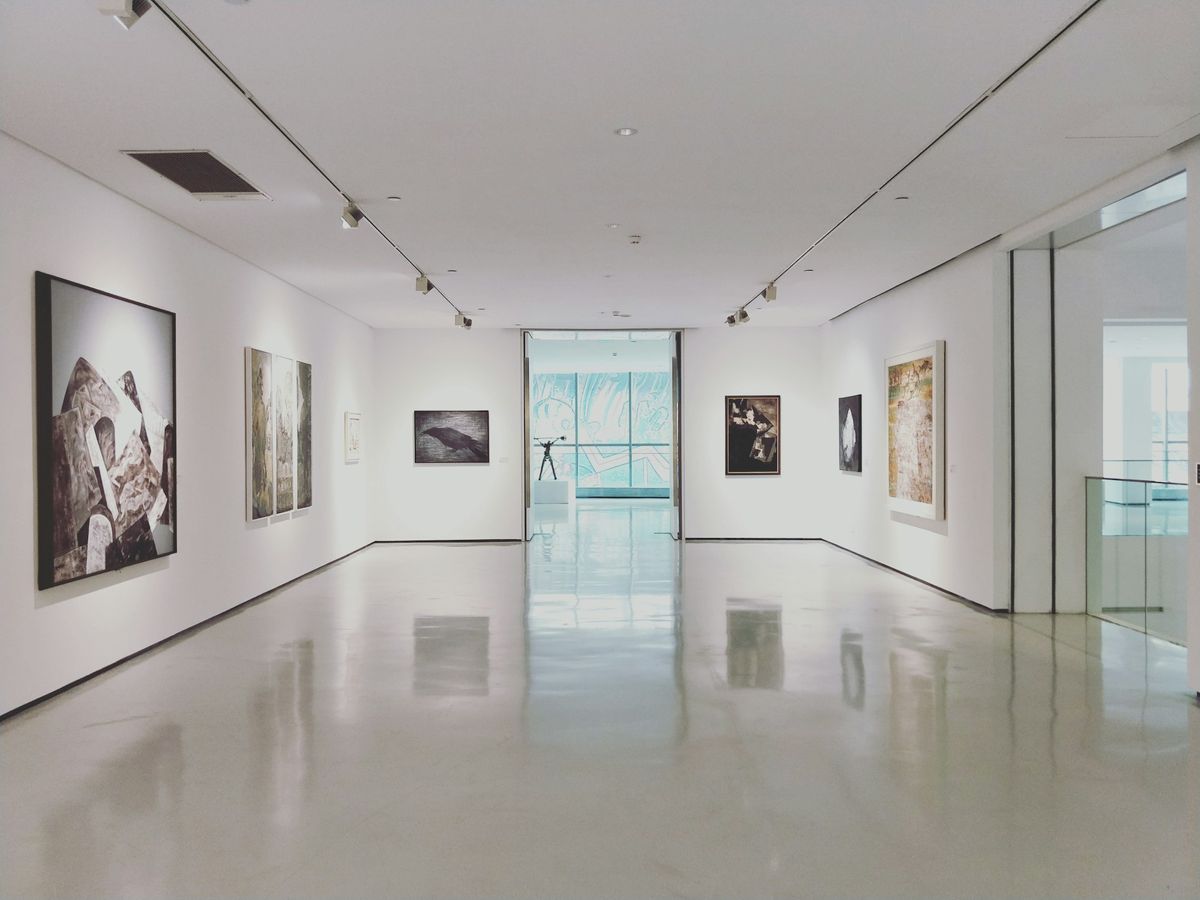
Standing beside the Rideau Canal locks, the Bytown Museum occupies Ottawa’s oldest stone building—a structure that has witnessed the city’s entire history from wilderness outpost to national capital. Built as a storehouse for canal construction in 1827, this small but significant museum brings Bytown’s story to life.
The Bytown Museum offers a intimate window into Ottawa’s origins, housing over 7,000 artifacts and telling stories that larger institutions often overlook.
Key Highlights
TL;DR: The Bytown Museum occupies Ottawa’s oldest stone building, constructed in 1827 as Colonel By’s Commissariat (military storehouse). Today it houses 7,000+ artifacts covering Ottawa’s history from Indigenous times through Confederation. Located beside the Rideau Canal locks below Parliament Hill.
| Quick Facts | Details |
|---|---|
| 📅 Building Date | 1827 |
| 📍 Location | 1 Canal Lane, Ottawa |
| 🎟️ Collection | 7,000+ artifacts |
| ⏰ Operated By | Bytown Museum Society |
The Building’s History
Colonel By’s Storehouse
The building that houses the museum began as a practical necessity:
Original Purpose:
- Commissariat (military supply building)
- Stored tools, food, equipment for canal workers
- Built of local limestone for durability
- Three storeys overlooking the canal works
Construction:
- Built 1826-1827
- One of the first permanent structures in Bytown
- Designed to last (and it has for nearly 200 years)
- Survived when many early buildings were destroyed
Why It Survived
While most of early Bytown has vanished, this building endured:
Stone Construction:
- Unlike wooden buildings that burned or rotted
- Quality materials and workmanship
- Thick walls provided stability
- Well-maintained over generations
Strategic Location:
- Protected site beside canal locks
- Not in the path of the 1900 fire
- Recognized early as historically significant
- Preserved by community advocates
Illustrative image only.
The Museum Collection
What You’ll Find
The museum houses diverse artifacts:
Canal Construction Era:
- Tools used to build the Rideau Canal
- Documents from Colonel By’s administration
- Maps and engineering drawings
- Personal items from workers
Victorian Ottawa:
- Household items from 19th century
- Clothing and textiles
- Photographs and prints
- Children’s toys and games
Military History:
- Artifacts from various conflicts
- Military uniforms and equipment
- Documents and medals
- Wartime memorabilia
Social History:
- Items from everyday Ottawa life
- Business records and advertisements
- Sports and recreation items
- Cultural artifacts
Notable Pieces
Highlights of the collection:
- Colonel By’s own possessions
- Original canal construction equipment
- Victorian timepieces
- Early Ottawa business artifacts
- Indigenous items from the region
Stories the Museum Tells
The Canal Builders
Learn about those who built the Rideau Canal:
The Workers:
- Irish immigrants fleeing famine
- French-Canadian labourers
- Scottish stonemasons
- Indigenous guides and workers
Their Lives:
- Dangerous working conditions
- Disease (especially malaria)
- Living in rough camps
- Creating a community
Upper Town and Lower Town
The museum explores Bytown’s social divide:
The Division:
- Upper Town for British elite
- Lower Town for working class
- Religious and ethnic tensions
- Gradual integration over time
What Separated Them:
- Class and occupation
- Language and religion
- Neighbourhood and housing
- Social customs and leisure
Becoming a Capital
Trace Ottawa’s transformation:
- From construction camp to town
- From Bytown to Ottawa (1855)
- Selection as capital (1857)
- Growth into a national city
Visiting the Museum
The Experience
What to expect when visiting:
Exhibitions:
- Permanent displays on Ottawa history
- Rotating temporary exhibitions
- Hands-on interactive elements
- Guided tours available
The Setting:
- Beautiful location beside Rideau Canal
- Views of the locks and Parliament Hill
- Picturesque in all seasons
- Part of a historic walking route
Practical Information
Hours:
- Seasonal hours (check website)
- Generally closed in winter months
- Special events throughout the year
Admission:
- Modest admission fees
- Discounts for students, seniors
- Family rates available
- Free community events periodically
Accessibility:
- Historic building has limitations
- Main floor accessible
- Staff can assist with accommodations
- Call ahead for specific needs

Illustrative image only.
Special Programs
Educational Offerings
The museum serves learners of all ages:
School Programs:
- Curriculum-connected tours
- Hands-on history activities
- Primary source learning
- Canal engineering demonstrations
Public Programs:
- Lectures and talks
- Walking tours of the area
- Special events
- Holiday programming
Community Engagement
The museum connects with Ottawa residents:
- Volunteer opportunities
- Membership programs
- Community partnerships
- Local history research support
The Surrounding Area
Combining with Other Sites
The museum is part of a historic area:
Rideau Canal Locks:
- Eight locks descending beside the museum
- Still hand-operated
- UNESCO World Heritage Site
- Fascinating to watch
Parliament Hill:
- Looming above on the bluff
- Easy walk up the hill
- Free tours available
- Complete your history tour
Château Laurier:
- Elegant hotel across the canal
- Historic in its own right
- Restaurants and tea service
- Architectural landmark
- Named for Colonel By’s wards
- Ottawa’s oldest market area
- Shopping and dining
- Steps from the museum
A Walking Tour
Create your own historical walk:
- Start at the Bytown Museum
- Watch the locks operate
- Walk up to Parliament Hill
- Cross to the Château Laurier
- Explore ByWard Market
- Walk along the canal
Why This Museum Matters
Local History Significance
While Ottawa has grand national museums, the Bytown Museum serves a special purpose:
Focused Scope:
- Specifically about Ottawa’s history
- Local stories and characters
- Intimate scale allows depth
- Community-centered approach
Unique Collection:
- Items not found elsewhere
- Personal artifacts with known provenance
- Local business and family histories
- Documentation of everyday life
Preservation Mission:
- Protects Ottawa’s heritage
- Maintains historic building
- Researches local history
- Educates future generations
Frequently Asked Questions
Q: How long does a visit take? A: Most visitors spend 45 minutes to 1.5 hours, depending on interest level. The museum is compact but rich in content.
Q: Is it suitable for children? A: Yes! The museum offers programs specifically for children and families. Some interactive elements engage young visitors.
Q: Can I see the canal locks from the museum? A: Absolutely. The museum’s location beside the locks offers excellent views. Staff can explain the lock operation.
Q: Is the museum related to the city? A: The Bytown Museum is operated by the Bytown Museum Society, a non-profit organization separate from the City of Ottawa, though it receives some municipal support.
Q: When is the best time to visit? A: Summer offers the best combination of museum hours and outdoor enjoyment. The locks are most active from May to October.
Final Thoughts
The Bytown Museum may be small compared to Ottawa’s national institutions, but it offers something they cannot—an intimate connection to the city’s own story. Standing in Ottawa’s oldest building, surrounded by artifacts from the community’s earliest days, visitors connect with the people who built this city from wilderness.
Colonel By’s Commissariat has served many purposes over nearly 200 years. Today, as a museum, it fulfills perhaps its most important role: reminding Ottawans where they came from. The tools that dug the canal, the household items that furnished early homes, the photographs that captured vanished faces—all preserved within these thick stone walls.
When you visit the Bytown Museum, you’re not just touring an old building. You’re meeting the ghosts of Bytown—the workers and merchants, soldiers and settlers, dreamers and builders who created a city in the wilderness.
Source: Bytown Museum, Historical Society of Ottawa - Compiled for Via Ottawa readers.
For more Ottawa history, visit Ottawa History or explore Things to Do!