Last Updated: December 22, 2025
ByWard Market is Canada’s oldest and largest public market located in downtown Ottawa, featuring over 600 restaurants, bars, shops, and a seasonal farmers market across four historic blocks bounded by George, York, Clarence, and Dalhousie Streets—open since 1826.
For nearly two centuries, ByWard Market has been the beating heart of Ottawa, a four-block historic district that pulses with energy from dawn until the early morning hours. According to Ottawa Tourism, this iconic neighbourhood has evolved from a simple farmers market into one of Canada’s premier destinations, blending historic charm with modern sophistication. Whether you’re hunting for fresh produce at sunrise, sampling world-famous BeaverTails at noon, or dancing in underground clubs at midnight, ByWard Market delivers an authentically Ottawa experience. Visit the City of Ottawa’s ByWard Market page for events and parking information.
Key Highlights
TL;DR: ByWard Market is Canada’s oldest and largest public market, featuring 600+ restaurants, bars, shops, and the seasonal outdoor farmers market. Open year-round with free entry, it’s Ottawa’s premier destination for food, shopping, and nightlife in a historic four-block district near downtown.
| Quick Facts | Details |
|---|---|
| 📅 Established | 1826 (199 years of history) |
| 📍 Location | George, York, Clarence & Dalhousie Streets, Downtown Ottawa |
| 💰 Entry Cost | Free (individual businesses set their own prices) |
| ⏰ Hours | Varies by business; Outdoor Market: May-Oct, 7am-6pm daily |
History of ByWard Market: Nearly Two Centuries of Ottawa Life
ByWard Market’s story begins in 1826, when Lieutenant-Colonel John By established the market to serve workers building the Rideau Canal. Named after its founder, the market quickly became the commercial and social centre of what would become Canada’s capital city. The iconic ByWard Market Building, with its distinctive arched entrances and yellow brick facade, was constructed in 1928 and remains the neighbourhood’s architectural centerpiece.
Throughout nearly 200 years, ByWard Market has witnessed Ottawa’s transformation from lumber town to national capital. The market survived the Great Fire of 1900, adapted through two World Wars, and reinvented itself in the late 20th century as a cultural and entertainment district. Today, heritage buildings house modern restaurants and boutiques, while the outdoor market continues the tradition that Lieutenant-Colonel By started nearly two centuries ago. Walking these streets means treading the same paths as generations of Ottawans, from 19th-century farmers to contemporary food entrepreneurs.
The market’s designation as a National Historic Site of Canada recognizes its continuous role in Ottawa’s economic and cultural life. Unlike many historic districts that became museums, ByWard Market remains a living, breathing commercial hub where history isn’t preserved behind glass but experienced through daily transactions, conversations, and celebrations.
Getting to ByWard Market: Access and Transportation
ByWard Market’s central downtown location makes it easily accessible by every mode of transportation. The market sits just blocks from Parliament Hill, bounded by George Street to the north, York Street to the south, Dalhousie Street to the east, and Sussex Drive to the west.
By Public Transit: Multiple OC Transpo routes serve ByWard Market directly. The Rideau LRT station on the Confederation Line is a five-minute walk from the market’s centre. Major bus routes including the 7, 14, and 85 stop at Rideau Centre, steps from the market. During summer months, use the convenient stop at George and Dalhousie Streets for direct market access.
By Car: Several parking options surround the market, including the ByWard Market Parking Garage at 40 ByWard Market Square, Claridge Plaza underground parking, and the York Street Parkade. Street parking exists but fills quickly, especially during peak hours and special events. Expect parking rates between fifteen and twenty-five dollars for all-day parking.
By Bike: Ottawa’s bike network includes dedicated lanes on Colonel By Drive and paths along the Rideau Canal. Bike racks are plentiful throughout the market, particularly along York and George Streets. The market’s flat terrain and compact size make cycling an ideal option during warmer months.
On Foot: If you’re staying in downtown Ottawa, ByWard Market is walkable from most hotels. The pleasant fifteen-minute stroll from Parliament Hill takes you past the Chateau Laurier and along historic Sussex Drive, offering glimpses of the Rideau Canal and Ottawa River along the way.
The Outdoor Farmers Market: Where Ottawa’s Market Tradition Lives
The outdoor farmers market represents ByWard Market’s original purpose and remains its soul. Operating from May through October, the market features local farmers and producers selling directly to customers under colorful canopies along ByWard Market Square and George Street.
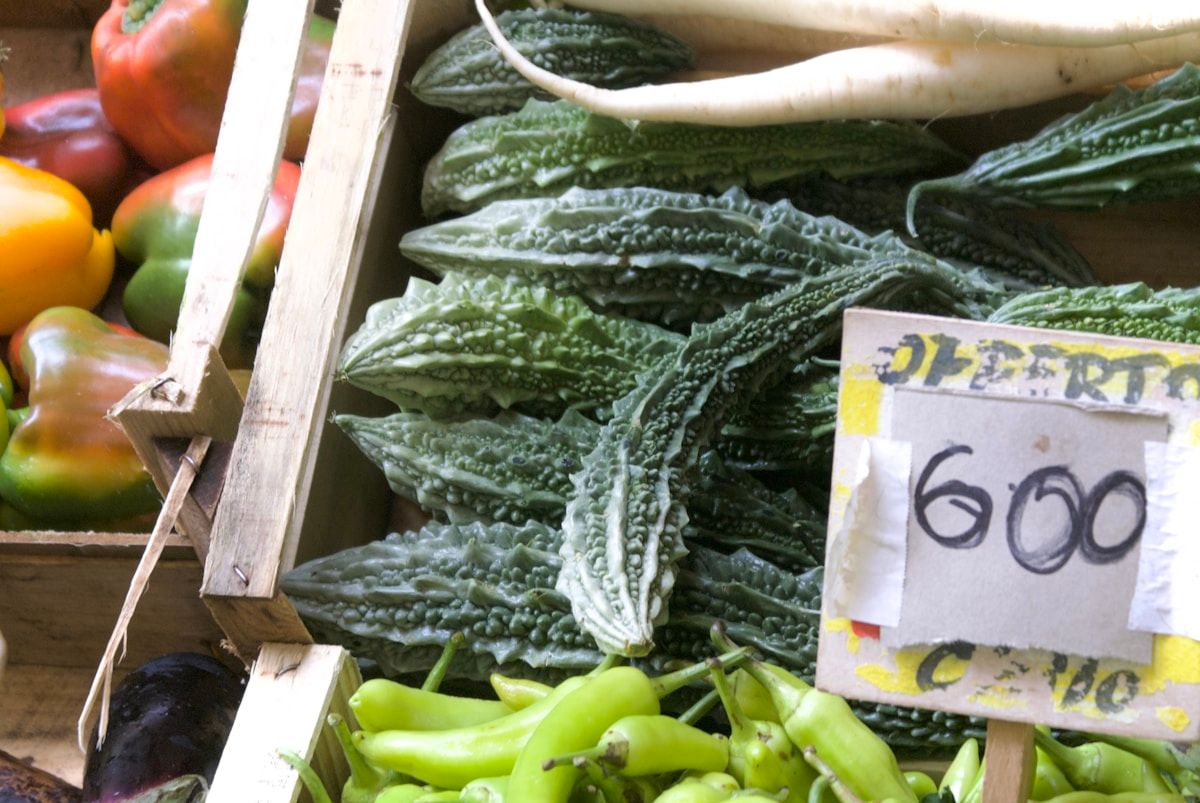
What You’ll Find: Fresh seasonal produce dominates the stalls, with Ontario-grown fruits and vegetables reflecting the changing seasons. Spring brings asparagus, rhubarb, and tender greens. Summer explodes with tomatoes, corn, berries, and peaches. Fall showcases squash, apples, and root vegetables. Beyond produce, vendors sell fresh-cut flowers, artisanal bread, local honey, maple syrup, preserves, and handmade crafts.
Market Culture: Shopping the outdoor market isn’t just transactional—it’s social. Farmers share growing tips, recipe suggestions, and stories about their farms. Regular customers develop relationships with favourite vendors, returning week after week for specific products. Arrive early for the best selection, but the relaxed afternoon atmosphere offers its own charm as vendors become more conversational when crowds thin.
Indoor Year-Round Market: When winter arrives, some vendors move inside the ByWard Market Building, where a smaller year-round market operates. While less extensive than the outdoor summer market, it maintains the tradition through Ottawa’s harsh winters, offering root vegetables, storage apples, baked goods, and preserved products.
Shopping Tips: Bring reusable bags and cash—while many vendors accept cards, cash speeds up transactions and some smaller producers prefer it. Visit multiple stalls before buying to compare quality and prices. Don’t hesitate to ask for samples, especially for berries, peaches, or artisanal products. The market’s competitive atmosphere means vendors want to earn your business through quality and service.
Best Restaurants: A Culinary World Tour in Four Blocks
ByWard Market has earned its reputation as Ottawa’s premier dining destination, with over one hundred restaurants representing cuisines from every continent. The density and diversity create a competitive environment where only quality survives.
Upscale Dining: For special occasions, Beckta Dining & Wine offers contemporary Canadian cuisine with impeccable service and an award-winning wine list. Play Food & Wine delivers innovative small plates perfect for sharing, while Andaz Ottawa’s signature restaurants provide luxury hotel dining with market-fresh ingredients. These establishments require reservations, especially on weekends.
Italian Excellence: Italian restaurants thrive in ByWard Market. Mamma Teresa Ristorante serves traditional Italian comfort food in a cozy atmosphere. Giovanni’s brings modern Italian techniques to classic dishes. The neighbourhood’s Italian heritage dating back generations ensures authenticity and quality across multiple establishments.
Asian Flavours: Ottawa’s acclaimed shawarma scene concentrates in ByWard Market, with several competing establishments serving late into the night. Asian cuisine extends beyond Middle Eastern offerings—Vietnamese restaurants offer steaming pho bowls, sushi bars prepare fresh rolls, and Thai kitchens deliver authentic curries and pad thai.
Pub Fare and Casual Dining: Traditional Irish pubs serve hearty meals alongside extensive beer selections. Canadian chain restaurants like The Works Gourmet Burger Bistro offer creative burgers, while local establishments provide poutine, wings, and comfort food. These casual spots excel for lunch or pre-drinks dinner before hitting the bars.
Brunch Culture: Weekend brunch defines ByWard Market mornings. Restaurants offer creative brunch menus from classic eggs Benedict to adventurous international breakfast dishes. Expect lineups at popular spots on Saturday and Sunday mornings—arriving before eleven o’clock or after one-thirty helps avoid peak crowds.
Patio Season: From May through September, restaurant patios transform ByWard Market into an open-air dining room. Patios along Clarence and York Streets offer prime people-watching, while quieter side streets provide more intimate settings. Patio reservations book quickly on warm summer evenings.
Must-Try Foods: ByWard Market’s Signature Eats
Beyond restaurants, ByWard Market offers iconic foods that define Ottawa’s culinary identity. Missing these means missing essential ByWard Market experiences.
BeaverTails: The original BeaverTails location on George Street has served fried dough pastries shaped like beaver tails since 1978. These hand-stretched treats come with toppings ranging from classic cinnamon and sugar to Nutella, Reese’s Pieces, or maple butter. The warm, crispy-on-the-outside, soft-on-the-inside texture makes BeaverTails an Ottawa institution. Join the inevitable line—it moves quickly and the wait is part of the experience.
Poutine: Multiple establishments compete for ByWard Market’s best poutine. Traditional versions stick to the Quebec classic—crispy fries, squeaky cheese curds, and rich gravy. Creative variations add pulled pork, smoked meat, or vegetarian toppings. Poutine tastes best as late-night food after bar hopping, when the combination of salt, fat, and carbs hits perfectly.
Shawarma: Ottawa’s shawarma obsession centres in ByWard Market, where Lebanese and Syrian restaurants serve garlic sauce-heavy wraps until three or four in the morning. The combination of spit-roasted meat, fresh vegetables, pickles, and that signature garlic sauce creates Ottawa’s unofficial late-night food. Locals have fierce loyalty to specific establishments, and the friendly rivalry elevates quality across the board.
Maple Everything: As Canada’s capital, Ottawa takes maple seriously. ByWard Market vendors sell pure Ontario maple syrup, maple candy, maple cookies, and maple butter. The outdoor market features maple products year-round, while specialty shops offer creative maple-infused items from maple hot sauce to maple popcorn.
Artisanal Cheese and Charcuterie: Specialty food shops throughout the market offer Ontario cheeses, imported meats, and gourmet provisions. These make excellent souvenirs or picnic components for enjoying along the nearby Rideau Canal. Staff provide expert guidance and generous samples.
Shopping Guide: From Boutiques to Market Stalls
ByWard Market offers shopping that ranges from tourist souvenirs to high-end fashion, with independent boutiques and unique shops you won’t find in malls.
Fashion and Accessories: Independent clothing boutiques line Clarence and Sussex Streets, offering everything from Canadian designers to international fashion. These smaller shops provide personalized service and curated selections. Jewellery stores showcase local artisans alongside established brands, while hat shops, shoe boutiques, and accessory stores round out the fashion scene.
Canadian Souvenirs: Multiple shops specialize in Canadian merchandise, from tacky tourist items to quality Canadian-made products. Look for genuine Canadian brands like Roots, Indigenous art from local First Nations artists, and Ottawa-specific memorabilia. These shops cluster near the market’s centre, making souvenir hunting efficient.
Art Galleries: Several art galleries feature Canadian artists, with particular strength in Indigenous art, landscapes, and contemporary pieces. Gallery openings and events occur regularly, and browsing is always welcome even without purchasing intentions.
Specialty Food Shops: Beyond restaurants, food shops sell gourmet provisions, international ingredients, tea and coffee, chocolate, and baked goods. These make excellent gifts or personal treats. Staff knowledge runs deep, and many shops offer samples or demonstrations.
Antiques and Vintage: A few antique shops and vintage clothing stores add character to the shopping mix. These require time to browse properly but can yield unique finds from furniture to collectibles to one-of-a-kind fashion pieces.
Market Stalls: During outdoor market season, vendors sell handmade jewellery, artwork, pottery, candles, soaps, and crafts. These artisan products support local creators and offer authentic souvenirs with stories behind them. Prices are often negotiable, especially later in the day.
Bookstores: Independent bookstores provide respite from the market’s energy. Browse Canadian literature, local history, and general selections while enjoying the quiet atmosphere and knowledgeable staff recommendations.
Nightlife Scene: When ByWard Market Comes Alive
After dark, ByWard Market transforms into Ottawa’s nightlife epicenter. The concentration of bars, clubs, and late-night venues within four blocks creates an electric atmosphere unlike anywhere else in the city.
Bar Districts: Clarence Street forms the nightlife spine, packed with bars ranging from sports pubs to cocktail lounges. York Street parallels Clarence with additional options, while side streets hide more intimate establishments. This density means bar hopping requires minimal walking—you can experience five or six different venues within a single block.
Club Scene: Underground clubs and multi-level entertainment venues attract crowds dancing until two or three in the morning. Electronic music, hip-hop, top-40, and themed nights offer variety. Cover charges typically range from ten to twenty dollars, with higher prices for special events or touring DJs.
Live Music: Multiple venues host live bands, from rock and indie to jazz and acoustic performances. Check weekly schedules as offerings change nightly. Some restaurants transition from dinner service to live music venues as evening progresses.
Cocktail Culture: Upscale cocktail bars provide sophisticated alternatives to club scenes. Mixologists craft creative drinks using premium spirits and fresh ingredients. These spots attract a slightly older, professional crowd seeking conversation over dancing.
Irish Pubs: Traditional Irish pubs offer Guinness, whiskey, live Irish music, and pub trivia nights. The warm, welcoming atmosphere makes these spots popular for both starting and ending evenings.
Late-Night Eats: As bars close, shawarma spots and poutine restaurants see their busiest hours. The late-night food scene is essential ByWard Market culture, where revelers from different bars and clubs converge over shared garlic sauce and fries.
Safety and Transportation: While generally safe, ByWard Market nightlife requires standard urban awareness. Travel in groups, watch your drinks, and plan transportation home before drinking. Taxis and ride-sharing services concentrate in the market after midnight, making safe travel convenient.
Day vs Night: Two Different Experiences
ByWard Market’s remarkable duality means visiting during day and night offers completely different experiences, almost like exploring two separate neighbourhoods.
Daytime ByWard Market: Morning through early evening, ByWard Market operates as a family-friendly shopping and dining district. The outdoor farmers market attracts seniors and young families. Restaurant patios fill with business lunches and tourist groups. Buskers perform for crowds browsing boutiques and galleries. The atmosphere feels relaxed, safe, and accessible to all ages. Parents push strollers along wide sidewalks while tourists photograph historic buildings.
Nighttime Transformation: After nine or ten in the evening, especially on weekends, ByWard Market shifts dramatically. The farmers market stalls disappear. Restaurant patios become bar patios packed with young adults. Music pulses from clubs. Lineups form outside popular venues. The crowd skews younger, louder, and more focused on nightlife than commerce. The energy intensifies, the volume increases, and the vibe becomes distinctly adult-oriented.
Overlap Hours: The transition period between six and nine creates interesting overlap. Early diners share sidewalks with people pre-drinking before clubs. Families finish shopping as bar crowds begin arriving. This liminal time offers glimpses of both versions simultaneously.
Which to Experience: Ideally, visit ByWard Market at different times to appreciate its full character. Morning farmers market shopping reveals its historic purpose. Afternoon patio dining showcases its culinary scene. Late-night bar hopping demonstrates its contemporary energy. Each timeframe offers legitimate and distinct ByWard Market experiences.
Seasonal Events and Festivals
ByWard Market hosts events and festivals throughout the year, leveraging its central location and pedestrian-friendly layout.
Winterlude (February): Ottawa’s winter festival transforms ByWard Market with ice sculptures, outdoor activities, and special programming. The market becomes a hub for festival-goers exploring downtown winter attractions. Restaurants offer special menus and warming stations provide hot chocolate.
Canadian Tulip Festival (May): While tulips bloom throughout Ottawa, ByWard Market serves as a central gathering point. Special displays, music, and programming celebrate spring’s arrival. The timing coincides with the outdoor market reopening, creating festive energy.
Ottawa Fringe Festival (June): This theater festival spreads across downtown venues, with ByWard Market hosting performances and serving as social hub for performers and audiences. Street performers and artists add to the creative atmosphere.
Canada Day (July 1): As Canada’s capital celebration epicenter, ByWard Market experiences massive crowds on Canada Day. The market provides food, drinks, and gathering spaces for people attending Parliament Hill festivities. Expect extremely crowded conditions and plan accordingly.
Farmers Market Season (May-October): The outdoor market itself operates as an extended seasonal event, with special themed weekends, harvest celebrations, and vendor appreciation days throughout the growing season.
Christmas Markets (December): Winter holiday markets bring festive shopping, seasonal foods, and decorations to ByWard Market Square. Local artisans sell handmade gifts while vendors offer hot cider and seasonal treats.
Weekly Events: Beyond annual festivals, weekly events include weekend buskers, Thursday evening markets during summer, and various cultural celebrations reflecting Ottawa’s diverse communities.
Safety Tips: Enjoying ByWard Market Responsibly
ByWard Market’s urban character and active nightlife require awareness, though serious incidents remain relatively rare compared to other major city entertainment districts.
Daytime Safety: During business hours, ByWard Market poses minimal safety concerns. Standard urban awareness applies—watch personal belongings, stay aware of surroundings, and keep valuables secure. The heavy foot traffic and business activity create natural security through activity.
Nighttime Considerations: After dark, especially on weekend nights, take additional precautions. Travel in groups rather than alone. Stay in well-lit, populated areas. Avoid confrontations with intoxicated individuals. Keep phones charged for emergency contact or ride-sharing services. Women should be particularly cautious about accepting drinks from strangers or leaving drinks unattended.
Parking Safety: If driving, park in attended garages rather than isolated surface lots. Note your parking location and keep car doors locked. Avoid leaving valuables visible in vehicles, even in paid parking facilities.
Seasonal Concerns: Winter ice makes sidewalks slippery—wear appropriate footwear and watch for icy patches. Summer crowds create pickpocketing opportunities—keep wallets and phones in front pockets or secure bags.
Emergency Services: Ottawa Police maintain visible presence in ByWard Market, particularly during busy nightlife hours. Emergency services respond quickly to the central downtown location. The market’s compact size means help is never far away.
Common Sense Measures: Don’t flash expensive jewellery or electronics unnecessarily. Be cautious with ATM transactions, particularly at night. If something feels wrong, trust your instincts and relocate to busier, more populated areas.
Substance Awareness: The nightlife scene means alcohol and sometimes drugs are present. Never accept substances from strangers, watch your drinks being prepared, and know your limits. If friends seem overly intoxicated or unwell, seek help rather than hoping they’ll improve on their own.
Hidden Gems Most Tourists Miss
Beyond the obvious attractions, ByWard Market hides lesser-known spots that reward exploration.
Jeanne d’Arc Court: This small courtyard off Sussex Drive features a dramatic statue of Joan of Arc and provides peaceful respite from market crowds. Few tourists discover this quiet space despite its central location.
Tin House Court: A narrow passageway between buildings leads to a small courtyard with historic character. Local artists sometimes display work here, and the space offers photogenic brick walls and quiet atmosphere.
Rooftop Patios: Several buildings feature rooftop or upper-floor patios offering views over the market toward Parliament Hill or the Ottawa River. These elevated spaces provide unique perspectives and often less crowded seating.
Early Morning Market: Most tourists visit the farmers market between ten and two, but arriving when vendors set up between seven and eight offers a completely different experience. Farmers are fresh, produce selection is fullest, and the atmosphere feels authentic rather than touristy.
Specialist Shops: Beyond obvious souvenir stores, specialist shops selling tea, chocolate, cheese, or other specific products provide depth. Staff expertise and product quality exceed general stores, and these shops rarely see tour group crowds.
Winter Weekdays: While summer weekends showcase ByWard Market at its busiest, winter weekday afternoons reveal a quieter, more local version. Cafes become working spaces for remote workers and students, creating cozy European-style cafe culture.
Historical Plaques: Heritage plaques throughout the market tell stories of fires, famous residents, architectural details, and historical events. Following these plaques creates a self-guided historical tour revealing layers of Ottawa history.
Where to Park: Navigating ByWard Market Parking
Parking in ByWard Market requires planning, especially during peak times, but several options exist at varying price points.
ByWard Market Parking Garage (40 ByWard Market Square): This centrally located garage offers direct market access with reasonable rates. Early arrival is crucial on weekends and during events. Daily maximum rates apply, making all-day parking affordable compared to hourly street parking.
Claridge Plaza Underground Parking: Accessible from York Street, this underground facility provides weather-protected parking within easy walking distance of the market centre. Rates are competitive and security is good due to the controlled access.
York Street Parkade: Located on York Street between Dalhousie and Cumberland, this multi-level parkade serves the market’s southern edge. It’s often less crowded than more central options, with a short walk to market attractions.
Rideau Centre Parking: The shopping mall’s parking garage charges higher rates but offers covered parking and connects to the market via a short outdoor walk. This option works well for combining shopping with market visits.
Street Parking: Limited metered street parking exists on market perimeter streets. Meters accept coins and credit cards, with typical two-hour maximums during business hours. Evening and Sunday parking is often free or reduced rate, making street parking viable for nightlife visits. Read signs carefully as regulations vary by street and time.
Cost-Saving Tips: Arrive before nine in the morning on weekends for better availability and lower rates. Consider parking at city lots slightly outside the market core and walking five extra minutes for significantly lower costs. Evening parking rates drop substantially after six, making dinner and nightlife parking more affordable than daytime visits.
Best Times to Visit: When to Experience ByWard Market
Timing your ByWard Market visit significantly impacts the experience, with each season and time of day offering distinct advantages.
Outdoor Market Season (May-October): For the full market experience including outdoor farmers stalls, visit between May and October. Peak produce season runs July through September when Ontario crops are at their freshest. Weekend mornings between eight and eleven offer the best market experience before crowds arrive.
Summer Evenings: June through August brings patio season to its peak. Warm evenings between six and nine create magical atmosphere as restaurant patios fill and the market transitions from day to night. Book patio reservations in advance for popular restaurants.
Fall Shoulder Season (September-October): After summer tourists depart but while outdoor markets remain open, September and early October offer excellent visiting conditions. Weather stays pleasant, fall produce hits markets, and crowds thin considerably from summer peaks.
Winter Weekends: While the outdoor market closes, winter transforms ByWard Market into a cozy urban village. Holiday decorations in December, Winterlude ice sculptures in February, and snow-covered cobblestones create storybook atmosphere. Indoor restaurants and bars maintain full programming regardless of weather.
Weekday vs. Weekend: Weekdays showcase local life as Ottawa residents shop, lunch, and work in market cafes. Weekends bring tourists and suburban visitors, creating busier but more energetic atmosphere. For authentic local experience, visit Tuesday through Thursday. For peak energy and people-watching, choose Saturday or Sunday.
Special Events: During major events like Canada Day or Winterlude, ByWard Market becomes extremely crowded. If you enjoy festival atmosphere and crowds, these times are ideal. If you prefer exploring at your own pace, avoid major event dates.
Time of Day: Morning (seven to ten) suits farmers market shopping and quiet cafe breakfasts. Midday (eleven to two) brings lunch crowds and maximum activity. Afternoon (three to six) offers relaxed browsing and happy hour deals. Evening (seven to ten) showcases dining and early nightlife. Late night (eleven onward) delivers full club and bar scene.
FAQ
Q: Is ByWard Market open year-round?
Yes, ByWard Market’s restaurants, bars, and shops operate year-round. However, the outdoor farmers market runs seasonally from May through October. Winter visitors can still explore indoor businesses, restaurants, and the smaller indoor market section, but won’t experience the full outdoor market atmosphere that defines summer visits.
Q: How much time should I plan for visiting ByWard Market?
A quick visit covering main highlights requires two to three hours for walking, shopping, and eating. A thorough exploration including lunch, shopping, and farmers market browsing needs four to six hours. Combining daytime market visits with evening dining and nightlife could easily fill an entire day. Many visitors return multiple times during Ottawa stays to experience different aspects.
Q: Is ByWard Market family-friendly?
During daytime hours, ByWard Market is very family-friendly with the farmers market, restaurants, street performers, and shops suitable for all ages. After nine or ten in the evening, particularly on weekends, the area becomes adult-oriented with nightlife focus. Families with children should plan daytime visits and avoid late weekend nights when bar crowds dominate.
Q: What’s the difference between ByWard Market and Rideau Centre?
ByWard Market is an outdoor historic district with independent businesses, restaurants, bars, and seasonal farmers market spread across several blocks. Rideau Centre is an enclosed shopping mall with chain stores located adjacent to ByWard Market. They’re separate destinations serving different purposes, though many visitors explore both during Ottawa trips since they’re within easy walking distance.
Q: Do I need cash at ByWard Market?
While most restaurants and shops accept credit and debit cards, cash remains useful for farmers market vendors, street performers, and some smaller vendors who prefer or require cash transactions. Bringing fifty to one hundred dollars cash ensures you can purchase from any vendor. ATMs are available throughout the market, though fees may apply.
Q: Where can I find authentic BeaverTails?
The original BeaverTails location sits on George Street at 69 George Street, right in ByWard Market’s heart. This flagship location has operated since 1978 and offers the full menu of classic and creative BeaverTail flavours. Expect lineups during busy times, but service moves quickly. The fresh-made-to-order approach ensures your BeaverTail arrives hot and crispy.
Q: Is ByWard Market safe to walk around at night?
ByWard Market is generally safe at night with active nightlife bringing crowds and police presence. However, standard urban safety precautions apply—travel in groups, stay in well-lit areas, watch belongings, and remain aware of surroundings. The active nightlife means the area stays populated until two or three in the morning, providing safety through activity. Isolated side streets and parking areas require more caution than main drags like Clarence and York.
Q: Can I visit ByWard Market from Parliament Hill on foot?
Absolutely. ByWard Market sits just a ten to fifteen-minute walk from Parliament Hill. Head east down Wellington Street, cross the Chateau Laurier, and continue to Sussex Drive or Rideau Street, which lead directly into the market. The pleasant walk passes historic buildings and offers canal views, making the journey part of the experience. This walking route connects Ottawa’s two most popular tourist destinations seamlessly.
Final Thoughts
ByWard Market stands as Ottawa’s most dynamic neighbourhood, a place where nearly two centuries of history blend seamlessly with cutting-edge culinary trends and vibrant nightlife. The market’s ability to serve as morning farmers market, afternoon shopping district, and evening entertainment hub demonstrates its remarkable versatility and enduring relevance to Ottawa life. Whether you’re biting into a classic BeaverTail, selecting fresh Ontario produce from farmers who grew it, shopping for Canadian-made goods, or dancing in underground clubs until the early morning, ByWard Market delivers authentic Ottawa experiences found nowhere else in the city.
The neighbourhood’s true magic lies in its duality—respecting historic roots while embracing contemporary culture, welcoming tourists while serving local residents, offering high-end dining alongside late-night shawarma, maintaining daytime family atmosphere that transforms into adult nightlife scene. This complexity means every visitor finds their own version of ByWard Market, whether that’s quiet morning coffee in a heritage building, rowdy Saturday night bar crawl, or anything in between. Nearly 200 years after Lieutenant-Colonel John By established a simple farmers market, his creation continues evolving while remaining fundamentally true to its original purpose: bringing people together to eat, drink, shop, and celebrate in the heart of Canada’s capital.
Source: Ottawa Tourism, ByWard Market BIA, City of Ottawa