The ByWard Market has been the heart of Ottawa for nearly 200 years. One of Canada’s oldest and largest public markets, it has evolved from Colonel By’s practical provision ground into a vibrant district of restaurants, shops, and nightlife while maintaining its market heritage.
The story of the ByWard Market is the story of Ottawa itself—from frontier settlement to national capital, this historic area has witnessed it all.
Key Highlights
TL;DR: ByWard Market was established by Colonel John By in 1826 to supply canal workers. Named for the “By Ward” (district) it occupied, it has operated continuously as a market for nearly 200 years. Today it features year-round vendors, restaurants, shops, and Ottawa’s most vibrant street life.
| Quick Facts | Details |
|---|---|
| 📅 Established | 1826 |
| 📍 Location | George Street area, Ottawa |
| 🎟️ Status | One of Canada’s oldest markets |
| ⏰ Annual Visitors | Millions |
Origins of the Market
Colonel By’s Plan
When Lieutenant-Colonel John By arrived to build the Rideau Canal, he needed to feed thousands of workers:
Practical Necessity:
- Thousands of labourers required food
- No established supply chain existed
- Local agriculture insufficient
- Market would bring farmers and buyers together
Urban Planning:
- By laid out Bytown in “wards” (districts)
- Lower Town became commercial area
- Market designated at street intersections
- Created public space for commerce
Early Years
The market began simply:
First Market:
- Open-air vendors on designated streets
- Farmers brought produce from surrounding area
- Basic goods: vegetables, meat, grain
- Served canal workers and growing community
Growth:
- Permanent stalls gradually built
- Market building constructed
- Merchants established shops nearby
- District took shape
Illustrative image only.
Through the Decades
Victorian Era
The market flourished in the 1800s:
Expansion:
- Market buildings improved
- More vendors attracted
- Specialty shops appeared
- Hotels and taverns opened
Character:
- Bustling, noisy, crowded
- Multiple languages spoken
- Working-class district
- Heart of commercial Ottawa
Capital City
After Ottawa became the capital:
Changes:
- Government presence nearby
- More affluent customers
- Greater variety of goods
- Transportation improvements
Challenges:
- Competition from other areas
- Fire destroyed buildings periodically
- Infrastructure needed updating
- Changing retail patterns
20th Century Struggles
The market faced decline:
Mid-Century Crisis:
- Suburban shopping drew customers away
- Buildings aged and deteriorated
- Area became run-down
- Demolition threatened
Urban Renewal Threat:
- 1960s-70s saw demolition proposals
- Historic buildings at risk
- Community resistance organized
- Preservation movement emerged
Revival and Renaissance
Heritage Recognition
The market was saved:
Turning Point:
- Designated heritage district
- Investment in restoration
- Programming to attract visitors
- Balance of old and new
What Changed:
- Buildings restored
- Streetscape improved
- Mix of uses encouraged
- Tourism promoted
Modern ByWard Market
Today’s market is vibrant:
The Market Building:
- Year-round indoor vendors
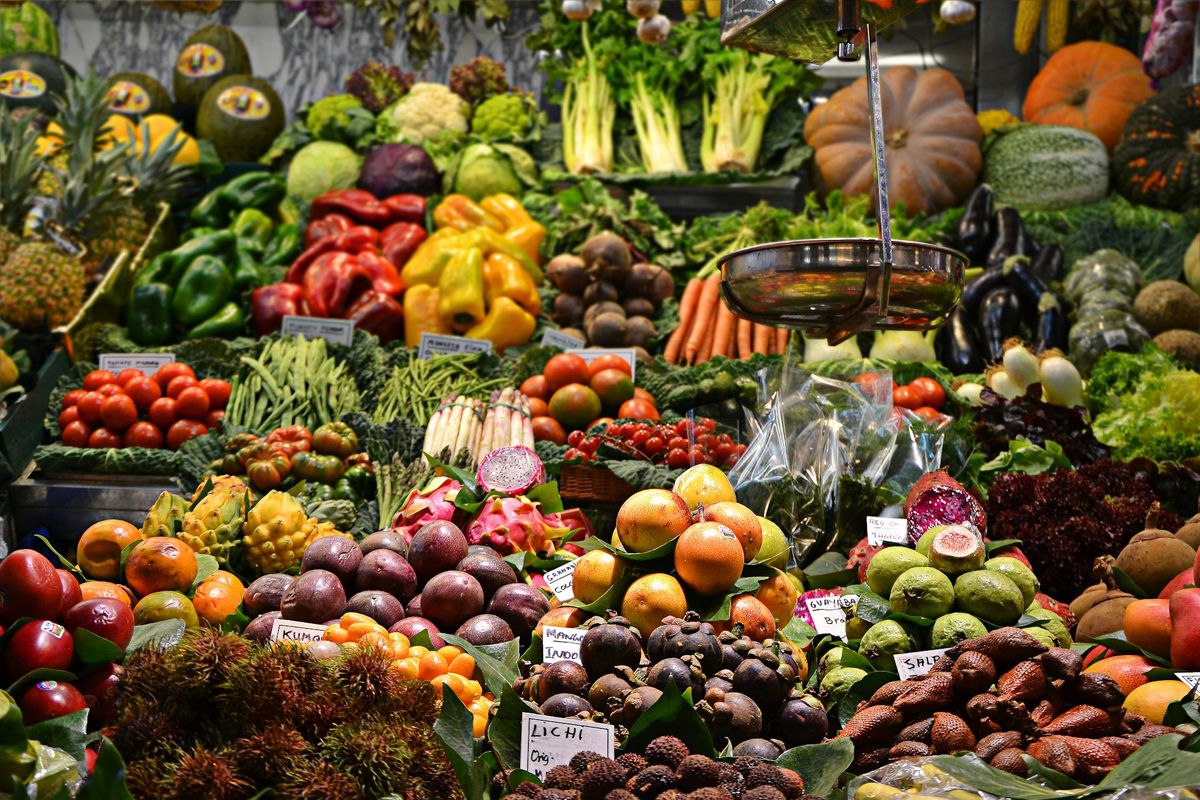
- Fresh produce, meat, fish, specialty foods
- Local products and crafts
- Historic building preserved
Outdoor Market:
- Seasonal vendors (spring through fall)
- Flowers and plants
- Farmers’ market feel
- Street food and snacks
Surrounding Area:
- Restaurants of every cuisine
- Bars and nightclubs
- Boutique shops
- Art galleries
What You’ll Find Today
The Market Building
The main market structure offers:
Ground Floor:
- Butchers and meat counters
- Cheese shops
- Bakeries
- Specialty food vendors
Variety:
- Local products
- Imported specialties
- Prepared foods
- Gifts and crafts
Street Vendors
Outdoor vendors line the streets:
Seasonal Offerings:
- Spring flowers and plants
- Summer produce and fruit
- Fall harvest items
- Holiday crafts and greenery
Experience:
- Wandering and browsing
- Sampling and buying
- People-watching
- Street performer entertainment
Dining and Drinking
ByWard Market is a restaurant district:
Options:
- Fine dining establishments
- Casual eateries
- Fast food and takeout
- Bars and pubs
- Coffee shops and cafés
Cuisines:
- Canadian and Indigenous
- French and Italian
- Asian varieties
- Middle Eastern
- Latin American
- International fusion

Illustrative image only.
Notable Landmarks
Heritage Buildings
Historic structures throughout:
Tin House Court:
- Historic courtyard
- Restaurants and shops
- Preserved architecture
- Hidden gem
Clarendon Courtyard:
- Behind heritage facades
- Restaurants and patios
- Architectural interest
- Popular gathering spot
Nearby Attractions
The market connects to other sites:
Sussex Drive:
- Embassy Row
- National Gallery of Canada
- Notre-Dame Cathedral
- Royal Canadian Mint
- Short walk up the hill
- Combine market visit with tour
- Scenic route available
- Historic connection
Rideau Canal:
- Waterway at district’s edge
- Walking and cycling paths
- Boat cruises available
- Winter skating
Visiting the Market
Best Times
When to go:
Morning:
- Best for fresh produce shopping
- Fewer crowds
- Vendors fully stocked
- Coffee and breakfast options
Afternoon:
- Lunch crowd creates energy
- Good for restaurant dining
- Patio season popular
- People-watching prime time
Evening:
- Restaurant and bar scene
- Night markets sometimes
- Entertainment options
- Different atmosphere
Seasonal Highlights
Each season offers something:
Spring:
- Flower and plant vendors
- Patio opening season
- Tulip Festival nearby
Summer:
- Peak vendor activity
- Street performers
- Long patio hours
- Festival events
Fall:
- Harvest produce
- Beautiful weather
- Fewer tourists
Winter:
- Indoor market continues
- Cozy restaurant dining
- Holiday shopping
- Christmas market nearby
Practical Information
Getting There
Multiple access options:
Transit:
- Rideau Station (O-Train)
- Multiple bus routes
- Easy from downtown
Parking:
- Paid lots in area
- Street parking limited
- Garages nearby
Walking:
- From Parliament Hill
- Along the canal
- From hotels downtown
Tips for Visiting
Make the most of your visit:
- Bring cash for some vendors
- Wear comfortable shoes
- Come hungry
- Allow time to wander
- Try local specialties
Frequently Asked Questions
Q: Is the ByWard Market open year-round? A: Yes! The indoor market building operates year-round. Outdoor vendors are seasonal, typically May through October.
Q: What’s the best day to visit? A: Saturday mornings see the most vendor activity and atmosphere. Weekdays are quieter for shopping; weekends busier but more energetic.
Q: Is it safe at night? A: The market area is generally safe but like any entertainment district can have incidents late at night. Normal urban awareness applies, especially on weekend nights.
Q: Why is it called “ByWard” Market? A: It’s located in what Colonel By designated as “By Ward”—one of the administrative districts or wards he created when laying out Bytown.
Q: Can I buy groceries there? A: Absolutely! The market vendors sell fresh produce, meat, fish, cheese, bread, and specialty items. Many residents shop here regularly.
Final Thoughts
The ByWard Market has served Ottawa for nearly 200 years—an remarkable span of continuous operation that connects today’s visitors to the city’s earliest days. When you browse the vendor stalls, dine in a restaurant, or simply soak in the atmosphere, you’re participating in a tradition as old as Ottawa itself.
From Colonel By’s practical provision ground for canal workers to modern Ottawa’s most vibrant district, the market has adapted while maintaining its essential character: a place where people gather, commerce happens, and community thrives. The vendors who set up their stalls today are heirs to generations who did the same.
In an age of malls and online shopping, the ByWard Market offers something increasingly rare: authentic public space where commerce and community intertwine. Long may it thrive.
Source: ByWard Market BIA, Historical Society of Ottawa, City of Ottawa Archives - Compiled for Via Ottawa readers.
For more Ottawa history, visit Ottawa History or explore Where to Go!