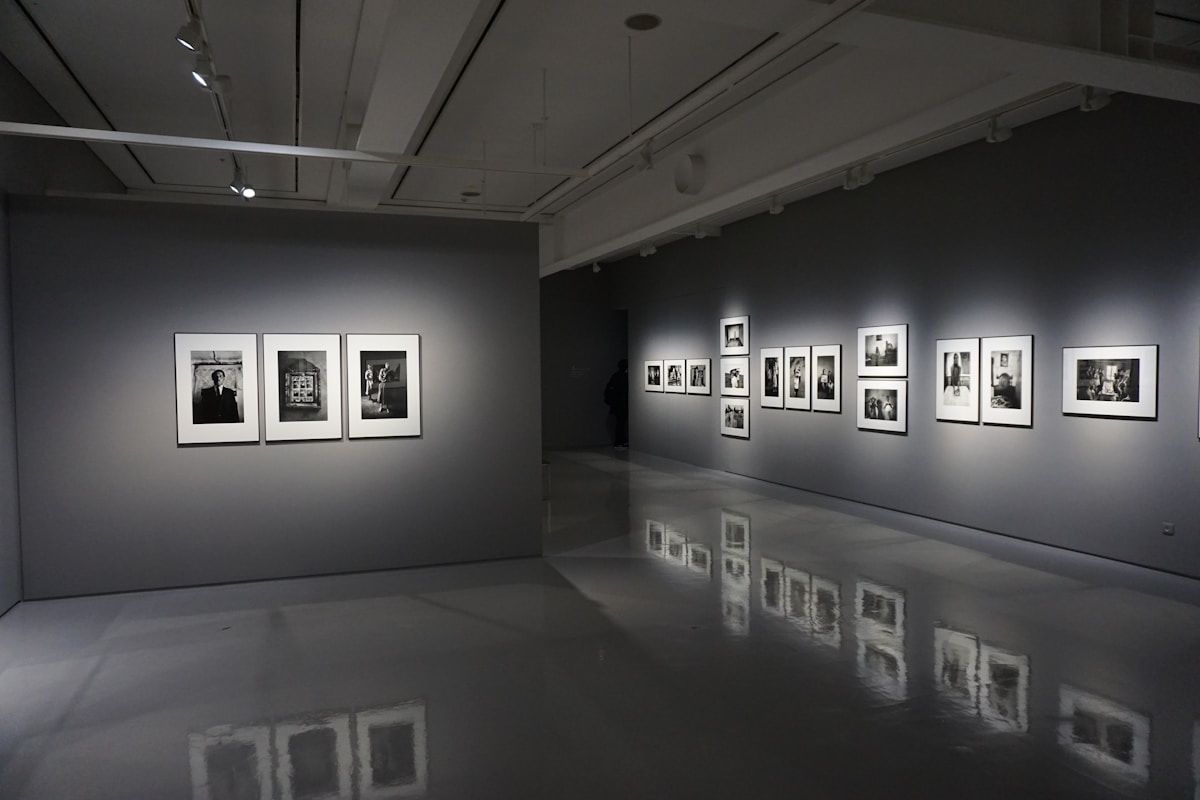
A groundbreaking photography exhibition is transforming how we see urban life through the lens of legendary artists! The National Gallery of Canada presents “Camera and the City,” opening December 12, 2025, featuring works by Walker Evans, Diane Arbus, and other pioneering photographers who captured the soul of city streets.
This remarkable exhibition explores the complex relationship between photography and urban environments through three thematic sections: the city as movement and theatre, the city as idea, and the city as community. Running through March 15, 2026, “Camera and the City” offers Ottawa residents and visitors a rare opportunity to experience some of the most influential urban photography ever created, all within one of Canada’s premier art institutions.
Key Highlights
TL;DR: “Camera and the City” opens December 12, 2025 at the National Gallery of Canada, running through March 15, 2026. The exhibition features iconic photographers including Walker Evans and Diane Arbus, organized into three sections exploring urban life. Located at 380 Sussex Drive, the show is a must-see for photography enthusiasts.
| Quick Facts | Details |
|---|---|
| 📅 Dates | December 12, 2025 - March 15, 2026 |
| 📍 Location | National Gallery of Canada, 380 Sussex Drive |
| 🎟️ Admission | Regular gallery admission applies |
| ⏰ Hours | Varies by day; check gallery website |
About the Exhibition
A Visual Journey Through Urban Life
“Camera and the City” presents a comprehensive look at how photographers have interpreted city life:
- Multiple eras of urban photography represented
- Diverse perspectives on metropolitan existence
- Technical evolution from early techniques to modern approaches
- Cultural documentation of city inhabitants and spaces
- Artistic interpretation of architectural and human elements
Three Thematic Sections
The exhibition is thoughtfully organized into distinct explorations:
The City as Movement and Theatre:
- Dynamic street photography capturing motion
- Theatrical qualities of urban spaces
- Spontaneous moments frozen in time
- The performance of daily city life
- Light, shadow, and architectural drama
The City as Idea:
- Conceptual approaches to urban imagery
- Abstract interpretations of city structures
- Photography as urban commentary
- Architectural studies and geometric patterns
- The city as symbol and metaphor
The City as Community:
- Portraits of urban dwellers
- Neighbourhood documentation
- Social dynamics captured on film
- Cultural diversity in metropolitan areas
- Human stories within concrete landscapes
Illustrative image only.
Featured Photographers
Walker Evans (1903-1975)
One of the most influential American photographers of the 20th century:
- Documentary style that influenced generations
- Depression-era photography for the FSA
- Subway portraits capturing New Yorkers unaware
- Architectural documentation of American vernacular
- Clean, direct aesthetic became touchstone for documentary photography
His work in “Camera and the City” showcases his ability to find profound beauty and meaning in everyday urban scenes, from storefronts to subway passengers.
Diane Arbus (1923-1971)
A revolutionary figure in portrait photography:
- Unflinching portraits of marginalized communities
- New York City streets as her primary canvas
- Challenged conventions of beauty and normalcy
- Intimate approach to her subjects
- Influential legacy on contemporary photography
Arbus’s contributions to the exhibition reveal her unique vision of urban humanity, capturing individuals often overlooked by mainstream society with dignity and depth.
Additional Featured Artists
The exhibition includes works by numerous other photographers who shaped urban photography:
- Eugene Atget - Documented old Paris before modernization
- Berenice Abbott - Chronicled changing New York City
- Weegee (Arthur Fellig) - Captured New York’s night life
- Robert Frank - The Americans changed documentary photography
- Garry Winogrand - Street photography master
- Lee Friedlander - Social landscape pioneer
- Helen Levitt - New York street life specialist
The National Gallery of Canada
World-Class Institution
The National Gallery provides the perfect setting for this exhibition:
About the Gallery:
- Canada’s premier visual arts institution
- Founded in 1880
- Collection spans medieval to contemporary art
- Iconic building designed by Moshe Safdie
- Located in the heart of downtown Ottawa
The Building:
- Distinctive glass and granite architecture
- Stunning views of Parliament Hill and the Ottawa River
- Climate-controlled galleries protect delicate works
- Natural light enhances certain exhibitions
- Accessibility features throughout
Location and Access
Address: 380 Sussex Drive, Ottawa
Getting There:
- Walking distance from ByWard Market
- Near Rideau Centre and Parliament Hill
- Street parking and nearby lots available
- OC Transpo routes serve the area
- Bicycle parking on-site
Illustrative image only.
Planning Your Visit
Admission Information
What to know before you go:
- Regular admission fees apply
- Free admission for members
- Thursday evenings may offer reduced rates
- Youth and student discounts available
- Annual memberships provide unlimited visits
Best Times to Visit
Maximize your experience:
- Weekday mornings tend to be quieter
- Thursday evenings attract social crowds
- Weekends are busier but have good energy
- School groups visit on weekday mornings
- Holiday periods may have extended hours
Visitor Tips
Make the most of your gallery experience:
- Allow 60-90 minutes for the photography exhibition
- Combine with other galleries during your visit
- The gift shop offers photography books and prints
- The gallery cafe provides dining options
- Audio guides may be available for enhanced context
Understanding Urban Photography
Historical Context
Photography and cities evolved together:
- 1839 - Photography invented, cities were early subjects
- Late 1800s - Documentary photography emerged
- 1930s-40s - FSA project documented American life
- 1950s-60s - Street photography flourished
- 1970s-present - Diverse approaches expanded the genre
Why Urban Photography Matters
This exhibition illuminates photography’s role in understanding cities:
- Historical record of places now changed or gone
- Social documentation of urban communities
- Artistic expression of metropolitan experience
- Cultural mirror reflecting society back to itself
- Memory preservation for future generations
Technical Considerations
The featured photographers employed various approaches:
- Large format cameras for architectural detail
- 35mm cameras for spontaneous street photography
- Flash photography for night scenes
- Natural light for atmospheric effects
- Black and white versus colour choices
Related Programming
Complementary Activities
The National Gallery often offers additional programming:
- Curator talks about the exhibition
- Photography workshops for visitors
- Film screenings related to urban themes
- Special events during the exhibition run
- Educational programs for students and groups
Check the National Gallery website for current programming schedules.
Combine Your Visit
Make a day of your gallery trip:
- ByWard Market - Steps away for dining and shopping
- Parliament Hill - Iconic views and tours
- Rideau Canal - Winter skating or summer walks
- Notre-Dame Cathedral Basilica - Historic church nearby
- Major’s Hill Park - Green space with gallery views
For Photography Enthusiasts
Inspiration for Your Own Work
Let the masters inspire your Ottawa photography:
- Street photography in ByWard Market
- Architectural shots of downtown buildings
- Portrait opportunities at local events
- Documentary projects in Ottawa neighbourhoods
- Urban landscape perspectives from various vantage points
Photography Resources in Ottawa
Continue your photography journey:
- Ottawa School of Art offers courses
- Camera clubs throughout the city
- Gallery exhibitions beyond the National Gallery
- Photo walks organized by local groups
- Print shops for displaying your own work
Frequently Asked Questions
Q: Can I take photographs inside the exhibition? A: Photography policies vary by exhibition. Flash photography is typically prohibited, and tripods are usually not permitted. Check with gallery staff upon arrival for specific guidelines regarding “Camera and the City.”
Q: Is the exhibition suitable for children? A: Yes, the exhibition is appropriate for all ages. However, some works by Diane Arbus feature unconventional subjects that may prompt questions from younger visitors. The gallery offers family programming that can enhance the experience for children.
Q: How long should I plan for viewing the exhibition? A: Most visitors spend 60-90 minutes viewing “Camera and the City.” Photography enthusiasts and art lovers may want to allow more time to fully appreciate the works on display.
Q: Are there guided tours available? A: The National Gallery typically offers guided tours for special exhibitions. Check the gallery website or call ahead to confirm tour schedules and availability for “Camera and the City.”
Q: Is the National Gallery accessible? A: Yes, the National Gallery of Canada is fully accessible. Wheelchairs are available for loan, and the building features elevators, accessible washrooms, and accommodations for visitors with various needs.
Final Thoughts
“Camera and the City” at the National Gallery of Canada offers a rare opportunity to experience the work of photography’s most influential urban documentarians. From Walker Evans’s quiet dignity to Diane Arbus’s unflinching portraits, the exhibition presents a comprehensive exploration of how photographers have understood, interpreted, and celebrated city life.
The three-section organization—movement and theatre, idea, and community—provides a thoughtful framework for understanding the many ways cameras have captured urban existence. Whether you’re a serious photography student, a casual gallery visitor, or someone curious about how artists have documented metropolitan life, this exhibition delivers profound insights and visual pleasure.
Running through March 15, 2026, there’s ample time to plan your visit. But don’t wait too long—exhibitions this significant deserve multiple viewings, and the conversation about photography and urban life that “Camera and the City” inspires will enrich your own experience of Ottawa’s streets long after you leave the gallery.
Source: National Gallery of Canada, Exhibition Information - Compiled for Via Ottawa readers.
For more Ottawa arts and culture, visit Ottawa Events. Also opening this week: the Hold True exhibition at City Hall. After the gallery, explore ByWard Market history or check our Things to Do Guide!