Last Updated: January 14, 2026
Step back to 1920s rural Ontario at Cumberland Heritage Village Museum, a sprawling 100-acre living history destination where costumed interpreters demonstrate traditional crafts, heritage breed livestock roam freely, and you can ride a tractor-pulled covered wagon through a recreated Ottawa Valley village.
Located just 30 minutes east of downtown Ottawa in the charming village of Cumberland, this remarkable museum is the only one in North America dedicated entirely to interpreting rural life during the 1920s and 1930s. Founded in 1976, the village features 28-29 heritage buildings relocated from across the Ottawa Valley, including an operating sawmill with belt-driven machinery, a functioning 1920s printing press, a one-room schoolhouse, a general store, and even a vintage train station. Whether you’re bringing children for an educational outing or seeking a nostalgic glimpse into Canada’s agricultural past, Cumberland Heritage Village delivers an immersive experience that photographs and textbooks simply cannot replicate.
Key Highlights
TL;DR: Cumberland Heritage Village Museum is a 100-acre living history site featuring 28-29 heritage buildings from the 1920s-30s era. The only museum in North America focused exclusively on this period of rural life, it offers hands-on demonstrations, heritage breed animals, tractor wagon rides, and rideable miniature steam locomotives. Open May-October, Wednesday-Sunday. Admission is $9.14 for adults, with family passes available. Currently closed for winter; reopens May 2026.
| Quick Facts | Details |
|---|---|
| 📍 Address | 2940 Old Montreal Road, Cumberland, ON K4C 1G3 |
| 📞 Phone | 613-580-2988 |
| MuseeCumberlandMuseum@ottawa.ca | |
| 🕐 Hours | May-October, Wed-Sun 10AM-5PM |
| 🎟️ Adult | $9.14 |
| 👴 Senior (65+) | $6.47 |
| 👦 Youth (6-17) | $6.47 |
| 👶 Children (5 & under) | FREE |
| 👨👩👧👦 Family Pass | $23.15 |
| 📏 Property Size | 100 acres |
| 🏛️ Buildings | 28-29 heritage structures |
| 🅿️ Parking | FREE on-site |
| 🚗 Distance | 30 min from downtown Ottawa, 15 min from Orleans |
What Makes Cumberland Heritage Village Unique
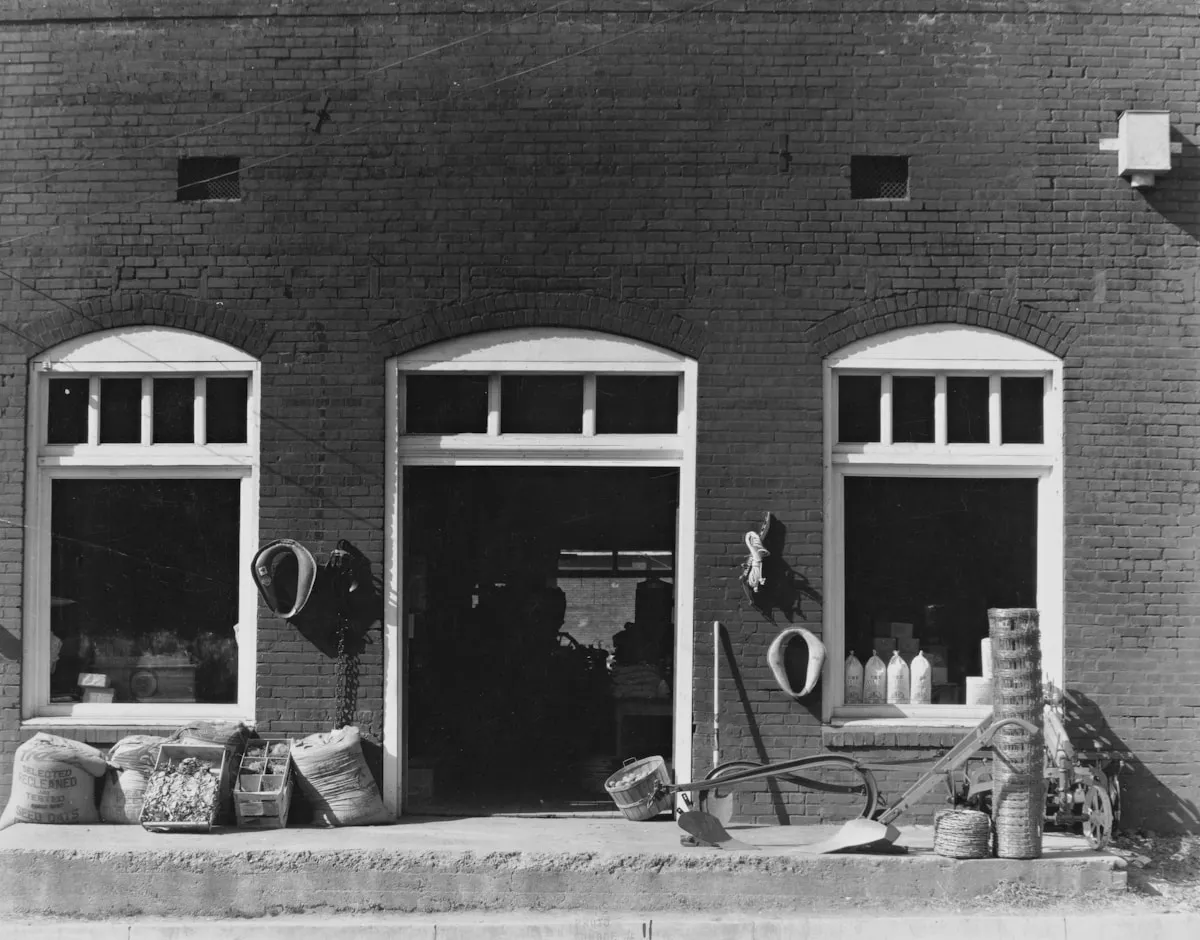 The authentic general store features period merchandise and costumed interpreters
Cumberland Heritage Village Museum occupies a singular niche in North American museum culture. While countless historical villages depict pioneer life or Victorian-era settlements, Cumberland is the only institution dedicated specifically to the 1920s and 1930s—a pivotal transitional period when rural Canada was caught between old traditions and encroaching modernity.
This era witnessed the gradual introduction of electricity to farming communities, the spread of automobiles alongside horse-drawn vehicles, and the devastating economic impact of the Great Depression on agricultural families. By focusing exclusively on this often-overlooked period, Cumberland captures a moment when traditional skills remained essential for daily survival even as modern conveniences began transforming rural expectations.
The museum’s approach differs fundamentally from static displays behind glass. Costumed interpreters don’t just answer questions—they demonstrate blacksmithing techniques, operate the working sawmill, print documents on the vintage Whitlock Pony press, and tend heritage breed livestock exactly as their 1920s counterparts would have done. Children can participate in hands-on activities like butter churning, traditional games, and one-room schoolhouse lessons that bring the era viscerally alive.
The 100-acre property itself contributes to the immersive experience. Unlike urban museums constrained by limited space, Cumberland’s extensive grounds allow visitors to wander between buildings, encounter livestock grazing in pastures, and experience the agricultural landscape that defined rural life during this period.
Historic Buildings and Attractions
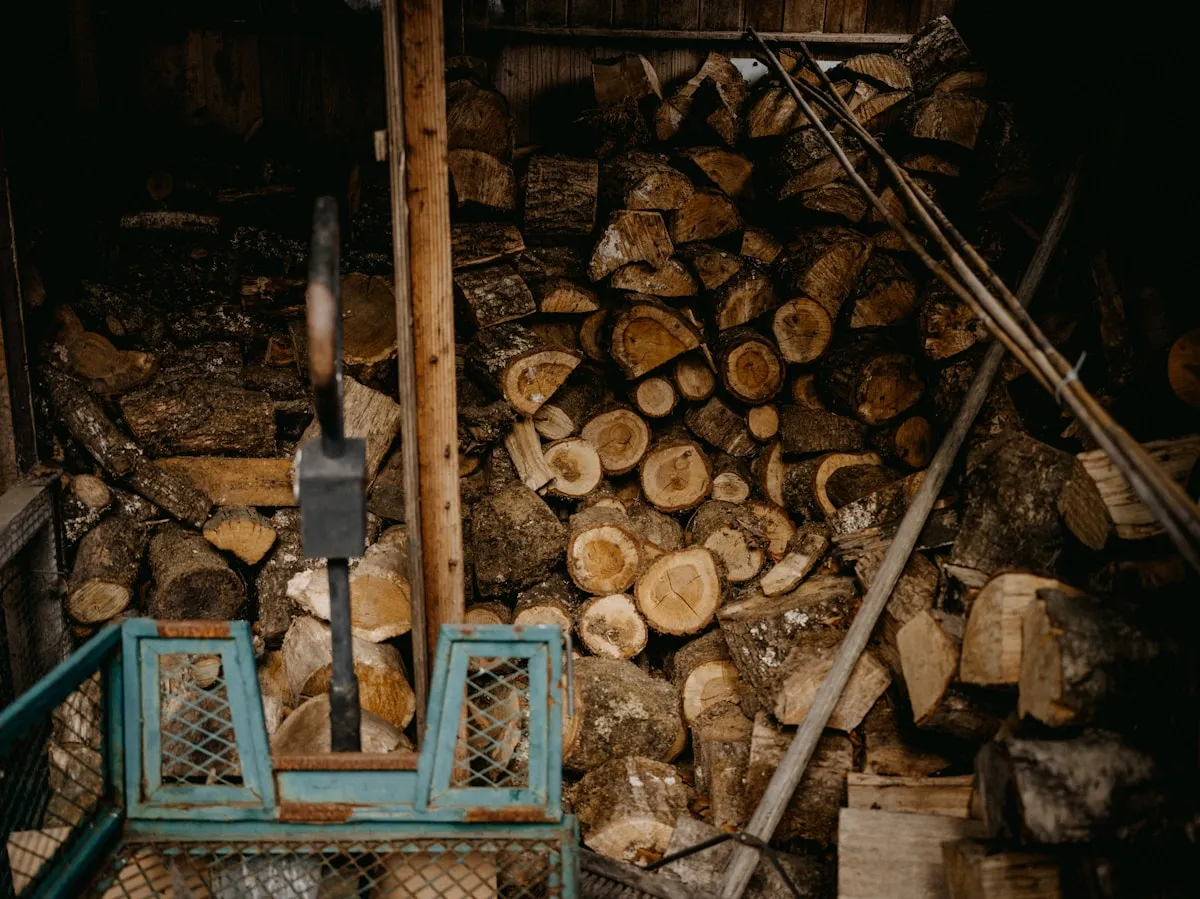 The operating sawmill demonstrates belt-driven machinery from the early 20th century
The 28-29 historic buildings at Cumberland Heritage Village were carefully selected, relocated, and restored to recreate an authentic Ottawa Valley community. Each structure tells a different story about rural life during the 1920s and 1930s.
Working Sawmill
The crown jewel of Cumberland’s industrial heritage is the fully operational sawmill equipped with belt-driven machinery typical of the period. During demonstrations, interpreters explain how logs were processed into lumber using equipment powered by a central engine and distributed through an elaborate pulley system. The rhythmic thump of machinery and the scent of fresh-cut wood transport visitors back to when sawmills served as the industrial backbone of Ottawa Valley communities.
Blacksmith Shop
The village blacksmith served as the community’s essential service provider, crafting and repairing everything from horseshoes to farm implements. Cumberland’s blacksmith shop features authentic equipment including a working forge, anvil, and the hand tools that skilled smiths used to shape metal. Interpreters regularly demonstrate traditional forging techniques, explaining how this crucial trade kept rural communities functioning.
Whitlock Pony Printing Press
Communications technology of the 1920s comes alive at the print shop, where a functioning Whitlock Pony printing press from the era still produces documents. Visitors can observe the intricate process of hand-setting type, applying ink, and operating the press—a painstaking process that nevertheless represented cutting-edge technology for rural newspapers and commercial printing of the period.
One-Room Schoolhouse
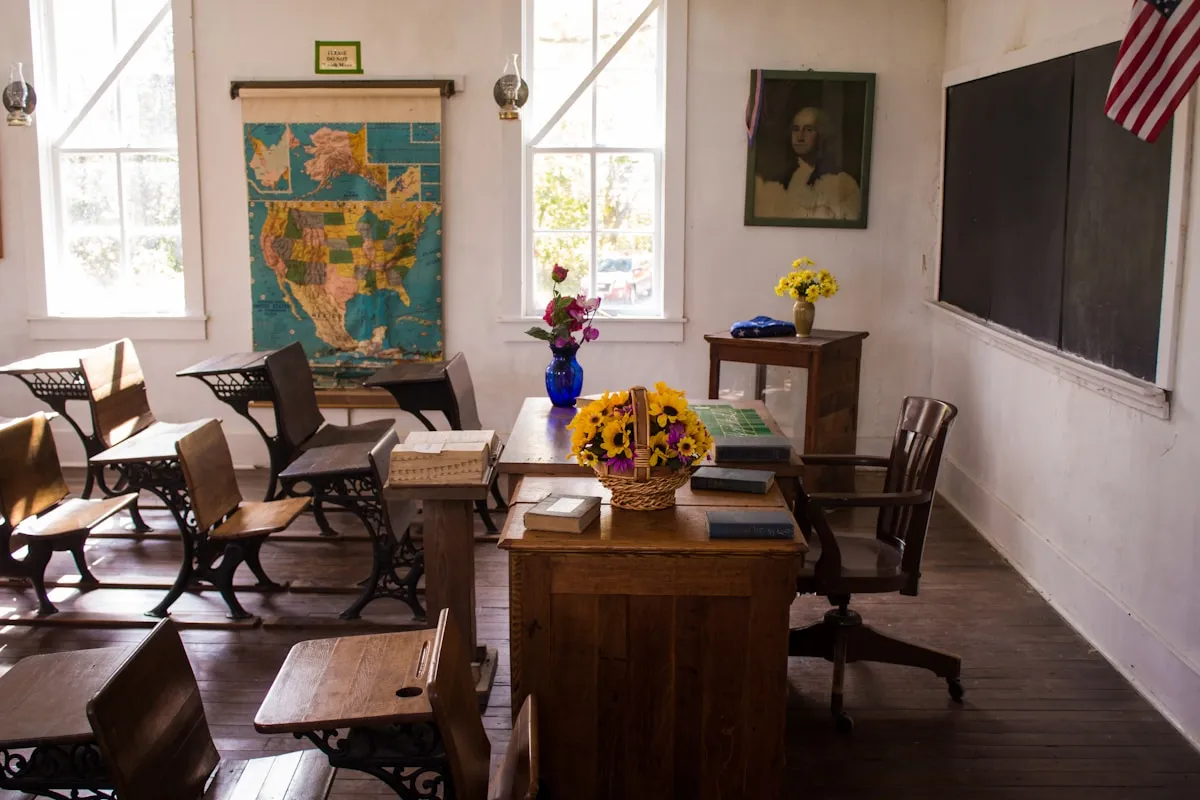 The one-room schoolhouse offers interactive lessons in 1920s-style education
Education in rural 1920s Ontario meant a single teacher instructing children of all ages in one room. Cumberland’s schoolhouse preserves this experience with original desks, slate boards, and period textbooks. During special programming, children can participate in lessons conducted using 1920s teaching methods—a stark contrast to modern education that helps young visitors appreciate how much schooling has evolved.
Heritage Church
The village church represents the spiritual centre of rural communities during this era. The carefully restored building features original pews, hymnal books, and period fixtures that reflect the central role religion played in agricultural life.
General Store
Every rural community revolved around its general store, where residents purchased everything from fabric and hardware to penny candy and kerosene. Cumberland’s authentic general store is stocked with period merchandise and staffed by interpreters who can explain how store credit, barter systems, and seasonal purchasing patterns shaped rural commerce.
Train Station
The arrival of railways transformed rural communities by connecting them to distant markets and urban centres. Cumberland’s heritage train station preserves the architecture and artifacts of this transformative technology, from ticket windows to baggage handling equipment.
Additional Structures
Beyond these highlights, the village includes a variety of supporting buildings that round out the community portrait: homes representing different economic levels, agricultural outbuildings, a cheese factory, and various service structures that comprised a complete 1920s settlement.
Living History and Heritage Animals
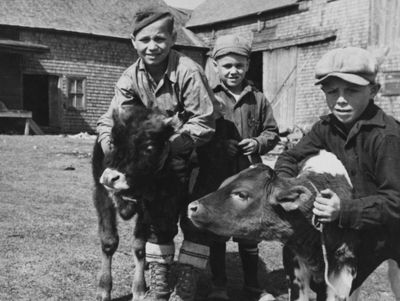
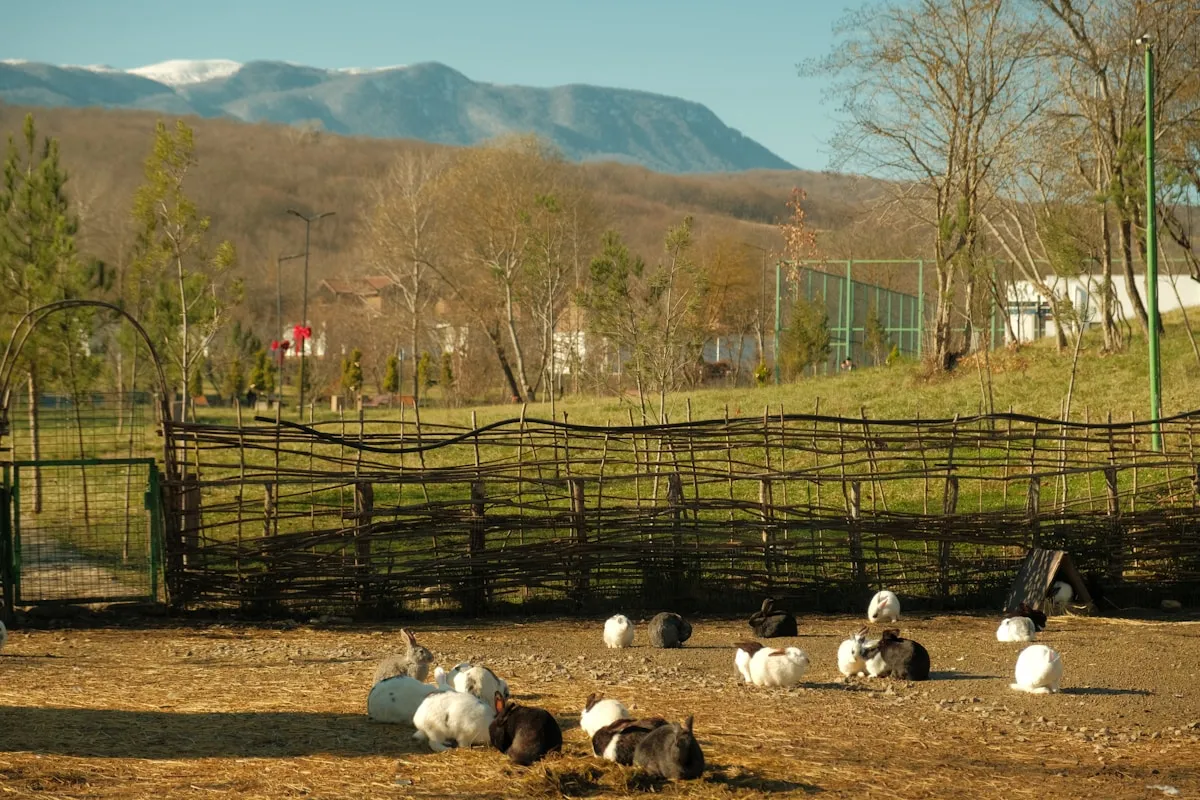 Heritage breed chickens, pigs, sheep, and other livestock roam the 100-acre property
What distinguishes Cumberland from static museum experiences is the living, breathing presence of heritage breed livestock throughout the property. These animals aren’t merely decorative—they represent the specific breeds that Ottawa Valley farmers would have raised during the 1920s and 1930s.
Heritage Breed Livestock
The museum maintains heritage breeds that have become rare in modern commercial agriculture:
Chickens and Ducks: Multiple heritage poultry breeds wander the village grounds, demonstrating the variety that once existed before industrial agriculture consolidated production around a few commercial breeds. Children particularly enjoy watching these birds go about their daily routines.
Pigs: Heritage pig breeds differ significantly from the lean, fast-growing commercial varieties developed for modern meat production. The village’s pigs represent breeds valued for their hardiness, foraging ability, and the flavourful fat that 1920s cooks considered essential.
Sheep: Heritage sheep breeds provided both wool for home spinning and meat for the table. The village’s flock demonstrates breeds suited to the Ottawa Valley’s climate and the dual-purpose requirements of self-sufficient farms.
Cows: Dairy and beef cattle breeds from the era differed substantially from today’s specialized production animals. The village maintains cattle representing the multi-purpose breeds that rural families depended upon.
Horses: Draft horses powered most farm operations before tractors became affordable. Cumberland’s horses demonstrate the working animals that planted crops, hauled timber, and transported families to town.
Hands-On Demonstrations
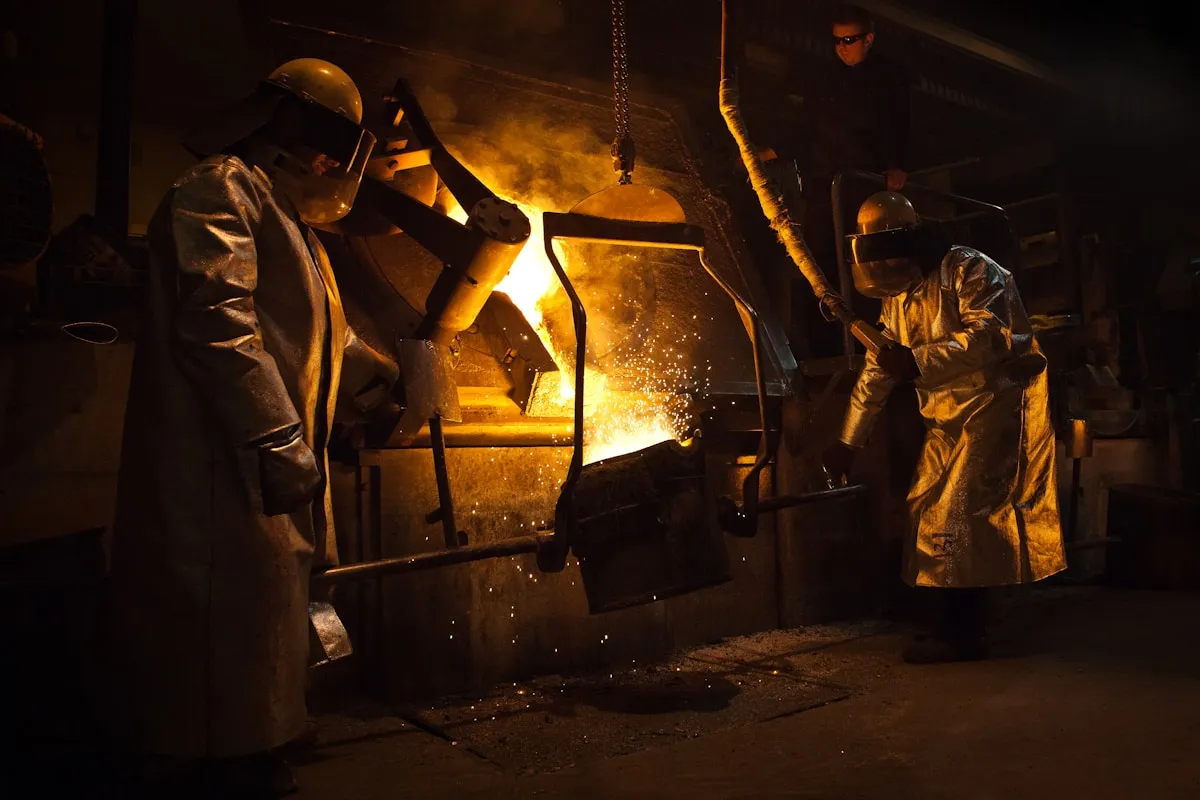 Costumed interpreters demonstrate traditional skills like butter churning
Costumed interpreters bring traditional skills to life through regular demonstrations that visitors can observe and sometimes participate in:
- Blacksmithing: Watch metal transform under hammer blows as interpreters forge tools and hardware
- Printing: See the laborious process of hand-typesetting and operating the vintage press
- Sawmill Operations: Experience the power of belt-driven machinery processing timber
- Butter Churning: Participate in transforming cream into butter using traditional methods
- Textile Arts: Observe spinning, weaving, and needlework techniques essential to 1920s households
- Traditional Cooking: Learn about period recipes, preservation techniques, and wood-stove cookery
Tractor-Pulled Wagon Rides
One of the most popular attractions—especially for families with young children—is the tractor-pulled covered wagon ride that tours the property. These rides provide an excellent overview of the village layout while offering welcome rest for tired legs. The covered wagon design evokes the transportation methods of the era while using tractor power for practical reliability.
Ottawa Valley Live Steamers and Model Engineers
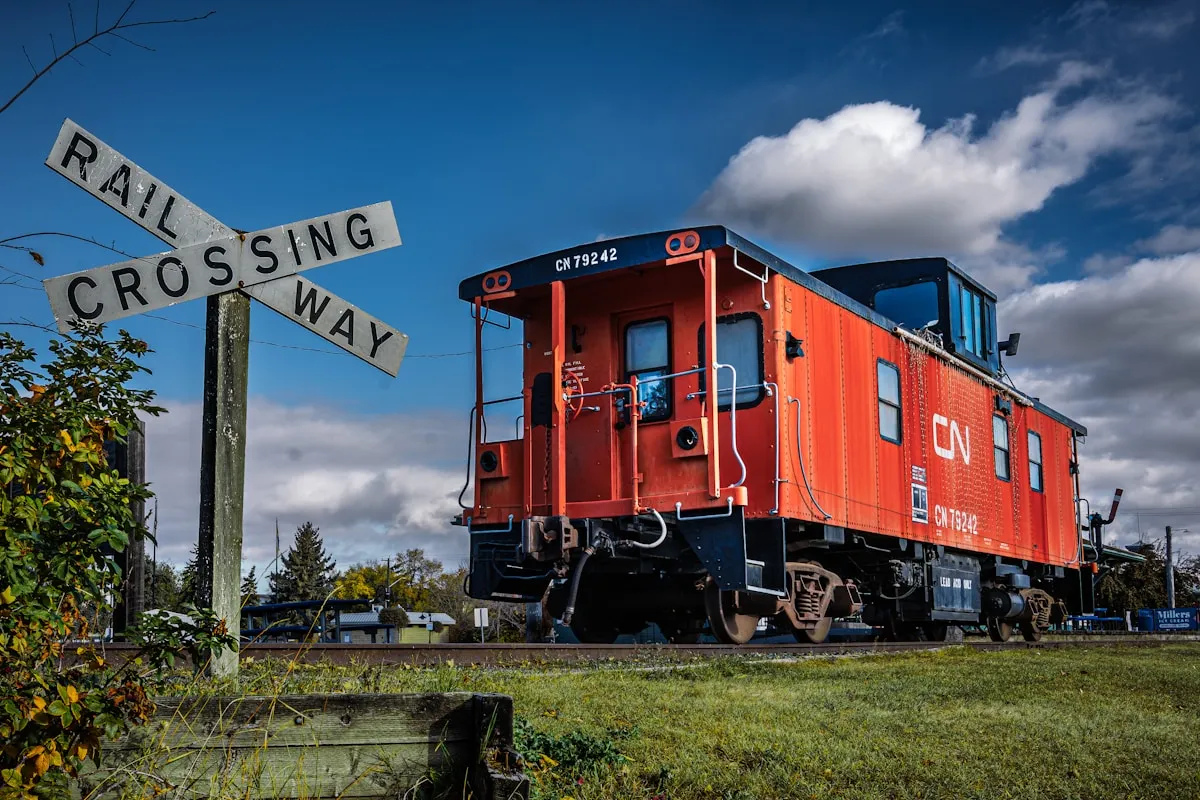 The Ottawa Valley Live Steamers operate rideable miniature steam locomotives on the grounds
One of Cumberland Heritage Village’s most unexpected delights is the Ottawa Valley Live Steamers and Model Engineers—a volunteer organization that operates rideable miniature steam locomotives on a track running through the museum grounds.
These aren’t toy trains. The miniature locomotives are meticulously crafted working steam engines, scaled down but fully functional, complete with coal-fired boilers, steam pistons, and the authentic sounds and smells of vintage railway technology. Visitors of all ages can ride behind these remarkable machines as they chug along the dedicated track.
The Live Steamers operate during select museum dates, typically on weekends with good weather. Check with the museum regarding specific operating days, as the volunteer organization sets its own schedule. Rides are typically included with museum admission or available for a small additional donation supporting the volunteer group’s maintenance and operating costs.
For train enthusiasts, watching skilled operators manage these miniature engines—controlling steam pressure, stoking fires, and navigating the track—provides fascinating insight into how full-scale railway technology functioned during the era.
Annual Events and Special Programming
 The Vintage Village of Lights transforms the heritage buildings into a magical winter display
Beyond regular operations, Cumberland Heritage Village hosts special events that draw visitors for unique seasonal experiences.
Vintage Village of Lights (November-December)
The museum’s signature winter event transforms the heritage buildings into a magical illuminated village during the holiday season. The Vintage Village of Lights runs throughout November and December, offering an enchanting evening experience quite different from the daytime historical programming.
Admission for this special event is $26.14 per group of up to 6 people, making it an affordable family outing. The illuminated heritage buildings create stunning photo opportunities, and the winter atmosphere adds a romantic quality that regular season visits cannot match.
Note that this event operates separately from normal museum hours and requires advance booking during popular dates.
Halloween Hijinks (Late October)
For families seeking Halloween fun without excessive scares, Halloween Hijinks offers age-appropriate seasonal programming. Held during late October, this event features costume activities, themed games, and gentle spooky fun suitable for children.
Admission for Halloween Hijinks is $23.35 and includes themed activities and entertainment. This event sells out during peak dates, so advance booking is recommended.
Seasonal Programming
Throughout the operating season, the museum offers rotating special programming that might include:
- Canada Day Celebrations: Period-appropriate patriotic festivities
- Heritage Skills Workshops: In-depth learning opportunities for specific traditional crafts
- School Group Programs: Curriculum-connected educational experiences
- Senior Days: Programming tailored for older visitors who may remember aspects of this era firsthand
- Themed Weekends: Special focus on particular aspects of 1920s-30s life
Check the museum’s website or call ahead for current programming schedules during your planned visit.
Practical Visitor Information
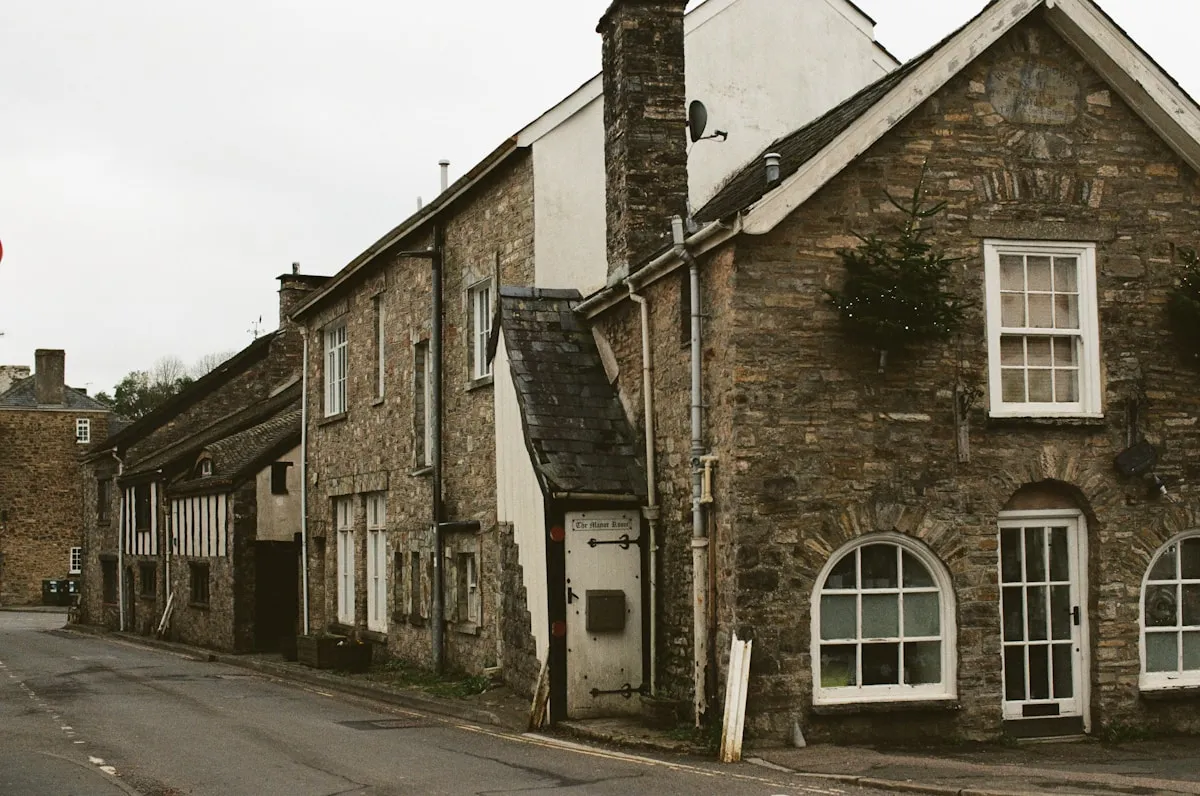 The 100-acre property features paths connecting historic buildings and animal enclosures
Getting There
Cumberland Heritage Village is located at 2940 Old Montreal Road in Cumberland, Ontario—approximately 30 minutes east of downtown Ottawa and just 15 minutes east of Orleans.
From Downtown Ottawa:
- Take Highway 174 East toward Orleans
- Continue east past Orleans on Highway 174
- Exit at Old Montreal Road
- Turn right (south) and follow Old Montreal Road to the museum
From Orleans:
- Take Highway 174 East
- Exit at Old Montreal Road
- Follow approximately 10 minutes to the museum
The rural location means GPS navigation works well, and signage along Old Montreal Road directs visitors to the museum entrance. The drive itself passes through pleasant countryside that sets the mood for the heritage experience ahead.
Parking
Free on-site parking is available with adequate space for visitor vehicles. During special events, additional parking areas may open to accommodate increased attendance.
Accessibility
The museum grounds present some accessibility challenges inherent to historic properties. While main pathways are generally accessible, some heritage buildings have period-authentic features (narrow doorways, steps, uneven floors) that may present difficulties for visitors with mobility limitations. Contact the museum in advance to discuss specific accessibility needs and receive guidance about which areas are fully accessible.
Weather Considerations
As an outdoor heritage property, weather significantly impacts the visitor experience. Most activities occur outdoors or in unheated historic buildings, so dress appropriately:
- Spring/Fall: Bring layers for cool mornings and warmer afternoons
- Summer: Sun protection and water are essential on the expansive grounds
- Rainy Days: The museum operates rain or shine, so waterproof footwear and rain gear allow you to enjoy the experience regardless of conditions
Time Required
Plan to spend 2-4 hours exploring the village thoroughly. Families with young children often stay toward the longer end of this range, as children enjoy extended time with animals and interactive activities. Adults focused primarily on architectural and historical aspects might complete their visit in 2 hours.
Food and Refreshments
The museum has limited food service, so consider bringing snacks and water—especially when visiting with children. The town of Cumberland offers dining options for meals before or after your visit (see Nearby Attractions section).
Nearby Attractions
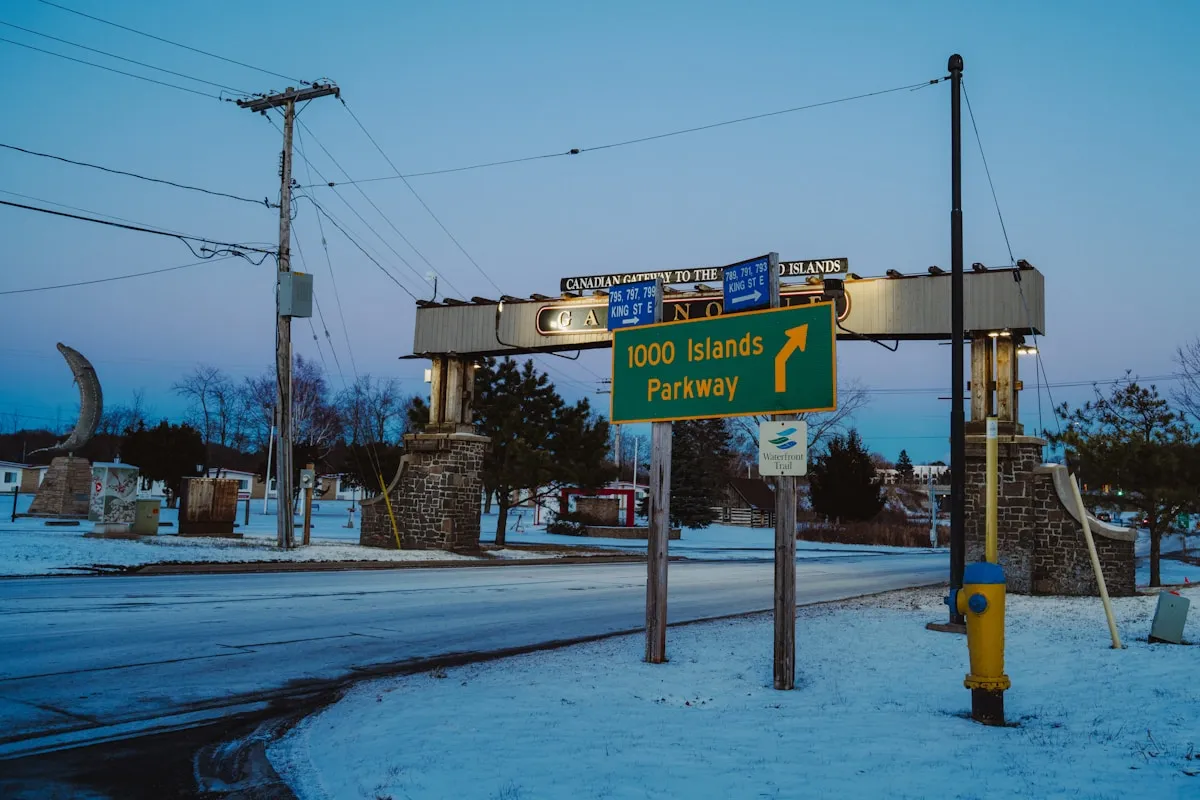 The Cumberland area offers additional attractions including trails and local businesses
Cumberland Heritage Village’s location places it near several other attractions worth considering for a full day trip.
Wilsondale Trails
Just minutes from the museum, Wilsondale Trails offers approximately 5 kilometres of cross-country ski trails during winter and walking/hiking paths during warmer months. This natural area provides a pleasant contrast to the heritage village’s built environment.
Black Walnut Bakery
A popular local destination, Black Walnut Bakery in nearby Cumberland village serves fresh baked goods, soups, and light lunch fare. It’s an excellent choice for pre- or post-museum refreshments.
Cumberland Farmers Market
During the growing season, the Cumberland Farmers Market offers local produce, artisan foods, and handcrafted goods. Check operating days and hours, as farmers markets typically run seasonally.
Orleans Attractions
The suburban community of Orleans, located about 15 minutes west of the museum, provides extensive dining, shopping, and entertainment options for visitors seeking urban amenities.
For museum lovers planning a broader exploration, consider pairing Cumberland Heritage Village with other Ottawa-area heritage destinations. Check our guide to free museum hours in Ottawa for additional options.
Tips for Visiting
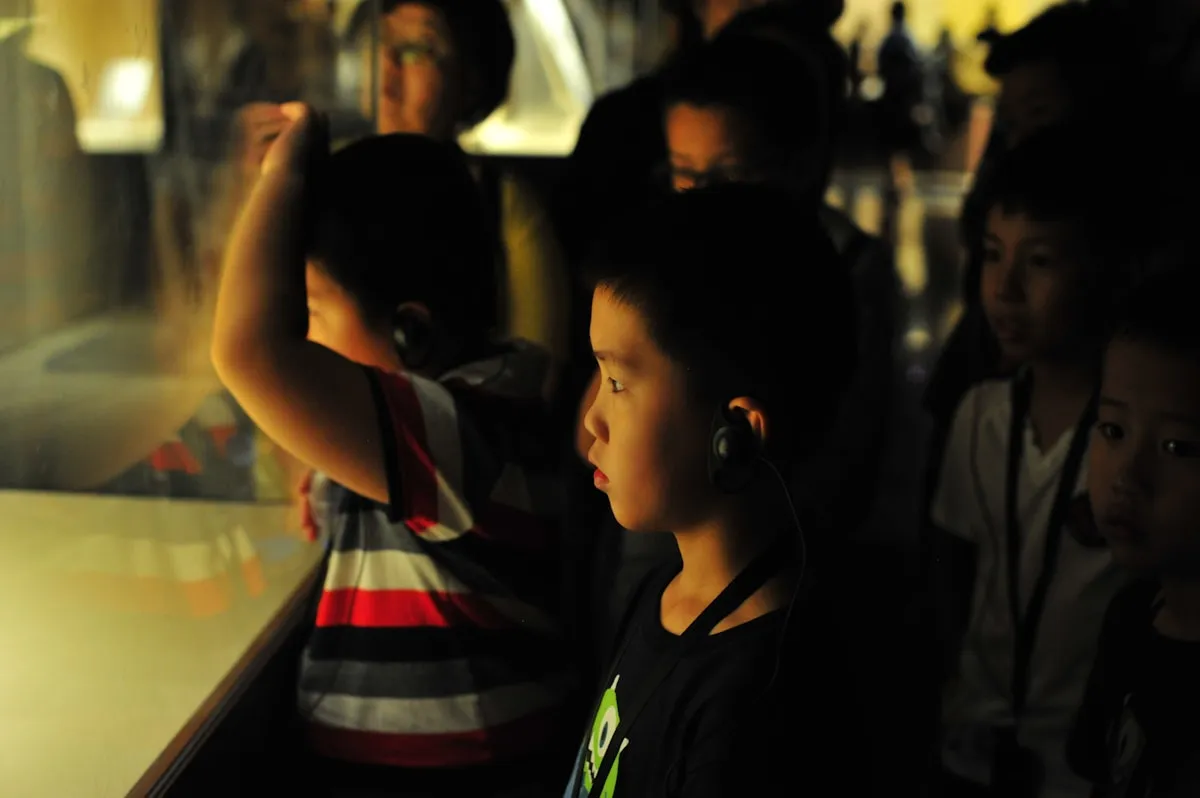 Families with children of all ages find engaging activities throughout the village
Best Times to Visit
Weekdays: Generally less crowded than weekends, allowing more personal interaction with interpreters and easier access to demonstrations.
Late Spring/Early Summer: Pleasant weather and fully operational programming make May-June an ideal visiting period.
September: School groups are common during weekdays, but weekends offer the autumn atmosphere without summer heat.
Special Events: Vintage Village of Lights and Halloween Hijinks provide unique experiences but require advance booking during popular dates.
For Families with Young Children
- Pace yourselves: The 100-acre property rewards slow exploration; don’t try to rush through everything
- Prioritize animals: Young children often find the heritage breed livestock most engaging
- Participate in hands-on activities: Interactive demonstrations like butter churning create lasting memories
- Check wagon ride schedules: The tractor-pulled wagon provides a welcome break for little legs
- Bring snacks: Limited food service means packing provisions is essential
For History Enthusiasts
- Engage interpreters: The costumed staff possess deep knowledge and welcome thoughtful questions
- Time demonstrations: Plan your route around scheduled activities like blacksmithing or printing
- Explore thoroughly: Some fascinating details exist in buildings that casual visitors might overlook
- Bring a camera: The authentic settings provide remarkable photo opportunities
For Photographers
- Morning light: Earlier visits offer softer lighting for building exteriors
- Cloudy days work well: Overcast conditions reduce harsh shadows
- Ask permission: When photographing interpreters or demonstrations, always request consent
- Heritage animals: Patient observation often yields charming animal photographs
Frequently Asked Questions
Q: When does Cumberland Heritage Village Museum open for the 2026 season?
The museum is currently closed for winter and will reopen in May 2026. Regular operating hours are Wednesday through Sunday, 10AM to 5PM, running from May through October. The museum is closed on Mondays and Tuesdays. Check the City of Ottawa website for exact opening dates as the season approaches.
Q: How much does admission cost?
Adult admission is $9.14, seniors (65+) and youth (6-17) pay $6.47, and children 5 and under enter free. Family passes covering two adults and dependent children are available for $23.15. These affordable prices make the museum an excellent value for the extensive experience offered.
Q: Is Cumberland Heritage Village good for young children?
Absolutely. The museum excels at engaging young visitors through hands-on activities, heritage breed animals, wagon rides, and interactive demonstrations. The one-room schoolhouse lessons particularly delight children curious about how students learned in earlier eras. Most programming suits ages 4 and up, though younger children also enjoy the animals and outdoor exploration.
Q: How far is the museum from downtown Ottawa?
The museum is approximately 30 minutes east of downtown Ottawa by car, taking Highway 174 to Old Montreal Road. From Orleans, the drive is only about 15 minutes. There’s no convenient public transit option, so visitors need personal vehicles or ride services.
Q: Are dogs allowed at Cumberland Heritage Village?
Due to the presence of heritage breed livestock throughout the property, pets are generally not permitted for the safety of both animals and visitors. Service animals are welcome. For a full guide to pet-friendly destinations, see our Dog-Friendly Ottawa Complete Guide.
Q: What should I wear to the museum?
Wear comfortable walking shoes suitable for outdoor terrain—the 100-acre property involves considerable walking on paths that may be uneven or muddy after rain. Dress in layers appropriate for the weather, as most activities occur outdoors or in unheated historic buildings. During summer, bring sun protection and water.
Q: How long should I plan to spend at the museum?
Most visitors spend 2-4 hours exploring the village. Families with young children often stay longer due to extended engagement with animals and activities. Adults focused primarily on architecture and history might complete a thorough visit in 2 hours.
Q: Can I take photographs at the museum?
Yes, photography for personal use is welcome throughout the museum grounds. When photographing costumed interpreters or demonstrations, asking permission first is courteous and usually granted.
Q: Is the museum wheelchair accessible?
The outdoor museum grounds present some accessibility challenges. While main pathways are generally manageable, historic buildings often have period-authentic features like steps, narrow doorways, and uneven floors. Contact the museum in advance to discuss specific accessibility needs and receive guidance about accessible areas.
Q: What is the Vintage Village of Lights event?
This special holiday event runs during November and December, transforming the heritage buildings into an illuminated winter wonderland. Admission is $26.14 per group of up to 6 people. It offers a magical evening experience quite different from regular daytime operations.
Q: Are there places to eat at the museum?
The museum has limited food service, so bringing snacks and water is recommended—especially for families with children. The nearby village of Cumberland offers dining options including Black Walnut Bakery for those wanting a proper meal before or after visiting.
Q: What makes Cumberland Heritage Village unique compared to other heritage sites?
Cumberland is the only museum in North America dedicated specifically to interpreting rural life during the 1920s and 1930s. While many heritage villages depict pioneer or Victorian eras, Cumberland captures the fascinating transitional period when traditional skills met early modernity—including the impact of the Great Depression on agricultural communities.
Final Thoughts
Cumberland Heritage Village Museum offers something increasingly rare in our digital age: an immersive, tangible connection to how previous generations lived, worked, and built community. The 100-acre property with its 28-29 heritage buildings, working machinery, and heritage breed livestock creates an experience that videos and photographs simply cannot replicate.
For families, the museum provides educational value wrapped in genuine entertainment. Children leave understanding aspects of history that classroom lessons struggle to convey—the physical labour of processing timber, the patience required to print a single page, the essential role animals played in daily survival. For adults, whether drawn by nostalgia, architectural interest, or historical curiosity, the authentic details and knowledgeable interpreters reward careful exploration.
At just $9.14 for adult admission or $23.15 for families, Cumberland Heritage Village represents remarkable value compared to many museum experiences. The combination of living history interpretation, working demonstrations, heritage animals, and optional attractions like the miniature steam trains creates a full day’s entertainment.
Currently closed for winter, the museum reopens in May 2026 for another season of transporting visitors back to 1920s rural Ontario. Mark your calendar, gather your family, and prepare to step through time into a world that shaped the Ottawa Valley we know today.
Sources: Cumberland Heritage Village Museum, City of Ottawa Museums
Related Articles: