Last Updated: February 1, 2026
Deep tissue massage in Ottawa isn’t about “hurting more” — it’s about getting to the muscle layers that actually cause the pain. If you sit all day, train hard, or carry old injuries, deep tissue is the style that makes the biggest difference, especially when you pair the right therapist with your body’s needs.
This guide maps the full Ottawa‑Gatineau deep tissue landscape: RMT clinics, sports‑rehab studios, and massage spas that actually deliver real deep tissue work, not light relaxation. You’ll see what 60‑ and 90‑minute sessions cost in each neighbourhood, who is best for athletes versus desk workers, and how to avoid non‑RMT spots that can’t issue insurance receipts. If you want a broader overview of massage options, see our Ottawa massage therapy guide or compare couples experiences in the couples massage guide.
Deep tissue is also one of the most variable services in Ottawa. One therapist will focus on slow, compressive pressure and myofascial release, while another may lean more into sports‑style intensity or Thai‑inspired stretches. That’s why this guide leans on who each clinic is best for rather than just price. It’s the difference between a one‑off relief session and a therapist who becomes part of your recovery routine.
Because the region is spread out, your “best” clinic may depend on commute rather than just quality. Downtown is easiest if you already work there; Kanata and Nepean are far easier for parking; Barrhaven is more family‑friendly; and Gatineau often wins on value if you don’t mind the bridge. Keep that in mind as you scroll — the right clinic is the one you can actually access consistently.
To use this guide, start by circling two or three clinics that fit your commute and your goal (athlete recovery, desk‑worker pain, or spa‑style reset). Then check whether they issue RMT receipts, compare 60‑ vs 90‑minute pricing, and look at booking windows. If you’re booking for the first time, choose a clinic that makes rescheduling easy — consistency matters more than a one‑off bargain.
Key Highlights
TL;DR: For value and strong hands, Gatineau’s clinics like ManoSPA and VitaMasso are hard to beat. For downtown convenience, Lori MacKay RMT and Ottawa Massage Therapy are straightforward picks. For rehab‑focused deep work, Ottawa Health (Glebe) and Balance Physiotherapy (Kanata) lead. For a luxe experience, Kōena Spa delivers deep tissue in a spa setting.
| Quick Facts | Details |
|---|---|
| Typical 60‑min price | $110–$160 (Ottawa‑Gatineau wide range) |
| Typical 90‑min price | $160–$240 |
| Best value area | Gatineau (often 5–10% less) |
| Best rehab focus | Sports clinics in Glebe/Kanata |
| Insurance receipts | RMT clinics only — always confirm |
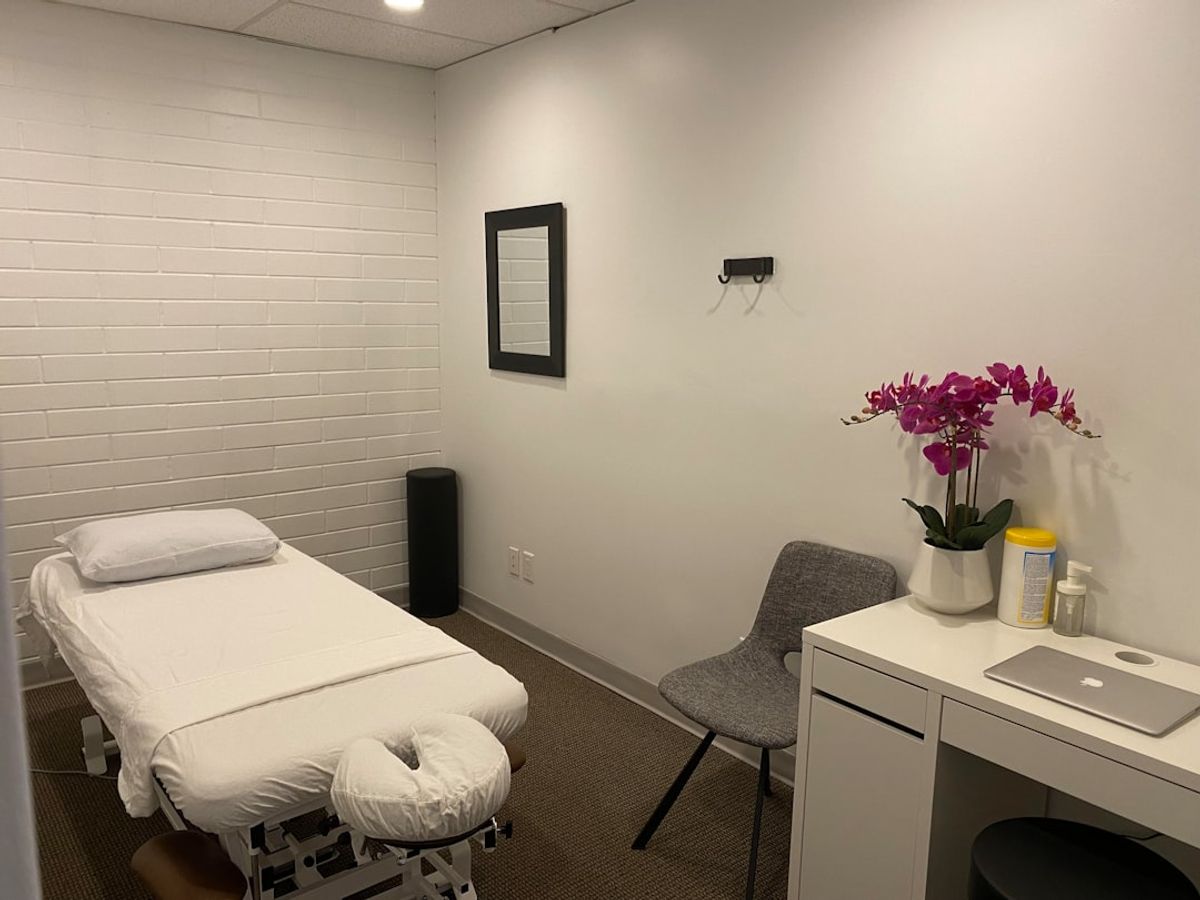
 Caption: Ottawa’s deep tissue scene ranges from rehab‑style clinics to spa‑grade treatments, so picking by goal matters.
If you’re deciding between a spa and a clinic, this guide leans toward clinics because deep tissue is most effective when it’s therapeutic and repeatable. Spas still have a place — especially for a reset — but consistency usually comes from clinics.
Deep Tissue Massage in Ottawa: What It Is (and What It Isn’t)
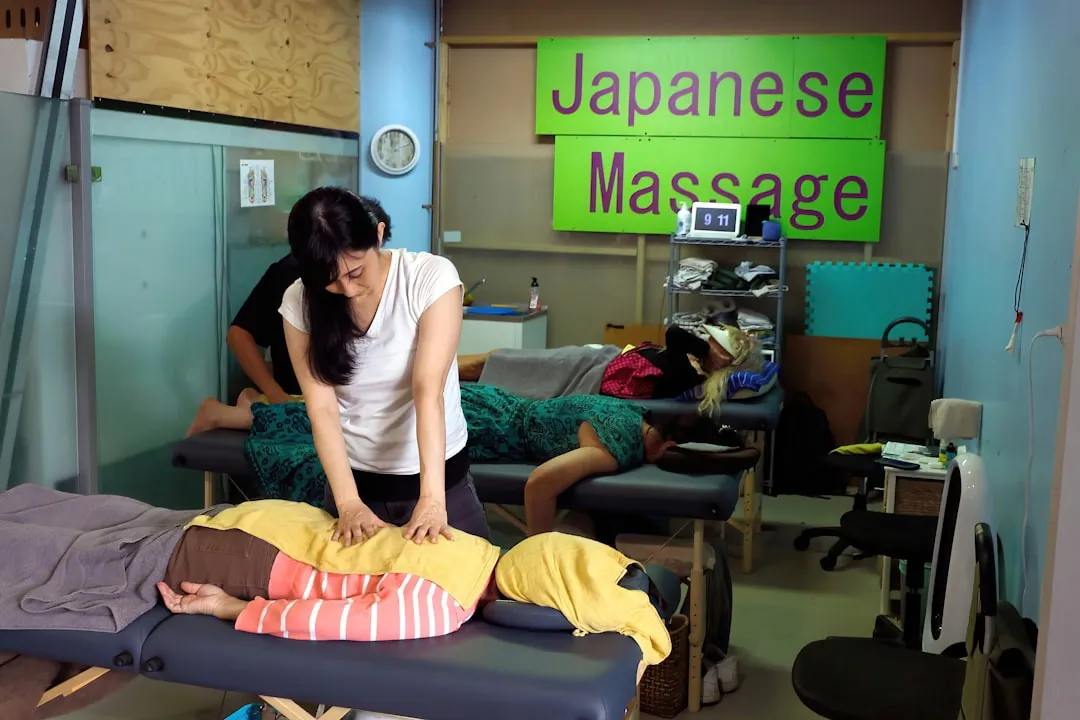 Caption: Deep tissue focuses on the deeper muscle layers and connective tissue, not just surface relaxation.
Deep tissue massage targets deeper muscle layers and connective tissues using slow, firm strokes to release chronic tension and knots. It’s not a “hard massage” for its own sake — the goal is lasting release, especially for shoulders, low back, hips, and neck. If Swedish massage is like a reset for circulation and relaxation, deep tissue is the tune‑up that changes how your muscles move.
Here’s the core difference in Ottawa clinics that offer multiple styles:
- Swedish massage uses lighter, gliding strokes for general relaxation and circulation.
- Sports massage is more performance‑oriented, with faster techniques for injury prevention and recovery.
- Trigger point therapy goes after specific painful spots for quick relief.
Deep tissue sits between therapy and performance. If you’ve had recurring tightness, chronic knots, or lingering injury stiffness, deep tissue is the lane that actually addresses those layers. For desk workers, that often means the upper back, neck, and hip flexors. For athletes, it’s usually calves, glutes, and shoulders. Most Ottawa clinics will ask you to describe the issue and scale pressure 1–10 so the treatment stays effective rather than overwhelming.
What deep tissue usually feels like in Ottawa clinics is a layered approach. Therapists start with broad warming strokes, then move deeper as tissue softens. If you feel sharp pain, that’s a signal to back off; steady, intense pressure is the goal. Over time, the best results come from consistent work rather than one brutal session. That’s why many clinics emphasize booking a series if your pain is chronic.
Quick comparison by use‑case:
| Type | Depth/Pressure | Best Use Case | 90‑Minute Fit |
|---|---|---|---|
| Deep Tissue | High | Chronic pain, fascia tightness | Excellent |
| Swedish | Low‑Medium | Stress relief, circulation | Good |
| Sports | Medium‑High | Performance, recovery | Excellent |
| Trigger Point | High (localized) | Referred pain relief | Strong |
One useful way to choose between styles is to think about time pressure. Deep tissue and sports massage benefit from longer sessions because therapists need warm‑up time before they go deep. Trigger point work can be effective in shorter windows, but it can feel sharper and more localized. Swedish is best when stress relief is the main goal rather than targeted recovery. If you’re unsure, start with deep tissue once, then adjust based on how your body responds the next day.
Deep tissue also tends to be more system‑wide, while trigger point is more surgical. If you can point to one precise knot, trigger point might be enough. If you describe your pain as “everything tight,” deep tissue is usually the better fit because it addresses multiple layers rather than a single spot.
If you have sciatic‑style pain or stubborn knots that keep returning, deep tissue is usually the more complete approach. If you want a lighter “reset,” Swedish or a spa‑style relaxation massage may be a better match — and that’s where the Ottawa spas guide becomes useful.
Safety, Contraindications, and Who Should Skip Deep Tissue
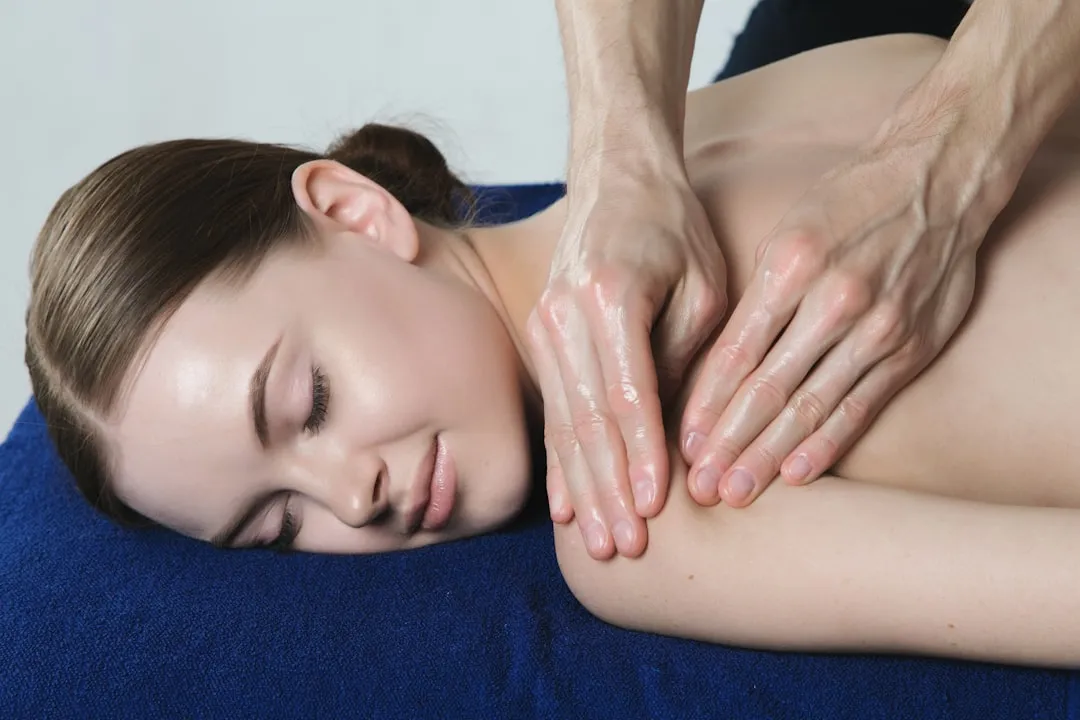 Caption: A quick intake conversation is where you set pressure, goals, and any medical precautions.
Deep tissue is powerful, but it isn’t for everyone. The pressure can worsen certain conditions, so the safest approach is to book only with an RMT and do a full intake. Avoid deep tissue if you have:
- Acute injuries or inflammation
- Blood clots
- Recent fractures
- Severe osteoporosis
- Uncontrolled hypertension
- Skin infections
It’s also not ideal during pregnancy without clearance, and some clinics advise extra caution beyond the first trimester or for heart‑related conditions. The rule of thumb is simple: if you’re not sure, ask the therapist before you book. A good RMT will adjust pressure and can suggest a more appropriate style if deep tissue isn’t safe for your situation.
If you bruise easily or are on blood‑thinning medication, bring that up during intake. A skilled therapist will reduce pressure or shift techniques. Deep tissue should feel productive, not punishing. You should leave feeling looser, not injured.
If you feel light‑headed or unusually sore after a session, that’s a signal to scale back next time. Deep tissue should challenge tissue, not overwhelm your nervous system. When in doubt, ask the therapist to explain why they’re working a certain area so you understand the goal of each technique.
In Ottawa, most reputable clinics include a short intake form. Don’t skip it. That’s where you mention medication, surgical history, or pain patterns. It also helps the therapist decide whether to focus on a single zone (like a locked‑up shoulder) or do broader tissue work.
Ottawa Price Map: What 60/90 Minutes Costs by Area
 Caption: Prices shift by neighbourhood, with downtown highest and Gatineau often best value.
Across Ottawa‑Gatineau, expect $110–$160 for a 60‑minute deep tissue session and $160–$240 for 90 minutes. Downtown (Centretown/ByWard) trends higher due to rent. Suburbs like Kanata and Nepean are typically 10–15% cheaper, while Gatineau often runs 5–10% less. Sports clinics can price higher due to specialization and rehab‑style assessment.
Real‑world examples from listings help explain the spread:
- Gatineau: 90‑minute deep tissue often lands $140–$160 (e.g., ManoSPA listings show $150 for 90 minutes; VitaMasso lists $160+).
- Centretown: 90‑minute sessions trend $150–$180, with central locations priced at the top of the range.
- Kanata/Nepean: 90‑minute sessions are commonly $130–$150, making them a strong value for drivers.
- Barrhaven: Many listings show $120–$140 for 90 minutes, especially at rehab‑focused clinics.
| Area | Avg 60‑min Price | Best For | Parking/Transit |
|---|---|---|---|
| Downtown/ByWard | $135–$150 | Urban pros, quick access | Tough parking, O‑Train easy |
| Westboro/Glebe | $130–$145 | Trendy athletes, rehab | Street pay, bus/walkable |
| Kanata/Nepean | $115–$130 | Tech workers, value | Free lots, longer buses |
| Orleans/Barrhaven | $110–$125 | Families, post‑injury | Ample parking |
| Gatineau | $115–$130 | Value seekers, bilingual | Rapibus fast, cheaper overall |
The other cost factor is travel time. Downtown clinics are easy if you already work in the core, but if you drive in just for an appointment, parking can erase the convenience. Suburban clinics are cheaper and often faster to access by car, while Gatineau becomes attractive for its price‑to‑quality ratio if you’re comfortable crossing the river.
Transit convenience also varies. If you rely on LRT or buses, downtown and ByWard clinics can be surprisingly efficient — you can often arrive without driving. If you drive, the west end is easier because most clinics have free lots. This is why many Ottawa residents choose a clinic that’s slightly less “famous” but easier to reach; consistency beats a perfect clinic that you only visit once a year.
If you’re heading downtown, consider park‑and‑ride or timing your appointment outside peak traffic. For west‑end clinics, free parking makes shorter sessions more realistic because you’re not adding a long commute on top of the treatment. These small logistics decisions can matter just as much as price when you’re trying to make deep tissue a regular habit.
Local booking patterns matter as much as pricing. Mid‑week mornings and late afternoons are the easiest booking windows, while evenings and weekends fill fast, especially for athletes and families. Downtown wait times can hit one to two weeks, while Orleans and Barrhaven are often faster. A common local tip: “Gatineau spots are cheaper and just as good, no HST difference hurts less.” — r/ottawa.
Apps like Fresha can show real‑time slots, but you still need to verify RMT status if you plan to claim insurance.
Who Deep Tissue Helps Most in Ottawa
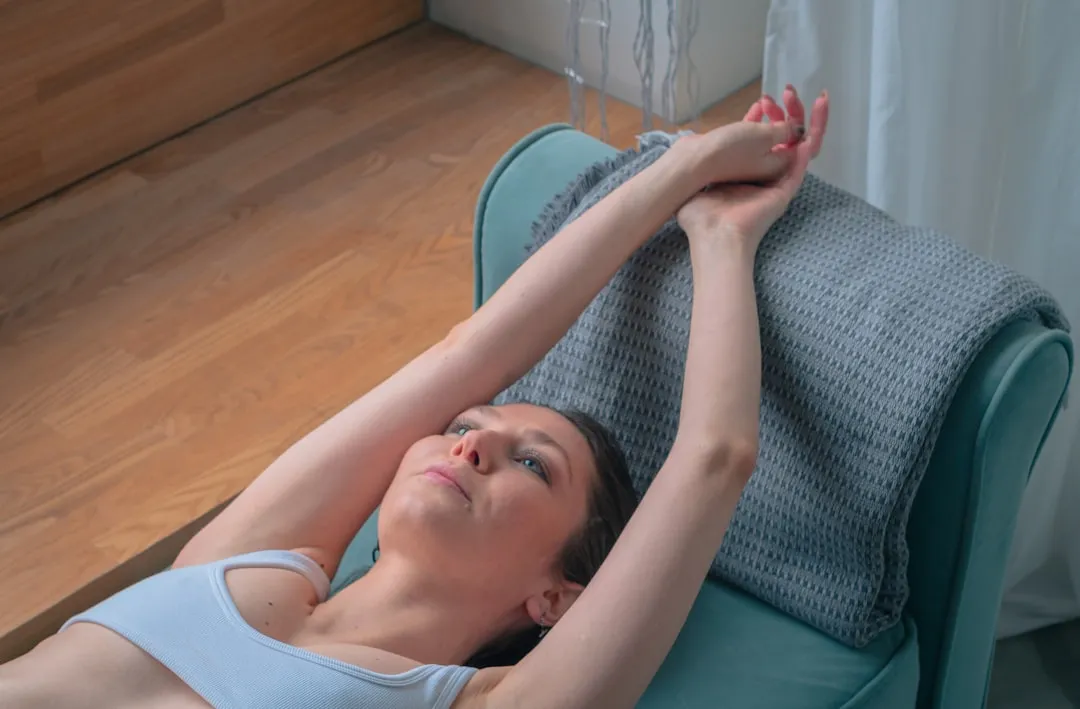 Caption: The best clinic depends on whether you’re a desk worker, athlete, or chronic‑pain client.
Desk workers and remote professionals tend to carry tension in the upper back, neck, and hips. Clinics that highlight myofascial work and posture‑focused care are usually the most effective, which is why places like Emendo (Kanata), Align (Centretown), and Healthy Choice (Nepean) are frequently chosen by office workers. These clinics focus on the exact zones that lock up after long hours of sitting.
Athletes and active clients benefit most from clinics that pair deep tissue with sports or rehab frameworks. Ottawa Health (Glebe), Balance Physiotherapy (Kanata), and Optimize (Barrhaven) are built around performance recovery rather than general relaxation. If you train regularly, deep tissue works best when it supports a plan — for example, scheduling a session after a heavier training week rather than right before a race.
Chronic pain and older clients often need deep tissue that is firm but controlled. Home‑style settings like Park RMT or calmer clinics like Centre Orchidée can be more comfortable than high‑energy sports clinics. Starting with 60 minutes is often smarter than jumping into a 90‑minute session if you’re unsure how your body will respond.
Spa‑leaning clients want the therapeutic benefits without losing the relaxation experience. That’s where Renu and Kōena stand out. They still offer deep tissue, but in an atmosphere that feels restorative rather than clinical. If your goal is both relief and calm, these are the best matches.
Families and busy parents tend to prioritize convenience and short wait times. South‑end clinics like Optimize and PhysioVive are often chosen because they’re easier to reach, have easier parking, and can fit a session into a tight schedule. If you’re juggling work and family, those logistics can matter more than a small price difference.
Finally, Gatineau is the wildcard for almost every category. For many Ottawa residents, the combination of lower prices and shorter waits makes the bridge trip worth it, especially when you want a longer session without downtown pricing.
How to Choose the Right Deep Tissue Therapist in Ottawa
 Caption: RMT status determines whether you can claim insurance — always verify.
Deep tissue results are less about brand and more about therapist fit. Ask these questions before you book:
- Are they RMTs (registered massage therapists) who can issue insurance receipts?
- How much deep tissue experience do they have vs. general relaxation work?
- Do they use myofascial release or trigger point techniques if needed?
- Are they comfortable working with your specific issue (desk‑worker neck, runner’s hips, post‑injury rehab)?
Red flags include a rushed intake, pressure to upsell unrelated add‑ons, or clinics that can’t provide RMT receipts. Yelp frequently flags non‑RMT “spas” in ByWard — stick with insured clinics when you need therapeutic deep tissue.
When you arrive, the intake conversation matters as much as the treatment. Ottawa therapists often use a pressure scale — if they ask “How is this?” it’s not small talk. Let them know if the pressure is too intense or not deep enough. The goal is effective pressure, not pain tolerance.
If insurance is important, confirm that the clinic issues RMT receipts and that the therapist is currently registered. Some spas offer massage services without RMT coverage, which can be fine for relaxation but won’t help with benefits. This is one of the biggest reasons people choose clinic‑style providers for deep tissue.
For transit, downtown clinics near uOttawa or Parliament are O‑Train‑friendly but often have metered street parking. Use the Honk app for parking. Kanata clinics usually have free lots, but Route 62/63 can be a long ride. Gatineau clinics link well via STO Rapibus and park‑and‑ride options, which makes them easier than people expect if you’re crossing the river for value.
Choosing Session Length: 60 vs 90 Minutes (and How to Build a Plan)
 Caption: Longer sessions give therapists time to work multiple zones without rushing.
The most common question Ottawa clients ask is whether a 60‑minute session is enough. The short answer: 60 minutes is great for one primary zone, while 90 minutes is best when you have multiple problem areas or want full‑body work without rushing.
Use 60 minutes when your pain is specific — for example, upper‑back tension from desk work or a single hip that locks after runs. Use 90 minutes when your pain is layered (back + hips + shoulders) or when you want your therapist to work slowly without cutting corners. The price jump usually adds $40–$80, but the value often makes sense if you’ve been sore for months.
A simple planning approach that Ottawa therapists often recommend:
- Phase 1 (reset): 2–3 sessions spaced 2–4 weeks apart
- Phase 2 (maintenance): monthly or every 6 weeks
This isn’t rigid — it’s a baseline. Athletes in peak training might book more frequently, while desk workers may find monthly sessions enough once the worst tension is gone. If your clinic offers both rehab‑style and relaxation‑style work, you can also alternate: one deep tissue session, then one lighter recovery session to keep tissue supple.
The other reason 90 minutes matter is transition time. It takes time for tissue to release. If your therapist spends 15 minutes warming up before deep work starts, the remaining window can feel tight in a 60‑minute appointment. With 90 minutes, there’s room for deeper work without feeling rushed.
If your budget only allows occasional sessions, 90 minutes can deliver the most noticeable change because the therapist can cover more ground. If you’re highly sensitive to pressure or new to deep tissue, start with 60 minutes so you can gauge how your body responds before committing to longer sessions.
Another practical approach is alternating lengths. Some Ottawa clients book a 90‑minute “reset” every few months, then use 60‑minute sessions in between to keep the tissue loose without a big expense. If cost matters, this rhythm gives you the depth of a long session without paying for it every time. The right pattern is the one you can keep consistent.
Gatineau & Ottawa‑Gatineau Deep Tissue Picks
 Caption: Gatineau clinics often deliver strong deep tissue at slightly lower prices.
Gatineau is Ottawa’s value zone for deep tissue. The clinics here are often bilingual and more likely to combine deep tissue with cupping, reflexology, or spa‑style relaxation. If you can handle a short cross‑river trip, the value is strong.
ManoSPA – Massage Therapy | Massothérapie
A quiet east‑Gatineau clinic with soft lighting and herbal tea energy, ManoSPA is built for office‑worker back pain and long‑term tension. Their deep tissue blends in myofascial work and the clinic emphasizes strong, controlled pressure rather than quick strokes.
- Address: 731 Alexandre‑Taché Blvd, Gatineau, QC J9A 3G4
- Hours: Mon–Fri 9 AM–9 PM; Sat–Sun 10 AM–6 PM
- Pricing: $120/60 min; 90‑minute listings show $150–$170
- Booking: Phone +1 819‑776‑6266 or online via Fresha
- Receipts: Available
- Techniques: Deep tissue, therapeutic, prenatal
- Parking/Transit: Free lot onsite; near Gatineau transit stops
- Best for: Desk‑worker back tension and chronic knots
- Pros: Bilingual care, cupping add‑on
- Cons: No walk‑ins
A local review sums it up: “Therapist nailed my knots—worth the drive from Ottawa.” — Google review. Another Fresha review adds, “Super professionnel et attentif. J’aime le dynamique aussi du staff.” That combination of strong hands and steady service is why ManoSPA appears in so many Gatineau recommendations.
ManoSPA’s long weekday hours (9 AM–9 PM) make it one of the most flexible Gatineau options for people who want after‑work appointments without racing across the bridge. The weekend schedule (10 AM–6 PM) is also generous for a clinic that leans therapeutic rather than purely spa‑style. If your main issue is desk‑worker back tension, those extended hours matter because they let you book on a day you’re already sore rather than waiting a week.
Booking through Fresha or by phone keeps it simple, and the free onsite lot removes the downtown parking stress. If you’re comparing 60 vs 90 minutes here, the 90‑minute pricing range ($150–$170) is worth it if you want full‑back plus hip or shoulder work, especially when the therapist is combining deep tissue with myofascial techniques. The bilingual environment is a nice bonus for clients who want service in English or French.
If you’re coming from Ottawa, ManoSPA is easiest to pair with other Gatineau errands because parking is stress‑free. The evening hours make it one of the few clinics that can handle a post‑work session without feeling rushed. If you’re deciding between 60 and 90 minutes here, the longer session is better when you want full back plus hips or shoulders in one appointment.
Réflexologie Gatineau – Cite Jardin Plus
This suburban clinic blends deep tissue with reflexology, which makes it ideal for runners or post‑injury clients who want full‑body reset rather than single‑area work.
- Address: 90 Rue de la Futaie, Gatineau, QC J8T 0B8
- Hours: Mon–Sat 9 AM–7 PM (best estimate from listings)
- Pricing: $115/60 min; 90‑minute pricing not publicly listed
- Booking: Phone +1 819‑665‑4218; about a one‑week wait
- Techniques: Deep tissue, reflexology, remedial work
- Parking/Transit: Street parking; local bus routes nearby
- Best for: Runners, post‑injury resets
- Pros: Remedial depth
- Cons: Limited hours
The most common review pattern is calm, targeted work: “Deep work fixed my IT band—game changer.” (Yelp) and “Great spot for targeted foot and tissue work in a calm setting.” (Google Reviews via Fresha listing). That makes it a good choice if you want deep tissue with a lower‑key atmosphere.
Réflexologie Gatineau is the most “full‑body reset” clinic on the Gatineau list because reflexology adds a second layer to the session. If you’re a runner or walker who tends to carry pain in calves, arches, or lower legs, this combination can feel more complete than a standard deep tissue session that only targets your upper body.
The hours listed (roughly 9 AM–7 PM) and the one‑week booking window mean it’s not a last‑minute clinic, but it is predictable. Street parking is typical for the area, and local buses make it workable without a car. If you want a calm atmosphere and a slower, methodical pace rather than a fast sports‑style treatment, this is the right lane.
This is a smart pick when your lower legs, feet, or calves are the main problem zones. The reflexology angle tends to slow the pace, which can feel more restorative than intense sports‑style deep work. If you want a heavy upper‑back session, you might prefer ManoSPA or Dinh instead.
Clinique VitaMasso
VitaMasso has a low‑key urban vibe and pairs deep tissue with Ayurvedic‑influenced techniques, including a foot‑massage combo that some clients use for full‑body recovery days.
- Address: 221 Chem. Freeman suite 110, Gatineau, QC J8Z 2A8
- Hours: Mon–Fri 8 AM–8 PM; weekends by appointment
- Pricing: $125/60 min; 90‑minute listings show $160+ to $180
- Booking: Online via clinic site or phone +1 819‑351‑7093
- Receipts: Yes
- Techniques: Swedish, lymphatic drainage, Lomi‑Lomi, deep tissue
- Parking/Transit: Free parking nearby; accessible via Gatineau buses
- Best for: Chronic pain and full‑body tension
- Pros: Foot massage combo
- Cons: Small space
If you want depth with a broader wellness mix, VitaMasso’s range of techniques makes it more versatile than many single‑style clinics. One clinic‑site testimonial describes it as “exceptional for deep therapeutic work and orthotherapy combo,” which suggests it’s a good choice for people who want both relief and structured recovery.
VitaMasso stands out for range. Deep tissue is available, but the clinic’s listings also highlight Swedish, lymphatic drainage, and Lomi‑Lomi, which means you can dial intensity up or down depending on how your body responds that week. If you’re recovering from a flare‑up, you can shift to a lighter style without changing clinics.
The longer weekday hours (8 AM–8 PM) give you early and late appointment windows, and weekend‑by‑appointment scheduling is useful for people who can’t fit a session into a workday. The 90‑minute price range ($160+ to $180) signals that the clinic views long sessions as true therapeutic work rather than just an add‑on. If you want a mix of deep tissue and recovery‑focused techniques, VitaMasso is the most versatile option in Gatineau.
Because VitaMasso offers multiple massage styles, it works well for people who need to alternate intensity levels across the month. One appointment can be deep tissue, the next can be a lighter recovery session, all within the same clinic. That flexibility is rare in smaller Gatineau studios.
Dinh Wellness Centre
A bright, sports‑oriented clinic with Thai elements, Dinh is geared to athletes who want pre‑game or rehab‑heavy deep tissue. It’s more energetic and active than a spa.
- Address: 71 Bd Saint‑Raymond, Gatineau, QC J8Y 1S3
- Hours: Daily 10 AM–8 PM
- Pricing: $130/60 min; 90‑minute listings show ~$140
- Booking: Phone +1 873‑788‑3464 or online
- Receipts: RMT insured
- Techniques: Deep tissue, Thai, sports, naturopathy integration
- Parking/Transit: Street parking; short walk from Saint‑Raymond transit
- Best for: Athletes and sports recovery
- Pros: Hot stone hybrid
- Cons: Busier vibe
Reviews capture the athletic angle: “Sports massage here beats downtown prices.” (TripAdvisor) and “Sports massage here fixed my chronic back pain effectively.” (Google Reviews). If you want rehab‑style intensity, Dinh is a strong Gatineau pick.
Dinh’s positioning is clear: deep tissue with sports and Thai influences in a high‑energy setting. If you want a relaxed spa vibe, this is not it. If you want a session that feels like part of a training plan, it is. Daily hours (10 AM–8 PM) make it easy to book around training or work schedules, and the phone‑or‑online booking approach keeps it flexible.
The pricing listed for 90 minutes (~$140) is comparatively accessible for a sports‑leaning clinic. That makes it attractive for athletes who need longer sessions but don’t want downtown pricing. The street‑parking environment is typical for Saint‑Raymond, and the short walk from transit helps if you don’t drive.
If you’re recovering from training or frequent gym sessions, Dinh’s sports‑leaning style keeps the focus on performance rather than pampering. The trade‑off is less of a spa feel — you go here to fix a problem, not to drift into relaxation.
Centre Orchidée
If you want a more artistic, relaxing space, Centre Orchidée combines deep tissue with a calming atmosphere. It’s a stress‑recovery pick rather than a sports‑recovery clinic.
- Address: 14 Rue Jeanne‑d’Arc, Gatineau
- Hours: Mon–Sat 9 AM–7 PM
- Pricing: $120/60 min; 90‑minute pricing not listed
- Booking: Phone +1 819‑600‑1230
- Techniques: Deep tissue, relaxing, foot massage, remedial work
- Parking/Transit: Free lot; Jeanne‑d’Arc bus proximity
- Pros: Unique, artsy environment
- Cons: Extra add‑ons can be pushed
A Fresha review reads, “Holistic deep tissue with great energy.” If you want calm, this is the most serene option in the Gatineau list.
Centre Orchidée leans more restorative than athletic. The artistic setting and “good energy” reviews align with a calm, low‑pressure feel. That makes it a good choice for people who want deep tissue without a clinical or high‑intensity sports atmosphere.
Because pricing and hours are listed but 90‑minute details aren’t, this is best for people who want a standard 60‑minute deep tissue session as a regular stress‑management routine. The free lot and Jeanne‑d’Arc bus proximity are small but meaningful advantages if you’re trying to avoid downtown parking altogether.
Centre Orchidée is best viewed as a calm, slower‑paced deep tissue option. If you want aggressive pressure, ask up front and confirm the therapist’s approach. Otherwise, this clinic is ideal for stress‑heavy weeks when you want depth without intensity.
MassOterra
MassOterra is for clients who want deep tissue plus movement culture, blending massage with a yoga‑style studio feel.
- Address: 140 B Principale St, Gatineau
- Pricing: $125/60 min
- Receipts: Insured
- Pros: Combo classes available
- Cons: Group‑feel environment
It’s a strong fit for people who like the idea of massage as part of a broader wellness routine rather than a standalone appointment.
MassOterra’s draw is the wellness‑studio feel. If you like combining massage with movement culture, the yoga‑integrated identity will feel natural. It’s not the most clinical option, but it is a solid fit for people who think of massage as part of a broader routine.
The trade‑off is that a group‑feel environment may not work for clients who want a private, silent setting. If you want deep tissue that pairs with ongoing flexibility or mobility work, this is the most aligned clinic on the list.
MassOterra shines when you want massage as part of a wider wellness routine. If you already attend yoga or mobility sessions, the studio feel will feel familiar. If you want a silent, clinic‑like treatment room, this may feel too social.
Kōena Spa (Ottawa‑Gatineau)
Kōena is the luxe option — a spa where deep tissue is layered into a larger thermal experience. It is not the budget pick, but it’s the right option if you want deep work in a full spa day.
- Pricing: $125/60 min deep tissue
- Receipts: Vary (confirm before booking)
- Pros: Spa‑grade ambiance
- Cons: Spa pricing, less clinical focus
For more spa‑style options, compare with the Ottawa spas guide or the Nordic spa guide.
Kōena is the spa‑day option: deep tissue placed inside a thermal‑circuit experience. That is ideal for people who want deep work but also want the calm of a full spa environment. The 60‑minute price listed ($125) reflects spa positioning rather than rehab intensity.
Because receipts can vary, this is a venue to confirm RMT status before booking if insurance is important. If you want the experience of deep tissue without the clinical setting, Kōena is the Ottawa‑Gatineau standout.
Kōena works best as a destination visit rather than a routine rehab clinic. If you’re planning a special day or want to pair deep tissue with pools and thermal circuits, it makes sense. If you want strict rehab focus, pick a clinic‑style option instead.
Downtown, ByWard, and Centretown Deep Tissue Options
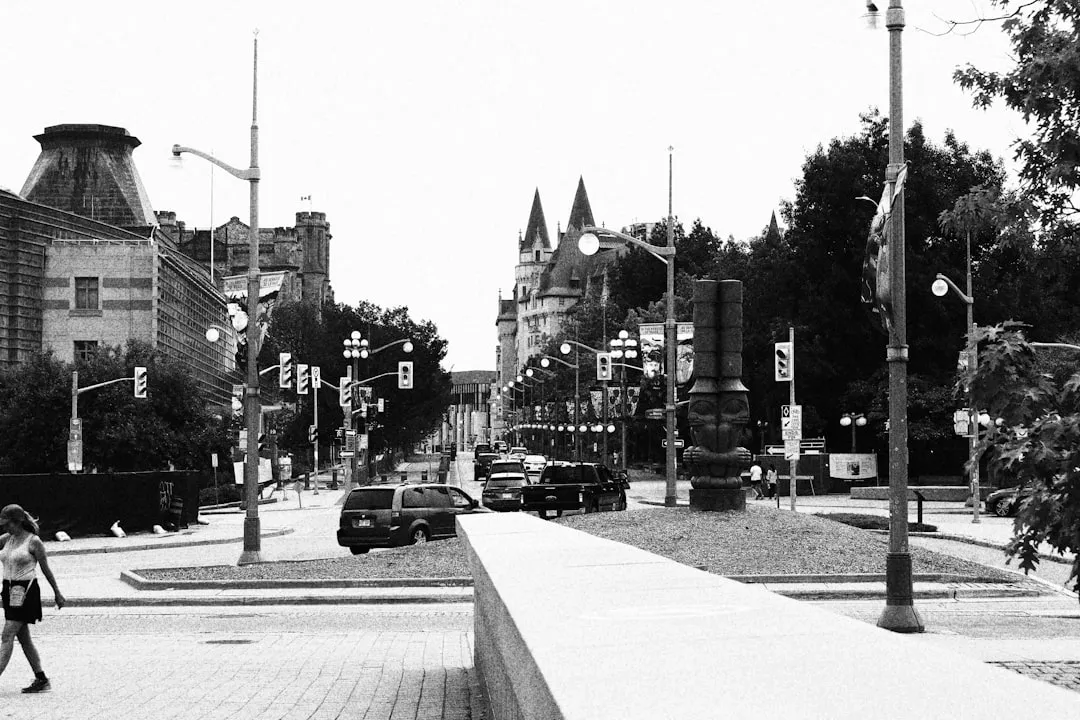 Caption: Downtown options are convenient but book up fast and trend higher in price.
Downtown clinics are about access and convenience. They’re perfect for office workers who want to book a session before or after work, but they also tend to have longer waitlists. If you can book midweek mornings, you’ll often get faster access.
Lori MacKay RMT (ByWard)
This is a downtown, no‑frills option near the market — ideal for people who want a solid session without the spa extras.
- Address: 418 Rideau St, Ottawa, ON K1N 5Z1
- Pricing: $135/60 min
- Focus: Lymphatic‑deep tissue for urban stress
- Receipts: Insurance ok
- Booking: Call to book
- Best for: City‑core workers who need fast access
- Pros: Central location
- Cons: Street noise
“Personalized, no frills excellence.” — Yelp. If you want deep tissue that stays focused on the core problem without frills, this is the kind of clinic that delivers.
Lori MacKay RMT is best described as a direct, downtown‑core option for people who want a focused session without a lot of spa extras. The ByWard location makes it ideal for people who work or live nearby and want to keep the appointment short and efficient.
The trade‑off is the classic downtown issues: street noise and parking friction. If you’re walking from nearby offices or using the O‑Train, it’s a convenient pick. If you’re driving from the suburbs, it’s less practical than west‑end clinics with free parking.
For downtown employees, this is the easiest “walk in the neighbourhood” appointment. It’s not designed for long spa‑style stays, but it’s efficient if your goal is direct, focused relief during a work week.
Ottawa Massage Therapy (Downtown)
A rehab‑heavy, clinical environment focused on pain management. Many clients book here for chronic issues, especially when they want massage paired with exercise‑style rehab.
- Pricing: $135/60 min; listings show around $155 for 90 minutes
- Receipts: Insured
- Booking: Online
- Pros: Holistic + exercise add‑ons
- Cons: Waitlists
This is the right downtown pick for people who treat massage as part of long‑term rehab, not just a single session.
Ottawa Massage Therapy positions itself as a rehab‑leaning clinic rather than a relaxation studio. The references to exercise add‑ons and pain‑management focus suggest it’s best for long‑term issues that need ongoing tracking rather than one‑off relief.
The listings that show around $155 for 90 minutes reflect the downtown premium, but the upside is proximity if you work in the core. If you’re willing to book ahead and want a consistent, structured recovery path, this is the downtown clinic that leans most therapeutic.
If you’re treating massage like part of a rehab plan, the clinical tone is a plus. Expect a more structured session and a straightforward treatment space rather than boutique ambience.
Align Massage Therapy (Centretown)
Align is a small studio focused on alignment‑based deep tissue, which makes it a smart pick for posture‑related issues and desk‑worker tension.
- Pricing: $125/60 min
- Receipts: Yes
- Booking: Book ahead
- Pros: Tailored sessions
- Cons: Solo‑therapist capacity
If you’ve spent years on a laptop, this is the type of clinic that concentrates on posture mechanics rather than just soreness.
Align is a smaller, alignment‑focused studio, which usually means more tailored sessions but fewer appointment slots. That is great if you want a therapist who remembers your posture patterns and returns to the same problem zones over multiple visits.
Because capacity is limited, booking ahead is important. This is not a quick same‑day clinic; it’s a place you pick when you want a consistent, posture‑focused plan that you can repeat month after month.
Align’s smaller scale means sessions can feel personal and consistent, but booking early is essential. This is a good option if you want a therapist who tracks progress over time and stays focused on posture correction.
relax. Massage Group (Downtown)
The Kent Street clinic is part of a larger network, so if you need consistent insurance‑friendly sessions, this is a reliable chain option.
- Location: 195 Kent St (downtown)
- Pricing: $130–$150/60 min
- Receipts: RMT everywhere
- Booking: App booking; minimal waits
- Pros: Reliable network
- Cons: Less unique feel
“Best chain in Ottawa—insurance gold.” — r/ottawa. For people who need repeatable scheduling, this is the most dependable downtown option.
For neighbourhood context, compare with the ByWard Market guide and the Ottawa neighbourhoods guide.
relax. Massage Group is the efficiency pick. The downtown Kent Street clinic is part of a broader network, so if your therapist is away or your schedule shifts, you can often find a slot at another location. That reliability is a big reason it is so popular with insurance‑based clients.
The trade‑off is that the experience is more standardized than boutique studios. If you like consistent service and easy booking, the app‑based system delivers that.
The downtown branch is ideal if you want predictable booking and insurance receipts without researching boutique studios. It is not the most unique setting, but it is the most dependable for repeat appointments.
Hintonburg, Glebe, and Westboro Clinics
Caption: West‑central Ottawa blends rehab clinics with boutique massage studios.
If you live west‑central, this is the best mix of rehab and boutique clinics. These spots are ideal for professionals who want strong deep tissue without leaving the neighbourhood.
For neighbourhood context, compare the Westboro guide and the Glebe guide so you can plan a clinic visit around the area’s shops and parking patterns.
Renu Massage Therapy and Spa (Hintonburg edge)
Renu blends spa calm with therapeutic work and includes infrared sauna alongside RMT deep tissue — a big plus for desk‑worker recovery days.
- Address: 1432 Wellington St. W, Ottawa, ON K1Y 0X7
- Pricing: $140/60 min, $200/90 min
- Receipts: Provided
- Booking: Online via Fresha; 1–2 week wait
- Pros: Urban retreat feel
- Cons: Pricier
“Deep tissue + sauna = ultimate unwind.” — r/ottawa. If you want a treatment that feels like a full reset, this is the closest blend of therapy and spa in west‑central Ottawa.
Renu is the west‑central clinic that feels closest to a boutique spa while still delivering real RMT deep tissue. The infrared sauna add‑on and warm, wood‑accented atmosphere make it the “treat yourself” option that still qualifies for receipts.
The price is higher, and the 1–2 week wait is real, but for people who want both therapeutic depth and a calming environment, Renu is worth the trade‑off. It’s especially good for desk workers who want a full reset rather than a quick in‑and‑out session.
Renu is the clinic you choose when you want deep tissue plus a mood reset. The infrared sauna add‑on and calm atmosphere make it more restorative than a purely clinical environment, but the price reflects that.
Ottawa Health: Performance and Rehab (Glebe)
This clinic is built for post‑injury athletes and people who want massage paired with a physio‑style assessment.
- Address: 1535 Bank St, Ottawa, ON K1H 7Z1
- Pricing: $150/60 min
- Receipts: Full insurance
- Booking: Online; moderate waits
- Pros: Team‑based approach
- Cons: Assessment fee extra
If you want deep tissue aligned to rehab goals rather than just relief, Ottawa Health is the strongest Glebe pick.
Ottawa Health’s deep tissue sessions are framed inside performance and rehab. The presence of a physio assessment option signals a more clinical, goal‑driven approach, which is why it fits athletes and post‑injury clients best.
If you want a therapist to simply “dig in,” many clinics can do that. If you want your deep tissue to align with rehab milestones, Ottawa Health is a better fit. Expect structured sessions rather than spa ambience.
This is the place to go when you want deep tissue aligned to rehab goals rather than general relaxation. If your budget allows, it’s one of the best clinics for post‑injury structure.
Anatomy Physiotherapy (Westboro)
A sporty, trendy Westboro clinic focused on sports myofascial work.
- Address: 205 Richmond Rd #109, Westboro
- Pricing: $145/60 min
- Pros: Excellent location for active pros
- Cons: “Hipster wait” at peak times
If you’re pairing recovery with movement, compare local studios in the yoga studios guide or fitness options in the gyms guide.
Anatomy is a Westboro‑centred clinic for active clients. The sports‑myofascial framing means the sessions are likely focused on mobility, tissue quality, and performance rather than relaxation. It fits the Westboro demographic: people who work out regularly and want recovery work close to home.
The main drawback is peak‑time waits. If you can book earlier in the day or mid‑week, you’ll have a smoother experience.
Anatomy fits people who already train and want their recovery work close to Westboro’s fitness corridor. It’s not a budget pick, but it’s local, sports‑focused, and convenient if you live nearby.
Kanata & Nepean Clinics
 Caption: Kanata and Nepean clinics are value‑friendly, with easier parking and shorter waits.
The western suburbs deliver easier parking, shorter waitlists, and better pricing. If you drive, this is the most convenient deep tissue lane.
Emendo Massage Therapy (Kanata)
Known for acupressure‑deep tissue and tech‑worker shoulder relief.
- Address: 320 Eagleson Rd, Ottawa, ON K2M 1C9
- Pricing: $120/60 min; listings show ~$135 for 90 minutes
- Receipts: RMT
- Booking: Online; short waits
- Best for: Desk workers with neck/shoulder tension
- Pros: Remedial focus
- Cons: Strip‑mall location
“Fixed my WFH neck pain fast.” — Google. Emendo’s strength is consistent, practical relief for the people who spend all day at a desk.
Emendo is the classic Kanata fix for shoulder and neck tension, especially for tech workers. The acupressure‑deep tissue approach is good for people who hold stress in the upper back and want targeted release rather than a full spa‑style treatment.
Pricing for 90 minutes is relatively accessible in the west end, and online booking keeps it convenient. If you want deep tissue that feels practical rather than indulgent, this is the right lane.
Emendo is the most practical choice for Kanata residents who want real relief without traveling downtown. The acupressure influence makes it especially effective for neck and shoulder issues tied to desk work.
Balance Physiotherapy & Sports Injury (Kanata)
High‑energy sports clinic for marathoners and athletic recovery.
- Address: 120‑G1 Terence Matthews Cres, Kanata, ON K2M 0J1
- Pricing: $145/60 min
- Techniques: Trigger‑point deep tissue for sports recovery
- Booking: Online; 2‑week peak waits
- Pros: Injury expertise
- Cons: Sports‑only vibe
If you need rehab‑heavy deep tissue that aligns with a training plan, Balance is the clearest sports‑first option in the west end.
Balance is for the athlete who wants deep tissue to serve a training plan. The sports‑only vibe can feel intense if you want relaxation, but it’s a plus for people who need performance recovery. The two‑week wait at peak times shows demand.
If you’re training for a marathon or dealing with a repetitive‑strain issue, Balance’s injury‑first focus makes it one of the most purpose‑built clinics on the list.
If you’re an endurance athlete, Balance offers the most direct line between deep tissue and performance recovery. It is not the right place if you want a relaxed spa vibe — this is a recovery clinic first.
Healthy Choice Massage Therapy (Nepean)
A quiet, suburban clinic for chronic pain and myofascial deep work.
- Address: 1827 Woodward Dr Unit 202, Ottawa, ON K2C 0P9
- Pricing: $115/60 min
- Receipts: Yes
- Booking: Phone/online; easy access
- Pros: Affordable
- Cons: Basic setup
Healthy Choice is ideal when you want effective deep tissue without the boutique price tag.
Healthy Choice is the straightforward value option. The pricing is lower, the environment is simple, and the focus is on myofascial deep work rather than boutique extras. That makes it ideal for people who want consistent relief without paying for a spa atmosphere.
If you are new to deep tissue, this is also a lower‑risk place to start because the sessions are cost‑effective and the booking process is easy.
Healthy Choice keeps things simple: effective deep work at a lower price point. It’s a good long‑term option for people who need regular treatment and want to keep costs in check.
relax. Massage Group (March Rd / Greenbank)
The chain’s Kanata and Nepean sites are a good choice if you need consistent insurance‑friendly sessions.
- Locations: March Rd (Kanata), Greenbank (Nepean)
- Pricing: $130–$150/60 min
- Receipts: RMT everywhere
- Booking: App booking; minimal waits
- Pros: Reliable
- Cons: Less unique feel
The Kanata and Nepean locations give the relax. Massage network its suburban convenience. If you’re in the west end, it means you can book without driving downtown, and you still get receipts and standardized service.
The experience is not boutique, but the reliability is excellent if you need repeat appointments to keep pain under control.
The west‑end relax. locations are ideal for people who want chain reliability without driving into downtown traffic. The standardized service makes it easy to maintain a steady massage schedule.
Barrhaven & South‑End Options
 Caption: South‑end clinics are family‑friendly and often easier to book.
Optimize Ottawa (Barrhaven)
A team‑based sports medicine clinic built around rehab. Deep tissue here is ideal for people recovering from injury who want integrated care.
- Pricing: ~$140/60 min
- Receipts: Insured
- Booking: Online
- Pros: Integrated care
- Cons: South‑end only
Optimize Ottawa is a rehab‑style clinic where massage is part of a broader sports‑medicine strategy. That’s why it’s best for post‑injury clients and athletes who want a structured plan rather than a relaxation session.
If you’re in Barrhaven, it’s a convenient local option that still delivers the depth of a performance clinic without forcing a downtown commute.
Optimize is best for clients treating deep tissue as part of a bigger rehab plan. If you’re recovering from an injury or training for a sport, this clinic’s team‑based approach is the advantage.
PhysioVive (Barrhaven)
Family‑friendly clinic with Thai‑deep blends, often used by active families and weekend athletes.
- Pricing: $120/60 min
- Receipts: Insured
- Booking: Quick booking
- Pros: Family‑friendly
- Cons: Basic setup
PhysioVive combines family‑friendly accessibility with Thai‑style deep tissue. That blend makes it a good pick for active families who want serious tissue work without a clinical feel.
If you’re booking for a household with different needs — one athlete, one desk worker — this clinic can accommodate both without changing locations.
PhysioVive is a flexible option for households with mixed needs. The Thai‑deep blend gives you depth without feeling overly clinical, which works well for families or weekend athletes.
Park RMT (Ottawa residential)
A homey, residential setting for gentler deep work, often preferred by older clients or those with chronic pain who want a quieter clinic.
- Address: 1836 Lorraine Ave, Ottawa
- Pricing: $115/60 min
- Focus: Reflex‑deep combinations and chronic‑pain support
- Pros: Gentle intensity
- Cons: Residential location
Park RMT’s homey, residential setting changes the whole experience. It’s quieter, less crowded, and usually more comfortable for older clients or those who find big clinics overwhelming.
The gentler intensity is not a negative — it simply means the therapist prioritizes controlled pressure rather than aggressive force. For chronic pain clients who need calm and consistency, that is a big advantage.
Park RMT suits clients who want a quieter setting and a gentler pace. It’s a strong choice for older adults or anyone who prefers a more personal, less commercial environment.
Comparison: Best Deep Tissue Massage Picks by Need
Caption: Use this table to match your goal to the right clinic type.
| Need | Best Picks | Why It Fits |
|---|---|---|
| Best value | ManoSPA, VitaMasso, Gatineau clinics | Lower prices with strong deep tissue |
| Downtown convenience | Lori MacKay RMT, Ottawa Massage Therapy | Easy to reach, central |
| Rehab‑focused | Ottawa Health, Balance Physiotherapy, Optimize Ottawa | Assessment + performance recovery |
| Spa‑like experience | Kōena Spa, Renu Massage Therapy | Relaxation + deep work |
| Desk‑worker tension | Emendo, Align, Healthy Choice | Myofascial and posture focus |
After‑Care and Recovery Timeline
 Caption: Deep tissue works best when you support recovery for 24–72 hours after.
Deep tissue almost always brings post‑session soreness. That’s normal. Plan for a light recovery day with hydration and gentle movement. Many therapists suggest planning your session mid‑week so you can recover without rushing into a heavy training day.
- Hydration: Drink water after treatment; some clinics recommend 2–3L for the day.
- Soreness window: 24–48 hours is common, sometimes 24–72.
- Movement: Light stretching or a foam roller helps maintain release.
- Avoid: Intense workouts or heat immediately after; ice if needed.
- Skip: Caffeine or alcohol right after treatment to help recovery.
Cat‑cow or other gentle spine‑mobility stretches are common favourites for keeping the tissue loose without overstressing it.
If you have a workout schedule, treat deep tissue like a hard training day: give yourself time to recover, sleep well, and avoid stacking heavy lifting or long runs immediately after. A light walk or gentle mobility session can help tissue settle without re‑tightening.
Many Ottawa clients plan deep tissue the day before a rest day, so their body can recover without pressure. If you notice lingering soreness past 72 hours, that’s a sign to reduce intensity next time or shorten the session length.
Frequently Asked Questions
 Caption: Clear answers help you book the right session the first time.
Q: How do I know if deep tissue is right for me?
If you have persistent knots, chronic tension, or post‑injury stiffness, deep tissue is usually the right fit. If you just want relaxation, Swedish may be a better match. Deep tissue is most helpful when a specific area consistently flares up, like neck tension from desk work or hip tightness after running.
Q: Can I claim deep tissue massage on insurance?
Only if the treatment is performed by an RMT. Always confirm RMT status before booking, especially at spas. If you need a guaranteed insurance receipt, clinic‑style practices are safer than pure spa venues, and the receipt should include the therapist’s registration number.
Q: How much should I expect to pay in Ottawa?
Most 60‑minute sessions fall between $110 and $160, with 90‑minute sessions around $160–$240 depending on area and specialization. Gatineau and suburban clinics tend to be cheaper than downtown, while sports‑rehab clinics can be slightly higher because of their specialization.
Q: Is deep tissue supposed to hurt?
It should feel intense but controlled. Good therapists check pressure and adjust. Sharp pain is a red flag, and you should ask them to back off. The goal is release, not a pain tolerance test — if you’re holding your breath, the pressure is probably too high.
Q: How often should I go for deep tissue?
For chronic issues, many clients book every 2–4 weeks. For maintenance, monthly is common. If you’re in rehab, you may go more frequently for a short stretch and then shift to maintenance. Many people start with a short series of sessions, then space out once the pain is under control.
Q: Are Gatineau clinics worth the trip?
Yes — prices are often 5–10% lower and bilingual therapists are common. If you drive, the value can be excellent. Gatineau clinics also tend to have shorter wait times compared with downtown Ottawa.
Q: What should I avoid after a session?
Avoid intense exercise and heat. Give your body 24–72 hours to recover. Light movement is good; heavy training is not. Hydration and sleep matter as much as the session itself.
Q: What’s the difference between deep tissue and sports massage?
Deep tissue targets deep layers for chronic tension; sports massage is faster and performance‑focused. Sports massage often includes movement or stretching techniques, while deep tissue is slower and more compressive.
Q: What’s a red flag when booking?
No RMT receipts, rushed intake, or heavy upselling of unrelated add‑ons. If a clinic won’t answer basic questions about RMT status or pricing, that’s a sign to book elsewhere.
Q: Which areas are easiest for parking?
Kanata, Nepean, Barrhaven, and most Gatineau clinics have free or easier parking than downtown. If you want to avoid metered downtown spots, the suburbs are much less stressful.
Q: Is a 90‑minute session worth it?
For full‑body deep tissue or chronic multi‑area tension, 90 minutes is worth the extra cost. It gives the therapist time to work more than one problem zone without rushing and often leads to better long‑term relief.
Q: How do I prep before my appointment?
Arrive a few minutes early, hydrate lightly, and make note of your main pain zones. If you have specific goals (for example, training for a race), tell the therapist up front so they can focus the session. The clearer you are about your goal, the more precise the session will be.
Q: Should I book with a spa or a clinic?
Clinics are the safer pick for therapeutic deep tissue because RMT receipts are standard and the focus is usually rehab‑oriented. Spas can be great if they offer RMT treatment, but you should verify coverage before booking.
Q: Can I combine deep tissue with other techniques?
Yes. Several Gatineau clinics combine deep tissue with reflexology or Thai‑influenced work, and some offer cupping add‑ons. Combining techniques can be useful if you want both relief and recovery, but make sure the therapist understands your primary goal.
Q: How do I confirm RMT status?
Ask directly when booking and confirm that a receipt will include the therapist’s registration number. If the clinic doesn’t provide RMT receipts, it’s a sign you should not rely on it for insurance‑covered deep tissue.
Q: Do I need to book ahead?
In Ottawa, the answer is usually yes. Popular RMTs often book one to two weeks out, especially in the downtown core and on evenings or weekends. Mid‑week mornings are the easiest times to find availability.
Q: If I only have 60 minutes, what should I focus on?
Choose one primary zone and let the therapist know that zone is the priority. A focused 60‑minute session on upper back, hips, or neck will usually feel better than trying to cover everything quickly. If you have multiple problem areas, plan a longer session or split them across two appointments.
Final Summary
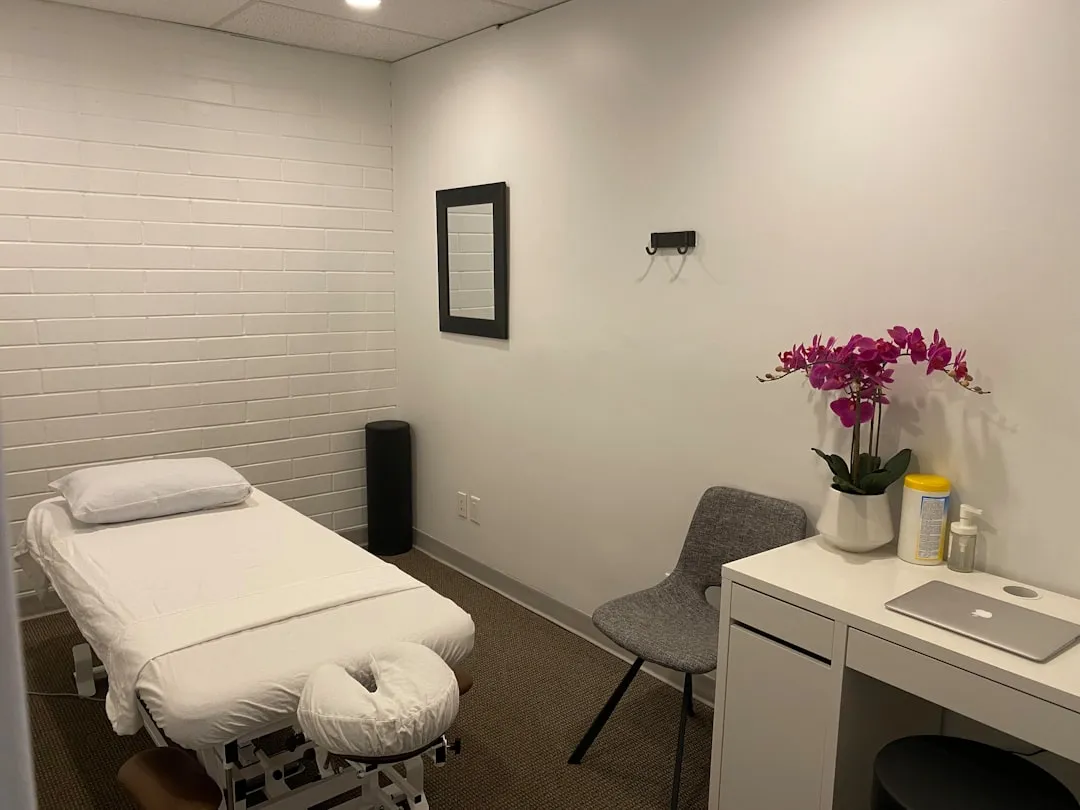 Caption: The right deep tissue therapist makes a long‑term difference, not just a short‑term fix.
Deep tissue massage in Ottawa is strongest when you match your goal to the right clinic type. Downtown offers convenience, west‑central neighbourhoods offer a mix of rehab and boutique options, and Gatineau often brings the best value for strong, consistent deep work. If you need rehab‑heavy sessions, sports clinics like Ottawa Health or Balance Physiotherapy shine. If you want a spa‑grade experience, Kōena or Renu are the clear picks. And if you want consistent insurance‑friendly care, relax. Massage Group is a dependable network.
The key is simple: verify RMT status, book the right session length, and plan after‑care. When those pieces are right, deep tissue becomes more than relief — it becomes a lasting reset for how your body moves through Ottawa life.
If you’re new to deep tissue, start with a clinic that fits your commute and your comfort level, then adjust based on how your body responds. Ottawa has enough variety that you can find a therapist who matches your goals — whether that’s recovery, pain relief, or simply feeling less tight in daily life.
The best long‑term outcome comes from small consistency: a clinic you can reach easily, a therapist who understands your pain pattern, and a cadence that fits your budget. Deep tissue isn’t a one‑time fix; it’s a tool you can use to keep your body moving better year‑round.
Sources: fresha.com, relaxmassagegroup.com, optimizeottawa.com, alignyourbody.com, ottawamassagetherapy.ca, koenaspa.com, yelp.com, tripadvisor.ca, vitamasso.com, dinhwellnesscentre.com