

Last Updated: December 26, 2025
When a massive ice storm knocks out power to 180,000 Ottawa homes for days, the difference between comfort and crisis comes down to preparation.
Emergency preparedness in Ottawa is not optional—it’s essential. The region faces risks like severe ice storms, tornadoes, floods, and extended power outages that can leave you without heat, light, or communications for days. This guide covers the basics, from building your 72-hour kit to getting through multi-day winter outages in -30°C weather.
Key Highlights
TL;DR: Every Ottawa household should have a 72-hour emergency kit, know how to report outages to Hydro Ottawa, and have a family communication plan. Warming centres open during extended outages. Prepare before emergencies happen.
| Quick Facts | Details |
|---|---|
| 🚨 Emergency | 911 |
| 📞 Non-Emergency | 311 |
| ⚡ Hydro Ottawa | 613-738-6400 or hydroottawa.com |
| 🏥 Telehealth | 811 |
| 📻 Emergency Radio | 91.5 FM CHIN, CBC 103.3 FM |
| 🏠 Warming Centres | Community centres during extended outages |
Ottawa’s Emergency Risks
 Ottawa faces multiple natural disaster risks throughout the year
Understanding Ottawa’s specific risks helps you prepare effectively.
Ice Storms
Ottawa’s most dangerous and common emergency. The 1998 Ice Storm left some areas without power for over three weeks.
Risk period: December - March Impacts: Power outages, fallen trees, dangerous roads Preparation: Most critical emergency to prepare for
Winter Storms & Blizzards
Heavy snowfall combined with high winds can paralyze the city.
Risk period: November - April Impacts: Transportation shutdown, roof stress, isolation Preparation: Stock supplies, have snow removal plan
Tornadoes
Ottawa’s 2018 tornadoes (EF-3 strength) caused massive damage in Dunrobin and Gatineau.
Risk period: May - September Impacts: Property destruction, power outages, injuries Preparation: Know shelter locations, have basement plan
Floods
Spring flooding affects areas near rivers, especially Ottawa River communities.
Risk period: April - May (spring melt) Impacts: Property damage, evacuation, contaminated water Preparation: Know your flood risk, have evacuation plan
Extreme Heat
Increasing heat waves pose health risks, especially for vulnerable populations.
Risk period: June - August Impacts: Health emergencies, power strain Preparation: Cooling plan, hydration supplies
72-Hour Emergency Kit
 Every Ottawa home should have a fully stocked 72-hour emergency kit
The Government of Canada recommends every household maintain supplies to survive 72 hours without outside help.
Essential Supplies Checklist
Water:
- 4 liters per person per day (12L per person for 72 hours)
- Water purification tablets or filter
- Water containers for storage
Food:
- Non-perishable food for 3 days
- Manual can opener
- Eating utensils
- Foods requiring no cooking (if possible)
Light & Communication:
- Flashlights (multiple)
- Extra batteries
- Battery-powered or hand-crank radio
- Portable phone chargers
- Candles and matches/lighter
Warmth:
- Sleeping bags or warm blankets
- Extra warm clothing
- Hand and toe warmers
- Emergency blankets (mylar)
First Aid:
- First aid kit
- Prescription medications (7-day supply)
- Pain relievers
- Personal hygiene items
Documents:
- Copies of important documents (waterproof bag)
- Cash in small bills
- Contact list (printed)
- Insurance information
Tools:
- Multi-tool or knife
- Duct tape
- Whistle
- Work gloves
Special Considerations
For infants:
- Formula and bottles
- Diapers and wipes
- Baby food
- Comfort items
For pets:
- Pet food (3-day supply)
- Water for pets
- Medications
- Leash and carrier
- Vaccination records
For seniors/medical needs:
- Extra medications
- Medical equipment batteries
- Mobility aids
- Medical information card
Kit Maintenance
- Check expiration dates every 6 months
- Update medications regularly
- Test batteries and flashlights
- Rotate food and water annually
- Update document copies
Power Outage Preparedness
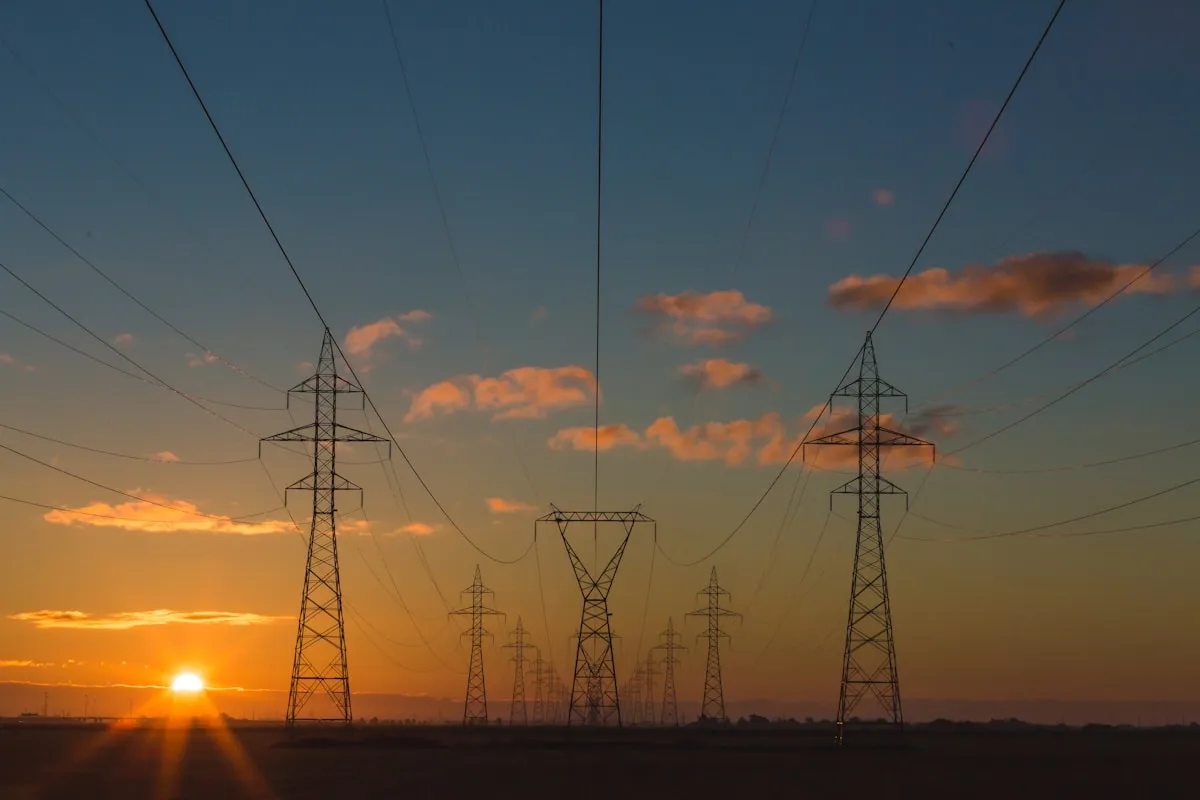 Preparing for power outages is critical in Ottawa’s cold winters
Power outages in Ottawa can last from hours to weeks. Here’s how to prepare.
Before an Outage
Prepare your home:
- Know your electrical panel location
- Have flashlights in accessible locations
- Keep phone/devices charged when storms forecast
- Fill bathtub with water (for flushing toilets)
- Set freezer to coldest setting
Critical supplies:
- Fully charged portable chargers
- Battery-powered or hand-crank radio
- Extra batteries stockpile
- Cash (ATMs won’t work)
- Full tank of gas in vehicle
Food preparation:
- Coolers and ice packs ready
- Know which foods spoil first
- Have manual can opener
- Stock foods requiring no cooking
Backup Power Options
Portable generators:
- NEVER run indoors (carbon monoxide risk)
- Place 20+ feet from windows/doors
- Use proper extension cords
- Have fuel stored safely
- Cost: $500-$2,000
Battery backup systems:
- Power essential devices
- Quieter than generators
- No fuel needed
- Limited capacity
- Cost: $200-$1,500
Whole-home generators:
- Automatic backup
- Powers entire home
- Requires professional installation
- Cost: $5,000-$15,000+
Home Heating Alternatives
Safe options:
- Natural gas fireplace (if available)
- Wood-burning fireplace/stove
- Propane heaters (with ventilation)
DANGEROUS - avoid:
- Using oven for heat
- BBQ or camping stove indoors
- Generator indoors
- Any unvented fuel-burning device
During a Power Outage
 Stay safe and conserve resources during an extended power outage
When the power goes out, follow these steps.
Immediate Actions
First 5 minutes:
- Check if outage is just your home (check breakers)
- Unplug electronics to prevent surge damage
- Leave one light on (to know when power returns)
- Report outage to Hydro Ottawa
First hour:
- Locate flashlights and supplies
- Conserve phone battery
- Check on vulnerable neighbours
- Close curtains/blinds for insulation
Staying Warm
Layer your clothing:
- Multiple thin layers work better than one thick layer
- Wear hat indoors (major heat loss through head)
- Use sleeping bags for extra insulation
Conserve heat:
- Close off unused rooms
- Hang blankets over windows
- Gather family in one room
- Use body heat (sleeping together)
When to leave:
- If indoor temperature drops below 10°C
- If anyone shows signs of hypothermia
- If you cannot stay warm safely
- Head to warming centre or family/friends
Food Safety
Refrigerator: Keep closed - food safe 4 hours Freezer: Keep closed - food safe 24-48 hours if full
When in doubt, throw it out:
- Meat, dairy, eggs above 4°C for 2+ hours
- Any food with unusual odor or texture
- Don’t taste to test
Safe foods during outage:
- Peanut butter
- Crackers
- Bread
- Canned goods (with manual opener)
- Dried fruit and nuts
- Granola bars
Water Concerns
If water system affected:
- Use stored water first
- Melt snow (boil before drinking)
- Fill containers before pressure drops
- Use toilet sparingly (tank water for flushing)
Hydro Ottawa Outage Reporting
 Know how to report and track power outages
Hydro Ottawa is responsible for electrical service in Ottawa.
Report an Outage
Phone: 613-738-6400 (24/7)
Online: hydroottawa.com/outages
Mobile app: Hydro Ottawa app
Track Restoration
Outage map: hydroottawa.com/outages/outage-map
Information provided:
- Affected areas
- Estimated restoration time
- Cause of outage (if known)
- Number of customers affected
During Major Events
What to expect:
- High call volumes
- Delayed restoration estimates
- Updates every few hours
- Critical infrastructure prioritized
Restoration priorities:
- Hospitals and emergency services
- Water treatment facilities
- Main distribution lines
- Residential feeders
- Individual homes
Planned Outages
Hydro Ottawa schedules some outages for maintenance:
- Advance notification provided
- Usually shorter duration
- Check website for schedule
- Can register for email alerts
Warming Centres & Shelters
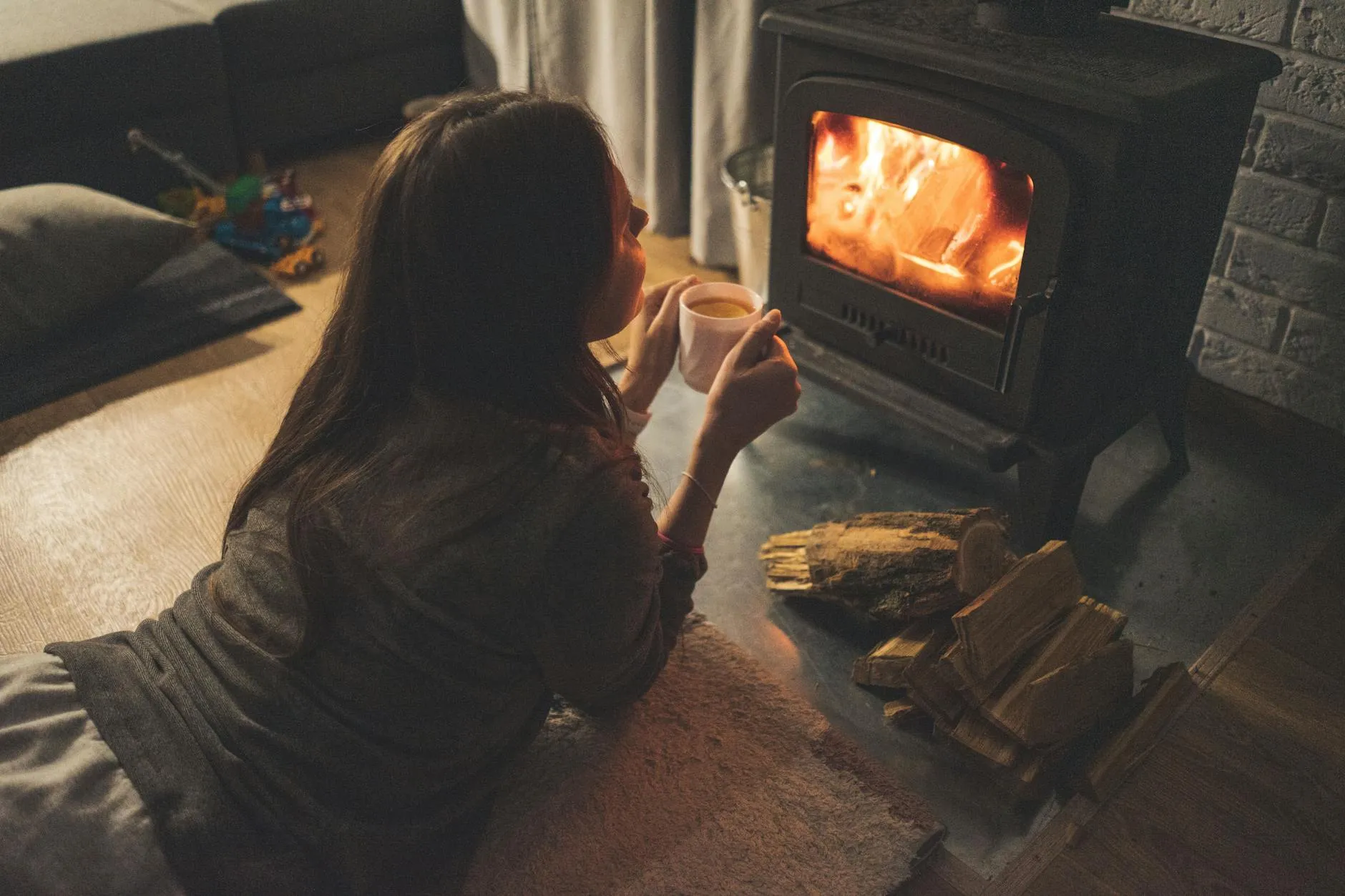 Ottawa opens warming centres during extended power outages
During extended outages in cold weather, Ottawa opens warming centres.
When Centres Open
Criteria for activation:
- Extended outage (typically 24+ hours)
- Cold weather conditions
- Large number of residents affected
- City emergency declaration
Warming Centre Locations
Typical locations:
- Community recreation centres
- Libraries
- Schools (if needed)
- City-owned facilities
Check for active locations:
- ottawa.ca/emergencies
- Call 311
- Local news and radio
- City social media
What to Bring
Essentials:
- Medications
- Warm clothing
- Phone and charger
- Identification
- Comfort items for children
For extended stays:
- Sleeping bag/pillow
- Change of clothes
- Toiletries
- Books/entertainment
Shelter Services
What’s provided:
- Heating
- Charging stations
- Water and snacks
- Information updates
- Basic first aid
Pet-friendly options:
- Some centres accept pets
- Bring pet supplies
- Keep pets leashed/crated
Emergency Communication Plan
 A family communication plan ensures everyone stays connected
When phones are down and family is separated, a plan ensures connection.
Create Your Plan
Designate meeting places:
- Near home: Front yard, neighbour’s house
- In neighbourhood: School, community centre
- Out of area: Relative’s home, specific landmark
Emergency contacts:
- Out-of-town relative (easier to reach)
- Local emergency contact
- Work contacts for all adults
- School contacts for children
Information each family member should carry:
- Emergency contact numbers (written)
- Meeting locations
- Medical information
- Family communication plan card
Communication Methods
When cell towers are overwhelmed:
- Text messages often work when calls don’t
- Social media check-ins
- Email (if Wi-Fi available)
- Amateur radio (if licensed)
Battery conservation:
- Airplane mode when not using
- Lower screen brightness
- Close background apps
- Disable Bluetooth and Wi-Fi
Stay Informed
Emergency alerts:
- Sign up for Ottawa Emergency Alerts
- Weather Network app
- Environment Canada alerts
- Local news radio
Radio stations:
- CBC Radio One 103.3 FM
- CTV News Talk 580 AM
- CFRA 580 AM
After the Emergency
 Take proper steps when the emergency has passed
When power returns or conditions improve, take these steps.
When Power Returns
Safety first:
- Wait 15 minutes before resetting breakers
- Plug in appliances one at a time
- Check for surge damage
- Inspect food for spoilage
Report issues:
- Downed power lines (Hydro Ottawa)
- Gas smells (Enbridge 1-866-763-5427)
- Water issues (City water emergency)
Property Assessment
Check for:
- Roof damage (ice dams, snow load)
- Frozen pipes
- Basement flooding
- Tree damage
- Structural issues
Document everything:
- Take photos before cleanup
- List all damaged items
- Keep receipts for emergency expenses
- Contact insurance promptly
Restock Supplies
Immediately:
- Replace used emergency supplies
- Refill prescriptions
- Recharge all batteries
- Refuel generator
Within one week:
- Restock food and water
- Replace expired items
- Update emergency plan
- Document lessons learned
FAQ
Q: What is the emergency number in Ottawa?
Call 911 for life-threatening emergencies (fire, police, ambulance). Call 311 for non-emergency city services including reporting downed trees, road hazards, or getting emergency information.
Q: How do I report a power outage to Hydro Ottawa?
Report outages by calling 613-738-6400 (24/7), online at hydroottawa.com/outages, or through the Hydro Ottawa mobile app. You can also check the outage map for updates on restoration.
Q: How long will my food last during a power outage?
A closed refrigerator keeps food safe for about 4 hours. A full freezer stays frozen for 24-48 hours if kept closed. Never taste food to test safety - when in doubt, throw it out.
Q: Where are warming centres in Ottawa?
Warming centre locations vary based on the emergency. When activated, locations are announced at ottawa.ca/emergencies, through 311, local media, and City social media. Common locations include community centres and libraries.
Q: Can I use a generator during a power outage?
Yes, but NEVER run a generator indoors or in attached garages. Place at least 20 feet from windows and doors. Carbon monoxide from generators kills - this is the leading cause of death during power outages.
Q: What should be in a 72-hour emergency kit?
Essential items include: 4 liters of water per person per day, non-perishable food, flashlight, batteries, radio, first aid kit, medications, cash, important documents, and warm clothing/blankets.
Q: How do I stay warm during a power outage in winter?
Wear multiple layers, close off unused rooms, hang blankets over windows, and gather family in one room. Use sleeping bags and share body heat. If temperature drops below 10°C, go to a warming centre.
Q: Should I turn off appliances during a power outage?
Yes, unplug major appliances to prevent damage from power surges when electricity returns. Leave one light on so you know when power is restored.
Q: What’s the Hydro Ottawa outage map?
The outage map at hydroottawa.com/outages/outage-map shows current outages, affected areas, estimated restoration times, and cause of outages. Check it for updates during extended outages.
Q: How do I prepare for an ice storm in Ottawa?
Stock emergency supplies, charge devices, fill car with gas, have cash available, and prepare for potential multi-day outages. Have backup heating options and know your nearest warming centre location.
Q: Is there an Ottawa emergency alert system?
Yes, sign up for alerts at ottawa.ca. You’ll also receive federal Alert Ready notifications on your phone for major emergencies. Follow @ottawacity on social media for updates.
Q: What do I do if I smell gas during a power outage?
Leave immediately without using any switches or phones inside. Once safely outside, call Enbridge Gas emergency line at 1-866-763-5427. Do not return until cleared by officials.
Final Summary
Emergency preparedness isn’t about fear - it’s about peace of mind. Ottawa’s climate means power outages, ice storms, and weather emergencies are not “if” but “when.” Taking time now to build your emergency kit, create a family plan, and know your resources can make the difference between a minor inconvenience and a dangerous situation.
Key takeaways:
- Build your 72-hour kit - Start this weekend
- Know your contacts - 911, 311, Hydro Ottawa 613-738-6400
- Make a family plan - Meeting places, communication methods
- Stay informed - Sign up for emergency alerts
- Help neighbours - Check on vulnerable community members
When the next ice storm or major emergency hits Ottawa, be ready. Your preparation today protects your family tomorrow.
Sources: City of Ottawa Emergency Management, Hydro Ottawa, Government of Canada Emergency Preparedness, Environment Canada