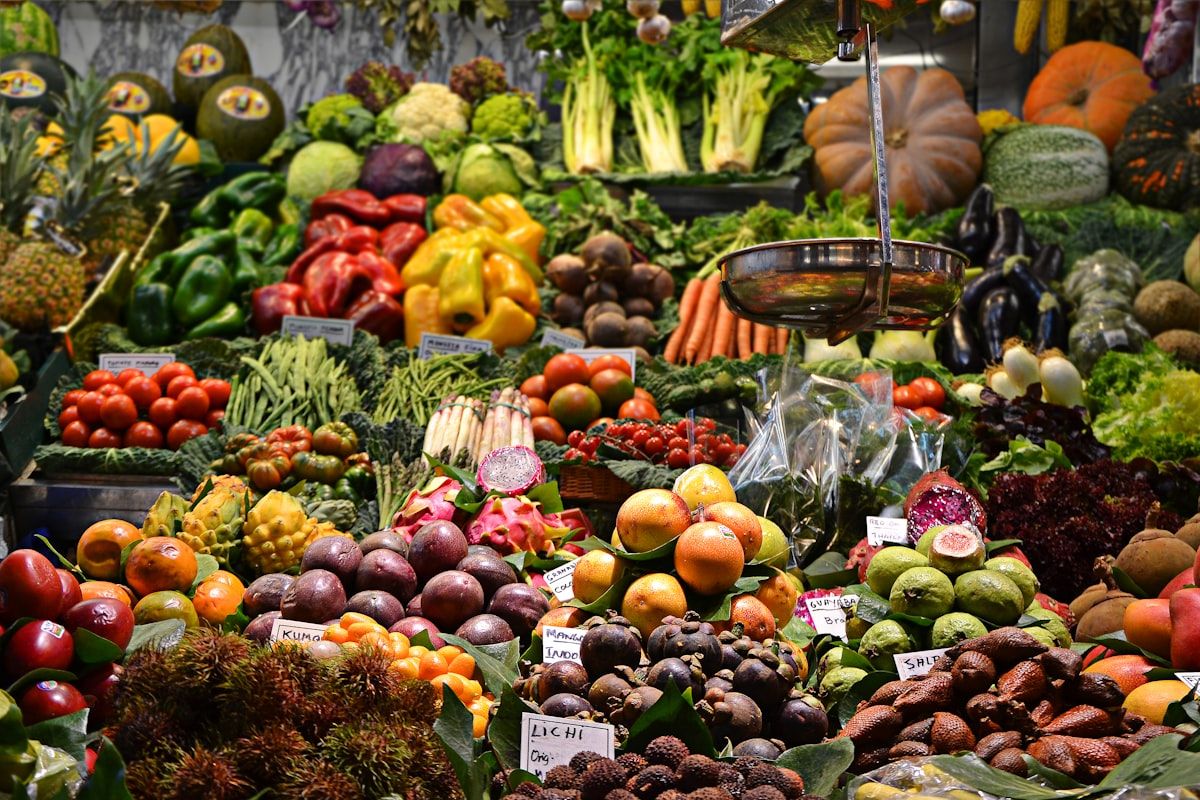
Saturday mornings at the Carp Farmers’ Market taught me what produce is supposed to taste like. Not the waxy, long-travelled tomatoes of supermarket childhood, but sun-warm heirloom varieties that stained my hands when I sliced them. Corn so fresh the kernels burst with sweetness. Raspberries that would never survive commercial shipping because they were too perfectly ripe. I’ve been a convert ever since.
Ottawa’s farmers market scene offers something increasingly rare in modern food systems: direct connection between the people who grow food and the people who eat it. These aren’t just shopping venues; they’re community gathering points where farmers share growing tips, bakers remember your preferences, and the simple act of buying carrots becomes a conversation.
The local food community knows the value these markets provide. As one Ottawa resident shared: “Carp is the best farmers market in the area by far. The produce quality is leagues ahead of grocery stores, and you’re buying directly from the people who grew it. Saturday mornings there have become a family ritual.”
The markets vary in character—from the historic permanence of ByWard Market to the seasonal community feel of neighbourhood markets—but they share a common purpose: bringing the abundance of Eastern Ontario’s agricultural landscape to urban tables. This guide covers where to go, when to arrive, what to find, and how to make the most of Ottawa’s local food community.
Key Highlights
TL;DR: ByWard Market operates year-round as Ottawa’s historic market destination with nearly 200 vendors. Lansdowne Farmers’ Market provides substantial year-round options. Carp Farmers’ Market (Saturdays, May-October) offers the quintessential producer-based market experience. Arrive early for best selection, bring cash and reusable bags, and embrace seasonal eating.
| Quick Facts | Details |
|---|---|
| 🏛️ Year-Round | ByWard Market, Lansdowne |
| 📅 Peak Season | May - October |
| 🕐 Best Arrival | Early morning (8-9 AM) |
| 💵 Payment | Cash preferred, cards accepted |
| 🛍️ Bring | Reusable bags, cooler for perishables |
| 🐕 Pets | Check individual market policies |
The History of Farmers Markets in Ottawa
Understanding Ottawa’s market heritage adds depth to modern shopping experiences. The tradition stretches back nearly two centuries, connecting today’s Saturday morning rituals to the very foundations of the city itself.
ByWard Market, established in 1827 by Lieutenant-Colonel John By during the construction of the Rideau Canal, stands as one of Canada’s oldest continuously operating public markets. The market predates Ottawa’s designation as the national capital and served as the commercial heart of the growing lumber town that would become Canada’s seat of government.
For most of Ottawa’s history, markets like ByWard served practical rather than recreational purposes. Farmers from the Ottawa Valley brought produce to sell; city residents came to buy food. The transaction was necessity, not lifestyle choice. This continued well into the 20th century, though supermarkets gradually reduced the market’s role in everyday food shopping.
The farmers market renaissance began in the 1980s and accelerated through the 1990s and 2000s. Concerns about industrial agriculture, interest in local food systems, and desire for community connection drove renewed interest. New markets like Carp Farmers’ Market (operating for over 35 years) emerged specifically to serve consumers seeking direct producer relationships.
Today’s Ottawa market scene represents this evolution: historic ByWard Market serving tourists and locals alike, producer-based markets like Carp maintaining agricultural authenticity, and neighbourhood markets bringing local food access to communities across the city. The tradition continues adapting to contemporary needs while maintaining the essential connection between farm and table.
Understanding Ottawa’s Market Landscape
Ottawa’s farmers markets fall into distinct categories, each serving different needs and offering different experiences.
Year-Round Markets like ByWard Market and Lansdowne provide consistent access to local food regardless of season. The winter months shift toward preserved goods, baked items, meats, and greenhouse produce, but the markets never fully close.
Seasonal Outdoor Markets from May through October showcase the full glory of local agriculture. These are the months when tables overflow with produce, flower vendors brighten corners, and the market experience feels most vibrant.
Producer-Based Markets like Carp enforce rules ensuring vendors grow or make what they sell. This creates direct farmer-to-consumer connections impossible in reseller environments.
Community Markets in neighbourhoods like Westboro, Orleans, and Kanata serve local residents with convenient, walkable access to fresh food without requiring trips to larger venues.
Understanding these distinctions helps you choose the right market for your needs: ByWard for tourist appeal and year-round access, Carp for the truest local producer experience, neighbourhood markets for convenient weekly shopping.
ByWard Market: The Historic Heart
Address: 55 ByWard Market Square, Ottawa, ON K1N 9C3 Phone: (613) 244-4410 Email: info@bmda.ca Website: byward-market.com
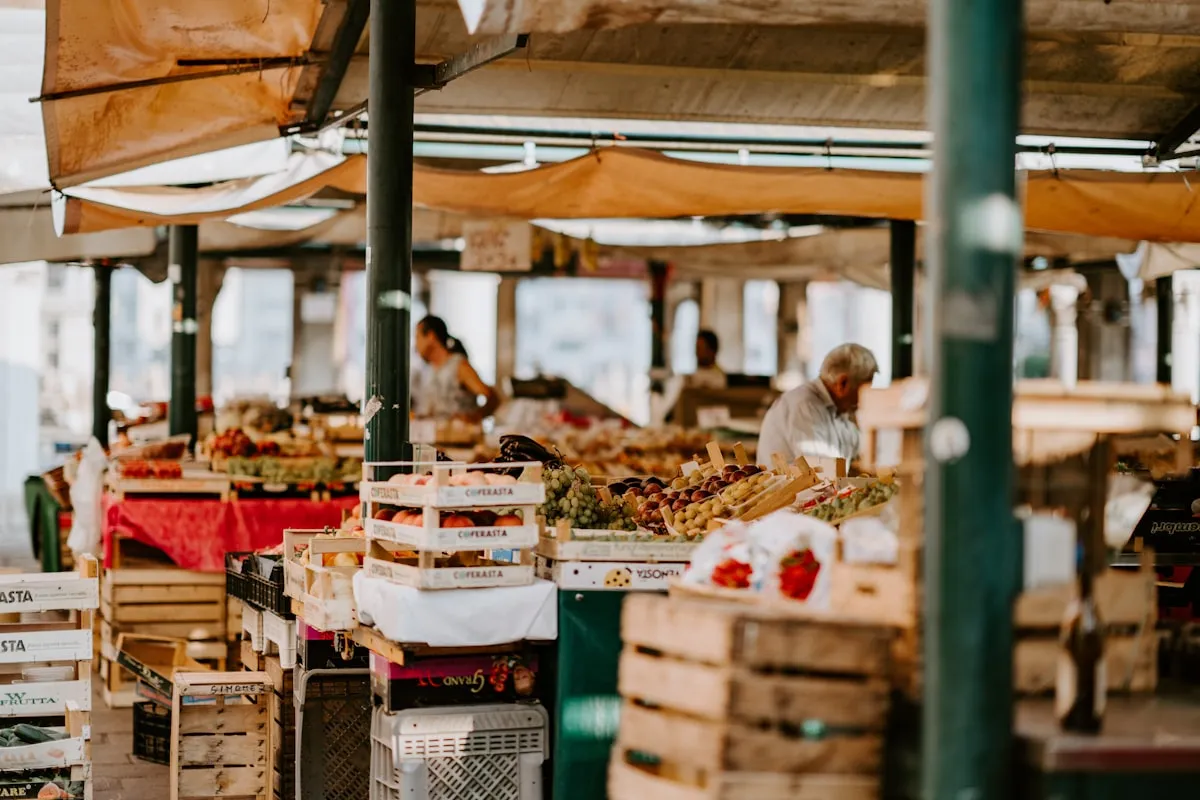
Established in 1827 by Lieutenant-Colonel John By, ByWard Market holds the distinction of being one of Canada’s oldest and largest public markets. The distinction matters—this isn’t a recent creation designed to capture trends; it’s a continuous tradition spanning nearly 200 years of Ottawa commerce.
Hours of Operation
Heritage Hall (Indoor Market):
- Open 7 days a week, 363 days a year
- Closed only December 25th
- Holiday hours: Sunday-Wednesday 10:00 AM – 6:00 PM, Thursday-Saturday 10:00 AM – 8:00 PM
- Public washrooms: 5:00 AM – midnight
Outdoor Market (Seasonal):
- Season: May through October, plus holiday periods
- Days: 7 days a week during season
- Typical vendor hours: 9:00 AM – 5:00 PM (weather dependent)
- Individual vendors set their own specific hours
The Scale of ByWard
Numbers convey the market’s scope: nearly 200 outdoor vendors during peak season, over 600 businesses in the broader district, and approximately 50,000 visitors on busy summer weekends. This is Ottawa’s #1 tourist attraction, which brings both benefits (vibrancy, selection) and challenges (crowds, tourist-oriented pricing).
What You’ll Find
Fresh Produce: During summer months, local farms bring vegetables, fruits, and herbs directly to market stalls. The selection reflects Ottawa Valley agriculture—stone fruits, apples, berries, corn, tomatoes, squash, and the remarkable variety that local soil produces.
Flowers and Plants: Bedding plants in spring, cut flowers through summer, mums and decorative gourds in fall. The flower vendors are among the market’s most photogenic.
Artisan Foods: Baked goods, preserves, honey, maple syrup, cheese, and specialty items from regional producers.
Prepared Foods: The market increasingly features ready-to-eat options, from classic BeaverTails to diverse international cuisines.
Crafts and Artisan Goods: Handmade items, local artwork, and specialty goods beyond food.
Seasonal Features
Summer (May-October): The outdoor market operates fully, with street performers, buskers, and the maximum selection of produce vendors. Weekends draw the largest crowds.
Winter: The ByWard Winter Market festival runs November through early January. Luminaire holiday installations provide evening entertainment with light displays at 5:30 PM, 6:30 PM, and 7:30 PM daily until January 1st.
Practical Considerations
Parking: Contact (613) 244-4410 for current parking information. Underground parking is available, street parking is metered, and various private lots serve the area. On busy summer weekends, arriving early or using public transit reduces frustration.
Crowds: Peak hours on summer weekends (11 AM – 3 PM) bring significant crowds. Early morning visits offer better selection and easier navigation.
Pricing: Tourist-area pricing applies to some vendors. For pure value, neighbourhood markets often offer better deals on comparable produce.
Carp Farmers’ Market: The Producer Experience
Location: Carp, ON K0A 1L0 (rural west Ottawa) Email: info@carpfarmersmarket.ca Website: carpfarmersmarket.ca
If ByWard Market is Ottawa’s grand public square, Carp Farmers’ Market is its authentic agricultural heart. Located in the rural community of Carp, west of Kanata, this Saturday-only market has operated for 35 years, building a reputation as one of the largest producer-based markets in Eastern Ontario.
Hours and Season
Days: Saturdays only Hours: 8:00 AM – 1:00 PM Season: May through late October Admission: Free Parking: Free on-site
The Producer-Based Difference
The crucial distinction: Carp enforces producer-based rules, meaning vendors grow or make what they sell. You’re buying from the farmer who planted the seeds, not a reseller who purchased bulk produce. This creates relationships impossible in conventional retail.
The farmers remember regulars. They share growing advice. They’ll tell you which tomato varieties are peaking this week, which apples store best, when the corn crop looks especially good. These conversations make market shopping more than transaction.
What You’ll Find
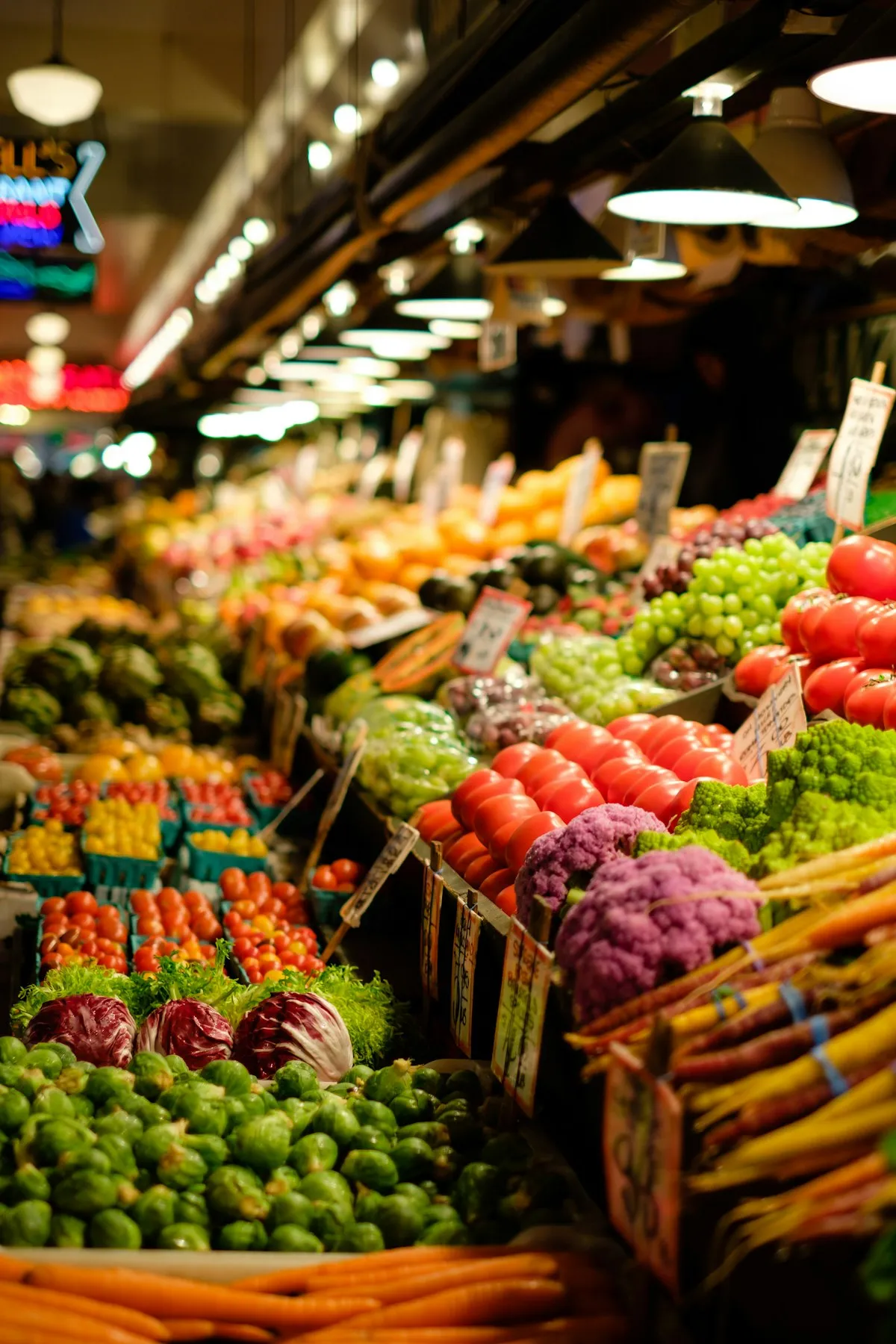
Fresh Produce: The full spectrum of Ottawa Valley agriculture arrives Saturday mornings. Peak summer brings overwhelming abundance—dozens of tomato varieties, corn picked that morning, berries at perfect ripeness, greens that will last a week longer than supermarket equivalents.
Farm-Fresh Meats: Direct-from-farm meats including grass-fed beef, free-range chicken, pork, and lamb. The farmers can tell you exactly how their animals were raised.
Baked Goods: Artisan breads, pastries, pies, and sweet treats from local bakers.
Prepared Foods: Ready-to-eat breakfast and lunch options from food vendors. The market becomes a gathering place, not just a shopping destination.
Artisan Crafts: Handmade local crafts complement the food vendors.
Special Features
Dog-Friendly: Well-behaved, leashed dogs are welcome in designated areas—unusual for food markets.
Activity Corner: Family-friendly activities and entertainment make market mornings enjoyable for all ages.
Live Music: Regular live performances create festive atmosphere.
Carp Garlic Festival: The annual signature event celebrates the region’s garlic harvest.
Why Carp Matters
For serious local food enthusiasts, Carp represents the ideal. The thirty-minute drive from central Ottawa filters out casual visitors, meaning the Saturday morning crowd consists largely of people who prioritize food quality. The producer-based rules ensure authenticity. The outdoor setting and live music create genuine community atmosphere.
Community members consistently rate Carp as Ottawa’s best market experience: “I’ve been going to Carp for years. The quality difference in the produce compared to what you get anywhere else is remarkable. Plus there’s something special about talking to the person who actually grew your vegetables.”
The drive is part of the ritual. Saturday morning, early, car pointed west toward the farms. Coffee in hand, bags ready, list sometimes consulted but often abandoned when the displays suggest better ideas. This is how people ate before global supply chains—seasonally, locally, with relationships to the people who grew their food.
Tips for First-Time Visitors:
- Arrive by 8:30 AM for best selection without the early-bird rush
- Bring a wagon or cart—you’ll buy more than you expected
- The breakfast food vendors provide excellent fuel for shopping
- Allow time to browse; rushing defeats the purpose
- Bring cash in small bills; not all vendors have card readers
Vendor Spotlight: Meet the Farmers
Understanding who grows your food transforms market shopping from transaction to relationship. Here’s a glimpse at the types of vendors you’ll find at Ottawa markets.
The Multi-Generation Family Farm
Many Ottawa Valley farms have been in families for generations. These vendors bring decades of accumulated knowledge to their growing practices. They know which tomato varieties perform best in our climate, when the frost timing looks unusual, and how this season compares to seasons their grandparents farmed through.
These farmers often grow diverse vegetable operations—a bit of everything rather than monoculture specialization. Their tables reflect this diversity: baskets of tomatoes beside bunches of chard beside buckets of beans. Talking to them provides seasonal intelligence no app can match.
The Specialty Producer
Other vendors focus intensely on specific products. The garlic farmer who grows twenty varieties. The berry operation that manages multiple fields for extended harvest. The cut flower grower who plans successions for continuous bouquet availability.
Specialty producers offer depth of knowledge impossible for generalists to match. They can explain the difference between hardneck and softneck garlic varieties, recommend the best berry variety for jam versus fresh eating, or help you choose flowers that will last longest in your home.
The Artisan Food Producer
Beyond raw produce, markets feature vendors who transform agricultural products into value-added goods. Bakers, cheesemakers, preserve producers, honey harvesters, and maple syrup producers all connect back to the land even without selling vegetables directly.
These vendors often source from other market farmers, creating local food networks where produce moves from farm to processor to consumer within tight geographical circles.
The Prepared Food Vendor
Market mornings wouldn’t be complete without breakfast options. Coffee vendors, pastry bakers, and prepared food stalls provide fuel for shopping while contributing to the market’s social atmosphere.
Lansdowne Farmers’ Market
Location: Lansdowne Park, Ottawa Website: ottawa.ca/en/lansdownefarmers-market
Operating year-round at the revitalized Lansdowne Park complex, this market provides substantial local food access without seasonal gaps. The location near the Glebe offers convenient access for central-Ottawa residents.
What to Expect
The Lansdowne market has grown significantly since Lansdowne Park’s redevelopment. Local farms, bakers, and food producers maintain regular presence. The year-round schedule means some products (root vegetables, preserved goods, meats, dairy) remain consistently available while summer months bring the full produce range.
Typical Offerings:
- Fresh produce from local farms (seasonal variation)
- Meat and dairy products
- Artisan baked goods
- Prepared foods
- Local crafts and specialty items
Practical Considerations:
- Parking available at Lansdowne Park (may require fee)
- Public transit accessible via Bank Street
- Indoor and outdoor components depending on season
Parkdale Market

Location: Parkdale neighbourhood, Ottawa Social Media: @parkdalemarket
One of Ottawa’s established seasonal markets, Parkdale serves its neighbourhood with the intimate scale that larger markets can’t match. The market’s character reflects its community—less tourist-oriented than ByWard, more local in feel.
Neighbourhood Market Appeal
Markets like Parkdale succeed because they’re walkable destinations for surrounding residents. The scale is human; you’ll recognize vendors and fellow shoppers over time. The selection focuses on core offerings without overwhelming variety.
What You’ll Find:
- Fresh local produce
- Artisan goods and baked items
- Local vendors serving the community
- Neighbourhood gathering atmosphere
Community Markets Across Ottawa
Beyond the major markets, numerous neighbourhood and community markets operate seasonally throughout Ottawa. These serve local residents without requiring trips across the city.
Westboro Farmers’ Market
The trendy Westboro neighbourhood hosts its own market, convenient for west-central residents. Check local sources for current schedules as the market continues developing.
Orleans Farmers’ Market
Serving Ottawa’s east end, the Orleans market brings local food access to communities otherwise distant from major market venues.
Kanata Farmers’ Market
The west-end suburban community of Kanata maintains its own market, convenient for residents of Ottawa’s tech corridor.
Stittsville Farmers’ Market
Running Saturdays during market season, this community market serves Stittsville and surrounding rural communities.
Other Seasonal Markets
Additional markets operate in communities including Metcalfe, Richmond, Manotick, and various Ottawa neighbourhoods. Schedules and locations vary; check local community sources for current information.
What’s in Season: A Produce Calendar

Understanding seasonal availability transforms market shopping. Each month brings different bounty, and chasing seasonal peaks yields the best eating.
Spring (May-June)
Early Stars:
- Asparagus (brief window, don’t miss it)
- Rhubarb (pair with strawberries as they arrive)
- Early greens (spinach, lettuce, arugula)
- Radishes (first crunchy vegetables of the year)
- Green onions
Bedding Plants: Spring markets overflow with seedlings for home gardeners—tomatoes, peppers, herbs, flowers.
Summer (July-August)
Peak Abundance:
- Tomatoes (heirloom varieties, cherry tomatoes, slicers)
- Corn (the sweet corn window is precious)
- Berries (strawberries, raspberries, blueberries)
- Stone fruits (peaches, plums, nectarines)
- Cucumbers, zucchini, summer squash
- Peppers (sweet and hot varieties)
- Green beans, peas
- Fresh herbs (basil, dill, cilantro)
This is the season of maximum variety. Markets reach their fullest expression.
Fall (September-October)
Harvest Season:
- Apples (multiple varieties, excellent for cider)
- Winter squash (butternut, acorn, spaghetti)
- Pumpkins (eating varieties and decorative)
- Root vegetables (carrots, beets, potatoes, turnips)
- Late tomatoes and peppers
- Brussels sprouts, cabbage, cauliflower
- Garlic (fresh and cured)
Fall brings preservation season—canning tomatoes, freezing corn, stocking root cellars.
Winter
Available Year-Round:
- Root vegetables (storage carrots, potatoes, beets)
- Greenhouse greens (some vendors)
- Baked goods
- Preserves, honey, maple syrup
- Meats and dairy
- Frozen and preserved products
Winter markets are smaller but provide continued access to local foods and the vendors who produce them.
Practical Tips for Market Success
Timing Your Visits
Arrive Early (8:00-9:00 AM):
- Best selection before popular items sell out
- Vendors have time for conversation
- Cooler temperatures protect purchases
- Less crowded, easier parking
Mid-Morning (10:00-11:00 AM):
- Good balance of selection and crowds
- All vendors fully set up
- Social atmosphere at peak
Late (12:00 PM-1:00 PM):
- Potential vendor discounts on remaining stock
- Limited selection on popular items
- Easier navigation as crowds thin
What to Bring
Essential:
- Reusable shopping bags (multiple sizes)
- Cash in small denominations ($5, $10, $20)
- List of needs (flexible to seasonal offerings)
- Water bottle
Highly Recommended:
- Cooler bag or insulated tote (for meats, dairy)
- Wagon or wheeled cart (for heavy purchases)
- Empty egg cartons (some vendors refill)
- Containers for berries and delicate items
Payment Considerations
Cash: Always accepted, often preferred. Small bills ease transactions; exact change appreciated for busy vendors.
Cards: Increasingly accepted, but not universal. Some vendors have mobile payment; others are cash-only.
Tip: Bring more cash than you expect to need. Market bounty often exceeds shopping lists.
Vendor Relationships
Building relationships with vendors transforms market shopping:
Benefits:
- Vendors save items you regularly buy
- Early notification of special products
- Growing and cooking advice
- Occasional extras added to purchases
- Understanding of product quality and sourcing
How to Build Relationships:
- Shop consistently from the same vendors
- Ask questions about their products
- Learn their names and use them
- Provide feedback on what you enjoyed
- Follow their farms on social media
Cooking with Market Produce: Seasonal Recipe Ideas
Fresh market produce often requires simpler preparation than grocery store equivalents. When ingredients are genuinely fresh and ripe, elaborate recipes can obscure rather than enhance their quality.
Spring Market Cooking
Asparagus: At peak freshness, asparagus needs only quick roasting with olive oil, salt, and lemon. Don’t overcook—the stalks should still have slight crunch.
Rhubarb: Combine with first strawberries for classic pie filling or simmer into compote for yogurt and oatmeal.
Early Greens: Tender spring lettuce, spinach, and arugula shine in simple salads with light vinaigrette. The greens are too delicate for heavy dressings.
Summer Market Cooking
Peak Tomatoes: Sun-warm tomatoes need almost nothing—slice, salt, and serve. Caprese salads with local cheese and basil. Gazpacho when you have too many. Quick sauces that cook in minutes.
Fresh Corn: Eat within hours of purchase if possible. Grill with butter and salt, or cut kernels for succotash with summer beans.
Berry Season: Fresh eating first. Then freezing for winter smoothies. Then jam-making if you have abundance.
Fall Market Cooking
Winter Squash: Roast halves with butter and brown sugar. Purée into soups. Cube for sheet-pan dinners with root vegetables.
Apple Varieties: Cooking apples (like Cortland) for pie and sauce. Eating apples (like Honeycrisp) for fresh snacking. Local orchards can guide variety selection.
Root Vegetables: Store well for months. Roast mixed root vegetables for simple weeknight dinners all winter.
Preservation Strategies
When market abundance exceeds immediate eating capacity, preservation extends the season:
Freezing: Blanch vegetables briefly before freezing for best texture. Berries freeze on sheet pans before bagging to prevent clumping.
Canning: Tomatoes, jams, and pickles reward the effort. Local food preservation classes teach proper techniques.
Root Cellaring: Carrots, beets, potatoes, and squash store for months in cool, dark conditions without processing.
Market Etiquette
Respectful Shopping
Handle Produce Gently: Vendors have worked hard to bring perfect produce to market. Squeeze carefully if at all.
Ask Before Tasting: Most vendors offer samples gladly, but ask first rather than helping yourself.
Keep Pets Controlled: Where pets are permitted, maintain short leashes and prevent contact with food displays.
Respect Lines: Form orderly queues at popular vendors rather than crowding.
Sampling and Selecting
Samples: Many vendors offer tastes of their products. This is welcome—sampling helps you decide what to buy. Just don’t abuse the generosity.
Selection: Pointing to what you want rather than handling everything works best. Ask if you can select your own items or prefer vendor selection.
Quantities: Vendors often sell by weight, piece, or bunch. Ask about pricing if unclear.
FAQ
Q: What’s the best farmers market in Ottawa?
The “best” depends on your priorities. ByWard Market offers the largest selection and year-round operation but has tourist-area character. Carp Farmers’ Market provides the truest producer-based experience with direct farmer connections (Saturdays, May-October)—many local food enthusiasts consider it the gold standard. Lansdowne Farmers’ Market offers year-round access in a central location. Neighbourhood markets like Parkdale and Westboro provide convenient local access without travel across the city.
Q: When are Ottawa farmers markets open?
ByWard Market operates year-round (Heritage Hall open 363 days/year). Lansdowne Farmers’ Market also operates year-round. Seasonal markets like Carp run May through October, typically Saturday mornings (8 AM - 1 PM). Neighbourhood markets generally follow the May-October season with varying days and hours. Check individual market websites for current schedules.
Q: What can I buy at Ottawa farmers markets?
Fresh produce (seasonal vegetables and fruits), farm-fresh meats and dairy, artisan baked goods, honey and maple syrup, preserves and jams, cut flowers and plants, prepared foods, and artisan crafts. Selection varies by season—summer offers maximum produce variety, while winter focuses on preserved goods, meats, and baked items. The quality difference compared to supermarket produce is substantial, particularly for items like tomatoes, corn, and berries.
Q: Do farmers markets accept credit cards?
Payment acceptance varies by vendor. Cash is universally accepted and often preferred. Many vendors now have mobile card readers, but some remain cash-only. Bring cash in small denominations ($5, $10, $20 bills) to ensure you can purchase from all vendors. ATMs are usually available at larger markets but may charge fees.
Q: Are dogs allowed at Ottawa farmers markets?
Policies vary by market. Carp Farmers’ Market explicitly welcomes well-behaved, leashed dogs in designated areas—this is unusual for food markets. Other markets may restrict pets due to food safety concerns. Check specific market policies before bringing pets. When dogs are permitted, maintain short leashes and prevent contact with food displays.
Q: How do I know if produce is really local?
Producer-based markets like Carp require vendors to grow or make what they sell—the farmer behind the table is the farmer who grew the vegetables. At other markets, ask vendors directly about sourcing. True local producers are happy to discuss their farms, growing practices, and where they’re located. If a vendor seems vague about sourcing or offers produce that seems out of season for our region, they may be reselling rather than growing.
Q: What should I bring to a farmers market?
Essential items include: reusable shopping bags (multiple sizes), cash in small denominations, a flexible shopping list, and water bottle. Highly recommended: cooler bag for meats and dairy, wagon or wheeled cart for heavy purchases, and containers for delicate items like berries. For summer markets, add sunscreen and comfortable shoes for extended browsing.
Final Thoughts
Farmers markets offer something that supermarkets, despite their convenience, fundamentally cannot: relationship with food. Not just the products themselves, though market produce genuinely tastes better—fresher, riper, grown for flavour rather than shipping durability. But also relationship with the people who grow it, the seasons that produce it, the rhythms of local agriculture that have shaped this region for centuries.
Saturday morning at Carp, I know the woman who grew my tomatoes. I know the soil they grew in, the variety they are, when she picked them. This knowledge doesn’t make the tomatoes taste better in any measurable way—but it does make eating them feel different. Slower. More grateful. More connected to place and season.
Ottawa’s markets maintain these connections in an era designed to eliminate them. The farms of the Ottawa Valley persist despite economic pressures toward consolidation. The farmers show up Saturday after Saturday, season after season. The communities gather.
Start with any market—ByWard for convenience and year-round access, Carp for the authentic producer experience, your neighbourhood market for walkable routine. Bring cash and bags. Arrive early. Ask questions. Follow the seasons. Build relationships.
The tomatoes really do taste better.
Sources: ByWard Market (byward-market.com), Carp Farmers’ Market (carpfarmersmarket.ca), Ottawa Tourism (ottawatourism.ca), City of Ottawa