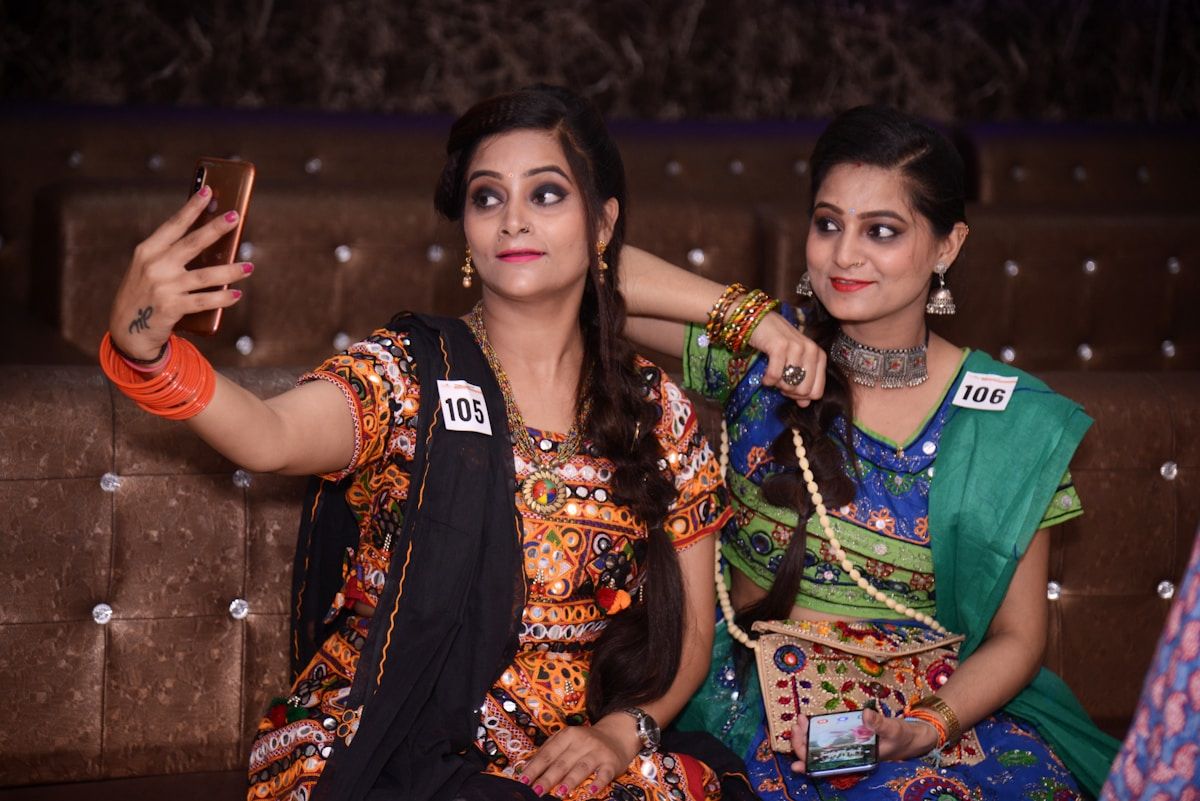
Last Updated: January 15, 2026
Every autumn, Ottawa transforms into a swirl of colourful chaniya cholis, rhythmic dandiya sticks, and the unmistakable beats of Gujarati folk music as the city’s South Asian communities gather for Navratri’s signature celebration: Garba.
The nine nights of Navratri bring one of the most energetic and inclusive Indian festivals to Ottawa, where thousands of dancers circle around a central shrine in the traditional Garba pattern. From the massive celebrations organized by the Indian Cultural Society of Ottawa (ICSO) at the EY Centre to intimate community gatherings at local halls, the capital offers numerous opportunities to experience this joyful devotional dance. Whether you are a seasoned dancer who grew up twirling to Falguni Pathak tracks or a curious newcomer wondering what all the excitement is about, this guide covers everything you need to know about Garba nights in Ottawa.
Key Highlights
TL;DR: Navratri Garba events in Ottawa run for nine nights in late September or early October. ICSO hosts the largest celebration at the EY Centre with live music from India. Tickets range from $15-50 CAD. No dance experience required—volunteers teach basic steps. Traditional Gujarati dress is encouraged but not mandatory.
| Quick Facts | Details |
|---|---|
| 📅 When | Nine nights in late September/early October |
| 📍 Main Venue | EY Centre, Ottawa Conference Centre |
| 🎟️ Tickets | $15-50 CAD per night |
| ⏰ Time | 6:00 PM - 1:00 AM typically |
| 🎉 Highlights | Live orchestra, traditional dance, food stalls |
| 👥 Organizer | Indian Cultural Society of Ottawa (ICSO) |
Understanding Garba and Navratri
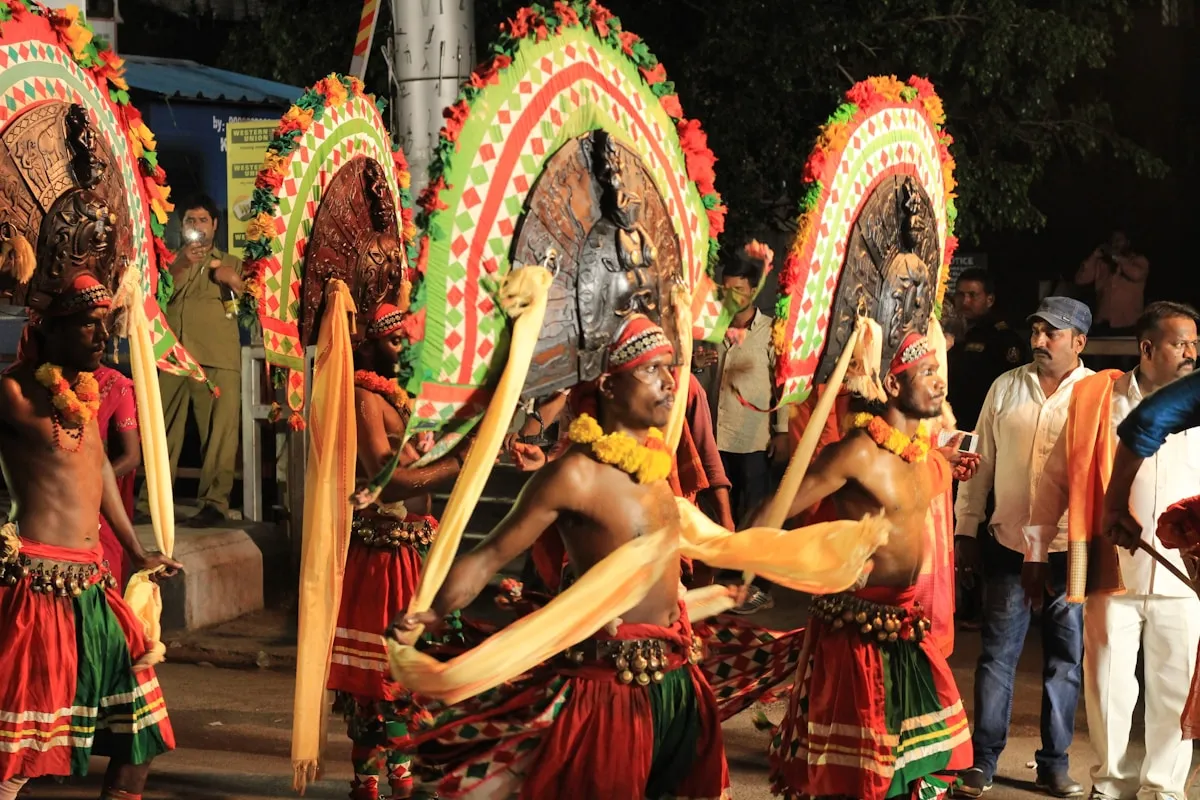 Dancers move in concentric circles during traditional Garba, celebrating the feminine divine energy
Navratri, meaning “nine nights” in Sanskrit, is a major Hindu festival celebrating the divine feminine. Observed twice yearly in India (spring and autumn), the autumn Navratri—also called Sharad Navratri—receives the most elaborate celebrations, particularly in Gujarat where Garba originated.
The Spiritual Significance
Navratri honours Goddess Durga and her nine forms (Navadurga), with each night dedicated to a different manifestation. The festival commemorates the goddess’s victory over the demon Mahishasura, symbolizing the triumph of good over evil. Fasting, prayer, and devotional activities mark the days, while nights explode with community celebration through music and dance.
The festival culminates on the tenth day, Vijayadashami (also called Dussehra), celebrating this divine victory. In Ottawa, many families observe both the spiritual practices during the day and the communal dancing at night.
Garba: The Dance of Devotion
Garba takes its name from the Sanskrit word for womb (garbha), relating to the traditional clay pot (garbo) with an oil lamp inside that serves as the centrepiece of the dance. This illuminated pot represents the divine feminine energy (shakti) and life within the womb.
Dancers move in circular patterns around this central shrine, symbolizing the cycle of time, creation, and the universe revolving around the divine. The dance moves progress from simple steps to increasingly complex footwork as the evening continues and energy builds.
Dandiya Raas: The Stick Dance
After several rounds of Garba, celebrations often shift to Dandiya Raas—a dance performed with decorated wooden sticks (dandiyas). Partners face each other and strike sticks in rhythmic patterns while stepping in synchronized movements. The dance symbolizes a mock battle between Goddess Durga and Mahishasura, with the sticks representing swords.
For newcomers, Dandiya Raas often feels more accessible than Garba because partners help each other maintain rhythm. The click-clack of sticks striking in unison creates an exhilarating soundscape that draws even hesitant observers onto the floor.
ICSO Navratri: Ottawa’s Largest Celebration
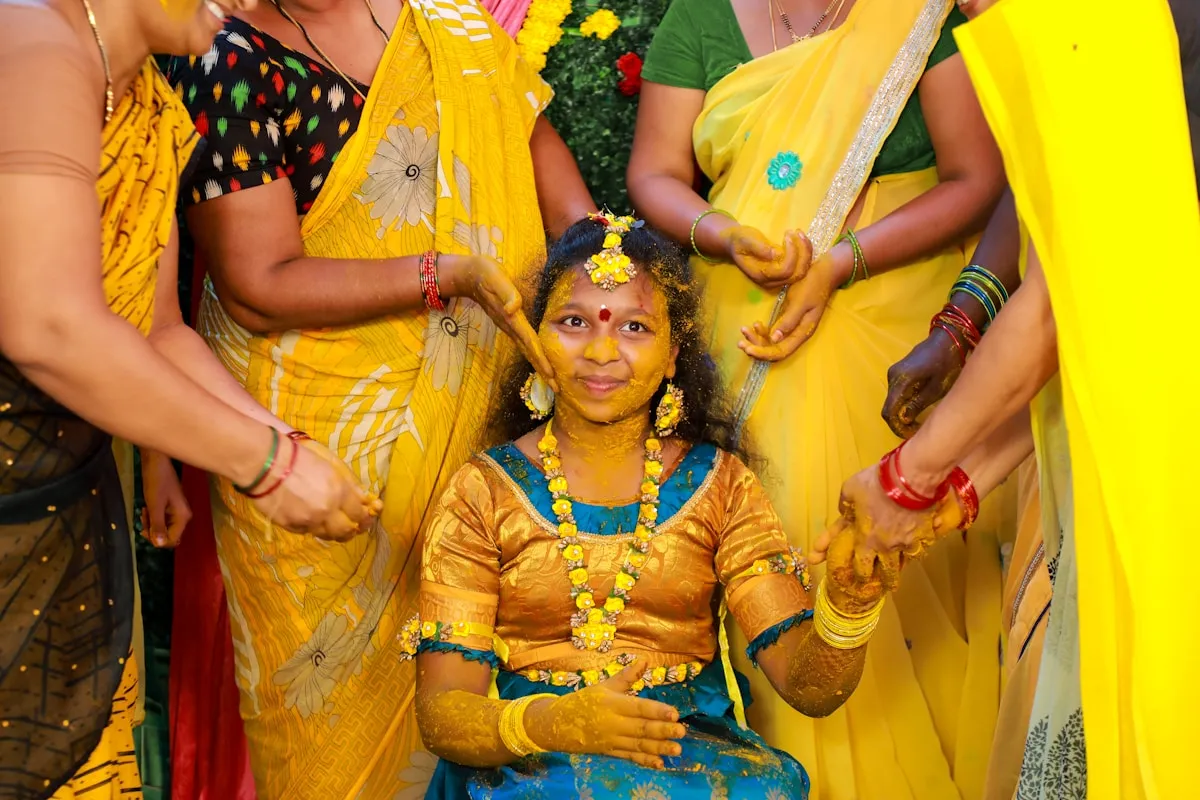 Thousands gather at the EY Centre for ICSO’s annual Navratri celebration featuring live music from India
The Indian Cultural Society of Ottawa (ICSO) has organized Navratri celebrations for over 25 years, establishing the event as one of the largest Indian cultural gatherings in the National Capital Region.
What Makes ICSO Navratri Special
Scale: ICSO events regularly attract over 2,000 attendees per night, creating an electric atmosphere that captures the community spirit of traditional village celebrations in Gujarat.
Live Music: Unlike many Garba events that rely on recorded tracks, ICSO brings live orchestras from India. Recent years have featured popular Gujarati folk bands like Rajdeep Barot, whose energetic performances keep dancers moving until the early hours.
Authenticity: The event maintains traditional elements including a beautifully decorated garbo (central shrine), proper circular Garba formations, and an progression from slow devotional songs to high-energy dance numbers.
Inclusive Atmosphere: While rooted in Gujarati tradition, ICSO events welcome participants from all backgrounds. Volunteers demonstrate basic steps for newcomers, and the concentric circle format naturally positions beginners on the outer rings where they can follow experienced dancers.
Navratri 2026 Dates and Details
Navratri timing follows the Hindu lunar calendar and shifts each year. For 2026, expect celebrations in late September or early October. ICSO typically hosts events on the first, fifth, and ninth nights (most auspicious), though some years feature all nine nights.
Typical Event Details:
- Venue: EY Centre, 4899 Uplands Drive, Ottawa
- Time: 6:00 PM doors, 7:00 PM program starts, continues until 1:00 AM
- Tickets: Early bird pricing available through Eventbrite
- Features: Live music, Garba and Dandiya Raas, food stalls, merchandise vendors
Check icsocanada.com or the ICSO Facebook page for confirmed dates and ticket sales, which typically open 4-6 weeks before the festival.
Other Garba Events in Ottawa
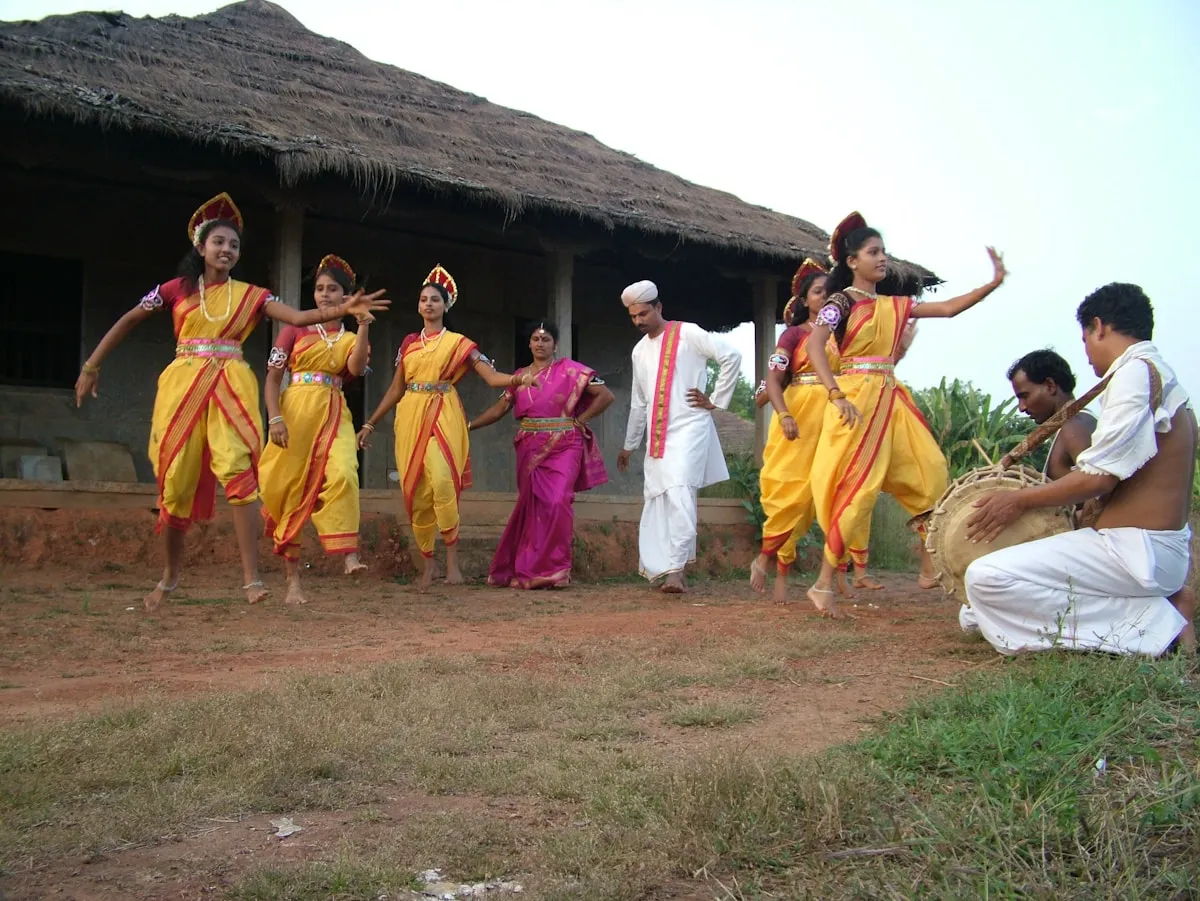 Smaller community Garba events offer intimate settings for traditional dance
Beyond ICSO’s flagship celebrations, Ottawa hosts numerous Garba events throughout Navratri, offering options for different preferences and budgets.
University Campus Events
Carleton University Hindu Students’ Council organizes free or low-cost Garba nights for students and community members. These events typically take place in campus spaces and attract a younger crowd. The informal atmosphere makes them excellent options for first-time Garba dancers.
University of Ottawa South Asian student associations occasionally host Navratri events as well. Check university event calendars as the festival approaches.
Community Centre Celebrations
Various Indian community groups organize smaller Garba gatherings at community centres throughout the Ottawa-Gatineau region. These events offer advantages including:
- More intimate atmosphere with fewer attendees
- Often lower ticket prices ($15-25 range)
- Easier parking and access
- Closer community connections
Search Eventbrite for “Garba Ottawa” or “Navratri Ottawa” in September to find current listings. Community Facebook groups for Gujarati, Marathi, and broader Indian communities also share event announcements.
Temple Events
The Hindu Temple of Ottawa-Carleton and other local temples often host Navratri prayers and modest Garba celebrations. These events emphasize the devotional aspect of the festival with traditional rituals followed by community dancing. Attendance is typically free, though donations are welcomed.
For other seasonal celebrations, explore our guide to Ottawa festivals throughout the year.
What to Wear to Garba
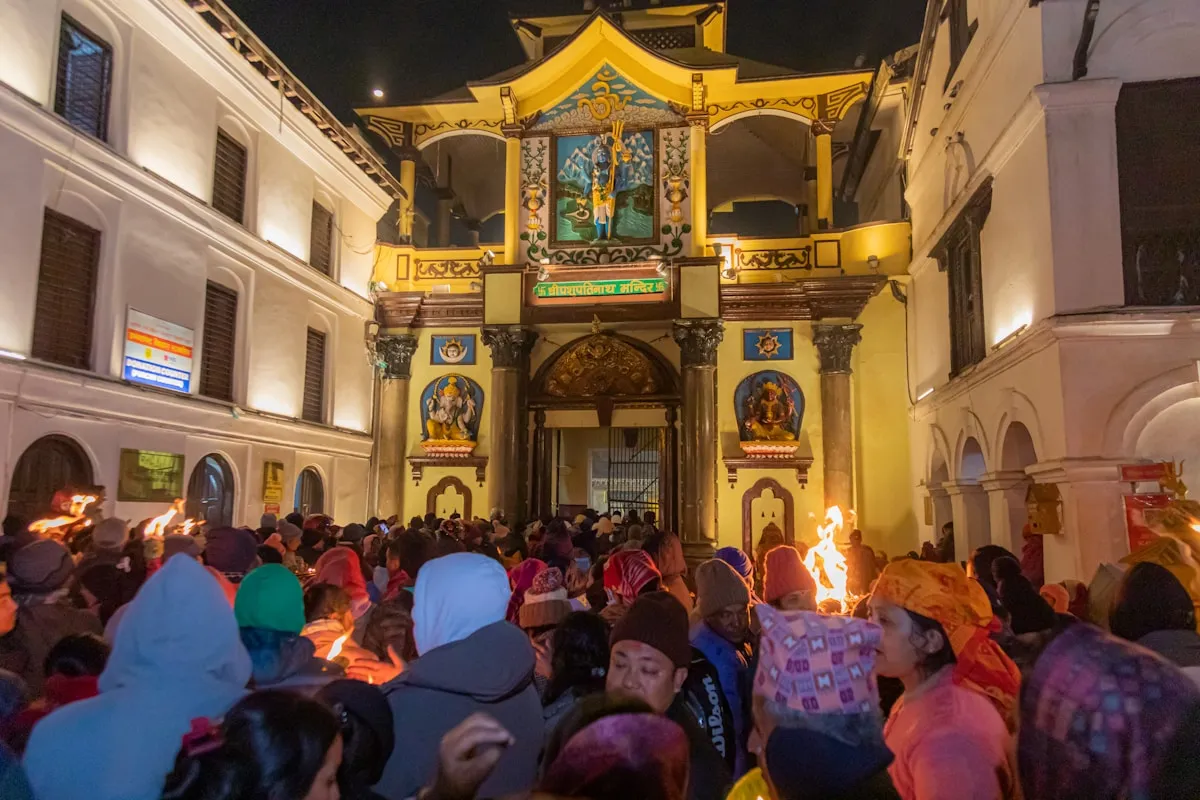 Traditional Gujarati attire adds to the festive atmosphere of Garba celebrations
Traditional Gujarati attire enhances the Garba experience, though comfortable clothing that allows free movement is all that is truly required.
Traditional Women’s Attire
Chaniya Choli: The quintessential Garba outfit consists of a chaniya (flared skirt), choli (fitted blouse), and dupatta (scarf). These come in vibrant colours with elaborate embroidery, mirror work, and bandhani (tie-dye) patterns.
Where to Buy: Ottawa’s Indian clothing stores in the Kanata, Nepean, and Hunt Club areas stock Garba attire during the festival season. Prices range from $60 for simple sets to $300+ for heavily embroidered designer pieces. Online retailers also ship to Canada.
Accessories: Oxidized silver jewellery, beaded necklaces, and stacked bangles complete the look. Hair adorned with flowers or decorative pins adds traditional flair.
Traditional Men’s Attire
Kediyu and Dhoti: Traditional male Garba attire includes a kediyu (short gathered jacket), dhoti or tulani (loose pants), and pagdi (turban). Like women’s attire, these feature bright colours and intricate embroidery.
Kurta Pajama: A simpler alternative, the kurta pajama offers comfort and traditional appearance without the complexity of full Gujarati dress.
Non-Traditional Options
If you do not own traditional attire, do not let that stop you from attending:
- Bright colours are encouraged—think oranges, yellows, pinks, and greens
- Comfortable clothes that allow spinning and active movement
- Flat shoes or going barefoot (many prefer dancing without shoes)
- Avoid dark colours like black, which are considered inauspicious during Navratri
Most importantly, wear something that will not restrict your movement. You will be spinning, stepping, and potentially learning new footwork for hours.
Learning Garba: Steps for Beginners
 Volunteer instructors help newcomers learn basic Garba steps before the main event
Never danced Garba before? No problem. The circular format and community spirit of Garba welcome beginners enthusiastically.
Basic Garba Steps
The Three-Step (Tran Tali):
- Clap your hands once
- Snap fingers on right hand while stepping right
- Snap fingers on left hand while stepping left
- Repeat while moving counterclockwise in the circle
The Two-Step (Be Tali): A simpler version with just two claps, often used for slower songs at the beginning of the evening.
Dodhiyu: A signature Garba step involving a slight hop while clapping, creating a bouncy, energetic movement.
Tips for First-Time Dancers
Arrive Early: Many events offer beginner instruction sessions 30-60 minutes before the main program. ICSO typically includes dance demonstrations for newcomers.
Start on the Outer Circle: The outermost ring moves slowest and allows you to watch experienced dancers in inner circles while finding your rhythm.
Follow the Person Ahead: Garba is about community, not individual performance. Match your movements to the person in front of you.
Do Not Worry About Mistakes: Everyone was a beginner once. The energy and joy of the celebration matter more than perfect technique.
Pace Yourself: Garba continues for hours. Take breaks, hydrate, and enjoy the food and socializing between dance sets.
Online Learning Resources
YouTube offers countless Garba tutorial videos ranging from basic steps to advanced choreography. Search “Garba steps for beginners” and practice at home before attending an event. Many tutorials feature popular songs you will likely hear at Ottawa celebrations.
Navratri Food and Traditions
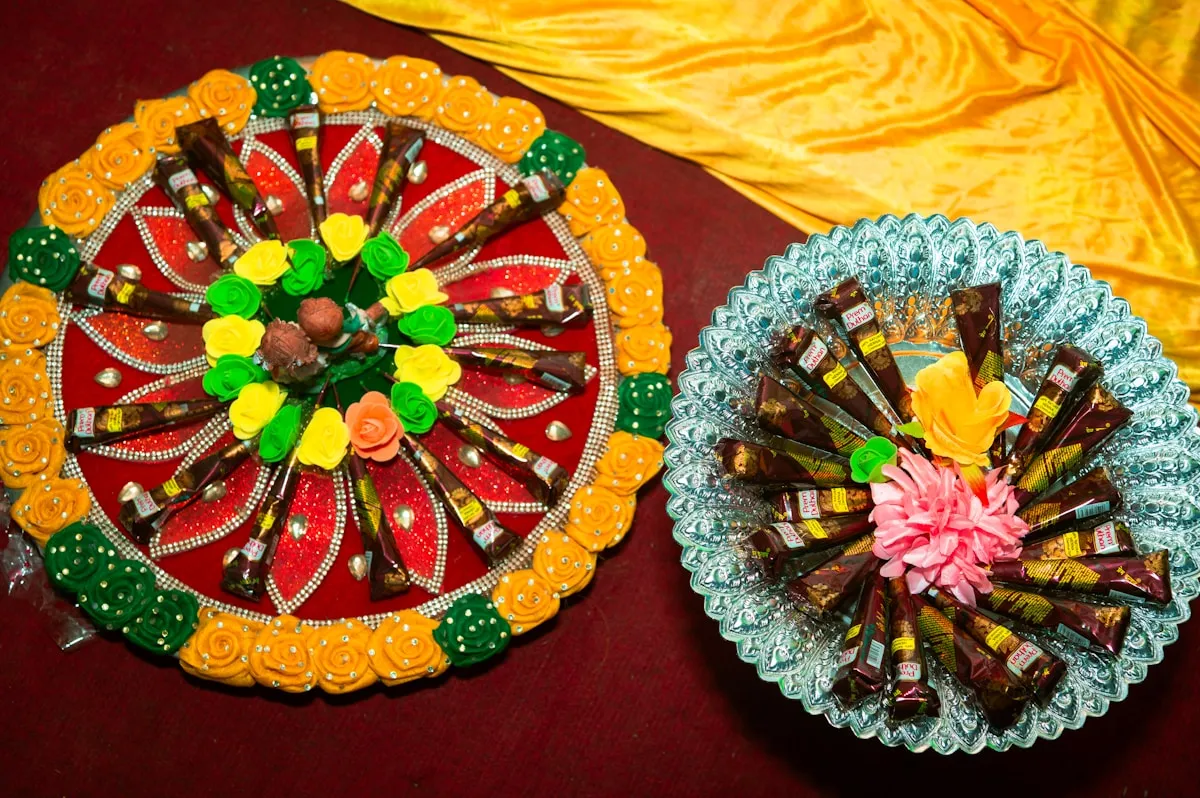 Food stalls at Garba events serve both fasting-friendly dishes and regular festival fare
Navratri involves specific dietary observances, and Garba events typically offer foods that accommodate fasting traditions.
Navratri Fasting Rules
Many devotees observe partial fasts during Navratri, avoiding:
- Grains like wheat and rice
- Onion and garlic
- Non-vegetarian foods
- Regular salt (rock salt is permitted)
Fasting menus feature ingredients like sabudana (tapioca pearls), kuttu (buckwheat), singhare ka atta (water chestnut flour), fruits, and dairy products.
Food at Garba Events
Ottawa Garba events typically feature food stalls offering:
Fasting Foods: Sabudana khichdi, kuttu puri, fruit chaat, and makhana (fox nuts) for those observing dietary restrictions.
Regular Festival Foods: Samosas, chaat, pav bhaji, dosas, and other Indian favourites for those not fasting.
Beverages: Chai, lassi, fresh juices, and soft drinks are standard offerings.
Arrive hungry—the food at ICSO events is consistently praised for quality and variety. Prices are typically reasonable, with most items under $10 CAD.
Other Navratri Traditions
Colours of the Day: Each Navratri night associates with a specific colour. Wearing that day’s designated colour adds to the festive spirit. Event organizers often announce the colour calendar before the festival.
Durga Puja: Alongside Garba, some devotees participate in elaborate Durga Puja rituals, particularly prevalent among Bengali communities. Ottawa hosts separate Durga Puja celebrations with traditional rituals and cultural programs.
Golu/Kolu Display: South Indian families display figurines and dolls in tiered arrangements called golu, inviting visitors to view the displays and enjoy prasad (blessed food).
If you enjoy Indian cultural celebrations, explore our guide to Makar Sankranti and Pongal celebrations in Ottawa, another major festival celebrated by Ottawa’s South Asian communities each January.
Practical Tips for Garba Nights
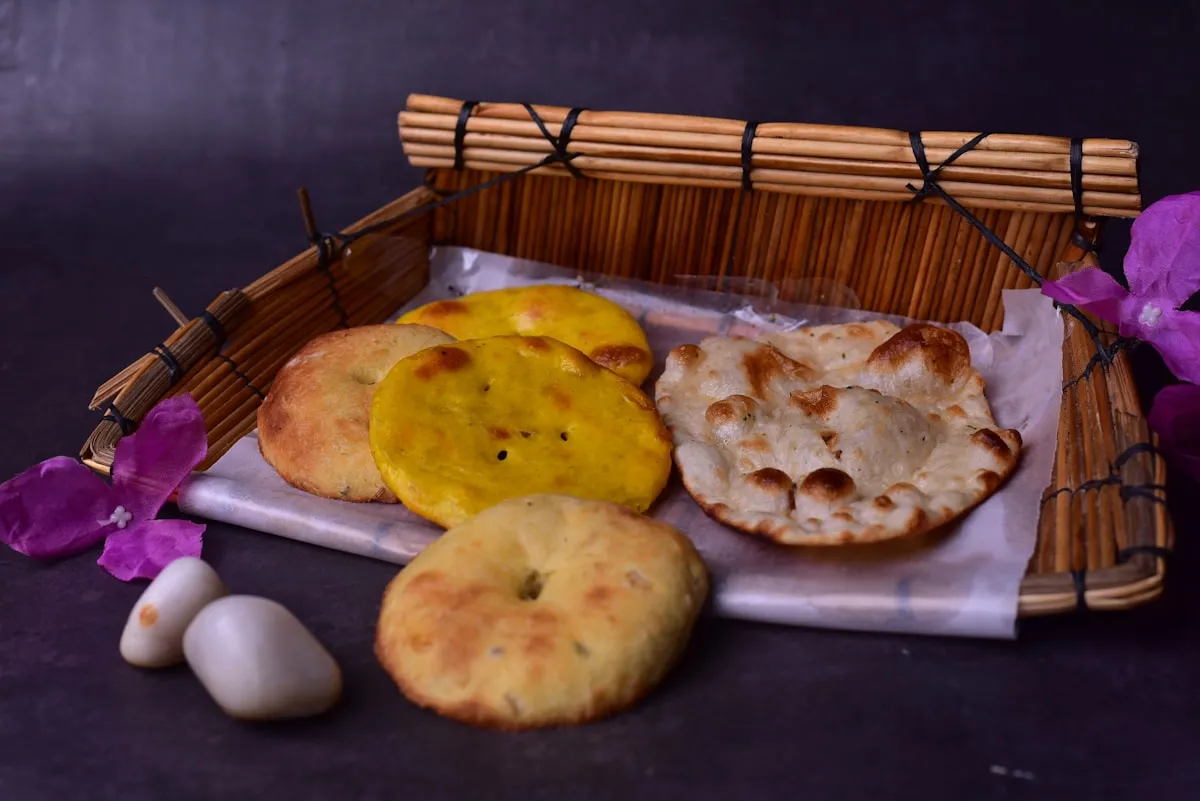 Large Garba events require some planning for parking, comfort, and enjoyment
What to Bring
- Water bottle: Dancing generates serious thirst
- Small towel: For wiping away sweat between sets
- Cash: Some food vendors may not accept cards
- Comfortable bag: To hold your belongings while dancing
- Dandiya sticks: Often sold at events, but bringing your own ensures quality
- Phone/camera: For capturing memories (but secure it while dancing)
Parking and Transportation
Large events at venues like the EY Centre offer ample parking, but arrive early to avoid walking long distances. Some community events may have limited parking—consider carpooling or ride-sharing.
OC Transpo service may not run late enough for events that continue past midnight. Plan your return transportation in advance.
Health and Safety
- Hydrate: The combination of dancing and crowds generates considerable heat
- Pace yourself: There is no shame in sitting out faster numbers
- Wear comfortable footwear: Or dance barefoot if permitted
- Be aware of surroundings: Large crowds and swinging dandiya sticks require attention
- Secure valuables: Consider leaving non-essentials in your vehicle
Frequently Asked Questions
Q: When is Navratri Garba celebrated in Ottawa?
Navratri falls in late September or early October, following the Hindu lunar calendar. The exact dates shift each year. For 2026, expect celebrations around late September or early October. Major events are typically held on weekends, with ICSO hosting on the first, fifth, and ninth nights.
Q: Do I need to know how to dance Garba to attend?
Not at all. Garba events welcome complete beginners. Most large events include instruction sessions before the main program, and the circular format allows newcomers to follow experienced dancers. The atmosphere is encouraging, and people of all skill levels dance together.
Q: What should I wear to a Garba night?
Traditional Gujarati attire (chaniya choli for women, kediyu or kurta pajama for men) enhances the experience but is not required. Wear comfortable, colourful clothing that allows free movement. Avoid dark colours, particularly black. Flat shoes or barefoot dancing is common.
Q: How much do tickets cost for Garba events in Ottawa?
Ticket prices vary by event. ICSO celebrations typically range from $25-50 CAD per night, with early bird discounts available. University and community centre events may be free or charge $10-20 CAD. Family packages often offer savings.
Q: Are children welcome at Garba events?
Yes, Navratri is a family celebration and children participate enthusiastically. Smaller venues may be more manageable for young children. Most events allow free entry for children under a certain age (often 5 or 10 years old).
Q: Where can I buy dandiya sticks in Ottawa?
Dandiya sticks are sold at Garba events, though quality varies. Indian grocery stores and clothing shops in Ottawa stock them during the festival season. Online retailers offer decorative options. Basic sticks cost $10-15 CAD per pair.
Q: Is food vegetarian at Garba events?
Yes, food at Navratri events is entirely vegetarian, reflecting the fasting traditions of the festival. Many items are also prepared according to Navratri dietary restrictions (no onion, garlic, or regular salt), though not all offerings are fasting-compliant.
Q: Can non-Hindus or non-Indians attend Garba?
Absolutely. Garba events in Ottawa are open to everyone regardless of religious or cultural background. Many attendees are there simply to enjoy the music, dance, and community atmosphere. Come with respect and an open mind.
Q: How late do Garba events run?
ICSO events typically continue until 1:00 AM. Smaller community events may end earlier (10:00-11:00 PM). Plan transportation accordingly, as public transit may not be available late at night.
Q: What is the difference between Garba and Dandiya?
Garba is performed without props, with dancers moving in circles and using hand movements including clapping and snapping. Dandiya Raas uses decorated wooden sticks, with partners facing each other and striking sticks in patterns. Most events feature both dances, starting with Garba and transitioning to Dandiya.
Final Thoughts
Garba nights offer one of Ottawa’s most vibrant and inclusive cultural experiences. The combination of driving rhythms, swirling colours, devotional energy, and warm community spirit creates an atmosphere unlike any other event in the capital. Whether you attend the massive ICSO celebration with thousands of dancers or an intimate community gathering, the joy of Navratri is infectious.
For Ottawa’s Gujarati community and broader South Asian populations, Garba provides an essential connection to cultural heritage and an opportunity to share traditions with friends, neighbours, and curious newcomers. The festival reminds us that celebration, devotion, and community transcend language and cultural boundaries.
Mark late September on your calendar, find a comfortable pair of dancing shoes (or plan to go barefoot), and join Ottawa’s colourful Navratri celebrations. The only requirement is a willingness to move, smile, and let the music carry you around the circle.
Sources: Indian Cultural Society of Ottawa (ICSO), Hindu Temple of Ottawa-Carleton, Eventbrite event listings. Traditional festival information compiled from cultural heritage resources.