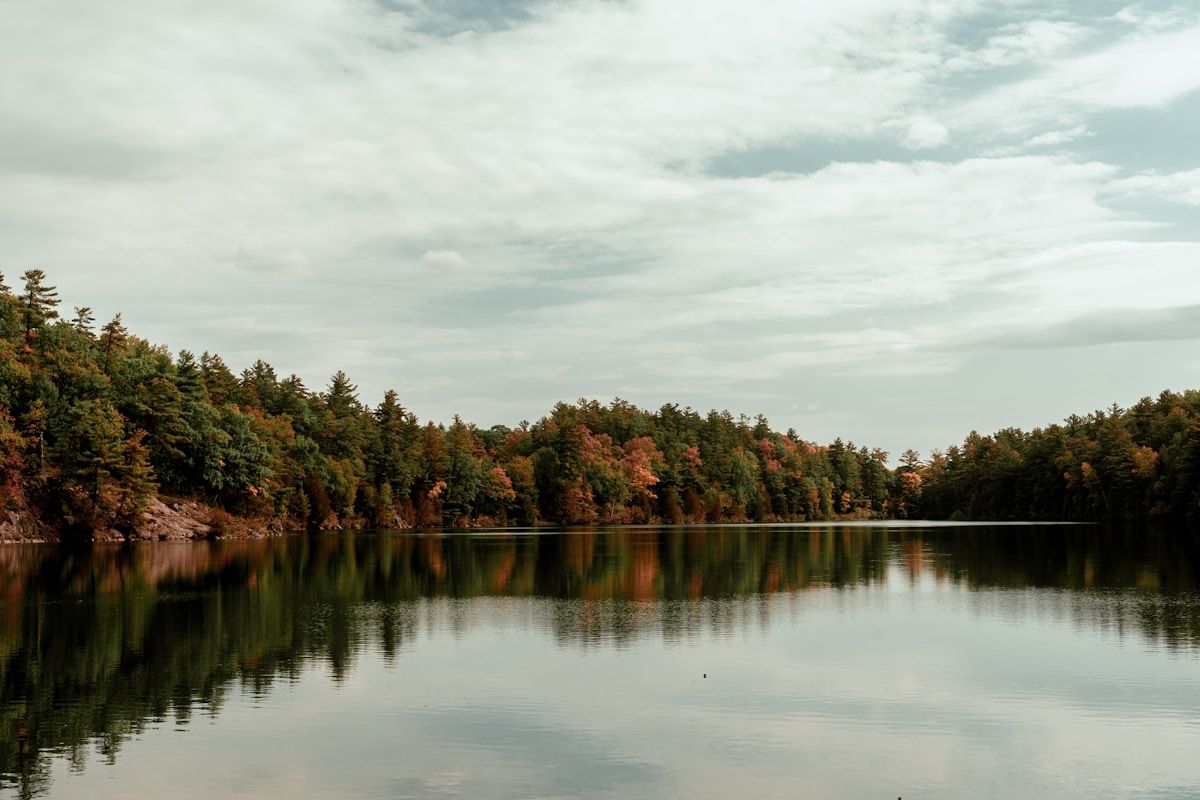
Last Updated: December 22, 2025
Gatineau Park is a 36,100-hectare conservation area in Gatineau, Quebec, just 15 minutes from downtown Ottawa, featuring 165+ km of hiking trails including Pink Lake, Lusk Cave, the Mackenzie King Estate, and world-class cross-country skiing—all managed by the National Capital Commission.
Gatineau Park is the National Capital Region’s crown jewel for outdoor recreation, attracting over 2.7 million visitors annually to its diverse landscapes spanning forests, lakes, valleys, and lookouts. Whether you’re seeking challenging hiking trails, peaceful lakeside beaches, world-class cross-country skiing, or simply stunning fall foliage drives, this vast conservation area delivers unforgettable experiences just minutes from the city. Check NCC trail conditions before visiting.
Key Highlights
TL;DR: Gatineau Park is a 36,000+ hectare conservation area just 15 minutes from Ottawa, offering world-class hiking, skiing, biking, swimming, and scenic drives across four seasons. Home to 50+ hiking trails including Pink Lake and Lusk Cave, plus the historic Mackenzie King Estate, it’s the region’s premier outdoor destination.
| Quick Facts | Details |
|---|---|
| 📍 Location | Gatineau, Quebec (15 min from downtown Ottawa) |
| 💰 Cost | Free entry, parking fees apply seasonally |
| 🚗 Size | 361 square kilometres (36,100 hectares) |
| ❄️ Season | Open year-round, activities vary by season |
| 🎉 Annual Visitors | 2.7+ million |
Getting to Gatineau Park from Ottawa
Gatineau Park’s proximity to Ottawa makes it incredibly accessible for day trips, weekend adventures, or even morning exercise before work. The park has multiple access points, with the most popular entrances located just across the Ottawa River in Gatineau, Quebec.
From downtown Ottawa, you can reach the park’s southern access points in 15-20 minutes by car. Take the Champlain Bridge or Alexandra Bridge to cross into Gatineau, then follow signs to the parkways. The main southern access points include P1 and P2 parking areas at the southern end of the Gatineau Parkway, providing immediate access to popular trails like Pink Lake.
For northern park access, the drive takes 25-35 minutes from downtown Ottawa. Follow Highway 5 north through Gatineau, then take exits to various park sectors including the Lusk Cave area, Meech Lake, and Philippe Lake. The park’s extensive network of parkways and access roads makes navigation straightforward, with clear signage throughout.
Public transportation options are limited, though some OC Transpo and STO bus routes reach the park’s southern edges during peak season. Most visitors drive, bike, or carpool to access the park’s numerous trailheads and facilities. Parking is available at over 50 designated lots throughout the park, with capacity ranging from small trailhead parking for 10-15 vehicles to large beach parking areas accommodating hundreds of cars during summer.
Hiking Trails: From Easy Walks to Challenging Treks
Gatineau Park boasts over 165 kilometres of hiking trails across more than 50 designated routes, offering everything from gentle lakeside strolls to steep summit climbs with panoramic views of the Ottawa Valley.
Pink Lake Trail ranks as the park’s most popular hike and for good reason. This 2.5-kilometre loop circles the stunning meromictic Pink Lake, famous for its rare ecological properties where water layers don’t mix. Despite the name, the lake isn’t actually pink—it was named after the Pink family who settled nearby. The easy, well-maintained trail features boardwalk sections, interpretive signs explaining the lake’s unique chemistry, and beautiful forest scenery. Expect crowds on weekends, especially during fall colours, but the trail’s wide paths accommodate many hikers comfortably. Parking at P1 or P2 fills quickly on peak days, so arrive before 9 AM or after 4 PM for guaranteed spots.
King Mountain Trail provides the park’s most rewarding summit views with moderate effort. The 4-kilometre loop gains about 200 metres of elevation through mixed hardwood forest before emerging at lookouts overlooking the Ottawa River, Parliament Hill, and surrounding valleys. The trail can be accessed from several points, with the most direct route starting from parking lot P13. Expect 1.5-2 hours for the complete loop, with rocky sections requiring sturdy footwear. The summit lookouts offer photo opportunities that rival any in Eastern Ontario, particularly during fall foliage peak or winter’s crisp clarity.
Lusk Cave Trail takes adventurers to the park’s most unique geological feature—a 90-metre marble cave system you can walk through. The 10.6-kilometre round-trip trail starts at parking lot P19 and follows the Eardley Escarpment before descending to the cave entrance. The cave itself requires wading through shallow water (bringing waterproof boots or sandals is essential), and exploring the passageways demands some scrambling over rocks. This adventure isn’t for everyone, but thrill-seekers and geology enthusiasts find it absolutely worth the effort. Allow 3-4 hours for the full hike, and check trail conditions before departing as high water can make cave exploration dangerous.
Western Shelter Trail offers a peaceful 10.8-kilometre loop through mature forest to a backcountry shelter where you can rest and enjoy packed lunch. This moderate trail showcases the park’s quieter sectors, with excellent opportunities for wildlife spotting including white-tailed deer, porcupines, and numerous bird species. The trail’s length and remoteness mean fewer crowds than southern park trails, making it perfect for those seeking solitude in nature.
Wolf Trail provides 7 kilometres of rolling terrain through mixed forest with several lookout points offering views across Meech Lake Valley. The trail connects to several other routes, allowing hikers to customize their distance and difficulty. Intermediate hikers appreciate this trail’s variety and the sense of deeper wilderness it provides.
Trail conditions vary seasonally. Spring brings muddy sections as snowmelt saturates paths, though this season also offers rushing waterfalls and emerging wildflowers. Summer provides the driest conditions but also the warmest temperatures—bring plenty of water. Fall transforms the park into a kaleidoscope of colour, making any trail spectacular but also crowded on weekends. Winter hiking requires microspikes or snowshoes depending on conditions, with many summer trails becoming cross-country ski routes.
Summer Activities: Swimming, Camping, and Biking
Summer transforms Gatineau Park into an outdoor recreation paradise with activities spanning multiple lakes, beaches, and trail networks.
Swimming and Beaches provide refreshing escapes during hot Ottawa summers. The park maintains five supervised beaches: Blanchet Beach (Meech Lake), O’Brien Beach (Meech Lake), La Pêche Beach (Philippe Lake), Breton Beach (Philippe Lake), and Smith Beach (Philippe Lake). Each beach offers sandy shores, clear water, picnic facilities, and change rooms. Lifeguards supervise during peak season (typically late June through August), making these beaches family-friendly destinations.
Meech Lake’s beaches tend to be most popular with Ottawa residents due to proximity, while Philippe Lake’s three beaches offer more space and slightly less crowded conditions. Water quality is consistently excellent, with the NCC conducting regular testing throughout the season. Parking fees apply at beach lots during summer ($13-15 per vehicle as of 2025), and lots fill quickly on hot weekends—arrive before 10 AM for guaranteed spots.
Camping opportunities include both backcountry and frontcountry options. Philippe Lake Campground offers 244 campsites ranging from basic tent sites to sites with electrical hookups for RVs. Located on the shores of Philippe Lake, the campground provides easy access to beaches, hiking trails, and boat launches. Reservations are essential during peak season and can be made through the Parks Canada reservation system. The campground operates from mid-May through mid-October, with peak rates during July and August.
For more adventurous campers, the park maintains backcountry camping areas accessible only by hiking. These primitive sites offer true wilderness experiences with no facilities beyond tent platforms and fire pits. Permits are required and can be obtained through the NCC website. Popular backcountry sites fill quickly for summer weekends, so plan well in advance.
Cycling attracts thousands of riders to the park’s extensive network of paved and unpaved routes. The Gatineau Parkway transforms into a cyclist’s paradise during Sunday Bikedays (spring through fall), when the parkway closes to vehicle traffic between 6 AM and 11 AM. The 9-kilometre Champlain Parkway section provides rolling hills through forest with minimal vehicle interaction even on regular days, making it popular for training rides and family outings.
Mountain biking is permitted on designated multi-use trails, with popular routes including the Lac la Pêche Trail and various western sector trails. Trail difficulty ranges from beginner-friendly hardpack paths to technical singletrack requiring advanced skills. The NCC provides detailed trail maps showing which routes allow cycling, as many hiking-only trails prohibit bikes to prevent trail damage and user conflicts.
Picnicking areas dot the park’s landscape, with developed facilities at Mackenzie King Estate, Champlain Lookout, and various lakeside locations. These areas provide tables, grills, shelters, and washroom facilities. Many picnic sites offer stunning views, making them popular for family gatherings, birthday parties, and casual outdoor dining. Reservations aren’t required but arriving early on summer weekends ensures you’ll find available tables.
Winter Wonderland: Cross-Country skiing and Snowshoeing
Winter transforms Gatineau Park into one of North America’s premier cross-country skiing destinations, with over 200 kilometres of expertly groomed trails attracting skiers from across the continent.
Cross-Country Skiing trails range from gentle beginner routes to challenging expert terrain with steep climbs and thrilling descents. The trail network divides into three skill levels clearly marked on trail maps and at trailhead kiosks. Green trails suit beginners with gentle grades and wide paths, blue trails challenge intermediate skiers with moderate hills and narrower tracks, and black trails test experts with steep climbs, fast descents, and technical sections.
Popular ski routes include the Meech Lake loop trails offering scenic lake views, the Champlain Parkway route providing long distance touring opportunities, and the Western Shelter trails for those seeking backcountry ski experiences. The NCC grooms trails regularly throughout winter, typically grooming 165 kilometres for classic skiing and 100 kilometres for skate skiing.
Trail passes are required for all skiers and can be purchased daily at park entry points or as season passes through the NCC website. Daily passes cost approximately $16 per adult, while season passes offer significant savings for frequent skiers ($120-140 for adults). Children 12 and under ski free. Pass revenue directly funds trail grooming and maintenance, ensuring consistently excellent conditions.
Several warming huts are strategically located throughout the ski trail network, providing shelter, washrooms, and places to rest and refuel. Popular huts include Huron Cabin, Western Shelter, and the Mackenzie King Estate tea room (when winter operations permit). Bringing snacks and hot drinks enhances the winter skiing experience, as food services within the park are extremely limited during winter.
Snowshoeing offers a quieter, more meditative way to explore winter’s transformed landscape. While some trails are designated for snowshoeing only, many are multi-use allowing both skiing and snowshoeing. Dedicated snowshoe trails total about 25 kilometres, with routes ranging from easy lakeside paths to challenging climbs.
The Pink Lake snowshoe trail remains as popular in winter as summer, offering a completely different perspective of the famous lake under snow and ice. King Mountain’s summit becomes more challenging in winter but rewards hardy snowshoers with spectacular views across snowy forests. The Lusk Cave trail becomes an advanced winter expedition requiring significant stamina and proper equipment.
Snowshoeing doesn’t require trail passes, making it a budget-friendly winter activity. However, parking fees still apply at most lots ($10-13 per vehicle). Most Ottawa-area outdoor retailers offer snowshoe rentals if you don’t own equipment, with daily rates around $15-25.
Fat Biking has grown in popularity, with some trails designated for winter cycling on oversized-tire bikes. Check current regulations as permitted routes may change annually based on conditions and user demand. Fat biking typically requires daily trail passes similar to cross-country skiing.
Winter safety is paramount. Always check weather forecasts and trail conditions before heading out. Dress in layers, bring extra warm clothing, pack high-energy snacks, carry plenty of water (hydration is crucial even in cold weather), and tell someone your planned route and expected return time. Cell phone coverage is spotty in remote park sectors, so don’t rely solely on your phone for emergency communication or navigation.
Fall Colours: Peak Viewing Times and Scenic Drives
Gatineau Park’s fall colour display ranks among Eastern Canada’s finest, drawing tens of thousands of visitors during the annual foliage peak typically occurring in late September through mid-October.
The park’s 36,000 hectares contain diverse tree species that turn vibrant shades of red, orange, and yellow at slightly different times, creating a rolling wave of colour transformation. Sugar maples provide brilliant oranges and reds, while birches contribute bright yellows and aspens add golden tones. The mixed hardwood forests create a natural mosaic of colour unmatched in urban-adjacent locations.
Peak Viewing Times vary annually based on weather patterns, but generally occur between September 25 and October 10. The NCC provides weekly fall colour reports starting in early September, rating colour intensity across different park sectors. These reports help visitors time their trips for optimal viewing. Early season colour often appears first in higher elevations and northern sectors, while southern slopes near Ottawa tend to peak slightly later.
Weekend traffic during peak colour can be intense, with popular lookouts and parking areas filling by mid-morning. Visiting on weekdays provides a more peaceful experience with easier parking and less crowded viewpoints. If weekends are your only option, arrive before 9 AM or after 3 PM to avoid the worst congestion.
Champlain Lookout stands as the park’s most iconic fall viewing spot, offering panoramic vistas across the Ottawa Valley with the Parliament Buildings visible in the distance. The lookout sits at 335 metres elevation, providing an elevated perspective of seemingly endless autumn forest. A large parking area accommodates visitors, though it still fills during peak colour weekends. The short walk from parking to the lookout viewing platform is accessible for most fitness levels.
Gatineau Parkway Scenic Drive provides 36 kilometres of winding road through the heart of the park’s colour display. The parkway connects multiple lookouts, beaches, and trail access points while offering continuous roadside colour viewing. Driving the full parkway takes 45-60 minutes without stops, but most visitors spend 2-3 hours making frequent stops for photos and short walks.
Starting from the southern access at Old Chelsea, the parkway climbs gradually through mixed forest before reaching Champlain Lookout, then continues north past Meech Lake, Pink Lake access, and numerous smaller viewpoints before ending at Philippe Lake. Fall weekends see the parkway busy with slow-moving traffic as drivers pause to admire views and snap photos—exercise patience and pull fully off the road when stopping.
Étienne Brûlé Lookout offers another spectacular viewpoint with slightly different perspectives than Champlain. Located further north along the parkway, this lookout provides views of the Eardley Escarpment and deeper wilderness sections. The smaller parking area means less crowding, making it a quieter alternative to Champlain Lookout.
Photography Tips for capturing Gatineau Park’s fall glory include visiting during “golden hour” (the hour after sunrise or before sunset) when angled light makes colours glow, using a polarizing filter to reduce glare and enhance colour saturation, including foreground elements like rocks or logs to add depth, and shooting on slightly overcast days when clouds diffuse light evenly across the landscape.
Beyond passive viewing, fall offers excellent hiking opportunities with cooler temperatures and fewer bugs than summer. The same trails that attract crowds in summer become even more spectacular under autumn’s colour palette. Popular fall hikes include Pink Lake, King Mountain, and any routes accessing elevated viewpoints.
Mackenzie King Estate: Historic Retreat and Beautiful Grounds
The Mackenzie King Estate preserves the summer retreat of Canada’s 10th Prime Minister, William Lyon Mackenzie King, who served as PM for 22 years across three terms. The estate opened to the public following King’s death in 1950, when he bequeathed the property to Canadians.
The estate spans 231 hectares within Gatineau Park and includes beautifully maintained gardens, walking paths, historic ruins, and the restored Moorside residence where King hosted dignitaries and conducted informal government business during summer months.
The Gardens showcase King’s passion for landscape design and collection of architectural ruins salvaged from Ottawa buildings. Formal gardens include symmetrical beds of perennials and annuals surrounded by neatly trimmed hedges, while less formal areas feature meandering paths through woodland gardens and along streams. The ruins garden displays fragments of Canada’s original Parliament Buildings destroyed in the 1916 fire, stones from the British North America Club, and pieces from the Bank of Montreal, all artfully arranged as garden follies.
King believed these rescued architectural elements connected him to Canada’s history and important figures. Walking among the ruins and gardens provides insight into this complex political leader’s personality and interests beyond politics.
Moorside served as King’s primary summer residence. The restored cottage features period furnishings and exhibits about King’s life, political career, and interest in spiritualism (he famously held séances attempting to contact his deceased mother and former political leaders). Guided tours provide deeper historical context, while self-guided visitors can explore at their own pace using interpretive materials.
The Tea Room operates during summer months, offering light meals, afternoon tea service, and refreshments in a historic setting. Sitting on the terrace overlooking the gardens while enjoying scones and tea creates a charming step back in time. The tea room books up quickly on summer weekends, so reservations are recommended.
Walking Trails throughout the estate connect various garden areas and provide access to additional ruins and natural features. The trails are easy, well-maintained, and suitable for all fitness levels. A complete exploration of the estate’s grounds takes 1-2 hours, though many visitors spend longer enjoying the peaceful atmosphere and photo opportunities.
The estate hosts special events throughout the year including spring garden tours, summer outdoor concerts, fall colour events, and occasional historical reenactments. Check the NCC website for current programming schedules.
Admission to the estate grounds is free, though donations are encouraged to support ongoing preservation. The estate is accessible daily from May through October, with limited access during winter months. Parking is available adjacent to the estate entrance, with standard park parking fees applying.
Gatineau Parkway: Scenic Drives Through the Hills
The Gatineau Parkway serves as the park’s scenic spine, connecting major features and providing access to trailheads, lookouts, beaches, and historic sites along its 36-kilometre route through the Gatineau Hills.
Originally conceived in the 1930s as part of the National Capital Region’s development, the parkway was designed as a scenic leisure drive showcasing the area’s natural beauty while providing recreational access. Unlike many parkways built purely for efficiency, the Gatineau Parkway deliberately winds and climbs to maximize scenic experiences.
Driving the Parkway north from Old Chelsea to Philippe Lake takes 45-60 minutes at a leisurely pace without stops. Most visitors take significantly longer, making numerous stops at lookouts, beaches, and trailheads. The road features gentle curves, moderate hills, and well-maintained pavement throughout. Speed limits typically range from 40-60 km/h, with lower limits near lookouts and high-use areas.
Major attractions along the parkway include Champlain Lookout (kilometre 12), Pink Lake parking and trail access (kilometre 5), Mackenzie King Estate turnoff (kilometre 8), Meech Lake access points (kilometres 10-13), Étienne Brûlé Lookout (kilometre 18), and Philippe Lake (northern terminus at kilometre 36).
Sunday Bikedays transform the parkway into a car-free zone for cyclists during spring, summer, and fall. From 6 AM to 11 AM each Sunday, the Champlain Parkway section (9 kilometres from Fortune Lake Parkway to Gamelin Boulevard) closes to vehicles, allowing cyclists, rollerbladers, and pedestrians to enjoy the route without vehicle traffic. Thousands participate on pleasant weather weekends, creating a festive atmosphere.
Winter Access varies along the parkway. Some sections remain open for vehicle traffic to provide access to ski trailheads and parking areas, while other sections close completely. Check current conditions before planning winter drives, as closures can change based on weather and park operations needs.
Wildlife Viewing opportunities abound along the parkway, particularly during early morning and evening hours. White-tailed deer frequently appear along roadside edges, while foxes, porcupines, and occasional black bears are spotted by observant drivers. Bird watchers often stop at lookouts and quiet pulloffs to scan for raptors, woodpeckers, and seasonal migrants.
Parkway etiquette includes pulling completely off the road when stopping (never stopping in travel lanes), observing posted speed limits, yielding to cyclists when roads are open to mixed traffic, and respecting closures during Bikedays and winter operations.
Fees, Permits, and Regulations
Understanding Gatineau Park’s fee structure and regulations ensures smooth visits and helps support park operations and conservation.
Parking Fees apply year-round at most park locations. Daily parking rates as of 2025 are approximately $13-15 per vehicle depending on location and season. Beach parking during summer peak season costs slightly more ($15-17), while winter ski trail parking runs $10-13. Payments can be made at automated kiosks (credit/debit only) or through the NCC mobile app.
Season parking passes provide value for frequent visitors, costing approximately $90-110 annually for unlimited parking at all park locations. Senior discounts and multi-year passes are available. The passes pay for themselves after 7-8 visits, making them worthwhile for regular park users.
Cross-Country Ski Passes are required for all skiers using groomed trails. Daily passes cost about $16 for adults, $11 for seniors (65+), and free for children under 12. Season passes run $120-140 for adults, $85-95 for seniors. These fees directly fund trail grooming operations that maintain the park’s reputation for world-class ski conditions.
Camping Fees at Philippe Lake Campground vary by site type and season. Basic tent sites cost $25-30 per night, while electrical sites run $35-40. Additional fees apply for firewood bundles, extra vehicles, and visitor passes. Backcountry camping permits cost approximately $10 per person per night.
Park Regulations protect both visitors and the natural environment. Key rules include:
- Stay on designated trails to prevent erosion and habitat damage
- Pack out all garbage (no trash cans provided on trails)
- Dogs must be leashed at all times; dogs are prohibited on beaches
- No swimming outside designated beach areas
- No fires except in designated campground fire pits
- No alcohol in most park areas (permitted in campgrounds only)
- No drones without special permits
- Respect trail-specific regulations (hiking-only vs. multi-use)
- No picking plants, flowers, or mushrooms
- Observe wildlife from safe distances, never feed animals
Group Use Permits are required for organized events, group activities over 20 participants, commercial photography/filming, and special events. Contact the NCC well in advance to arrange permits and discuss specific requirements.
Accessibility features are available at several park locations including Mackenzie King Estate (paved paths through main garden areas), beach facilities (accessible washrooms and parking), and some shorter trails offering reduced-grade options. Contact the NCC for detailed accessibility information specific to your needs.
Conservation Ethic underpins all park operations. As a conservation area first and recreation area second, Gatineau Park prioritizes ecosystem protection while providing recreational access. Visitors play a crucial role in conservation by following regulations, staying on trails, and minimizing environmental impact.
FAQ
Q: How far is Gatineau Park from downtown Ottawa?
The park’s southern access points are approximately 15 minutes from downtown Ottawa by car. Cross the Ottawa River via Champlain Bridge or Alexandra Bridge, then follow signs to the Gatineau Parkway. Northern park sectors require 25-35 minutes from downtown. Public transit access is limited, so most visitors drive or bike to trailheads.
Q: When is the best time to visit Gatineau Park for fall colours?
Peak fall colours typically occur between September 25 and October 10, though exact timing varies annually based on weather. The NCC publishes weekly fall colour reports starting in early September to help visitors plan trips. Visit on weekdays to avoid weekend crowds at popular lookouts like Champlain.
Q: Do I need a permit to hike in Gatineau Park?
No permits are required for day hiking. However, parking fees apply at most trailheads ($13-15 per vehicle). Cross-country skiing requires trail passes ($16 daily, $120-140 seasonally). Backcountry camping requires permits ($10 per person per night). Season parking passes ($90-110 annually) provide good value for frequent visitors.
Q: Are dogs allowed in Gatineau Park?
Yes, leashed dogs are permitted on most trails and in general park areas. Dogs must remain on leash at all times and are prohibited from beaches, the Mackenzie King Estate gardens, and some sensitive ecological areas. Owners must clean up after their pets and control them around wildlife.
Q: Can I swim in Pink Lake?
No, swimming is prohibited in Pink Lake to protect its rare ecological status as a meromictic lake where water layers don’t mix. The park offers five supervised swimming beaches at Meech Lake (Blanchet and O’Brien beaches) and Philippe Lake (La Pêche, Breton, and Smith beaches). These beaches provide excellent swimming conditions from late June through August.
Q: What’s the best hiking trail for beginners in Gatineau Park?
The Pink Lake Trail is ideal for beginners—a 2.5-kilometre easy loop with interpretive signs, boardwalk sections, and beautiful scenery. The trail is well-maintained, relatively flat, and takes 45-60 minutes at a leisurely pace. For slightly longer beginner options, try the trails around Mackenzie King Estate or the easier sections around Meech Lake beaches.
Q: Is Gatineau Park open in winter?
Yes, the park operates year-round and winter is actually peak season for cross-country skiing enthusiasts. The park maintains over 200 kilometres of groomed ski trails from December through March. Snowshoeing, winter hiking, and fat biking are also popular. Some parkway sections close to vehicles during winter, but access remains available to most areas.
Q: Where can I see the best views in Gatineau Park?
Champlain Lookout offers the park’s most famous panoramic views at 335 metres elevation, showing the Ottawa Valley and Parliament Buildings in the distance. Étienne Brûlé Lookout provides similar vistas with fewer crowds. King Mountain’s summit (accessible via hiking trail) offers 360-degree views. All lookouts are spectacular during fall colour peak.
Final Thoughts
Gatineau Park stands as one of the National Capital Region’s greatest treasures, offering 36,000 hectares of pristine wilderness accessible within minutes of Ottawa’s urban core. From challenging summit hikes to peaceful lakeside beaches, world-class cross-country skiing to stunning fall colour drives, the park delivers diverse four-season experiences that satisfy outdoor enthusiasts of all interests and abilities.
The park’s proximity makes spontaneous visits practical—a morning ski before work, an afternoon hike on your lunch break, or an evening drive to watch sunset from Champlain Lookout. Yet the park’s vast size and varied terrain also support multi-day camping adventures deep in backcountry sectors where you might not see another person for hours.
Whether you’re new to Ottawa and discovering Gatineau Park for the first time, or a longtime resident who returns dozens of times annually, the park constantly reveals new perspectives, hidden corners, and seasonal transformations. The conservation area’s protection ensures these experiences will remain available for future generations while the excellent trail systems, facilities, and information resources make access easy today.
Pack appropriate gear for your planned activities, check current conditions and fees before departing, respect the regulations that protect this conservation area, and prepare for outdoor adventures that rival any National Park—all within a quick drive from downtown Ottawa. Gatineau Park proves you don’t need to travel hours to find wilderness experiences when you live in the National Capital Region.
Source: National Capital Commission - Gatineau Park, Gatineau Park Trails & Services