Last Updated: December 22, 2025
Ottawa’s best-kept secrets include the Dominion Arboretum’s 1,700 tree varieties at the Central Experimental Farm, the 3,500-hectare Mer Bleue Bog with its boardwalk through a 10,000-year-old peat ecosystem, Beechwood Cemetery as Canada’s National Cemetery, and Lusk Cave’s 60-meter marble passages in Gatineau Park.
Beyond the iconic landmarks lies an Ottawa that most visitors never see. These are the secret gardens where locals escape the crowds, the marble caves that require wading through ice-cold streams, the historic grounds that tell Canada’s untold stories, and the pristine bogs that seem worlds away from the bustling capital. Whether you’re a newcomer or a long-time resident, these eight secret spots reveal the soul of Ottawa that only locals truly understand.
Key Highlights
TL;DR: Discover 8 hidden gems in Ottawa that locals love but tourists rarely find, including a marble cave adventure, a 3,500-hectare bog boardwalk, Canada’s national cemetery, and secret gardens within the city. Most are free, open year-round, and offer unique experiences you won’t find on typical tourist maps.
| Quick Facts | Details |
|---|---|
| 📍 Locations | 8 secret spots across Ottawa and Gatineau |
| 💰 Cost | Most free; parking fees may apply |
| 🎯 Best For | Nature lovers, history buffs, photographers |
| ⏰ Access | Year-round (some seasonal restrictions) |
| 🚗 Getting There | Car recommended for most locations |
Dominion Arboretum: Ottawa’s Secret 26-Hectare Garden Sanctuary
Tucked within the Central Experimental Farm, the Dominion Arboretum remains one of Ottawa’s most spectacular yet underappreciated treasures. While tourists rush past its gates en route to more famous attractions, locals slip through the entrance on Prince of Wales Drive to discover a 26-hectare botanical wonderland that changes dramatically with every season.
Established in 1889, this living museum houses over 1,700 varieties of trees and shrubs from around the world, meticulously organized into collections that showcase everything from ornamental maples to rare conifers. The arboretum’s winding pathways lead visitors through distinct zones, each offering its own microclimate and character. In spring, the famous lilac collection explodes with colour and fragrance as more than 200 varieties bloom simultaneously, creating a sensory experience that draws knowing locals from across the city.
What makes the Dominion Arboretum truly special is its accessibility combined with its surprising solitude. Despite being free and open year-round, you can wander for hours without encountering the crowds that plague Ottawa’s major parks. Hidden benches nestle beneath ancient trees, offering perfect spots for reading, sketching, or simply watching the seasons change. Local photographers arrive at dawn to capture mist rising from the ornamental ponds, while couples discover secluded groves ideal for quiet conversations.
The arboretum transforms dramatically through the seasons. Summer brings lush canopies and shaded walks perfect for escaping the heat. Autumn sets the grounds ablaze with spectacular foliage displays rivaling anything in Gatineau Park. Winter reveals the architectural beauty of bare branches against snow, and cross-country skiers glide through trails that weave between the collections. The arboretum also connects seamlessly to other hidden areas of the Central Experimental Farm, including research fields and heritage barns that offer glimpses into Canada’s agricultural history.
For locals in the know, the arboretum serves multiple purposes. It’s a laboratory for learning tree identification, a peaceful lunch spot for downtown workers seeking respite, a photography classroom, and a reminder that Ottawa’s best experiences don’t require admission fees or tourist crowds. The nearby Dominion Observatory and Fletcher Wildlife Garden add historical and ecological dimensions to any visit, creating opportunities for full-day exploration without ever leaving the farm’s boundaries.

Beechwood Cemetery: Where Canadian History Rests in Peace
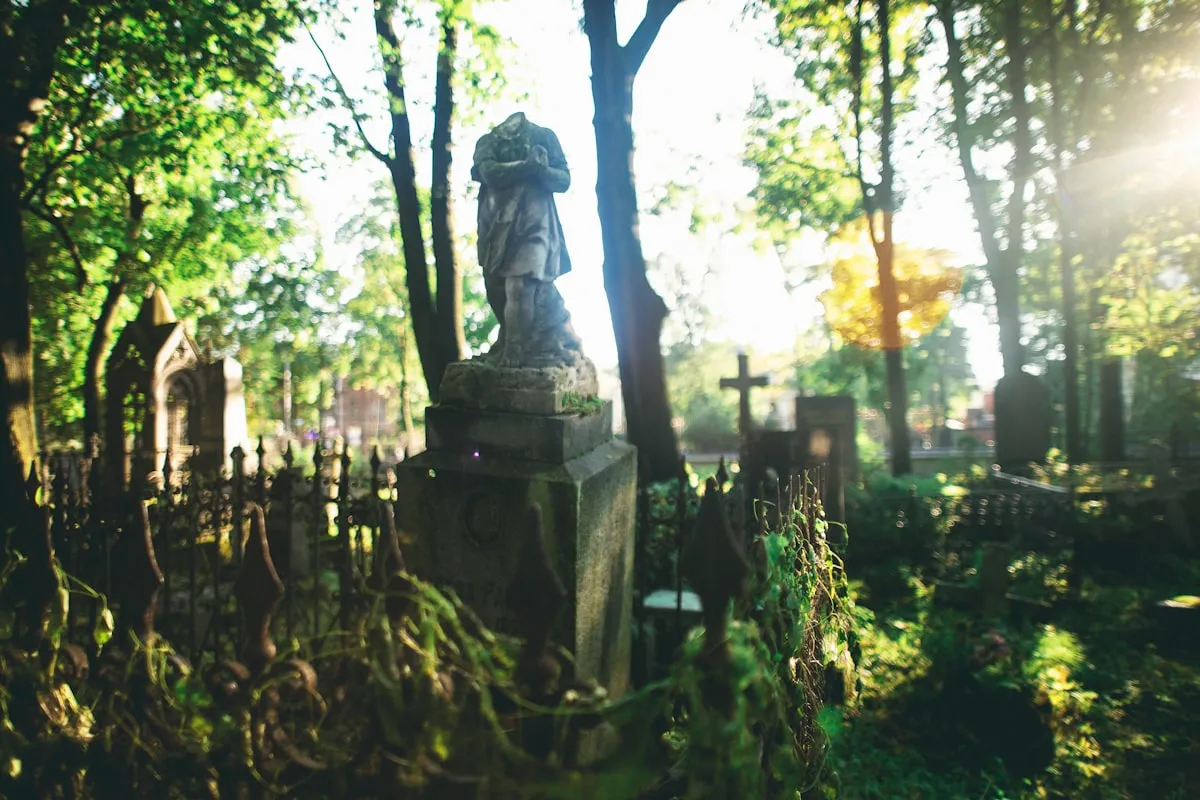
Most visitors would never think to explore a cemetery as a tourist destination, but Beechwood Cemetery defies all expectations. Designated as the National Cemetery of Canada in 2001, this 160-acre historic site along Beechwood Avenue serves as the final resting place for over 80,000 people, including some of the most influential figures in Canadian history. For locals who discover its winding paths and Victorian monuments, Beechwood becomes something far more than a burial ground—it’s an outdoor museum, a nature sanctuary, and a portal to Canada’s past.
Established in 1873, Beechwood Cemetery predates Canadian Confederation by only six years, making it a witness to virtually the entire modern history of the nation. Walking through its grounds feels like travelling through time, with ornate Victorian monuments giving way to more modest 20th-century markers, each telling stories of lives that shaped the country. The cemetery holds the graves of Sir Robert Borden, Canada’s eighth Prime Minister who led the nation through World War I, and Sir Sandford Fleming, the engineer who invented Standard Time and designed Canada’s first postage stamp.
Poetry lovers seek out the grave of Archibald Lampman, one of the Confederation Poets whose verses captured the Canadian landscape with unprecedented beauty. Tommy Douglas, the “Father of Medicare” whose vision created Canada’s universal healthcare system, rests here alongside RCMP officers who died in the line of duty and countless veterans from conflicts spanning more than a century. The National Military Cemetery section, established in 2001, honours Canadian Forces members with rows of uniform white markers that create powerful visual symmetry.
Beyond its historical significance, Beechwood offers unexpected natural beauty. Mature trees create cathedral-like canopies over the winding roads, and seasonal wildflowers soften the edges of century-old monuments. Local birdwatchers frequent the cemetery’s quieter sections, where urban wildlife thrives in the peaceful environment. The cemetery’s heritage department offers guided historical walking tours that reveal fascinating stories most visitors would otherwise miss, from political scandals to tales of heroism.
What sets Beechwood apart is its dual nature as both an active cemetery and a heritage site. It continues to serve Ottawa families while preserving Canada’s collective memory. Locals visit not with morbid curiosity but with genuine appreciation for the artistry of Victorian monuments, the stories of remarkable Canadians, and the unexpected tranquility found within city limits. The cemetery also serves as the RCMP National Memorial Cemetery, honouring Mounties with special commemorative areas that pay tribute to Canada’s iconic police force.
For those seeking a unique window into Canadian history or simply a peaceful place for contemplative walks, Beechwood Cemetery offers both. It’s a reminder that Ottawa’s most profound experiences often lie off the beaten tourist path, waiting in places you’d least expect.
Fletcher Wildlife Garden: A Hidden Ecosystem Within the City
While the Dominion Arboretum showcases horticultural artistry, the nearby Fletcher Wildlife Garden reveals nature’s own design prowess. Managed by volunteers from the Ottawa Field-Naturalists’ Club, this hidden gem at the Central Experimental Farm demonstrates what happens when human intervention focuses on restoration rather than manipulation. Located at 286 Maple Drive near Dow’s Lake, Fletcher Wildlife Garden remains one of Ottawa’s best-kept secrets despite offering some of the city’s finest birdwatching and native plant viewing.
The garden encompasses eight distinct habitat zones, each carefully maintained to support indigenous species. Visitors can walk through woodlands, meadows, pond environments, and specialized gardens within a compact area, experiencing ecosystem diversity that would normally require travelling across the region. The Butterfly Meadow bursts with activity during summer months as native wildflowers attract dozens of butterfly species, creating a living kaleidoscope of colour and motion. Over 160 bird species have been recorded in the garden, from common chickadees to rare migrants that birders travel hours to glimpse.
What makes Fletcher Wildlife Garden particularly special is its educational mission demonstrated through the Backyard Garden section. This area shows homeowners exactly how to transform typical lawns into wildlife-friendly habitats using native plants, creating corridors that support pollinators, birds, and beneficial insects. Interpretive signage throughout the trails explains ecological relationships, plant identification, and conservation strategies in accessible language that appeals to both children and adults.
Unlike manicured public gardens that prioritize visual appeal, Fletcher Wildlife Garden celebrates the productive chaos of natural systems. Seed heads remain standing through winter to feed birds. Fallen logs provide habitat for salamanders and insects. Native plants bloom in succession, ensuring food sources from spring through fall. The result is a landscape that looks genuinely wild despite being within sight of urban infrastructure.
Local naturalists consider Fletcher Wildlife Garden an essential resource for learning native plant identification and observing seasonal changes in Ottawa’s ecosystems. The quiet trails offer refuge from urban noise, and the small scale makes it ideal for short visits between errands or during lunch breaks. Spring migration brings waves of warblers that flit through the woodland sections, while autumn showcases native asters and goldenrods in spectacular displays that rival any formal garden.
The garden also serves as a living laboratory, demonstrating that wildlife habitat restoration can succeed even in urban cores. For residents contemplating their own yard transformations, Fletcher provides inspiration and proof of concept. For nature enthusiasts seeking biodiversity without leaving the city, it offers concentrated opportunities to observe species that suburban development has displaced elsewhere.
Visiting Fletcher Wildlife Garden reveals an Ottawa committed to ecological stewardship, where volunteers dedicate thousands of hours to maintaining habitats that benefit the entire community. It’s a hidden gem that rewards repeated visits, as each season brings new blooms, new migrants, and new opportunities to connect with the natural world that persists despite urbanization.
Mer Bleue Bog: Walking Through 3,500 Hectares of Ancient Wilderness
Just 12 kilometres east of downtown Ottawa lies a landscape so unusual that UNESCO designated it a Wetland of International Importance. Mer Bleue Bog, a 3,500-hectare peat bog ecosystem, offers visitors the chance to walk through an environment more commonly associated with northern Canada than the nation’s capital. The bog’s 1.2-kilometre boardwalk loop provides accessible passage through a fragile ecosystem that has developed over 10,000 years, creating an otherworldly experience that feels impossibly remote despite its urban proximity.
The bog formed in the depression left by the ancient Champlain Sea, accumulating layer upon layer of partially decomposed sphagnum moss and plant material. This peat accumulation created acidic, nutrient-poor conditions that support specialized plant communities rarely seen in southern Ontario. Carnivorous sundews glisten with sticky droplets designed to trap insects, supplementing the nitrogen unavailable in the bog’s chemistry. Labrador tea shrubs, cotton grass, and rare orchids thrive in conditions that would kill most common plants.
Walking the boardwalk in early morning mist creates an almost mystical atmosphere. The landscape stretches endlessly, with stunted tamarack trees and black spruce creating a sparse forest that shifts from green in summer to golden yellow in autumn. Wildlife adapted to bog conditions includes specialized birds like the yellow-bellied flycatcher and the palm warbler, which breed here despite being far from their typical northern ranges. Sharp-shinned hawks hunt from elevated perches, and beaver activity modifies the bog’s hydrology in visible ways.
What makes Mer Bleue particularly accessible is the well-maintained boardwalk that allows visitors of all mobility levels to experience the bog without damaging its fragile ecosystem. The boardwalk is wheelchair and stroller accessible, making this rare environment available to families and individuals who might otherwise never experience a true peat bog. Interpretive panels explain the bog’s formation, ecology, and significance, transforming a simple walk into an educational journey through deep time.
Local photographers particularly value Mer Bleue for its unique lighting conditions and seasonal transformations. Sunrise and sunset create spectacular colour contrasts against the open landscape. Autumn transforms the bog into a tapestry of rust, gold, and deep green. Winter brings cross-country skiers to surrounding trails, though the boardwalk itself can become treacherously icy. Spring migration sees the bog come alive with bird activity as species return to breeding territories.
Beyond the main boardwalk, the Mer Bleue Conservation Area offers additional hiking trails through the surrounding forests and along the bog’s edges. These longer routes appeal to serious hikers seeking extended wilderness experiences while remaining within a short drive of the city. The trails connect to larger pathway systems managed by the National Capital Commission, creating opportunities for all-day adventures.
For locals who appreciate rare ecosystems and unique natural experiences, Mer Bleue represents Ottawa’s commitment to preserving wild spaces within an urban region. It’s a place where you can stand in the middle of an ancient bog, surrounded by specialized plants found nowhere else in the area, yet be back downtown for lunch. This juxtaposition of wilderness and accessibility makes Mer Bleue one of Ottawa’s most treasured hidden gems.
Bate Island: Urban Kayaking Paradise Hidden in Plain Sight
While tourists photograph the Chaudière Falls from distant viewpoints, local paddlers launch their kayaks from a small island that offers front-row seats to the Ottawa River’s power. Bate Island, connected to the mainland near the Champlain Bridge in Westboro, serves as an unexpected kayaking haven that provides protected launch points, scenic views, and relatively calm waters just meters from significant rapids.
Located in the Ottawa River with access from the parkway near Westboro Beach, Bate Island occupies a unique position in the river’s geography. The island creates channels and eddies that experienced paddlers navigate while enjoying views of the historic Chaudière Falls area and the dramatic rapids that once powered Ottawa’s lumber industry. Despite being visible from major roadways, the island remains largely unknown to casual visitors, making it a true local secret.
The waters around Bate Island appeal to paddlers seeking more interesting conditions than the flat-water routes along the Rideau Canal or the main Ottawa River channel. The island’s position creates varied water conditions suitable for intermediate kayakers looking to improve their skills in moving water without committing to true whitewater sections. Eddies behind rock formations provide rest areas, while gentle current creates opportunities to practice river reading and positioning.
Local paddling clubs frequently use Bate Island as a meetup location for group outings. The easy access from parking areas and the variety of route options make it ideal for mixed-ability groups. Paddlers can choose to explore the calmer channels, venture toward the more energetic rapids under the watchful eye of experienced leaders, or simply float while taking in the urban-wilderness juxtaposition that defines Ottawa’s waterfront.
Beyond kayaking, Bate Island attracts anglers, bird watchers, and those seeking riverside picnic spots away from the crowds at more popular beaches. The island’s proximity to the Remic Rapids area creates visual interest, with the sculptural rock installations of Remic adding artistic elements to the natural landscape. Cycling and walking paths connect the island to broader pathway systems, making it accessible to anyone exploring Ottawa’s extensive trail network.
What makes Bate Island particularly special is its embodiment of Ottawa’s character—a city where wilderness experiences coexist with urban infrastructure. You can paddle past active rapids while downtown office towers form the backdrop. You can watch wildlife while hearing the distant hum of traffic. This integration of natural and built environments creates unique opportunities that set Ottawa apart from other Canadian capitals.
For locals seeking kayaking adventures without driving hours to cottage country, Bate Island offers immediate access to river paddling that challenges skills and rewards with beautiful scenery. It’s a hidden gem that reveals itself only to those willing to look beyond the obvious, to see the adventure potential in places that tourists pass without a second glance.
Central Experimental Farm: Secret Research Fields and Heritage Treasures
Most visitors to the Central Experimental Farm stick to the obvious attractions—the Ornamental Gardens, the Agriculture Museum, maybe a quick drive past the dairy barns. But locals who’ve truly explored the 427-hectare property know that its best secrets lie in the less-promoted corners where active agricultural research continues and heritage buildings tell stories of Canada’s farming evolution.
The research fields themselves offer fascinating glimpses into agricultural science in action. Walking along the designated paths, visitors can observe experimental crop varieties, soil conservation techniques, and pest management studies that will eventually influence farming practices across Canada. Information signs explain the research objectives, turning casual strolls into informal science lessons. These fields represent the farm’s original purpose, established in 1886 to develop farming methods suitable for Canada’s challenging climate.
Heritage barns scattered across the property showcase architectural styles from different eras of Canadian agriculture. The livestock barns, some over a century old, continue to house cattle, sheep, and other animals used in research programs. Their massive timber frames and traditional construction methods represent craftsmanship rarely seen in modern agricultural buildings. Photography enthusiasts particularly appreciate these structures during golden hour when low-angle light emphasizes their weathered beauty.
The Dominion Observatory, often overlooked despite its prominent cupola, played a crucial role in Canada’s scientific development. Built in 1902, it served as the country’s primary time signal reference until 1970. While no longer conducting astronomical observations, the building stands as a monument to Canadian science history. Locals in the know occasionally discover special open houses or astronomy events that bring the observatory back to life temporarily.
Beyond the Dominion Arboretum and Fletcher Wildlife Garden already discussed, the farm contains other natural areas worth exploring. Hedgerows between fields provide wildlife corridors where birds nest and small mammals travel safely across the property. Ponds created for agricultural research attract waterfowl and amphibians. The farm’s sheer size creates a sense of rural spaciousness impossible in most urban parks.
Early morning and weekday visits offer the best opportunities to experience the farm without crowds. Joggers, dog walkers, and cyclists use the internal roads that wind through the property, creating a community atmosphere different from more formal parks. In winter, cross-country ski trails connect the various sections, and the sight of snow-covered fields against the backdrop of downtown office towers creates surreal beauty.
The farm also hosts seasonal events that locals anticipate annually. The Agriculture Museum’s sheepdog demonstrations, heritage crop days, and harvest celebrations bring traditional farming practices to life. These events attract knowledgeable crowds who appreciate agricultural heritage in ways that superficial visitors miss.
For residents seeking open space, agricultural education, heritage appreciation, and simple beauty, the Central Experimental Farm delivers experiences far beyond what its official promotional materials suggest. It’s a working farm, a heritage site, a research facility, and a community treasure rolled into one expansive property in the heart of the capital.
Strathcona Park: Sandy Hill’s Secret Riverside Sanctuary
While Major’s Hill Park and Confederation Park attract downtown visitors, Strathcona Park remains a cherished secret of Sandy Hill residents and University of Ottawa students. This riverside green space along the Rideau River offers peaceful trails, waterfront views, and informal paths through wooded sections that create surprising privacy despite being steps from busy streets.
The park’s official walking paths follow the Rideau River, connecting to the broader Rideau River Eastern Pathway system that extends for kilometres in both directions. These maintained trails attract joggers, cyclists, and casual walkers who appreciate the river views and seasonal changes. In spring, the Rideau’s high water creates dramatic scenery, while summer brings kayakers and canoeists paddling past. Autumn foliage frames the river in gold and crimson, and winter transforms the landscape into a snow-covered wonderland.
What locals truly cherish, however, are Strathcona Park’s informal trails through the wooded sections away from the main pathways. These less-travelled routes offer solitude and closer connections to nature within an urban setting. The wooded areas support surprising biodiversity, with native plants, songbirds, and small mammals thriving in the relatively undisturbed habitat. Birdwatchers know these sections as reliable spots for observing migrating warblers, woodpeckers, and waterfowl.
The park’s position in the Sandy Hill neighbourhood makes it particularly accessible to residents seeking quick escapes from urban density. Students from the nearby University of Ottawa discover the park as a study refuge where they can read under trees or sit by the river between classes. Young families appreciate the open spaces for play and picnics without the crowds that overwhelm more famous parks on summer weekends.
Strathcona Park also serves as a gateway to longer explorations along the Rideau River Eastern Pathway. Cyclists can easily reach New Edinburgh, the Aviation and Space Museum, and points beyond by following the connected trails. This integration into Ottawa’s larger pathway network makes the park a launching point for adventures rather than just a destination itself.
The park’s low profile contributes to its appeal. Without major attractions or facilities, it attracts primarily those seeking simple pleasures—riverside walks, quiet contemplation, casual recreation, and connection with nature. This lack of development preserves the park’s natural character and prevents the overuse that diminishes more promoted sites.
Local residents have fought to protect Strathcona Park from development pressures that threaten many urban green spaces. Their advocacy reflects the deep appreciation Sandy Hill residents hold for this unpretentious but invaluable community asset. For them, Strathcona Park represents what makes urban living sustainable—accessible nature, peaceful refuges, and places where community forms organically through shared appreciation of simple beauty.
Lusk Cave and Gatineau Park’s Hidden Caverns: Adventure Beyond the City
For locals seeking genuine adventure requiring effort and commitment, Lusk Cave in Gatineau Park delivers an experience unmatched anywhere else in the National Capital Region. This 60-meter marble cave, carved by underground streams over millennia, demands that visitors wade through knee-deep, ice-cold water in complete darkness to fully explore its passages. It’s a hidden gem in the truest sense—not because it’s unknown, but because reaching it and experiencing it properly requires determination that casual tourists rarely muster.
Located in the northwestern section of Gatineau Park, Lusk Cave requires approximately a 5-kilometre round-trip hike through beautiful forest scenery before the real adventure begins. The trail follows undulating terrain that climbs and descends through hardwood and mixed forests, offering glimpses of the Eardley Escarpment’s dramatic geology. This approach hike filters out unprepared visitors, ensuring that those who reach the cave entrance have already committed to the experience.
The cave itself opens dramatically in the hillside, with an entrance large enough to walk through before passages narrow and darken. Inside, visitors wade through frigid water that remains near freezing year-round regardless of surface temperatures. The sensation of cold water rising to your knees while surrounded by ancient marble walls in near-total darkness creates visceral experiences impossible in climate-controlled attractions. Required gear includes waterproof footwear with excellent traction, flashlights or headlamps with backup batteries, and warm clothing for after exiting the cave.
Beyond Lusk Cave, Gatineau Park contains other hidden caverns and geological features that adventurous locals seek out. King Mountain, one of the park’s higher elevations, offers panoramic views that reward hikers willing to tackle steep sections. The mountain can be combined with Lusk Cave for full-day adventures that showcase Gatineau Park’s diversity—from underground marble chambers to summit vistas overlooking the Ottawa Valley.
Access to Lusk Cave is typically limited to late June through early September when conditions are safest, though exact dates vary annually based on weather and trail conditions. The National Capital Commission manages access through parking restrictions and trail maintenance, with parking available at designated lot P19. During peak season, arriving early ensures parking availability and allows exploration before crowds arrive.
What makes Lusk Cave a true local favourite is the combination of accessibility and genuine adventure. Unlike commercial cave tours with handrails and electric lighting, Lusk requires self-sufficiency and accepts some risk. Unlike truly remote caves requiring technical climbing gear, Lusk Cave remains accessible to determined amateurs willing to get wet and cold. This balance makes it perfect for locals seeking adventures beyond typical city experiences without committing to multi-day wilderness expeditions.
Photography in Lusk Cave presents challenges and opportunities. The darkness requires powerful lights and careful technique, but successful shots capture otherworldly beauty—marble walls sculpted by water, underground pools reflecting flashlight beams, adventurers standing waist-deep in crystal-clear streams beneath ancient stone. These images become treasured memories proving that remarkable experiences await just beyond Ottawa’s borders.
For residents seeking stories worth telling, challenges worth overcoming, and adventures that create genuine accomplishment, Lusk Cave and Gatineau Park’s hidden geological treasures deliver experiences that shopping, dining, and conventional tourism never could. It’s a reminder that Ottawa’s location provides not just urban amenities but also access to wilderness adventures that many major cities cannot match.
FAQ
Q: Are these hidden gems actually accessible to everyone or do some require special skills?
Most of these hidden gems are accessible to anyone with basic mobility. The Dominion Arboretum, Fletcher Wildlife Garden, Beechwood Cemetery, Strathcona Park, and Central Experimental Farm require only the ability to walk on maintained paths. Mer Bleue’s boardwalk is wheelchair and stroller accessible. Bate Island kayaking requires paddling skills and appropriate equipment, though calm areas suit beginners. Lusk Cave is the only truly challenging destination, requiring good fitness, proper gear (waterproof boots, headlamps), and willingness to wade through cold water. Most hidden gems welcome families, seniors, and visitors of all ability levels.
Q: What’s the best time of year to visit these locations?
Each hidden gem shines in different seasons. The Dominion Arboretum peaks mid-May when lilacs bloom and again in October for fall colours. Beechwood Cemetery offers year-round interest but is most beautiful in spring and autumn. Fletcher Wildlife Garden excels during spring migration (late April-May) and summer when butterflies are active. Mer Bleue is stunning in autumn when vegetation turns gold, though accessible year-round. Bate Island kayaking works best May through September when water temperatures are tolerable. Lusk Cave operates late June to early September. Winter transforms the Central Experimental Farm and Strathcona Park into cross-country skiing destinations.
Q: Are there admission fees for any of these hidden gems?
The vast majority are completely free. The Dominion Arboretum, Fletcher Wildlife Garden, Beechwood Cemetery (for self-guided visits), Strathcona Park, Mer Bleue Bog, Bate Island, and the Central Experimental Farm grounds all offer free access year-round. Gatineau Park requires parking fees during peak season, typically May through October, with daily passes around fifteen dollars or seasonal passes available. Guided tours at Beechwood Cemetery may charge fees. Kayaking at Bate Island is free if you own equipment, though rental costs apply if you need to rent kayaks from nearby outfitters.
Q: Can I bring my dog to these locations?
Dog policies vary by location. The Central Experimental Farm, Strathcona Park, and some sections of Gatineau Park welcome leashed dogs. The Dominion Arboretum allows leashed dogs on pathways but not in ornamental garden sections. Mer Bleue Bog prohibits dogs to protect the fragile ecosystem and ground-nesting birds. Fletcher Wildlife Garden discourages dogs as their presence disturbs wildlife the garden aims to protect. Beechwood Cemetery allows leashed dogs on roadways but not in landscaped sections. Lusk Cave hiking trails permit leashed dogs, though bringing dogs into the cave itself is impractical. Always check current regulations before visiting, as policies occasionally change.
Q: How much time should I plan for visiting each location?
Time requirements vary significantly. Fletcher Wildlife Garden offers satisfying visits in 45 minutes to an hour, perfect for quick nature breaks. Strathcona Park and Bate Island (for casual kayaking) work well for 1-2 hour outings. The Dominion Arboretum deserves 1-3 hours depending on your interest in plant collections. Beechwood Cemetery can occupy anywhere from one hour for specific grave visits to half a day for comprehensive historical exploration. Mer Bleue’s boardwalk loop takes 30-45 minutes, though surrounding trails extend options. The Central Experimental Farm can fill several hours or an entire day combining multiple areas. Lusk Cave requires a minimum 3-4 hours including hiking time, longer if combined with King Mountain or other Gatineau Park features.
Final Thoughts
Ottawa’s hidden gems reveal a city far richer than its tourist brochures suggest. While Parliament Hill and the National Gallery deserve their fame, these secret spots offer something those major attractions cannot—solitude, discovery, and the satisfaction of finding treasures that most visitors miss entirely. The Dominion Arboretum’s 1,700 tree varieties grow steps from busy streets yet remain largely undiscovered. Beechwood Cemetery holds more Canadian history than many official museums. Mer Bleue Bog preserves 10,000 years of ecological evolution within a short drive of downtown.
These locations share common characteristics that define Ottawa’s hidden gems. They’re accessible without being obvious, free or inexpensive despite their value, and capable of delivering profound experiences without commercial exploitation. They reward curiosity, appreciate nature, and respect history in ways that make them beloved by locals who’ve moved beyond surface-level tourism.
Exploring these hidden gems also reveals Ottawa’s commitment to preserving diverse spaces within an urban region. The city protects ancient bogs, maintains heritage cemeteries, preserves working farmland, and creates wildlife habitat even as development pressures increase. This balance between growth and conservation creates a capital city where wilderness adventures and historical discoveries remain possible without leaving municipal boundaries.
Whether you’re seeking botanical beauty at the Dominion Arboretum, historical connections at Beechwood Cemetery, ecological wonders at Mer Bleue, riverside tranquility at Strathcona Park, or genuine adventure at Lusk Cave, Ottawa’s hidden gems offer experiences that major attractions cannot replicate. They remind us that the best discoveries often come from wandering off the beaten path, following local recommendations, and embracing the unexpected.
In 2025, as Ottawa continues welcoming visitors from around the world, these secret spots remain waiting for those curious enough to seek them out. They’re the places that transform tourists into locals, that create stories worth sharing, and that reveal the true character of Canada’s capital. Discover them, protect them, and share them wisely—they’re treasures that only grow more valuable when appreciated properly.
Source: National Capital Commission, Agriculture and Agri-Food Canada, Ottawa Field-Naturalists’ Club, Beechwood Cemetery Foundation, City of Ottawa Parks and Recreation