Last Updated: December 30, 2025
Hogmanay brings Scotland’s legendary New Year celebration to Ottawa, transforming December 31st into a night of ceilidh dancing, ancient traditions, and the beloved singing of Auld Lang Syne as the clock strikes midnight.
While most of the world simply counts down to midnight, Scottish culture elevates New Year’s Eve into something far more meaningful. In Ottawa, the Scottish community keeps these cherished traditions alive through annual Hogmanay celebrations that offer residents a chance to experience one of the world’s most spirited cultural festivities. Whether you have Scottish roots or simply want to ring in the new year differently, understanding Hogmanay opens the door to a richer celebration.
Key Highlights
TL;DR: Hogmanay is Scotland’s beloved New Year celebration featuring first footing traditions, ceilidh dancing, and Auld Lang Syne. Ottawa’s Scottish Society hosts an annual Hogmanay Ceilidh at Blessed Sacrament Hall with live music, traditional dancing, and community festivities.
| Quick Facts | Details |
|---|---|
| 📅 Date | December 31st annually |
| 📍 Location | Blessed Sacrament Hall, Ottawa |
| 🎉 Event | Scottish Society of Ottawa Hogmanay Ceilidh |
| 💰 Cost | Varies by year (check Scottish Society website) |
| ⏰ Time | Evening until after midnight |
What Is Hogmanay?
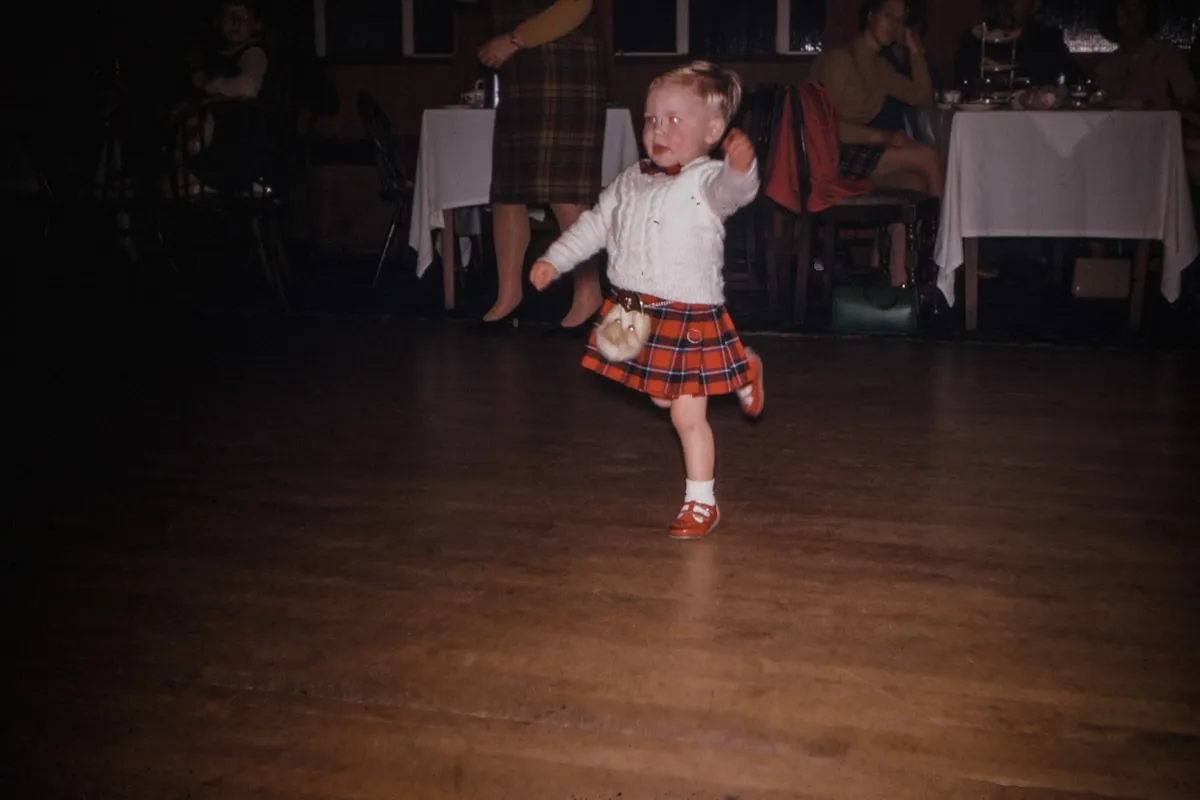 Image: Traditional Hogmanay celebrations featuring Scottish heritage and community gathering.
Hogmanay (pronounced hog-muh-NAY) is the Scottish word for the last day of the year. But calling it simply “New Year’s Eve” drastically undersells what Hogmanay means to Scottish culture. This celebration, rooted in traditions stretching back centuries, marks one of the most important holidays in the Scottish calendar.
The name’s origins remain debated, with theories linking it to the Gaelic phrase “oge maidne” (new morning), the French “aguillanneuf” (a gift at New Year), or the Norse “hoggunott” (the night of slaughter before the Yule feast). Regardless of etymology, Hogmanay represents renewal, community, and the promise of a fresh start.
In Scotland, Hogmanay celebrations often surpass Christmas in cultural significance. Edinburgh’s famous street party draws over 100,000 revelers annually, making it one of the world’s largest New Year celebrations. The festivities typically extend over several days, with January 1st and 2nd both recognized as public holidays.
The Tradition of First Footing
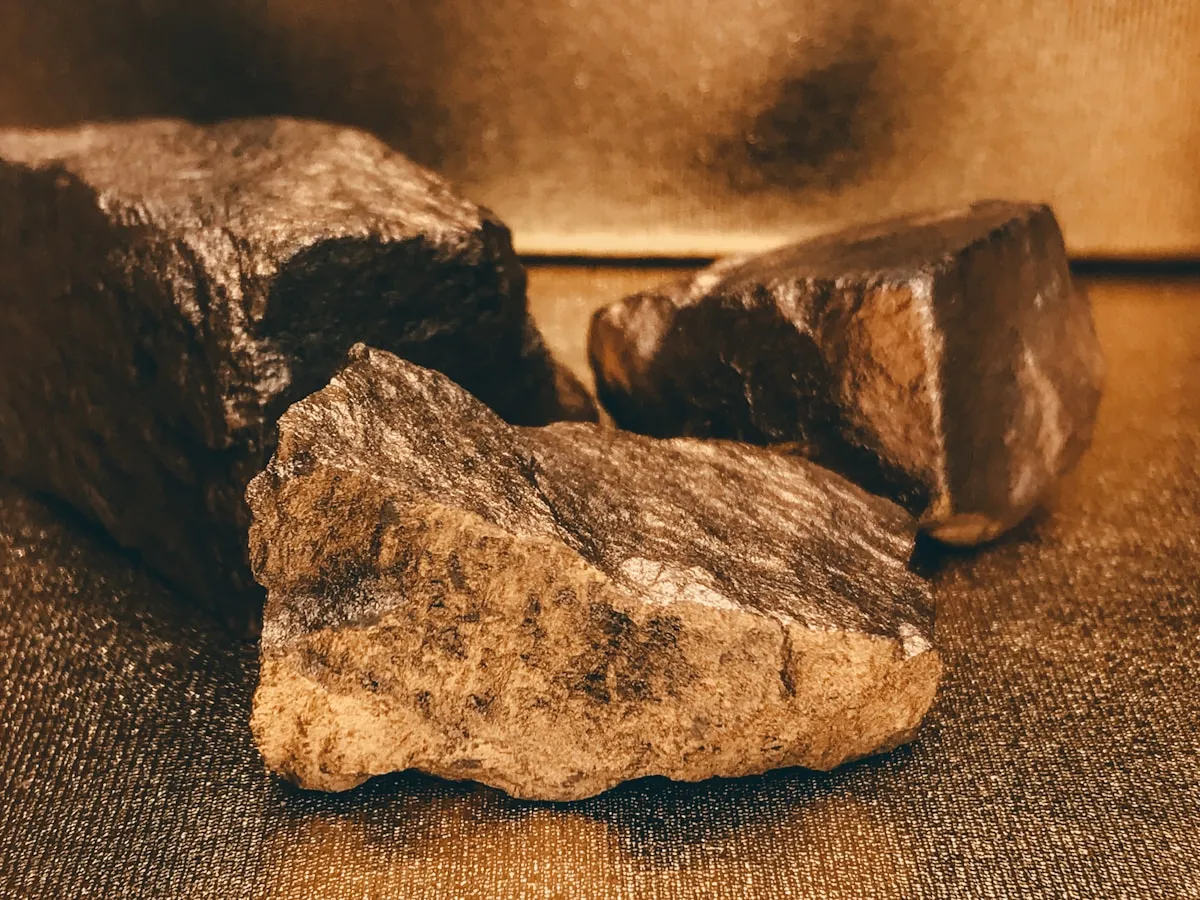 Image: Traditional first footing gifts including coal, bread, and whisky for good luck.
The most distinctive Hogmanay custom is “first footing,” which refers to the first person to cross your threshold after midnight on New Year’s Day. Scottish tradition holds that the first footer’s characteristics determine the household’s luck for the coming year.
The Ideal First Footer: Traditionally, a tall, dark-haired man brings the best fortune. This superstition may date to Viking times, when a blonde stranger at your door likely meant trouble. Women and redheads were considered less lucky as first footers, though modern celebrations embrace everyone.
Symbolic Gifts: The first footer traditionally arrives bearing gifts, each with specific meaning:
| Gift | Symbolism |
|---|---|
| Coal | Warmth for the home |
| Bread | Food and sustenance |
| Salt | Flavour in life |
| Whisky | Good cheer and celebration |
| Shortbread or Black Bun | Sweet prosperity |
The first footer should enter through the front door and exit through the back, symbolically carrying out the old year’s troubles while bringing in new blessings.
Ceilidh Dancing: The Heart of the Celebration
A true Hogmanay celebration isn’t complete without a ceilidh (pronounced KAY-lee), the traditional Scottish social gathering featuring lively group dances, music, and merriment. Unlike formal ballroom dancing, ceilidhs welcome everyone regardless of experience.
Popular Ceilidh Dances:
- Strip the Willow: A fast-paced reel where dancers spin down a line
- Gay Gordons: A progressive couple dance perfect for beginners
- Dashing White Sergeant: A lively dance for groups of six
- The Eightsome Reel: A complex set dance celebrating Scottish heritage
- Canadian Barn Dance: A simple, inclusive dance for all skill levels
At Ottawa ceilidhs, a caller typically explains each dance beforehand, making the experience accessible to newcomers. The emphasis is on fun and community rather than perfection.
Hogmanay in Ottawa: Where to Celebrate
The Scottish Society of Ottawa has kept Hogmanay traditions alive in the capital for decades. Their annual Hogmanay Ceilidh provides an authentic celebration that welcomes both Scottish descendants and curious newcomers.
Scottish Society of Ottawa Hogmanay Ceilidh
The main event takes place at Blessed Sacrament Hall, featuring live Celtic music, traditional ceilidh dancing, Scottish refreshments, and the midnight singing of Auld Lang Syne with linked arms.
What to Expect:
- Live music from local Celtic bands
- Caller-led ceilidh dances (no experience needed)
- Scottish food and beverages
- Midnight countdown and Auld Lang Syne
- Warm, welcoming community atmosphere
For tickets and details, visit the Scottish Society of Ottawa website or their social media pages as the event approaches each year.
How to Celebrate Hogmanay at Home
 Image: Bringing Scottish New Year traditions into your Ottawa home celebration.
Even if you can’t attend a formal ceilidh, you can bring Hogmanay spirit into your home celebration:
Before Midnight:
- Clean your house thoroughly—sweeping out the old year symbolically
- Open all doors and windows briefly at midnight to let the old year escape
- Prepare first footing gifts for neighbours or have them ready for visitors
At Midnight:
- Join hands and sing Auld Lang Syne properly (many only know the first verse)
- Make noise! Bells, cheers, and celebration welcome the new year
- Toast with whisky or your preferred beverage
After Midnight:
- Welcome your first footer with warmth and hospitality
- Share food and drinks with visitors
- Exchange good wishes for the coming year
The Full Lyrics of Auld Lang Syne: Most people only know the chorus, but the song written by Robert Burns has five verses exploring friendship, memory, and the passage of time. Learning even the first verse adds authenticity to your celebration.
Scottish Heritage in Ottawa
Ottawa’s Scottish community dates back to the city’s founding, with Scottish immigrants playing significant roles in building Canada’s capital. This heritage remains visible throughout the city:
Scottish Connections:
- Many Ottawa street names honour Scottish heritage
- The Parliament Buildings reflect Scottish architectural influences
- Highland Games take place annually in the region
- Pipe bands and Celtic music thrive in local venues
Beyond Hogmanay, the Scottish Society of Ottawa hosts events throughout the year, including Robbie Burns Suppers in January, St. Andrew’s Day celebrations in November, and regular ceilidh dances.
If you’re interested in Ottawa’s rich cultural scene, exploring these heritage events offers a deeper connection to the city’s diverse community.
Planning Your Hogmanay Night
If Attending the Ceilidh:
- Dress comfortably—you’ll be dancing
- Wear shoes suitable for movement (no stilettos)
- Bring cash for refreshments
- Arrive on time to learn the dances
- Don’t worry about knowing the steps—everyone helps newcomers
If Celebrating Elsewhere: Ottawa offers numerous New Year’s Eve events beyond the traditional ceilidh. However, you can incorporate Scottish traditions into any celebration by bringing symbolic gifts, singing Auld Lang Syne properly, and embracing the spirit of first footing.
Getting Home Safely: Remember that OC Transpo offers free transit starting at 6 PM on New Year’s Eve, making it easy to celebrate responsibly.
FAQ
Q: What does Hogmanay mean?
Hogmanay is the Scottish word for New Year’s Eve and the celebration that accompanies it. The term may derive from Gaelic, French, or Norse origins, and the holiday is one of Scotland’s most significant cultural celebrations, often considered more important than Christmas in Scottish tradition.
Q: Who can attend the Scottish Society of Ottawa Hogmanay Ceilidh?
Everyone is welcome at Ottawa’s Hogmanay Ceilidh, regardless of Scottish heritage. The event is designed to share Scottish culture with the broader community. You don’t need to know any Scottish dances—callers explain each one, and experienced dancers help newcomers.
Q: What should I wear to a Hogmanay ceilidh?
Dress comfortably in smart casual attire suitable for dancing. Many people wear tartan or Scottish-themed accessories, but this isn’t required. Avoid high heels or restrictive clothing, as ceilidh dancing involves movement and spinning. Flat shoes or low heels work best.
Q: What is first footing and who should do it?
First footing is the tradition of being the first person to enter a home after midnight on New Year’s Day. Traditionally, a tall, dark-haired man was considered luckiest, bringing gifts of coal, bread, salt, and whisky. Modern celebrations welcome anyone as a first footer.
Q: Do I need to know how to dance Scottish ceilidh dances?
No experience is needed for ceilidh dancing. A caller explains each dance before it begins, demonstrating the steps. Experienced dancers help guide newcomers, and the emphasis is on enjoyment rather than perfection. Most people pick up the basics within one or two dances.
Q: How do you properly sing Auld Lang Syne?
Form a circle with crossed arms (right over left), holding hands with the people beside you. During the song, the circle may move inward and outward on the chorus. At the final verse, the circle often breaks and re-forms as people shake hands or embrace neighbours.
Q: What gifts should I bring for first footing?
Traditional first footing gifts include coal (for warmth), bread (for food), salt (for flavour), whisky (for good cheer), and shortbread or black bun (for sweetness). Modern interpretations might include a bottle of wine, baked goods, or any thoughtful gift symbolizing prosperity.
Q: Where is Ottawa’s main Hogmanay celebration held?
The Scottish Society of Ottawa hosts their annual Hogmanay Ceilidh at Blessed Sacrament Hall. The event features live Celtic music, traditional dancing, Scottish refreshments, and midnight celebrations. Check the Scottish Society’s website for current year details and tickets.
Q: Is Hogmanay only celebrated in Scotland?
While Hogmanay originated in Scotland, Scottish diaspora communities worldwide celebrate the tradition, including in Canada, the United States, Australia, and New Zealand. Ottawa’s celebration connects to this global Scottish community while adapting traditions for local participation.
Q: What makes Hogmanay different from regular New Year’s Eve parties?
Hogmanay emphasizes community, tradition, and symbolic rituals rather than simply counting down to midnight. Elements like first footing, ceilidh dancing, proper singing of Auld Lang Syne, and house cleaning traditions create a more meaningful cultural experience focused on connection and renewal.
Q: Can children attend Hogmanay celebrations?
Many Hogmanay events, including Ottawa’s ceilidh, are family-friendly. Children often enjoy the dancing and festive atmosphere. However, events running late into the night may be more suitable for older children. Check specific event details for family-friendliness and timing.
Q: How early should I book tickets for the Hogmanay Ceilidh?
The Scottish Society’s Hogmanay Ceilidh typically sells out, so booking early is recommended. Tickets usually become available in November or early December. Follow the Scottish Society of Ottawa on social media or sign up for their newsletter to receive announcements.
Final Thoughts
Hogmanay offers something that typical New Year’s Eve parties often lack: meaning, tradition, and genuine community connection. Whether you attend Ottawa’s Scottish Society Ceilidh, host your own first footing party, or simply incorporate Scottish traditions into your existing plans, embracing Hogmanay transforms December 31st from a simple countdown into a cultural celebration of renewal and friendship.
As you ring in the new year, remember the words of Robert Burns: “We’ll take a cup of kindness yet, for auld lang syne.” The phrase means “for old times’ sake”—a reminder that while we look forward to the future, we honour the memories and connections that brought us here.
Sources: Scottish Society of Ottawa, Visit Scotland, Hogmanay.net
For more Ottawa events and celebrations, visit Ottawa Events!