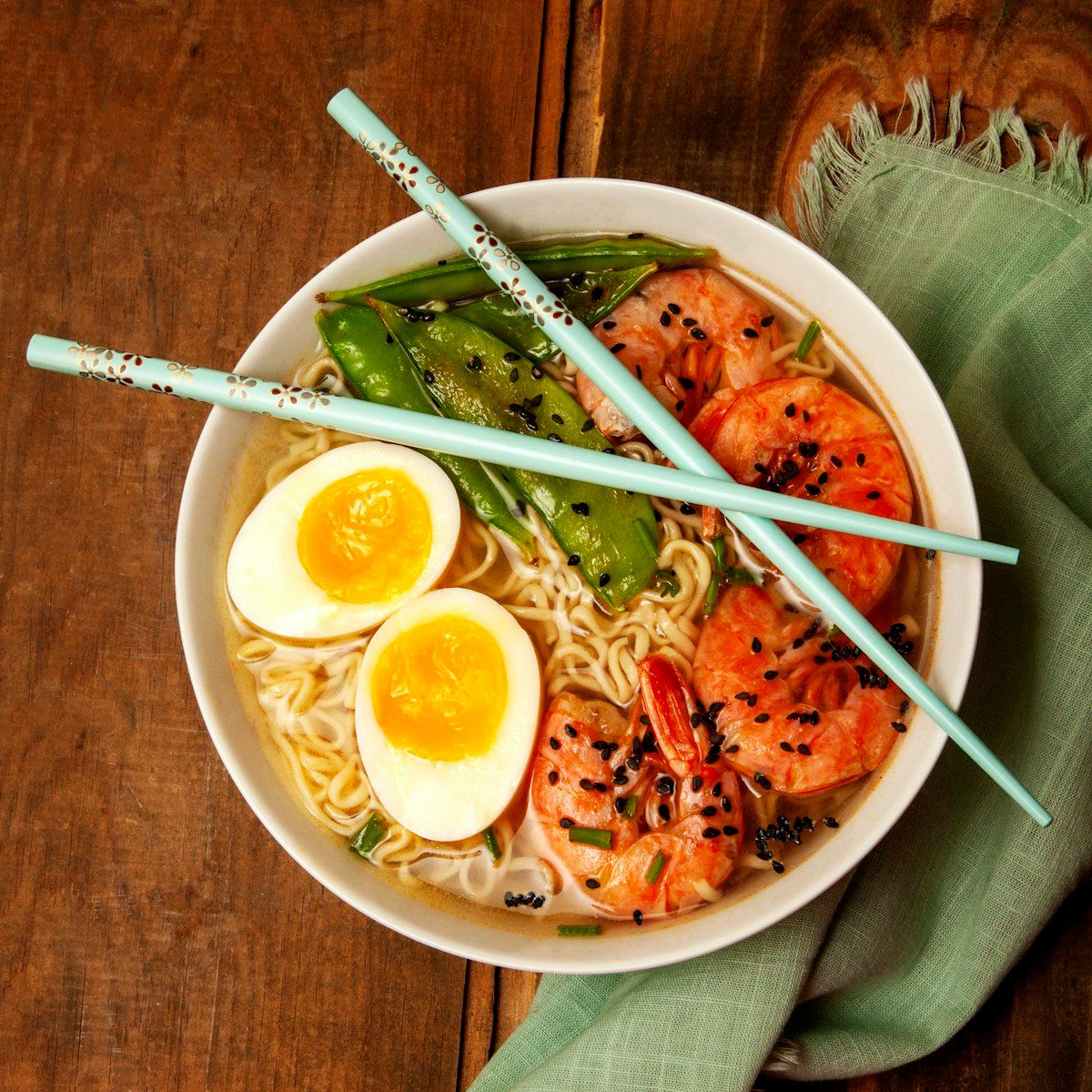
The first time I tried hot pot, I committed every rookie mistake in the book. I dumped all my ingredients into the broth at once, overcooked the beef until it turned grey, and burned my mouth on a Sichuan peppercorn that left my lips numb for an hour. It was chaotic, messy, and absolutely glorious—and I’ve been hooked ever since.
There’s something almost primal about gathering around a bubbling pot of broth with friends, fishing out perfectly cooked morsels, and building your own dipping sauce from a station of twenty different ingredients. Hot pot isn’t just a meal; it’s an experience that transforms dinner into an event. And while Ottawa might not be the first city that comes to mind for this quintessentially Asian dining tradition, the capital has quietly developed a respectable hot pot scene that’s worth exploring.
Whether you’re a hot pot veteran seeking the numbing heat of authentic Sichuan mala or a complete beginner wondering what all the fuss is about, Ottawa’s hot pot scene has something for you. I’ll walk you through the best restaurants, the unwritten rules of the table, and the tips that’ll help you avoid my beginner mistakes.
The local food community has developed strong opinions about Ottawa’s hot pot options. As one Ottawa resident shared: “Happy Lamb is easily the best hot pot in Ottawa. The broth quality is leagues ahead of other places, and the meat is genuinely good quality. We go at least once a month in the winter.”
Another local perspective: “Hot pot is the ultimate group dinner activity. Everyone’s involved, there’s no awkward waiting for food, and the meal naturally takes two hours so you actually get to talk. It’s replaced regular dinners for our friend group.”
Key Highlights
TL;DR: Ottawa offers several excellent hot pot options, with Happy Lamb Hot Pot being the most popular Mongolian-style choice. Expect to spend $30-50 per person for an all-you-can-eat experience. Hot pot is perfect for groups, and most restaurants offer both spicy (mala) and mild broth options. Arrive hungry and plan for a 1.5-2 hour dining experience.
| Quick Facts | Details |
|---|---|
| 💰 Price Range | $30-50 per person (AYCE) |
| 🍲 Best For | Groups of 3-6 people |
| 🌶️ Spice Options | Mild, medium, mala (numbing spicy) |
| ⏰ Dining Time | 1.5-2 hours typical |
| 📍 Main Areas | Merivale Road, Chinatown |
| 🥢 Style | Cook-your-own at table |
Understanding Hot Pot: A Beginner’s Guide
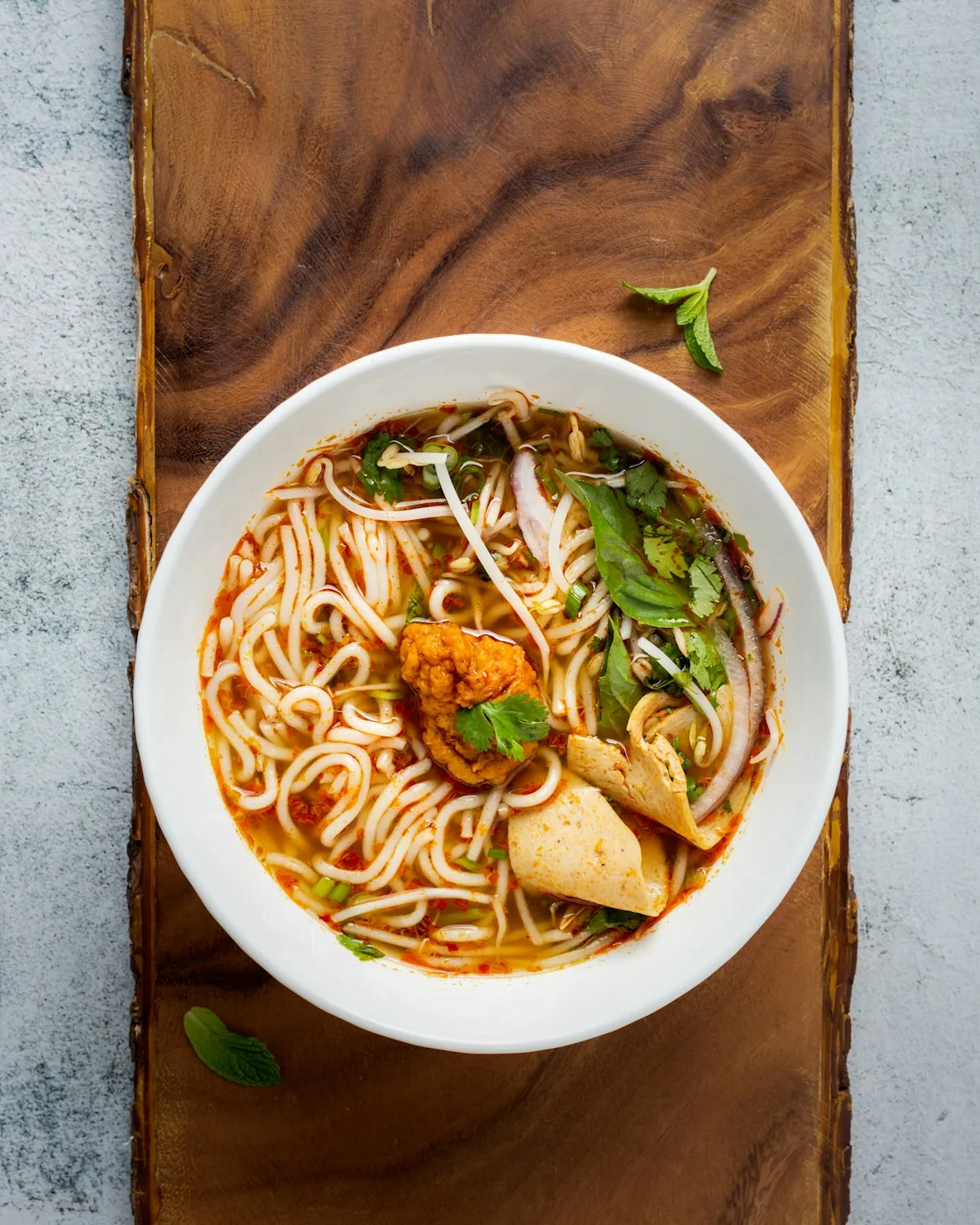
Before diving into Ottawa’s specific options, it’s worth understanding what hot pot actually involves—especially if you’ve never experienced it before. The concept is beautifully simple: a pot of simmering broth sits at the centre of your table, kept bubbling by a built-in heating element. You’re presented with plates of raw ingredients—thinly sliced meats, fresh vegetables, tofu, noodles, dumplings, seafood—and you cook them yourself in the broth, piece by piece.
The magic happens in the details. Different ingredients require different cooking times: paper-thin beef slices need just seconds in the boiling broth, while heartier vegetables might take several minutes. You fish out your cooked items with a small strainer or chopsticks, dip them in a sauce you’ve custom-built from the condiment station, and eat while the next batch cooks.
It sounds simple because it is. But like many simple concepts, the depth reveals itself over time. The broth develops more flavour as the meal progresses, enriched by everything that’s been cooked in it. The social element—sharing a pot with friends, recommending ingredients, comparing dipping sauce recipes—transforms eating into genuine connection.
Hot Pot Styles in Ottawa
The term “hot pot” encompasses several distinct traditions, and understanding the differences helps you choose where to eat:
Mongolian Hot Pot features a mild, often lamb-based broth and emphasizes high-quality meats. Happy Lamb Hot Pot, Ottawa’s most prominent hot pot destination, specializes in this style. The focus is on the natural flavours of premium ingredients rather than aggressive seasoning.
Sichuan Mala Hot Pot is the fiery, numbing variety that’s become synonymous with hot pot for many people. The broth contains Sichuan peppercorns (which create a unique numbing sensation on your tongue) and dried chilies that build serious heat. It’s intense, addictive, and not for the faint of palate.
Japanese Shabu Shabu takes a more delicate approach, with lighter broths (often kombu-based) and an emphasis on premium wagyu-style beef swished briefly through the liquid. The name is onomatopoeia—“shabu shabu” mimics the sound of meat being swished through broth.
Cantonese Hot Pot tends toward subtler, cleaner broths that let ingredients shine without overwhelming spice. It’s often the most accessible style for hot pot newcomers.
Most Ottawa restaurants offer split pots that let you try two broth styles at once—often one spicy and one mild—which is the ideal introduction for groups with varying spice tolerances.
The Best Hot Pot Restaurants in Ottawa
Happy Lamb Hot Pot
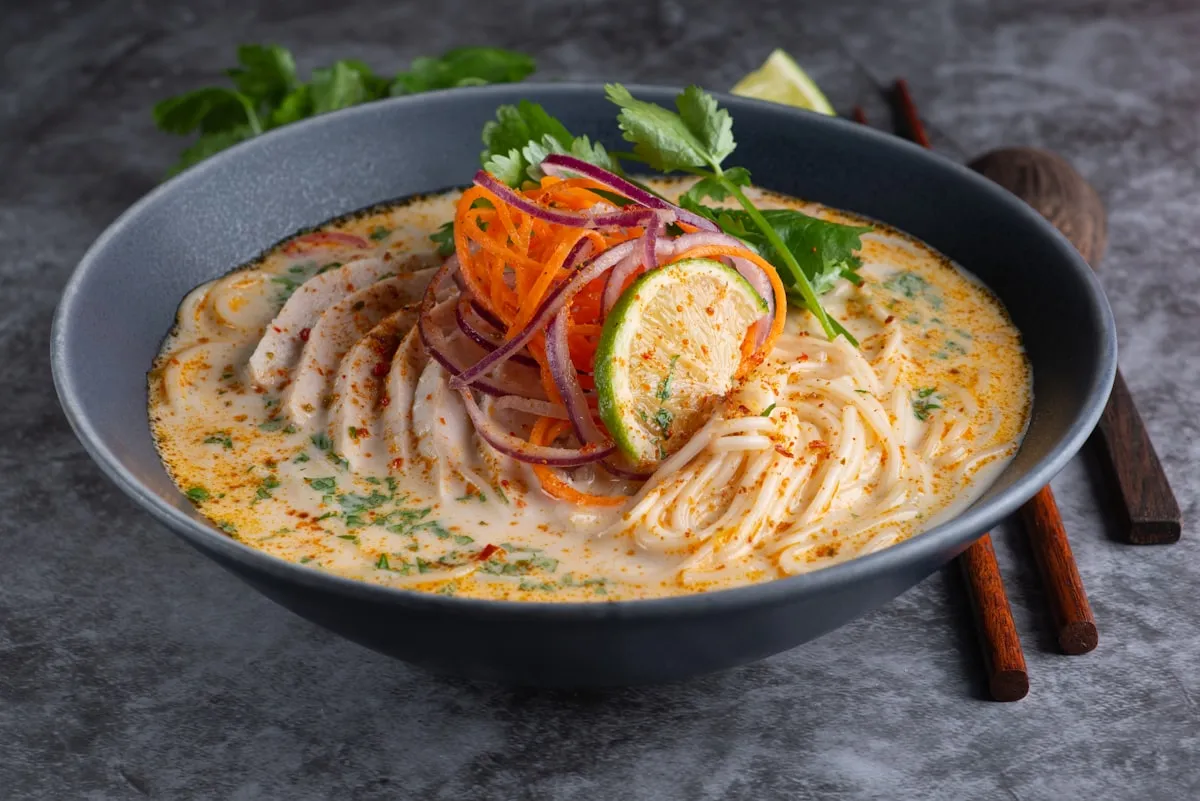
The flagship hot pot destination in Ottawa, Happy Lamb has earned its reputation as the go-to spot for Mongolian-style hot pot. The chain originated in Inner Mongolia and has expanded across North America, with the Ottawa location maintaining the quality that built the brand.
Address: 1514 Merivale Road #15, Ottawa, ON K2E 5P3 (City View Plaza) Phone: (613) 248-3388 Website: happylambhotpotca.com Hours: 11:30 AM – 10:30 PM daily Rating: 4.1 stars (1,700+ reviews)
Price Range: Most diners report spending $30-40 per person, with the breakdown roughly showing 23% paying $20-30, 49% paying $30-40, and 18% paying $40-50. The variation depends largely on your meat consumption and whether you order premium items or alcohol.
What Makes It Special:
Happy Lamb’s broth is where the experience begins. Their signature lamb bone broth simmers for hours before service, developing a rich, slightly sweet flavour that serves as the foundation for everything you cook. The lamb itself is sliced paper-thin from high-quality cuts, and regulars swear by the lamb shoulder and lamb leg options.
The all-you-can-eat format removes any hesitation about ordering enough food. You receive tablets or paper order forms to select your ingredients, and staff deliver plates throughout your meal. This means you can experiment freely—try unfamiliar items knowing you haven’t committed your entire meal to them.
Broth Options:
- Original lamb bone broth (mild, savoury)
- Spicy Sichuan mala broth (numbing heat)
- Tomato broth (tangy, mild)
- Split pot available (two broths in one pot)
Must-Order Items:
- Lamb shoulder (their specialty)
- Hand-pulled noodles (added near end of meal)
- Lamb meatballs
- Fresh vegetables platter
- Quail eggs
Practical Notes:
- Dine-in, takeout, and delivery available
- Wheelchair accessible entrance
- Reservations recommended for weekend evenings
- LGBTQ+ friendly establishment
- Parking available at City View Plaza
Other Hot Pot Options in Ottawa
While Happy Lamb dominates the Ottawa hot pot conversation, several other restaurants offer the experience with their own approaches:
Chinatown Options:
Ottawa’s Chinatown on Somerset Street West houses several restaurants offering hot pot, often as part of broader Chinese menus. These tend to be less specialized than Happy Lamb but offer authentic experiences at sometimes lower price points. The advantage of Chinatown is the ability to combine hot pot with other Chinese dishes or to choose restaurants offering specific regional styles.
Korean BBQ with Hot Pot:
Several Korean restaurants in Ottawa offer combination experiences where you can enjoy both tabletop BBQ and hot pot. This appeals to groups who want variety or can’t decide between grilling and boiling. The broth styles lean Korean—often featuring gochujang-based spicy options or milder bone broths.
Japanese Shabu Shabu:
For the more refined, Japanese-influenced experience, look for restaurants specifically advertising shabu shabu. The broth tends lighter, the meat quality higher (sometimes with wagyu options), and the overall experience more subdued. Price points typically run higher than all-you-can-eat Chinese-style hot pot.
The Art of the Dipping Sauce
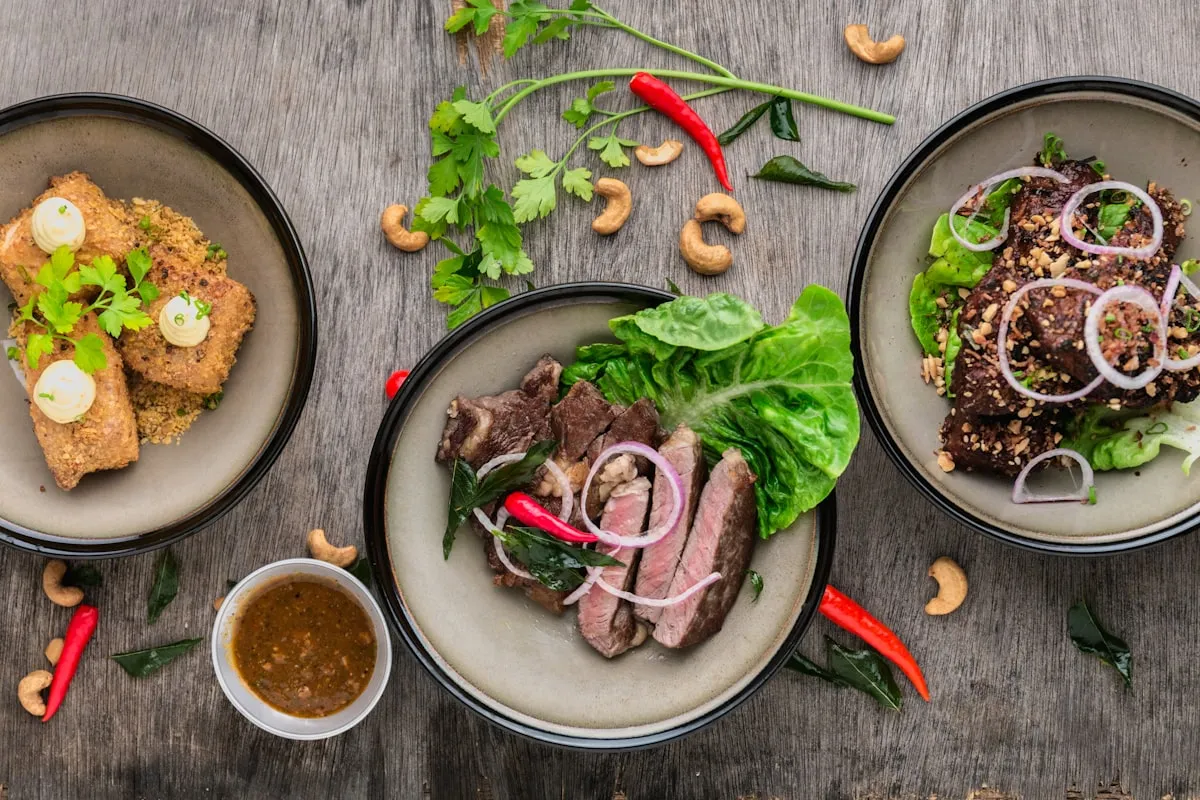
No hot pot experience is complete without understanding the dipping sauce station—and this is where personal expression really enters the meal. Most hot pot restaurants set up a self-serve area with 15-25 different condiments, and your job is to build a sauce that complements your palate.
Essential Base Ingredients:
Sesame paste (zhimajiang) forms the foundation of the most popular sauce style. It’s rich, nutty, and provides body that helps other flavours cling to your food. Many people use this as their primary ingredient, accounting for 40-50% of the sauce.
Soy sauce adds saltiness and umami. Start with a small amount—you can always add more, but you can’t remove it.
Sesame oil contributes toasted, aromatic notes and helps bind everything together.
Garlic (minced) is essential for many sauce styles. Fresh garlic adds punch that stands up to rich broths and fatty meats.
Building Your Personal Sauce:
Here’s a balanced starting point that you can adjust:
- 3 spoonfuls sesame paste
- 1 spoonful soy sauce
- 1 spoonful sesame oil
- 1 spoonful chopped garlic
- 1 spoonful chopped cilantro (if you’re not one of those people for whom it tastes like soap)
- Half spoonful chili oil (adjust to taste)
Advanced Additions:
- Fermented tofu (doufu ru): Adds funky, cheesy depth
- Oyster sauce: Sweetness and savoury depth
- Shacha sauce: Taiwanese sauce with dried shrimp and garlic
- Vinegar: Cuts through fatty meats
- Chopped green onions: Freshness and colour
- Crushed peanuts: Texture and nuttiness
- Fresh chilies: Heat without the numbing
The beauty of the sauce station is experimentation. Start with a small amount, taste it with your first few bites, and adjust. Many veterans make different sauces partway through the meal to change up the experience.
What to Order: A Strategic Approach
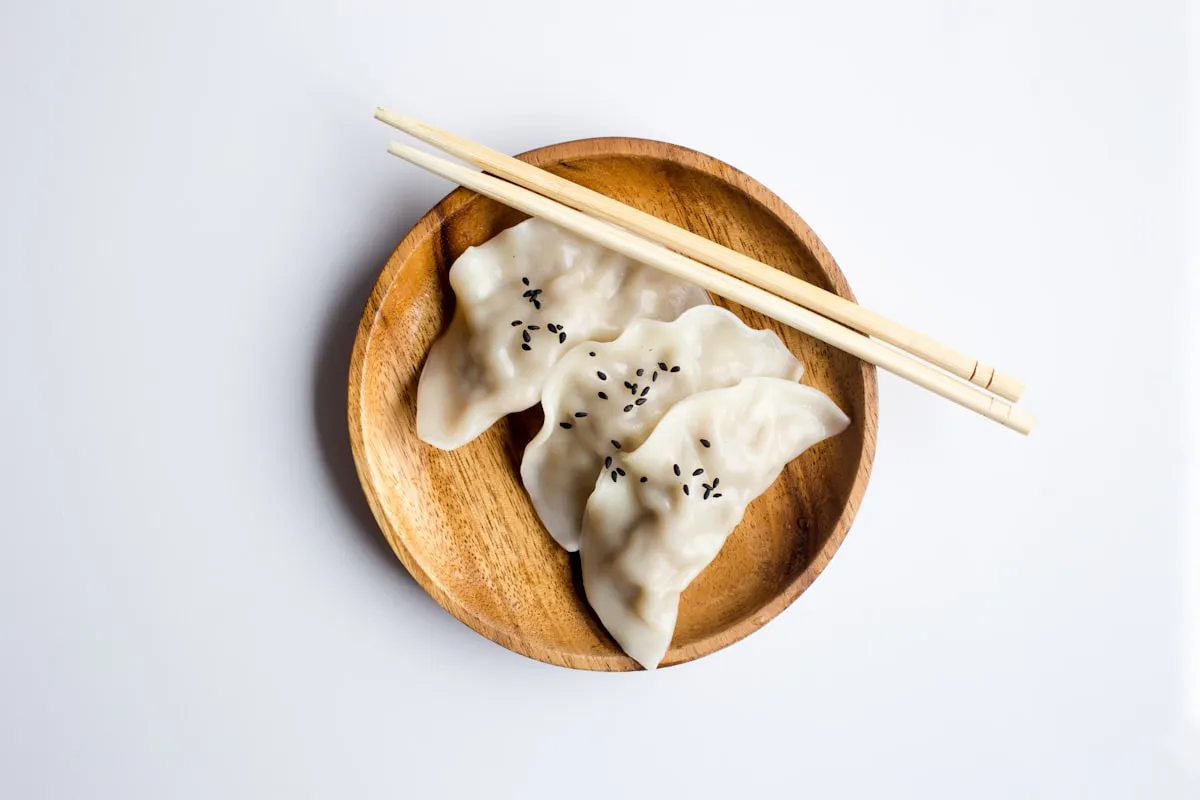
Walking up to a hot pot menu for the first time can be overwhelming. The lists are long, many items are unfamiliar, and everything sounds like it might be delicious. Here’s a strategic framework for ordering well:
Proteins: The Stars of the Show
Lamb is the traditional Mongolian hot pot star. Paper-thin slices cook in seconds and develop beautiful texture when swished through hot broth. Lamb shoulder tends fattier and more flavourful; lamb leg is leaner.
Beef works beautifully in hot pot. Look for options like fatty beef (fat-marbled slices), beef tripe (textural adventure for the brave), and beef meatballs.
Pork often appears as sliced pork belly (fatty, rich) or pork shoulder (leaner). Pork meatballs are also common.
Seafood varies by restaurant. Shrimp, fish balls, squid, and fish slices all cook quickly and add variety. Premium options might include lobster tail or live shrimp.
Order Timing Tip: Start with what you most want to eat while the broth is fresh, then branch out. Request meats in batches rather than all at once—they’re best eaten immediately after cooking.
Vegetables and Tofu
Vegetables serve as essential palate cleansers between rich meats and absorb broth flavour beautifully.
Quick-cooking vegetables (30 seconds to 1 minute):
- Leafy greens (napa cabbage, baby bok choy, spinach, lettuce)
- Bean sprouts
- Mushrooms (enoki, shiitake, wood ear)
Longer-cooking vegetables (2-5 minutes):
- Potato slices
- Corn on the cob
- Winter melon
- Taro
- Radish
Tofu and Bean Products:
- Fresh tofu (soft or firm)
- Frozen tofu (develops interesting spongy texture that absorbs broth)
- Tofu skin (chewy, wraps around other ingredients)
- Bean curd sticks (require longer cooking)
Noodles and Starches
Most hot pot veterans save noodles for the end of the meal, when the broth has developed maximum flavour from everything cooked in it. The noodles absorb this enriched liquid and become a meal finale unto themselves.
Popular options:
- Hand-pulled noodles (chewy, substantial)
- Glass noodles (transparent, slippery)
- Instant noodles (yes, really—they cook perfectly)
- Rice cakes (chewy Korean-style ovals)
- Dumplings (frozen dumplings cook beautifully in hot pot)
Dumplings and Specialty Items
Many hot pot menus include frozen dumplings, fish balls, beef balls, and other processed items that might seem less exciting than fresh ingredients but actually work wonderfully. They’re designed to cook in liquid and develop proper texture in broth.
Worth trying:
- Beef balls (bouncy texture, savoury)
- Fish balls (subtle, almost sweet)
- Shrimp paste stuffed items
- Quail eggs (cook in their shells or cracked)
- Spam (don’t knock it until you’ve tried it)
Hot Pot Etiquette and Practical Tips
The Unwritten Rules
Use the right utensils. Most restaurants provide communal ladles for adding ingredients to the pot and personal strainers or chopsticks for retrieving your own cooked items. Don’t mix these up—it’s both hygienic and practical.
Don’t crowd the pot. The temptation to dump everything in at once is strong, especially when you’re hungry. Resist it. Overcrowding lowers the temperature, prevents proper cooking, and makes it impossible to find what you’re looking for.
Watch your cooking times. Different ingredients need different times. Paper-thin meat slices need 10-20 seconds; leafy greens need 30 seconds; heartier vegetables need several minutes. Learn the timing, and your meal improves dramatically.
Skim the foam. Proteins release foam and impurities as they cook. Periodically skimming this keeps your broth clean and appetizing.
Pace yourself. Hot pot is a marathon, not a sprint. All-you-can-eat might sound like a challenge, but the goal is enjoyment, not consumption records. Plan for 1.5-2 hours and savour the experience.
Avoiding Common Mistakes
Mistake 1: Ordering too much at once. In AYCE formats, you can always order more. Starting with a moderate amount lets you adjust based on what you’re enjoying.
Mistake 2: Forgetting about the noodles. By the time you’re “full” of meat and vegetables, you might forget to order noodles for the finale. Order them earlier so they arrive when you’re ready for them.
Mistake 3: Ignoring the mild broth. If you ordered a split pot, use both sides strategically. Some ingredients (delicate vegetables, fish) taste better in mild broth where their flavour isn’t overwhelmed.
Mistake 4: Not building a proper dipping sauce. The sauce station exists for a reason. Experiment with combinations: sesame paste base with chili oil and cilantro for Chinese style; soy sauce with citrus and green onions for Japanese style. Your sauce transforms good hot pot into great hot pot.
Mistake 5: Wearing nice clothes. Hot pot is messy. Splashing broth, dripping sauce, and the occasional flying ingredient are inevitable. Dress accordingly and leave the dry-clean-only items at home.
Group Dynamics and Ordering Strategy
Hot pot is inherently social, and the group experience affects how you should approach ordering:
For groups of 4-6: This is the sweet spot. Order a variety of ingredients so everyone can try different things. Split the pot between spicy and mild to accommodate different tolerances.
For couples: Many restaurants have minimum order requirements or per-person pricing. Hot pot for two works well but means less variety. Consider ordering strategically rather than trying to sample everything.
For large groups (8+): You may need multiple pots, which actually enhances the experience. Different tables can develop their own broths and share discoveries.
Mistake 4: Building too much sauce. Start with a small amount. You can always refill, but a giant bowl of sauce that doesn’t work for you is wasteful.
Mistake 5: Not hydrating. Hot pot is hot. You’re eating around a boiling pot. Drink water or tea throughout the meal, especially if eating spicy mala broth.
Health and Safety Notes
Temperature matters. Make sure your pot is actively boiling before cooking proteins. Lukewarm broth won’t cook meat safely.
Cross-contamination. Use serving utensils for raw ingredients and personal utensils for cooked items. This is especially important with raw meats.
Allergies. Broths often contain shellfish, soy, sesame, and other common allergens. Communicate dietary restrictions clearly when ordering.
Mala intensity. If you’re not accustomed to Sichuan peppercorns, the numbing sensation can be intense. Start with the mild half of a split pot and approach the mala side gradually.
Planning Your Hot Pot Experience
Best Times to Visit
Weekday lunches offer the calmest atmosphere and often the best value (some restaurants have lunch pricing).
Early dinners (5:00-6:00 PM) beat the rush on weekends while still offering the full experience.
Winter evenings are peak hot pot season—something about gathering around a steaming pot when it’s cold outside feels especially right.
Avoid: Weekend dinner rush (7:00-8:30 PM) without a reservation, especially at popular spots like Happy Lamb.
Who Hot Pot Is Perfect For
Groups of 3-6: The format shines with multiple people. You can try more ingredients, conversation flows naturally around the shared pot, and the economics work better (broth costs are shared).
First dates: Hear me out—hot pot forces interaction, provides endless conversation material, and removes awkward menu-ordering dynamics. It’s memorable in a way that regular restaurant dining isn’t.
Family dinners: Multiple generations can each eat what they want, cooking to their own preferences.
Adventurous eaters: The ingredient variety means there’s always something new to try.
What to Wear
This isn’t precious advice—hot pot involves steam and splashing. The broth vapour clings to fabric. Wear something you don’t mind smelling like delicious dinner afterward, or accept that your coat might carry eau de lamb broth for a day or two.
The Cost of Hot Pot in Ottawa
Typical Price Breakdown
At Happy Lamb and similar all-you-can-eat establishments:
| Component | Cost |
|---|---|
| AYCE per person | $28-38 |
| Split pot upgrade | Often included or $3-5 |
| Drinks | $3-8 |
| Tip (15-20%) | $5-8 per person |
| Total per person | $35-50 |
Saving Money on Hot Pot
Lunch specials at some restaurants offer lower per-person pricing.
Skip drinks or stick to water/tea (often free or cheap).
Go on weekdays when some restaurants offer reduced pricing.
Fill up on vegetables which are usually unlimited in AYCE formats and help stretch more expensive meats.
FAQ
Q: Is hot pot good for vegetarians or vegans?
Absolutely—with some planning. Ask for vegetable-based broth (the lamb bone and mala broths typically aren’t vegetarian). Vegetables, tofu, mushrooms, and noodles form a complete and satisfying hot pot experience without meat. Just confirm broth ingredients and ensure they have vegetable options.
Q: How spicy is mala hot pot really?
Mala combines two sensations: the heat from dried chilies (la) and the numbing from Sichuan peppercorns (ma). If you’re not used to it, the numbing sensation can be startling—your lips and tongue feel tingly, almost like mild anesthesia. Start with a split pot so you can retreat to the mild side, and approach mala ingredients gradually. Many people find they develop a tolerance and preference over time.
Q: Can I do hot pot with just two people?
Yes, but it’s not ideal economically. The broth cost remains the same whether you’re two or six, and you’ll have less variety in ingredients. That said, many couples enjoy hot pot as a cozy, interactive dinner. Some restaurants offer smaller pots or individual pot setups for smaller groups.
Q: What if I’ve never used chopsticks?
Hot pot restaurants provide strainers and ladles that don’t require chopstick proficiency. You can absolutely enjoy the experience with a fork for eating, though you might want to use the provided strainer for retrieving items from the pot. Staff are usually happy to help newcomers navigate.
Q: How long does a hot pot meal take?
Plan for 1.5-2 hours minimum. The cooking-and-eating rhythm is naturally slower than ordering prepared food, and rushing defeats the purpose. Some groups linger for 2.5-3 hours, especially if conversation is flowing and the pot keeps bubbling.
Final Thoughts
Hot pot represents something increasingly rare in modern dining: a meal that demands your participation, rewards your attention, and creates genuine connection around the table. In a city where winter can feel endless, there’s particular magic in gathering around a bubbling pot with friends, the steam rising as you debate the proper cooking time for lamb slices and compare dipping sauce recipes.
Ottawa’s hot pot scene may not rival cities with larger Asian populations, but Happy Lamb and the other options available provide authentic, satisfying experiences that convert newcomers into regulars. Whether you’re seeking the warmth of Mongolian-style lamb broth or the thrilling numbness of Sichuan mala, you can find it here.
My advice? Gather a group, make a reservation for a winter evening, arrive hungry, and prepare to spend a few hours eating, talking, and occasionally fishing for that perfect slice of beef. You’ll understand why this thousands-year-old dining tradition has captured hearts around the world—and why Ottawa residents keep coming back for more.
Just don’t make my mistake and bite down on a Sichuan peppercorn. Or do—sometimes the best lessons stick with you.
Sources: Happy Lamb Hot Pot Ottawa, local restaurant research, hot pot dining traditions