

Last Updated: December 26, 2025
Every winter, Ottawa’s frozen waterways beckon residents onto the ice, but beneath that pristine white surface lurks a danger that claims lives across Canada each year.
Ottawa’s winter landscape transforms rivers and lakes into frozen playgrounds, drawing ice fishers, skaters, and outdoor enthusiasts onto waterways that just weeks earlier flowed freely. While the Rideau Canal Skateway offers a safe, monitored ice experience, venturing onto natural ice on the Ottawa River, Gatineau River, or local lakes requires knowledge, preparation, and respect for the unpredictable nature of frozen water. Understanding ice safety could save your life or the life of someone you love.
Key Highlights
TL;DR: Safe ice thickness varies by activity: 10cm minimum for walking, 12-15cm for skating alone, 20cm for group skating, and 25cm+ for snowmobiles. Always check conditions with the NCC or City of Ottawa, avoid areas near currents or bridges, and never venture onto ice alone without proper safety equipment.
| Quick Facts | Details |
|---|---|
| Safe Walking | 10cm (4 inches) minimum |
| Safe Skating | 12-15cm (5-6 inches) clear ice |
| Group Activities | 20cm (8 inches) or more |
| Snowmobiles | 25cm+ (10+ inches) |
| Emergency Line | 911 |
| NCC Conditions | ncc-ccn.gc.ca |
Understanding Ice Formation in Ottawa
Ottawa’s unique geography creates varying ice conditions across different water bodies. The Ottawa River, with its strong currents and hydroelectric dam influences, rarely forms ice safe enough for recreational use. In contrast, smaller lakes and protected bays can freeze more uniformly, though hidden dangers still exist.
Ice forms from the surface down, and its strength depends on multiple factors beyond thickness alone. Clear blue or green ice is strongest, while white or opaque ice contains air pockets and has roughly half the strength. Grey ice indicates water saturation and should never be trusted regardless of thickness.
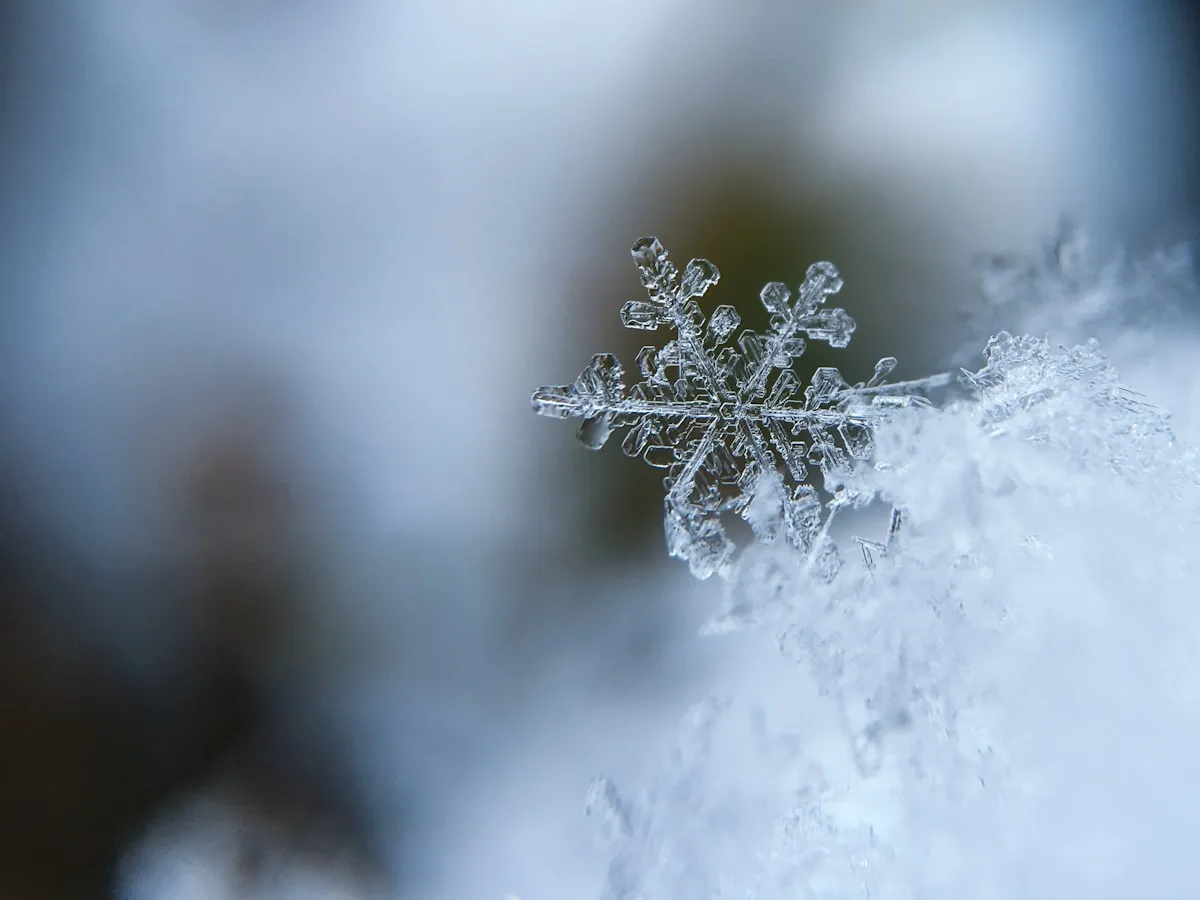
The freeze-thaw cycles common in Ottawa winters constantly weaken ice structure. A week of temperatures hovering around freezing can compromise even thick ice that previously supported significant weight. Snow cover acts as an insulator, slowing the freezing process and potentially hiding dangerous weak spots or open water.
Ottawa River and Rideau Canal: Know the Difference
The Ottawa River presents some of the most dangerous ice conditions in the region. Strong underwater currents, varying depths, and the influence of upstream dams create unpredictable ice thickness that can change dramatically within meters. Local authorities consistently warn against venturing onto Ottawa River ice for recreational purposes.
The Rideau Canal Skateway, maintained by the National Capital Commission (NCC), offers a stark contrast. The NCC monitors ice conditions daily, maintaining a minimum thickness of 30cm before opening sections to the public. Staff clear snow, flood the surface for smooth skating, and close sections immediately when conditions deteriorate.
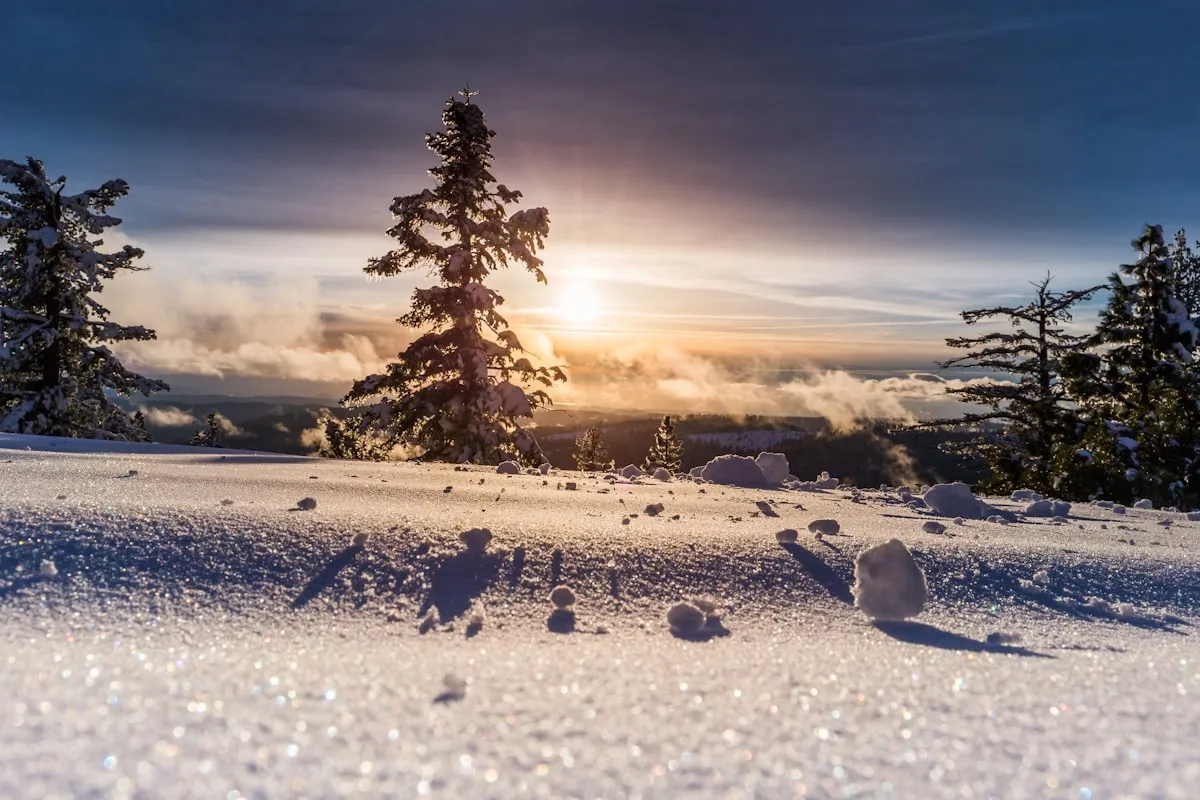
However, even the Rideau Canal has unmonitored sections. Only skate on officially opened portions marked by the NCC, and never venture onto canal ice before the official season opening or after closure announcements.
Local Lakes: Dow’s Lake, Meech Lake, and Beyond
Dow’s Lake, connected to the Rideau Canal system, follows NCC maintenance schedules during skating season. The lake portion may have different ice conditions than the canal channel, so always verify which areas are officially open.
Meech Lake and other Gatineau Park lakes attract ice fishers and skaters, but these bodies receive no official monitoring. Before venturing onto any natural lake ice:
- Check ice thickness in multiple locations using an ice chisel or auger
- Measure at least every 50 metres, especially when moving away from shore
- Watch for pressure cracks, dark spots, or areas where snow has melted differently
- Avoid areas near inlets, outlets, or underwater springs

Early winter ice, even when thick enough, often lacks the structural integrity of mid-winter ice. Similarly, late-season ice deteriorates from below and within, becoming honeycombed and weak even when it appears solid from above.
What To Do If You Fall Through Ice
Falling through ice triggers an immediate cold shock response that can cause involuntary gasping, hyperventilation, and panic. Your survival depends on controlling these reactions and acting quickly before cold incapacitation sets in within 10-15 minutes.
Immediate response:
- Control your breathing, resist the urge to gasp
- Face the direction you came from, where ice was strong enough to support you
- Extend your arms onto the ice surface and kick your legs to propel yourself horizontally
- Roll away from the hole rather than standing, distributing your weight across the surface
- Keep rolling or crawling until you reach solid ground or confirmed safe ice
Once out of the water, hypothermia remains a critical threat. Remove wet clothing if possible, get to shelter, and seek medical attention even if you feel fine initially.
How to Rescue Someone Safely
The instinct to rush toward someone who has fallen through ice can be deadly. Many drowning victims are would-be rescuers who broke through the same weak ice. Approach any rescue with the “Preach, Reach, Throw, Row, Go” principle:
Preach: Shout instructions to the victim to calm them and guide their self-rescue.
Reach: If close enough and on solid ground, extend a branch, ladder, or other object.
Throw: Toss a rope, life ring, or anything that floats while remaining on safe ice or shore.
Row: Use a boat or sled to approach if available.
Go: Only enter the water as an absolute last resort, and only if trained and equipped.

Always call 911 immediately. Professional rescuers have equipment and training for ice rescues that dramatically improve survival rates.
Where to Check Ice Conditions
Before any frozen waterway activity, consult official sources:
National Capital Commission (NCC):
- Website: ncc-ccn.gc.ca
- Twitter: @NCC_Skateway
- Phone: 613-239-5234
- Provides Rideau Canal Skateway conditions and Gatineau Park updates
City of Ottawa:
- ottawa.ca for outdoor rink status
- 311 for general inquiries
Local fishing and outdoor clubs often share conditions for popular ice fishing spots, though these are unofficial reports.
Remember that conditions change rapidly. Ice deemed safe in the morning can become dangerous by afternoon if temperatures rise or if many people have been using the same area.
Safe Alternatives for Winter Fun
The Rideau Canal Skateway remains the safest option for ice skating in Ottawa, offering nearly 8 kilometres of maintained ice when conditions allow. The NCC provides warming huts, skate rentals, and food vendors along the route.
City of Ottawa outdoor rinks offer another controlled environment, with staff monitoring ice conditions and maintaining safe surfaces. These neighbourhood rinks provide skating without the risks associated with natural water bodies.
For those determined to venture onto natural ice, consider hiring a local guide experienced with Ottawa-area waterways, investing in proper safety equipment including ice picks, a float suit, and a throw rope, and always travelling with companions who can summon help.
FAQ
Q: How thick should ice be before I walk on it?
A minimum of 10cm (4 inches) of clear, solid ice is required for safe walking. However, thickness alone does not guarantee safety, as ice quality varies significantly. White or grey ice requires additional thickness, and areas with currents or temperature fluctuations may have unpredictable weak spots.
Q: Is the Ottawa River ever safe for skating or ice fishing?
Local authorities consistently advise against recreational use of Ottawa River ice due to strong currents, dam influences, and highly variable conditions. While some locals do venture onto certain sections, this carries significant risk and is not recommended.
Q: When does the Rideau Canal Skateway typically open?
The Skateway usually opens in January, depending on weather conditions. Some years it opens in late December, while poor winters may delay opening until February or prevent opening altogether. Check NCC updates daily for current status.
Q: What safety equipment should I carry on natural ice?
Essential equipment includes ice picks worn around the neck, a throw rope, a whistle for signaling, and ideally a float coat or suit. A fully charged phone in a waterproof case provides emergency communication capability.
Q: How quickly does ice weaken during a thaw?
Ice can lose 50% of its strength within 24-48 hours of temperatures rising above freezing. Even a single warm day followed by refreezing creates structural weaknesses that may not be visible from the surface.
Final Thoughts
Ottawa’s frozen waterways offer unique winter experiences unavailable in warmer climates, but this privilege demands respect and preparation. The Rideau Canal Skateway proves that safe ice recreation is possible with proper monitoring and maintenance, setting a standard that natural water bodies simply cannot match.
Before stepping onto any frozen surface, ask yourself whether the risk is worth the reward. A morning of ice fishing or a shortcut across a frozen bay is never worth a life. When in doubt, stay off. When conditions seem marginal, they probably are. And when official sources issue warnings, heed them without exception.
Winter in Ottawa is long enough to wait for confirmed safe conditions. Your patience could save your life.
Source: National Capital Commission, Lifesaving Society Canada, Canadian Red Cross