
Last Updated: January 15, 2026
Ottawa’s South Asian communities transform the mid-January chill into a vibrant celebration of harvest, gratitude, and cultural heritage during Makar Sankranti and Pongal—two of India’s most beloved festivals now celebrated with growing enthusiasm in Canada’s capital.
Every January, as winter tightens its grip on the National Capital Region, thousands of families from Indian heritage gather at community centres, temples, and private homes to celebrate these ancient harvest festivals. Whether you call it Makar Sankranti, Pongal, Lohri, or Uttarayan, the mid-January period marks a significant astronomical and cultural event that brings warmth and joy to Ottawa’s diverse population. From the ceremonial rice boiling at the Hindu Temple of Ottawa-Carleton to the elaborate Sankranthi Sambaralu organized by the Telugu Association, these celebrations offer a beautiful window into South Asian traditions while fostering community bonds across cultural lines.
Key Highlights
TL;DR: Makar Sankranti (January 14) and Pongal (January 14-17) are major Hindu harvest festivals celebrated annually in Ottawa. Key events include the Hindu Temple of Ottawa-Carleton celebrations on Bank Street, TAOG’s Sankranthi Sambaralu at Ron Kolbus Lakeside Centre, and Tamil community gatherings organized by TCAO. Most events feature traditional food, cultural performances, and family activities.
| Quick Facts | Details |
|---|---|
| 📅 Dates | January 14-17 annually |
| 📍 Main Venues | Hindu Temple (4835 Bank St), Ron Kolbus Lakeside Centre |
| 🎟️ Cost | Free to $25 CAD (varies by event) |
| 🎉 Celebrations | Temple rituals, cultural programs, traditional feasts |
| 👥 Communities | Tamil, Telugu, Gujarati, Punjabi, Bengali, and more |
Understanding Makar Sankranti and Pongal
 The Pongal pot symbolizes abundance and prosperity as rice and milk overflow during the cooking ceremony
Makar Sankranti and Pongal represent harvest thanksgiving festivals celebrated across different regions of India, each with unique traditions but sharing the common theme of gratitude for the winter harvest and the return of longer days.
Makar Sankranti falls on January 14 (or 15 in leap years) and marks the sun’s transition into Capricorn (Makara in Sanskrit). Unlike most Hindu festivals that follow the lunar calendar, this one is based on the solar calendar, making it one of the most astronomically precise celebrations. The festival holds particular significance in Gujarat, Maharashtra, Karnataka, and Andhra Pradesh, where families fly kites, exchange sweets made from sesame and jaggery, and take holy dips in rivers.
Pongal is the Tamil version of the harvest festival, celebrated over four days from January 14-17. The name literally means “to boil over,” referring to the central ritual where rice is cooked with milk in a clay pot until it overflows—a symbol of abundance and prosperity. The four days include Bhogi (discarding old possessions), Thai Pongal (the main celebration), Mattu Pongal (honouring cattle), and Kaanum Pongal (family gatherings).
For Ottawa’s South Asian communities, these festivals provide an essential connection to cultural roots while introducing Canadian-born generations to ancestral traditions.
Hindu Temple of Ottawa-Carleton Celebrations
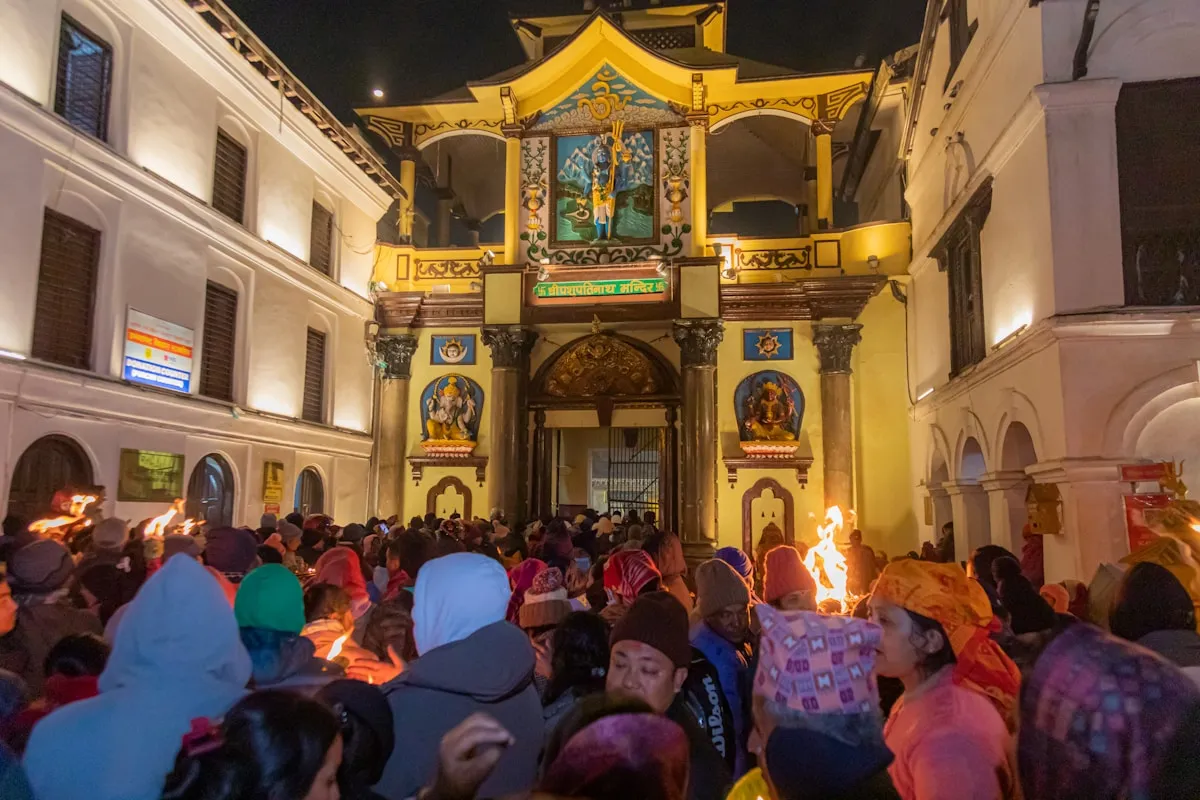 The Hindu Temple of Ottawa-Carleton hosts traditional Pongal celebrations each January
The Hindu Temple of Ottawa-Carleton stands as the spiritual heart of Hindu celebrations in the National Capital Region. Located at 4835 Bank Street in the south end of Ottawa, this temple hosts significant Pongal and Sankranti observances each January.
What to Expect at Temple Celebrations
Temple celebrations typically combine religious rituals with community gathering. The temple conducts special pujas (prayer ceremonies) dedicated to Lord Surya (the Sun God), reflecting the astronomical significance of the sun’s northward journey. Devotees participate in traditional arti (lamp ceremony) and receive prasad (blessed food offerings).
The temple organizes cultural programs featuring classical music and dance performances, often by local children and youth studying Bharatanatyam, Carnatic music, and other classical arts. Community members share traditional foods including sakkarai pongal (sweet rice), vada, and various regional specialties.
Practical Information
Address: 4835 Bank Street, Ottawa, ON K1T 3W6 Parking: Free on-site parking available Dress Code: Modest traditional or western attire; remove shoes before entering Contact: Visit hindutempleottawa.org for current schedules
The temple welcomes visitors of all backgrounds who wish to observe or participate respectfully. If you are new to Hindu temples, arrive a few minutes early to observe customs and ask volunteers for guidance.
TAOG Sankranthi Sambaralu
 Telugu families gather for traditional Sankranthi celebrations featuring rangoli, music, and regional cuisine
The Telugu Association of Ottawa-Gatineau (TAOG) organizes one of the region’s largest Sankranthi celebrations each January. This vibrant cultural event brings together Telugu-speaking families from Andhra Pradesh and Telangana to celebrate their unique version of the harvest festival.
Sankranthi 2026 Event Details
Event: Sankranthi Sambaralu 2026 Date: Saturday, January 18, 2026 Time: 4:00 PM – 10:00 PM EST Venue: Ron Kolbus Lakeside Centre, 102 Greenview Avenue, Ottawa, ON K2B 5W7 Tickets: Available through Eventbrite (family and individual options)
What Makes Telugu Sankranthi Special
Telugu Sankranthi celebrations feature distinct traditions including:
Bhogi Mantalu: On the eve of Sankranthi, families discard old household items in a bonfire, symbolizing the removal of negativity and welcoming new beginnings.
Rangoli Competitions: Intricate floor designs called muggu (rangoli) are drawn with coloured rice flour at home entrances. TAOG events often include rangoli competitions where participants showcase elaborate geometric patterns.
Traditional Foods: Expect to enjoy authentic Telugu cuisine including pulihora (tamarind rice), payasam, various pickles, and seasonal specialties made with freshly harvested grains.
Cultural Programs: Live performances of Telugu songs, classical and folk dances, and skits celebrating cultural heritage form the entertainment centerpiece.
For more Ottawa events this month, check our January events calendar.
Tamil Community Pongal Celebrations
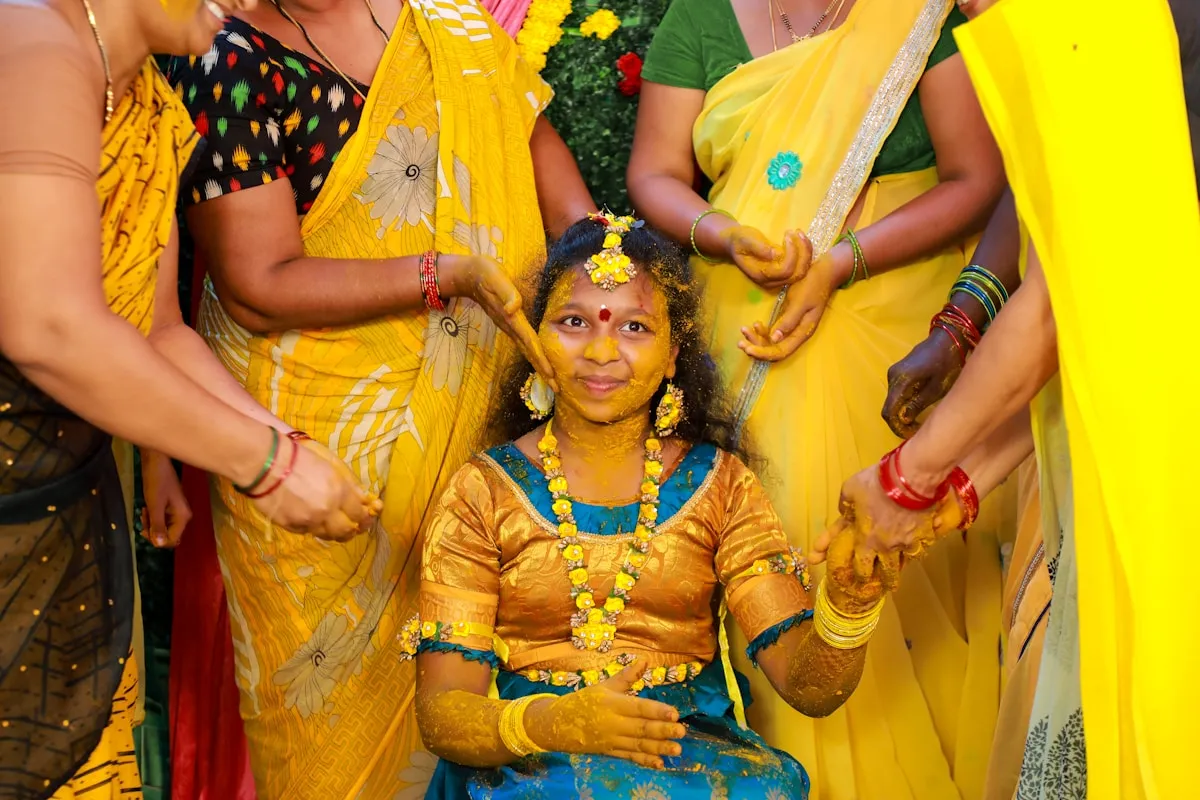 Kolam designs and traditional clay pots mark Tamil Pongal celebrations in Ottawa
Ottawa’s Tamil community maintains strong Pongal traditions through celebrations organized by the Tamil Cultural Association of Ottawa (TCAO) and other community groups. These events typically occur the weekend closest to Thai Pongal (January 14-15).
The Four Days of Pongal
Bhogi (Day 1): Families clean their homes thoroughly and discard unused items. The symbolic bonfire represents burning away the old to welcome the new.
Thai Pongal (Day 2): The main celebration day when families cook pongal (sweet rice with milk and jaggery) in a clay pot. As the rice boils over, families shout “Pongalo Pongal!” to announce the overflow, signifying overflowing prosperity.
Mattu Pongal (Day 3): Traditional celebrations honour cattle with decorations, garlands, and special treatment, acknowledging their role in agricultural life. In Ottawa, this often translates to appreciation for animals and nature.
Kaanum Pongal (Day 4): Families visit relatives and friends, enjoy outings together, and share festive meals. Young people often receive gifts from elders.
Kolam Tradition
One of Pongal’s most beautiful traditions is the drawing of kolam—intricate geometric designs created with rice flour at home entrances. In Ottawa, community centres hosting Pongal events often feature kolam demonstrations and competitions. These symmetrical patterns, traditionally drawn fresh each morning during the festival period, are believed to welcome positive energy and prosperity.
Where to Join Tamil Pongal Celebrations
The Tamil Cultural Association of Ottawa (TCAO) announces annual Pongal events through their community networks. Events typically include traditional cooking demonstrations, cultural performances featuring Bharatanatyam dance and Tamil music, and community feasts. Check the TCAO website or community Facebook groups for current event listings.
Other Community Celebrations in Ottawa
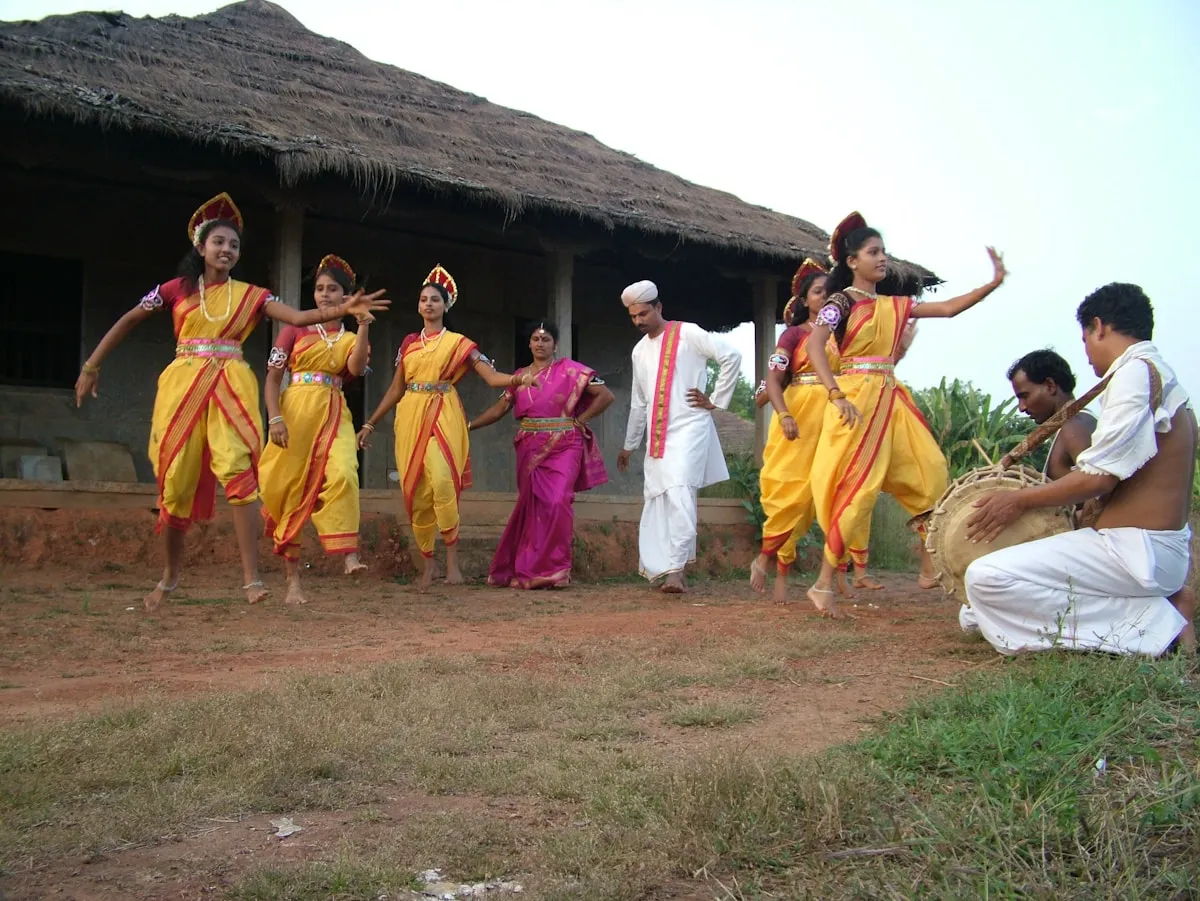
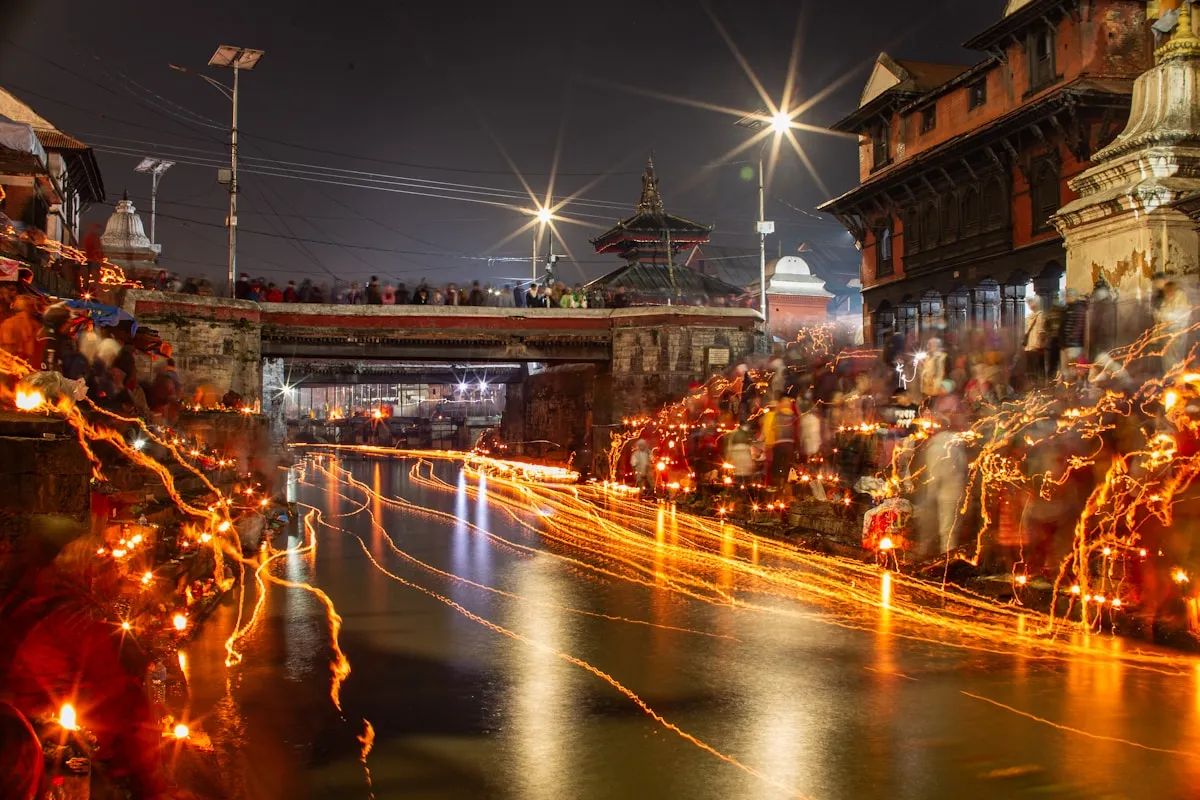 Ottawa’s diverse Indian communities celebrate harvest festivals with traditional music and dance
Beyond the major temple and cultural association events, Ottawa hosts various community celebrations during the Sankranti-Pongal period.
Gujarati Uttarayan
The Gujarati community celebrates Uttarayan with a particular focus on kite flying—a central tradition in Gujarat where the January sky fills with colourful kites. While Ottawa’s winter weather limits outdoor kite flying, community gatherings often include indoor activities and the sharing of traditional undhiyu (mixed vegetable dish) and til-gul laddoo (sesame-jaggery sweets). The Gujarati community also hosts spectacular Garba nights during Navratri each autumn.
The traditional greeting “Til-gul ghya, god god bola” means “Accept this til-gul and speak sweet words”—a reminder to let go of past conflicts and embrace sweetness in relationships.
Punjabi Lohri
One day before Makar Sankranti (January 13), Punjabi families celebrate Lohri with bonfires, folk songs, and the traditional dancing of bhangra. Peanuts, popcorn, and gajak (sesame brittle) are thrown into the fire as offerings. In Ottawa, Punjabi community centres and gurdwaras often host Lohri celebrations with community meals and live music.
Bengali Poush Sankranti
Bengali families celebrate Poush Sankranti with the preparation of pithe (traditional rice cakes) and payesh (rice pudding). The Bengali community in Ottawa often organizes home gatherings where families share these seasonal delicacies.
Assamese Magh Bihu
The Assamese community marks Magh Bihu with community feasts featuring traditional rice cakes and fermented rice. Celebrations often include building symbolic meji (temporary huts made of thatch) that are traditionally burned at dawn.
For more cultural events in Ottawa, explore our guide to Ottawa festivals and cultural events.
Traditional Foods and Recipes
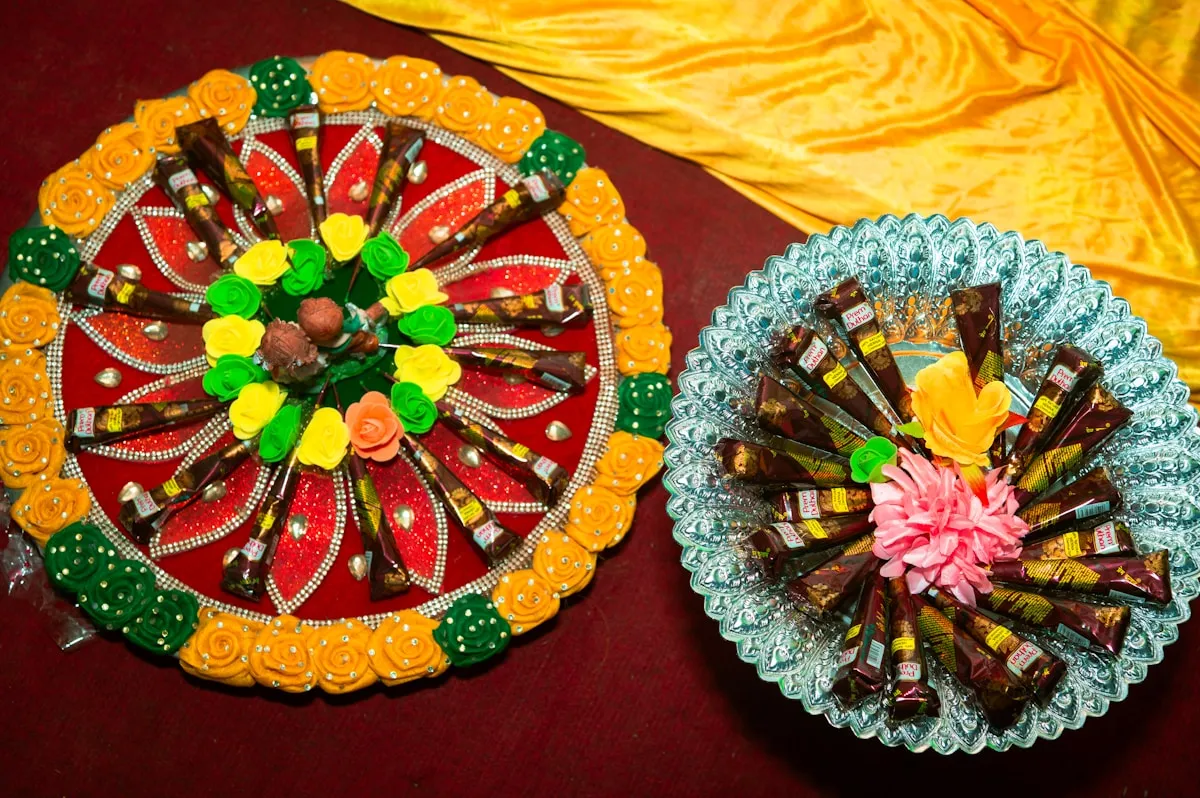 Sesame laddoos, sweet pongal, and traditional sweets mark the harvest festival celebrations
Food plays a central role in Sankranti and Pongal celebrations, with specific dishes carrying symbolic meaning tied to the harvest season.
Essential Festival Foods
Til Laddoo (Sesame Balls): Made from sesame seeds and jaggery, these sweets symbolize the winter harvest and are believed to provide warmth during cold months. The combination of sesame and jaggery is considered auspicious.
Sakkarai Pongal (Sweet Pongal): The quintessential Pongal dish made with rice, moong dal, jaggery, ghee, cardamom, cashews, and raisins. The dish is first offered to the Sun God before being shared with family.
Ven Pongal (Savoury Pongal): A comfort food made with rice, moong dal, black pepper, cumin, ginger, and ghee. Often served for breakfast during the festival period.
Khichdi (Mixed Rice and Lentils): A simpler version of harvest rice dish, often prepared in North Indian households during Sankranti.
Chikki (Peanut Brittle): Crunchy treats made from peanuts and jaggery, commonly exchanged during festival gatherings.
Where to Find Festival Foods in Ottawa
Several Indian grocery stores and restaurants in Ottawa stock or prepare festival-specific items during the January period:
For authentic ingredients to prepare these dishes at home, visit Indian grocery stores in the Vanier, Nepean, and Kanata areas. Many stock fresh jaggery, sesame seeds, and specialty rice varieties essential for traditional preparations.
If you prefer restaurant-prepared options, check our guide to the best Indian restaurants in Ottawa for establishments that may offer special festival menus.
How to Participate If You’re New to These Festivals
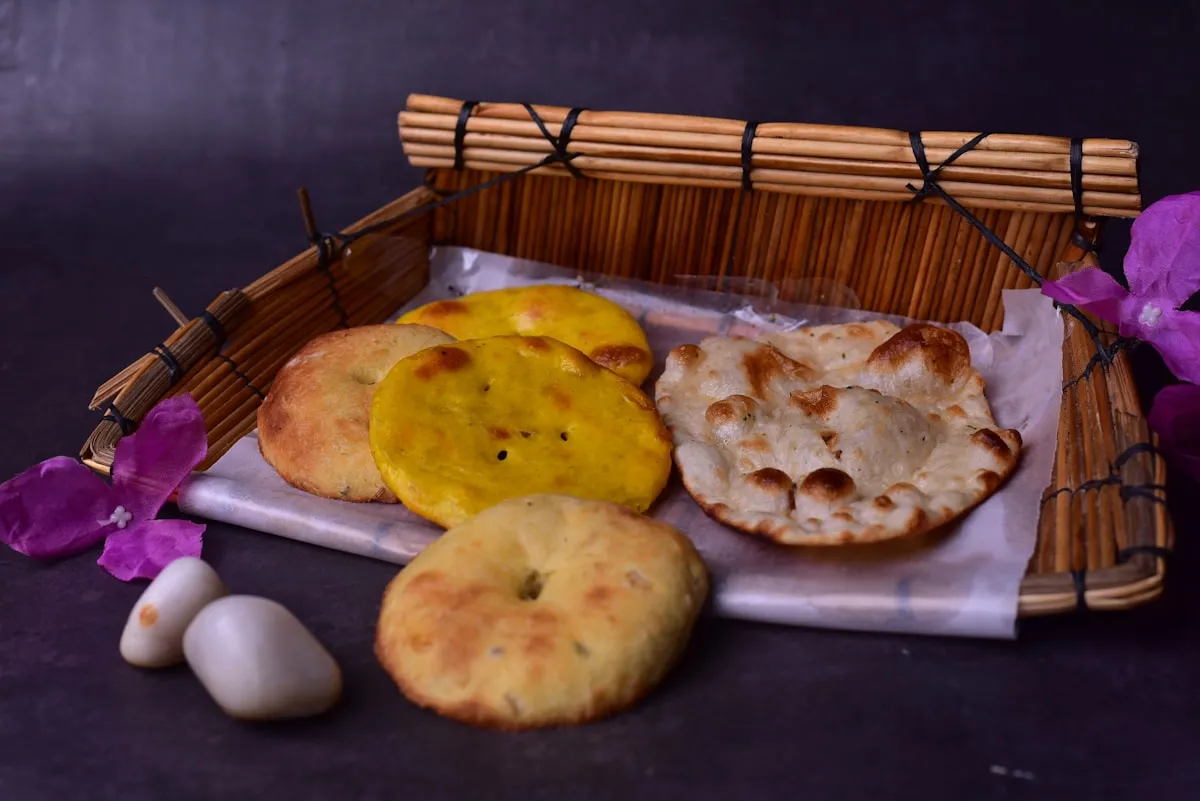 Ottawa welcomes visitors to experience South Asian harvest festival traditions
Ottawa’s Indian communities warmly welcome visitors who wish to learn about and participate in Sankranti and Pongal celebrations. Here is how to join respectfully if these festivals are new to you.
Attending Temple Events
When visiting the Hindu Temple for Sankranti celebrations:
Dress Modestly: Cover shoulders and knees. Traditional Indian attire is welcomed but not required—neat casual wear is perfectly acceptable.
Remove Shoes: Shoes must be removed before entering the temple. Bring socks if you prefer not to go barefoot.
Photography: Ask permission before photographing rituals or people. Many temples restrict photography during prayers.
Food Etiquette: If offered prasad (blessed food), accept with your right hand. It is considered disrespectful to refuse prasad, though you may politely decline if you have dietary restrictions.
Participation: You may observe or participate in prayers as comfortable. Temple volunteers can guide you on when to stand, sit, or join in activities.
Joining Cultural Association Events
TAOG, TCAO, and other cultural association events are typically ticketed and open to the general public. These community gatherings offer excellent opportunities to:
- Try authentic regional cuisine
- Watch traditional dance and music performances
- Learn about festival significance through presentations
- Meet community members and make connections
Many events include children’s activities and are family-friendly. Arrive early to secure good seats for cultural programs.
Frequently Asked Questions
Q: When is Makar Sankranti celebrated in Ottawa?
Makar Sankranti falls on January 14 each year, marking the sun’s transition into Capricorn. Community celebrations in Ottawa typically occur on the nearest weekend. The four-day Pongal festival runs January 14-17, with most Ottawa events held on weekends within this period.
Q: Where can I attend Pongal celebrations in Ottawa?
The Hindu Temple of Ottawa-Carleton at 4835 Bank Street hosts traditional Pongal celebrations with temple rituals and community gatherings. The Tamil Cultural Association of Ottawa organizes separate community events. The Telugu Association of Ottawa-Gatineau hosts Sankranthi Sambaralu at Ron Kolbus Lakeside Centre.
Q: Do I need to be Hindu or Indian to attend these celebrations?
No, these celebrations welcome visitors of all backgrounds. Both temple events and cultural association gatherings encourage community participation. Come with an open mind and respect for traditions. Volunteers and community members are happy to explain customs and answer questions.
Q: What should I wear to a Sankranti or Pongal celebration?
Modest, neat attire is appropriate. Traditional Indian clothing like sarees, salwar kameez, or kurta pajama are welcomed but not required. For temple visits, ensure shoulders and knees are covered. Avoid leather items inside temples, and remember to remove shoes before entering worship areas.
Q: What food is served at these celebrations?
Expect traditional festival foods including sakkarai pongal (sweet rice with jaggery), ven pongal (savoury rice dish), til laddoo (sesame sweets), and various regional specialties. Most events serve vegetarian food. Inform organizers of allergies in advance if purchasing tickets for community meals.
Q: Are children welcome at Sankranti events?
Absolutely. These festivals are family celebrations with many activities designed for children. Kids enjoy making rangoli, participating in cultural performances, and sampling festival sweets. Many events include children’s costume competitions and games.
Q: What is the significance of the pot boiling over during Pongal?
The boiling over of the pongal pot symbolizes abundance and prosperity overflowing in the household. When the rice-milk mixture rises and spills over the pot rim, families shout “Pongalo Pongal!” to celebrate. This central ritual represents hopes for a prosperous year ahead.
Q: How can I find out about upcoming Sankranti events in Ottawa?
Follow the Hindu Temple of Ottawa-Carleton, Tamil Cultural Association of Ottawa (TCAO), and Telugu Association of Ottawa-Gatineau (TAOG) on social media. Check Eventbrite for ticketed community events. Local Indian grocery stores often post flyers about community celebrations.
Q: Is parking available at Ottawa Sankranti events?
The Hindu Temple of Ottawa-Carleton has free on-site parking. Ron Kolbus Lakeside Centre, which hosts TAOG events, offers free parking as well. Arrive early for larger events as parking fills quickly.
Q: What does til-gul mean during Sankranti?
“Til-gul ghya, god god bola” is a Marathi greeting meaning “Accept this til-gul (sesame-jaggery sweet) and speak sweet words.” It encourages people to let go of past grievances and embrace sweetness in relationships. Exchanging til laddoos is a central Sankranti tradition symbolizing wishes for harmonious relations.
Final Thoughts
Makar Sankranti and Pongal celebrations bring warmth and community spirit to Ottawa during the coldest weeks of the year. These ancient harvest festivals, observed for thousands of years in India, have found a new home in Canada’s capital where diverse South Asian communities maintain traditions while adapting to their Canadian context.
Whether you are of Indian heritage reconnecting with cultural roots, a newcomer to Canada seeking community connection, or simply curious about South Asian traditions, Ottawa’s Sankranti and Pongal celebrations offer welcoming spaces to experience the joy of harvest thanksgiving. The sound of “Pongalo Pongal!” echoing through community halls, the aroma of sesame and jaggery sweets, and the sight of intricate kolam designs remind us that festivity and gratitude transcend seasons and borders.
Mark your calendar for mid-January and join Ottawa’s South Asian communities in celebrating the return of longer days and the abundance of the harvest.
Sources: Hindu Temple of Ottawa-Carleton, Telugu Association of Ottawa-Gatineau (TAOG), Tamil Cultural Association of Ottawa (TCAO). Event details sourced from Eventbrite and community announcements. Traditional festival information compiled from cultural heritage resources.