Last Updated: December 30, 2025
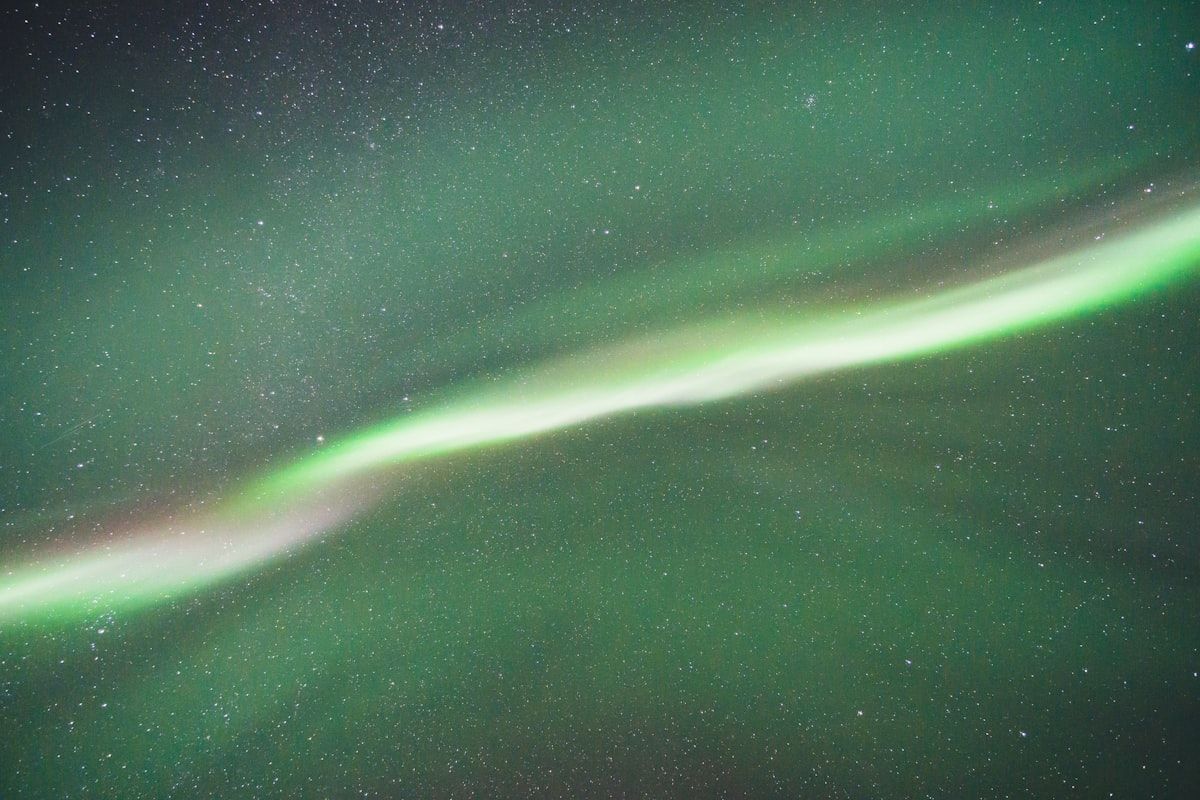
The Northern Lights are visible near Ottawa during strong geomagnetic storms (Kp 5+), with prime viewing season running September through April and peak activity during January and February. Best viewing spots within 45 minutes include Gatineau Park’s Champlain Lookout, Shirley’s Bay, Constance Bay Beach, and Carp Ridge.
Witnessing the aurora borealis dance across the sky ranks among nature’s most awe-inspiring spectacles, and Ottawa residents don’t need to travel to the Arctic to experience this phenomenon. While the National Capital Region sits at latitude 45.4 degrees North, placing it outside the typical auroral zone, strong geomagnetic storms can push the northern lights far enough south to create spectacular displays visible from dark locations near the city.
The 2024-2025 winter season has already delivered memorable aurora events, and solar cycle 25’s peak activity means more opportunities await in 2026. Whether you’re a first-time aurora chaser or a seasoned sky watcher looking for new viewing spots, this guide covers everything you need to know about catching the Northern Lights near Ottawa.
For more outdoor activities in the region, check out our guides to hiking trails in Ottawa and Winterlude.
Why Ottawa Is Special for Aurora Viewing
Ottawa’s position offers unique advantages for aurora watching that many residents don’t realize.
Ottawa’s Aurora Viewing Potential
| Factor | Details | Impact on Viewing |
|---|---|---|
| Latitude | 45.4°N | Requires Kp 5+ for visibility |
| Access to Dark Sites | 15-45 min drive | Easy escape from light pollution |
| Gatineau Park | Adjacent to city | Elevated dark sky locations |
| River Corridors | Ottawa & Rideau Rivers | Reflective foregrounds for photos |
| Four Seasons Access | Year-round road access | Can chase aurora even in winter |
| Solar Cycle 25 | Peaking 2024-2026 | Enhanced storm frequency |
Understanding Aurora Visibility at Our Latitude
| Kp Index | Visibility at 45°N | What to Expect |
|---|---|---|
| Kp 0-3 | Not visible | No aurora at Ottawa’s latitude |
| Kp 4 | Barely visible | Possible glow on northern horizon |
| Kp 5 | Low on horizon | Green glow visible from dark sites |
| Kp 6 | Moderate visibility | Aurora visible, possible pillars |
| Kp 7 | Good visibility | Dramatic displays, colours visible |
| Kp 8 | Excellent | Aurora may fill northern sky |
| Kp 9 | Exceptional | Overhead aurora possible |
Solar Cycle 25: Why 2026 Is Exceptional
We’re currently in Solar Cycle 25, which is producing stronger activity than scientists initially predicted. This means:
| Solar Cycle Factor | What It Means for Ottawa |
|---|---|
| Solar Maximum | Peak activity 2024-2026 |
| Storm Frequency | More G2+ storms per year |
| Strong Storm Probability | Higher chance of Kp 7+ events |
| CME Activity | More coronal mass ejections |
| Viewing Opportunities | Best conditions in 11+ years |
The Science Behind the Aurora
Understanding how aurora works enhances the viewing experience and helps you predict when displays might appear.
How Aurora Forms
The aurora borealis occurs when charged particles from the sun interact with Earth’s atmosphere. Here’s the process:
| Stage | What Happens |
|---|---|
| 1. Solar Activity | Sun releases coronal mass ejections (CMEs) or solar wind |
| 2. Space Travel | Particles travel 93 million miles in 1-4 days |
| 3. Earth Interaction | Particles hit Earth’s magnetosphere |
| 4. Atmosphere Entry | Particles spiral along magnetic field lines to poles |
| 5. Collision | Particles collide with oxygen and nitrogen atoms |
| 6. Light Emission | Excited atoms release energy as visible light |
Aurora Colours Explained
Different gases and altitudes produce different aurora colours:
| Colour | Altitude | Gas | Frequency |
|---|---|---|---|
| Green | 100-300 km | Oxygen | Most common |
| Red | 300+ km | Oxygen (high altitude) | Strong storms |
| Purple/Violet | 60-100 km | Nitrogen | Intense activity |
| Pink | Various | Mix of gases | Strong displays |
| Blue | 60-100 km | Nitrogen | Rare from Ottawa’s latitude |
Aurora Shapes and Movements
| Shape | Description | What It Indicates |
|---|---|---|
| Arc | Band across northern horizon | Early/late stage activity |
| Curtains | Hanging drapes of light | Moderate to strong activity |
| Corona | Radiating from overhead point | Very strong activity |
| Rays | Vertical pillars | Active movement phase |
| Pulsating | Blinking patches | Declining activity |
| Diffuse | Hazy glow | Faint or distant activity |
Predicting Aurora
| Indicator | What to Watch |
|---|---|
| CME Detection | SOHO satellite detects solar eruptions |
| CME Speed | Faster = stronger storm potential |
| Bz Orientation | Southward (negative) = better viewing |
| Solar Wind Density | Higher density = stronger aurora |
| Kp Index | Higher number = aurora further south |
Safety Considerations
Aurora watching involves spending extended time in remote, cold, dark locations. Plan for safety.
Cold Weather Safety
| Risk | Prevention |
|---|---|
| Hypothermia | Layer properly, know warning signs, have warm car nearby |
| Frostbite | Protect extremities, use hand/toe warmers, limit exposure |
| Cold vehicle | Leave engine running periodically, don’t drain battery |
| Icy roads | Check conditions, drive carefully, allow extra time |
| Getting stuck | Tell someone your plans, bring emergency supplies |
Nighttime Safety
| Risk | Prevention |
|---|---|
| Wildlife | Make noise, be aware, don’t leave food in open |
| Getting lost | Know your location, use GPS, stay near vehicle |
| Vehicle breakdown | Bring emergency kit, ensure good fuel level |
| Phone battery | Bring backup power, keep phone warm |
| Other people | Choose visible locations, go with companions |
Emergency Kit for Aurora Trips
| Item | Purpose |
|---|---|
| Blankets | Emergency warmth |
| Flashlight + batteries | Navigation if needed |
| First aid kit | Basic medical needs |
| Snacks and water | Emergency supplies |
| Phone charger | Communication |
| Shovel | If stuck in snow |
| Jumper cables | Dead battery |
| Emergency contacts | Written, not just in phone |
Tell Someone Your Plans
Before aurora chasing:
| Share | Details |
|---|---|
| Where | Specific viewing location |
| When | Expected departure and return |
| Route | How you’ll get there |
| Contacts | Who’s with you |
| Check-in | When you’ll update them |
Key Highlights
TL;DR: Northern Lights are visible near Ottawa during Kp 5+ geomagnetic storms, typically September-April with peak viewing 11pm-3am. Best spots within driving distance include Gatineau Park’s Champlain Lookout (15 min), Shirley’s Bay (25 min), and Constance Bay Beach (35 min). Dark sky preserves 2-5 hours away offer guaranteed darker skies for serious aurora chasers.
| Quick Facts | Details |
|---|---|
| 📍 Latitude | 45.4 degrees N (requires Kp 5+ for aurora) |
| 📅 Best Season | September - April (peak Jan-Feb) |
| 🕐 Prime Time | 11pm - 3am |
| 🚗 Closest Dark Spot | Gatineau Park - 15 minutes |
| 📱 Best Apps | SpaceWeatherLive, Glendale, AuroraWatch |
| 📷 Camera Settings | f/2.8, ISO 3200-8000, 1-12 sec |
| 🌡️ Dress Code | Very warm layers—you’ll be standing still |
| ☁️ Weather Check | Clear skies essential |
Best Viewing Times by Month
| Month | Hours of Darkness | Cloud Cover Avg | Viewing Quality |
|---|---|---|---|
| September | 7pm-6am | Moderate | Good start to season |
| October | 7pm-7am | Variable | Excellent |
| November | 5pm-7am | Often cloudy | Fair (weather dependent) |
| December | 4:30pm-7:30am | Variable | Good (longest nights) |
| January | 5pm-7am | Variable | Excellent (peak season) |
| February | 6pm-6:30am | Variable | Excellent (peak season) |
| March | 7pm-6am | Variable | Very good |
| April | 8pm-5:30am | Clearing | Good end to season |
Aurora Viewing Checklist
Before heading out for aurora watching:
| Essential | Why It Matters |
|---|---|
| ✅ Check Kp forecast (5+ needed) | No aurora without geomagnetic activity |
| ✅ Confirm clear skies | Clouds block all aurora viewing |
| ✅ Choose location with dark, open north | Light pollution and obstructions ruin views |
| ✅ Dress extremely warm | You’ll stand still for hours in the cold |
| ✅ Fully charge phone | Cold drains batteries quickly |
| ✅ Bring hot drinks | Comfort during long waits |
| ✅ Allow 20-30 min for eyes to adapt | Dark adaptation is essential |
| ✅ Have patience | Aurora can take hours to appear |
Understanding Aurora Visibility in Ottawa
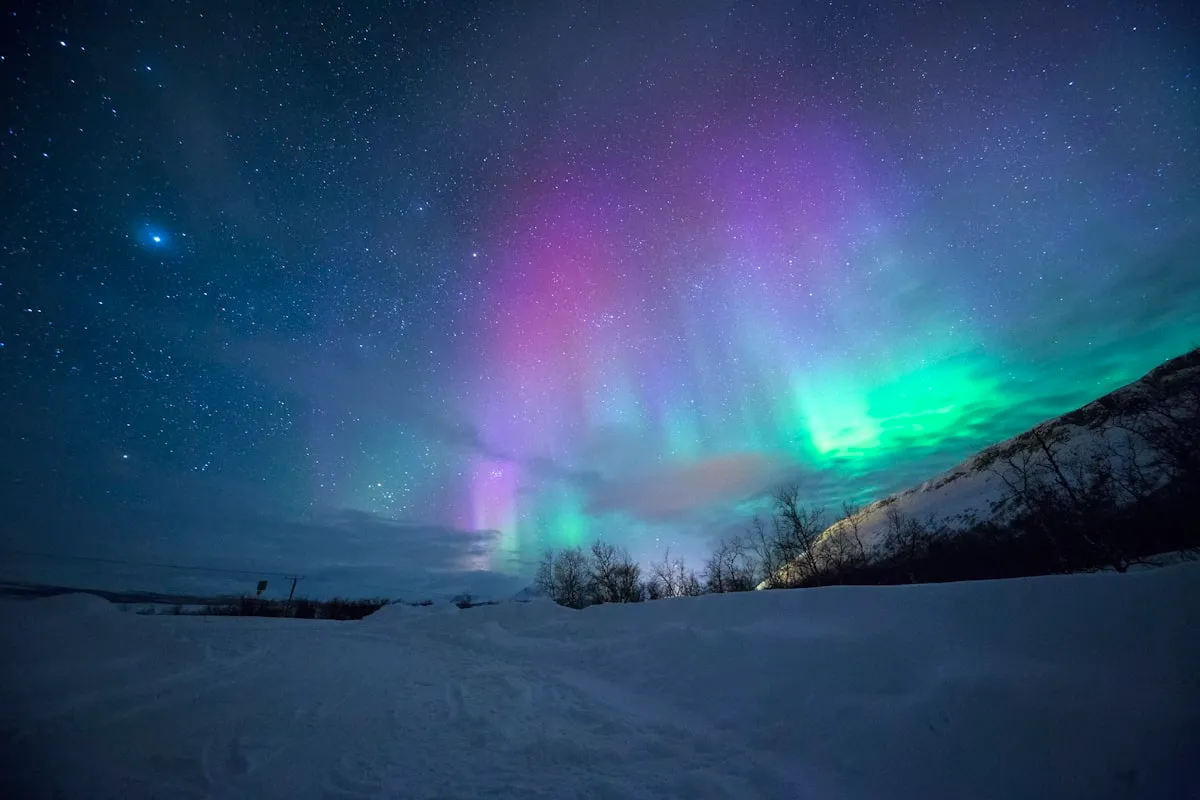
The aurora borealis occurs when charged particles from the sun collide with gases in Earth’s atmosphere, creating shimmering curtains of light that typically appear green, purple, pink, and occasionally red. Ottawa’s location at 45.4 degrees north latitude means the northern lights aren’t a nightly occurrence, but strong geomagnetic storms push auroral activity southward, bringing these celestial displays within view.
The Kp index measures geomagnetic activity on a scale from 0 to 9. For Ottawa residents, a Kp index of 5 or higher generally indicates potential aurora visibility, with higher numbers producing more vivid and widespread displays. During exceptional storms reaching Kp 7-9, the aurora can fill the entire northern sky and sometimes extend overhead.
Solar cycle 25 is currently approaching its maximum, expected around 2024-2025, which increases the frequency and intensity of geomagnetic storms. This means the coming months offer enhanced opportunities for aurora viewing in the Ottawa region compared to typical years.
Upcoming Aurora Forecast Dates 2025-2026
Geomagnetic activity forecasting has improved significantly, allowing aurora chasers to plan viewing attempts days in advance. While predictions beyond a few days carry uncertainty, space weather agencies provide reliable short-term forecasts.
Confirmed Upcoming Dates:
- December 30, 2025 (G2 Storm) - Moderate geomagnetic storm expected, Kp 6 possible
- January 17-20, 2026 (G1 Storm) - Minor storm with potential aurora visibility
- January 26, 2026 (G2 Storm) - Moderate storm, good viewing potential
These predictions come from coronal mass ejection (CME) tracking and solar wind analysis. Actual conditions may vary, so check real-time forecasts on viewing nights. The best approach combines advance planning based on forecasts with real-time monitoring of conditions as they develop.
Best Viewing Spots Near Ottawa (Under 1 Hour)
Escaping Ottawa’s light pollution is essential for aurora viewing. The city’s glow can wash out all but the strongest displays, making a short drive to darker locations worthwhile. These spots offer accessible viewing within 45 minutes of downtown.
Viewing Spots Comparison
| Location | Distance | Drive Time | Darkness Rating | Facilities | Best For |
|---|---|---|---|---|---|
| Champlain Lookout | 20 km | 15 min | ⭐⭐⭐⭐ | Parking only | Quick trips, views |
| Shirley’s Bay | 25 km | 20-25 min | ⭐⭐⭐⭐ | Beach, parking | Water reflections |
| Constance Bay | 35 km | 30-35 min | ⭐⭐⭐⭐⭐ | Beach, parking | Darker skies |
| Carp Ridge | 30 km | 25-30 min | ⭐⭐⭐⭐⭐ | Limited | Elevation, rural |
| Almonte area | 55 km | 45 min | ⭐⭐⭐⭐⭐ | Town nearby | Darkest close option |
| Fitzroy Harbour | 45 km | 40 min | ⭐⭐⭐⭐⭐ | Limited | River views |
Gatineau Park - Champlain Lookout (15 minutes)
Gatineau Park’s Champlain Lookout provides the closest dark sky option with unobstructed northern horizon views. At 335 metres elevation, this popular viewpoint during daytime transforms into an excellent aurora watching location after dark. For more on exploring Gatineau Park, see our hiking trails guide.
Location Details:
| Feature | Information |
|---|---|
| Address | Champlain Parkway, Gatineau Park |
| Coordinates | 45.5037°N, 75.8472°W |
| Elevation | 335 metres |
| Parking | Large paved lot |
| Access | Year-round, weather permitting |
| Winter Notes | Parkway may close in severe weather |
The lookout offers a wide, open vista facing north across the Ottawa Valley, making it ideal for photographing aurora displays. The paved parking area accommodates numerous vehicles, and the elevation reduces some of the city’s light pollution. Winter access may require checking road conditions, as the parkway can close during severe weather.
Pros:
- Closest dark location to downtown
- Excellent northern views over Ottawa Valley
- Familiar to locals, easy to find
- Elevated above city lights
- Large parking area
Cons:
- Can get very crowded during aurora events
- Some light pollution from Ottawa visible on horizon
- No heated facilities
- Parkway closes in bad weather
Pro Tips:
- Arrive early during forecast aurora nights—parking fills fast
- Bring your own chair—benches are limited
- The lookout faces slightly northwest, which is actually ideal for aurora
- Combine with a Winterlude trip during February
Shirley’s Bay (20-25 minutes)
Located along the Ottawa River west of Kanata, Shirley’s Bay offers waterfront viewing with the river providing a reflective foreground for aurora photography. The area falls within a yellow light pollution zone on dark sky maps, offering moderately dark conditions.
Location Details:
| Feature | Information |
|---|---|
| Address | Shirley’s Bay Road, Ottawa |
| Coordinates | 45.3654°N, 75.8892°W |
| Parking | Beach parking lot |
| Access | Year-round |
| Water Access | Ottawa River beach |
| Facilities | Portable washrooms (seasonal) |
The beach and surrounding areas provide open sky access, and the water creates stunning reflections when aurora appears. This location works particularly well for photographers seeking foreground interest in their aurora shots.
Pros:
- Water reflections for photography
- Open horizons in multiple directions
- Accessible year-round
- Good for astrophotography generally
Cons:
- Yellow zone (moderate light pollution from Kanata)
- Limited facilities
- Beach can be icy in winter
Pro Tips:
- The river reflection doubles the visual impact of aurora
- Wind off the river makes it feel colder—dress extra warm
- Scout composition during daylight for best photo spots
Constance Bay Beach (30-35 minutes)
Further west along the Ottawa River, Constance Bay Beach offers darker skies than locations closer to the city. The waterfront setting provides similar reflection opportunities to Shirley’s Bay but with reduced light pollution.
Location Details:
| Feature | Information |
|---|---|
| Address | Constance Bay Road, Ottawa |
| Coordinates | 45.4888°N, 76.0812°W |
| Parking | Beach parking area |
| Access | Year-round |
| Community | Small residential area |
| Light Pollution | Green zone (darker) |
The beach parking area provides convenient access, and the small community means minimal local light sources. Winter visits require appropriate preparation, as the beach lacks heated facilities.
Pros:
- Noticeably darker skies than closer locations
- Water reflections for photography
- Quiet setting, fewer crowds
- Green zone on light pollution maps
Cons:
- 35-minute drive from downtown
- Limited winter amenities
- More exposed to wind
Pro Tips:
- This is the sweet spot for darkness vs. distance for most aurora events
- The community is small—be respectful of residents at night
- Ottawa River can create beautiful ice formations in winter
Carp Ridge (25-30 minutes)
The elevated terrain northwest of Ottawa at Carp Ridge provides improved viewing conditions and a sense of escaping the city’s light dome. The rural setting offers darker skies than closer suburban locations.
Location Details:
| Feature | Information |
|---|---|
| Location | Northwest of Carp Village |
| Elevation | Elevated ridge terrain |
| Parking | Limited pull-offs, rural roads |
| Access | Year-round |
| Light Pollution | Green zone |
Various pull-offs and rural roads in this area provide viewing opportunities, though official parking is limited. The ridge’s elevation helps reduce the impact of Ottawa’s light pollution on the northern horizon.
Pros:
- Elevated terrain, feels more remote
- Rural darkness, green zone
- Multiple viewing options along the ridge
- Less crowded than Champlain Lookout
Cons:
- Limited official parking
- Requires route planning in advance
- Some private property—stay on road allowances
Almonte Area (45 minutes)
This charming Mississippi Mills community offers access to genuinely rural Ontario skies. The surrounding farmland and minimal development create darker conditions than locations within the Ottawa urban sprawl.
Location Details:
| Feature | Information |
|---|---|
| Distance | 55 km from downtown Ottawa |
| Communities | Almonte, Carleton Place nearby |
| Terrain | Farmland, open fields |
| Light Pollution | Green to blue zone (excellent) |
| Amenities | Town has coffee shops, restaurants |
Almonte itself has character and amenities, making it a pleasant destination if aurora watching stretches late into the night. Several rural roads and open fields surrounding the town provide viewing options. The town is also known for its arts scene and makes for a nice day trip from Ottawa.
Pros:
- Darker rural skies (green-blue zone)
- Town amenities available for warmth
- Scenic drive through countryside
- Multiple viewing locations in surrounding area
Cons:
- 45-minute drive each way
- Less dramatic viewpoint locations
- Need to scout good spots in advance
Additional Nearby Locations
| Location | Distance | Notes |
|---|---|---|
| Fitzroy Harbour | 40 min | River views, very dark |
| Dunrobin | 35 min | Rural, open fields |
| Navan | 30 min | East of Ottawa, dark farmland |
| Kemptville | 45 min | South of Ottawa, observatory nearby |
| Wakefield | 35 min | Quebec side, scenic |
Dark Sky Preserves for Serious Aurora Chasers (2-5 hours)
When major geomagnetic storms are forecast, dedicated aurora chasers willing to drive further gain access to significantly darker skies. Ontario’s dark sky preserves offer the best viewing conditions within reasonable driving distance of Ottawa.
Dark Sky Preserve Comparison
| Preserve | Distance | Drive Time | Darkness | Facilities | Lodging Nearby |
|---|---|---|---|---|---|
| Torrance Barrens | 280 km | 2.5 hours | ⭐⭐⭐⭐⭐ | Parking only | Gravenhurst |
| North Frontenac | 150 km | 2 hours | ⭐⭐⭐⭐⭐ | Varies | B&Bs available |
| Killarney | 450 km | 4 hours | ⭐⭐⭐⭐⭐ | Park facilities | Campground, lodges |
| Manitoulin Island | 500 km | 4.5 hours | ⭐⭐⭐⭐⭐ | Town services | Hotels, B&Bs |
| Lennox & Addington | 180 km | 2 hours | ⭐⭐⭐⭐⭐ | Limited | Nearby towns |
Torrance Barrens Dark Sky Preserve (2.5 hours)
Canada’s first designated dark sky preserve, located near Gravenhurst in Muskoka, offers exceptionally dark conditions just 2.5 hours from Ottawa. The 1,990-hectare preserve features low light pollution and open barrens landscape perfect for sky watching.
Preserve Details:
| Feature | Information |
|---|---|
| Location | Near Gravenhurst, Muskoka |
| Size | 1,990 hectares |
| Designation | Canada’s first dark sky preserve |
| Route from Ottawa | Highway 7 to 400 |
| Terrain | Open barrens, rock outcrops |
| Bortle Class | 3-4 (excellent for southern Ontario) |
Parking areas provide flat viewing spots, and the preserve is accessible year-round. The drive via Highway 7 and 400 makes this a manageable evening expedition when aurora forecasts look promising.
Tips:
- Multiple parking areas with different views
- The open barrens provide 360-degree sky access
- Popular with astronomers—may have company during clear nights
- Consider making it an overnight trip to Muskoka
North Frontenac Dark Sky Preserve (2 hours)
Located between Ottawa and Kingston, North Frontenac claims some of the darkest night skies in Southern Ontario. The township’s commitment to light pollution reduction creates ideal conditions for aurora viewing.
Preserve Details:
| Feature | Information |
|---|---|
| Location | Between Ottawa and Kingston |
| Township | North Frontenac |
| Route from Ottawa | Highway 7 west to 509 north |
| Terrain | Canadian Shield, lakes, forests |
| Bortle Class | 3 (very dark) |
| Commitment | Municipal dark sky policies |
Various access points throughout the preserve offer viewing opportunities. The relatively short drive makes this an excellent option when forecasts predict moderate aurora activity.
Tips:
- Township actively reduces light pollution
- Several lakes provide reflection opportunities
- Less crowded than Torrance Barrens
- Good for multi-night trips during aurora season
Killarney Provincial Park (4 hours)
Ontario’s first designated Dark Sky Preserve within the provincial park system, Killarney offers pristine viewing conditions in a stunning natural setting. The park’s remote location on Georgian Bay minimizes light pollution from any direction.
Park Details:
| Feature | Information |
|---|---|
| Location | Georgian Bay, Northern Ontario |
| Distance | 450 km from Ottawa |
| Designation | Ontario’s first provincial park dark sky preserve |
| Bortle Class | 2-3 (excellent) |
| Camping | Available with reservation |
| Season | Year-round access, winter camping possible |
The drive is substantial but worthwhile for serious aurora events. Camping reservations during aurora season book quickly, so plan ahead if combining an overnight stay with aurora watching.
Tips:
- Book camping in advance during aurora season
- Winter camping available for hardy aurora chasers
- George Lake campground offers open sky views
- Combine with hiking during a multi-day trip
Manitoulin Island (4+ hours)
The world’s largest freshwater island offers dark skies enhanced by potential reflections off Lake Huron. Several locations across the island provide excellent aurora viewing, and the island’s tourist infrastructure supports overnight stays.
Island Details:
| Feature | Information |
|---|---|
| Location | Lake Huron, Northern Ontario |
| Distance | 500+ km from Ottawa |
| Access | Little Current swing bridge |
| Bortle Class | 2 (exceptional) |
| Lodging | Hotels, B&Bs, cottages |
| Season | Year-round, ferry seasonal |
The journey via Little Current provides a scenic drive through Northern Ontario. Consider this destination for extended aurora watching expeditions or when combining with other outdoor activities.
Tips:
- Lake Huron reflections can be spectacular
- Multiple beaches and lookouts offer viewing options
- Indigenous astronomical knowledge and tours available
- Make it a weekend getaway during aurora season
Essential Forecast Tools and Apps
Successful aurora viewing requires monitoring space weather conditions. These tools help predict when aurora might be visible in the Ottawa region.
Forecast Tools Comparison
| Tool | Type | Best For | Real-Time Alerts | Cost |
|---|---|---|---|---|
| SpaceWeatherLive | Website/App | Comprehensive data | Yes | Free |
| NOAA SWPC | Website | Authoritative forecasts | No | Free |
| Glendale App | App | Real-time detection | Yes | Free |
| Norlys App | App | Magnetometer alerts | Yes | Free |
| AuroraWatch | Service | Email/SMS alerts | Yes | Free |
| My Aurora Forecast | App | Simple predictions | Yes | Free |
SpaceWeatherLive.com (Free)
This comprehensive website provides real-time solar and geomagnetic data, including Kp index forecasts, solar wind measurements, and aurora probability maps. The site’s aurora forecast specifically indicates likelihood for different latitudes, making it easy to assess Ottawa’s viewing potential.
Key Features:
| Feature | What It Shows |
|---|---|
| Kp Index | Current and predicted geomagnetic activity |
| Aurora Forecast | Probability by latitude |
| Solar Wind | Speed, density, magnetic field orientation |
| Auroral Oval | Current location of aurora zone |
| Historical Data | Past storm records |
How to Use for Ottawa:
- Check Kp forecast for 5+ levels
- Monitor Bz (if negative/south, aurora more likely)
- Watch solar wind speed (400+ km/s is favourable)
NOAA Space Weather Prediction Centre
The official US government source for space weather forecasting provides authoritative aurora predictions. Their 3-day forecast and 30-minute aurora forecast give different planning horizons for aurora watchers.
Key Resources:
| Resource | Purpose |
|---|---|
| 3-Day Forecast | Plan ahead for storms |
| 30-Minute Forecast | Real-time aurora zone |
| G-Scale Alerts | Geomagnetic storm strength |
| CME Arrival | When solar storms will hit Earth |
Mobile Apps for Aurora Tracking
Glendale App
This magnetometer-based app provides real-time aurora alerts based on actual magnetic field disturbances rather than predictions. When aurora is actively occurring, the app sends notifications, allowing viewers to rush outside for confirmation.
Norlys App
Similar to Glendale, Norlys uses magnetometer data to detect actual geomagnetic disturbances. The app provides Norwegian and global magnetometer readings, offering real-time aurora activity confirmation.
My Aurora Forecast
Simple, user-friendly app that provides Kp predictions and notifications. Good for beginners who want straightforward “go/no-go” information.
AuroraWatch Alerts
This email and SMS alert service notifies subscribers when geomagnetic activity reaches aurora-visible levels. Setting up alerts ensures you won’t miss unexpected aurora opportunities, particularly during solar storm events that develop rapidly.
Alert Levels:
| Alert Level | What It Means |
|---|---|
| Green | No significant activity |
| Yellow | Possible aurora at high latitudes |
| Amber | Aurora likely at high latitudes |
| Red | Strong storm, possible at Ottawa’s latitude |
Setting Up Your Alert System
For the best chance of catching aurora near Ottawa:
| Step | Action |
|---|---|
| 1 | Sign up for AuroraWatch email/SMS alerts |
| 2 | Install SpaceWeatherLive or Glendale app |
| 3 | Enable notifications for Kp 5+ alerts |
| 4 | Bookmark NOAA 30-minute forecast page |
| 5 | Join Ottawa aurora watching Facebook groups |
Aurora Photography Tips for Ottawa Viewers
Capturing the northern lights requires specific camera settings and techniques. Modern cameras, including many smartphones, can photograph aurora when properly configured.
Camera Settings Guide
Aperture: Use the widest available (lowest f-number). f/2.8 or wider works best, though f/4 can produce results during bright displays.
ISO: Start at 3200 and adjust based on conditions. Bright aurora may allow ISO 1600, while faint displays might require ISO 6400 or 8000.
Shutter Speed: Exposures between 1-12 seconds balance capturing light with avoiding star trails and aurora blur. Start with 8 seconds and adjust based on aurora movement speed.
Focus: Set manual focus to infinity. Use a bright star or distant light to achieve sharp focus before the aurora appears, then lock focus manually.
Additional Tips
Bring spare batteries, as cold weather drains power rapidly. Keep batteries warm in pockets until needed. A sturdy tripod is essential for sharp long exposures.
Include interesting foreground elements like trees, water, or landmarks to add depth to aurora images. Scout locations during daylight to identify compelling compositions.
Consider enabling high ISO noise reduction but disable long exposure noise reduction to avoid delays between shots during active displays.

What to Bring for Aurora Watching
Preparing properly ensures comfort during potentially long waits in cold conditions. Most aurora viewing occurs during winter months when temperatures drop significantly, and you’ll be standing still for extended periods—which feels much colder than active winter activities.
Essential Gear Checklist
| Category | Items | Why It’s Essential |
|---|---|---|
| Base Layer | Merino wool or synthetic top and bottom | Wicks moisture away from skin |
| Mid Layer | Fleece jacket, insulated pants | Primary insulation |
| Outer Layer | Wind-proof jacket, snow pants | Protection from wind and snow |
| Head | Warm hat, balaclava optional | 40% of heat lost through head |
| Hands | Insulated gloves + liner gloves | Liners for camera operation |
| Feet | Insulated boots, wool socks | Cold feet end viewing early |
| Extras | Hand warmers, toe warmers | Extend viewing time significantly |
Clothing by Temperature
| Temperature | Clothing Strategy |
|---|---|
| 0°C to -5°C | Standard winter gear, moderate layers |
| -5°C to -15°C | Full insulation, hand/toe warmers |
| -15°C to -25°C | Maximum layers, limit viewing time |
| Below -25°C | Consider postponing—extreme cold risk |
Comfort Items
| Item | Purpose |
|---|---|
| Hot drinks (thermos) | Warming comfort during waits |
| Snacks | Energy for long viewing sessions |
| Folding camp chair | Comfort during long waits |
| Blanket | Extra warmth while seated |
| Hand warmers (10+) | Keep in pockets, refresh regularly |
| Red flashlight | Preserves night vision |
| Phone battery pack | Backup for cold-drained phone |
Photography Equipment
| Item | Why You Need It |
|---|---|
| Camera with manual controls | Essential for aurora capture |
| Wide-angle lens (24mm or wider) | Captures more of the sky |
| Sturdy tripod | Stability for long exposures |
| Spare batteries (3+) | Cold drains them rapidly |
| Remote shutter release | Prevents camera shake |
| Lens cloth | For frost and condensation |
| Camera rain cover | Protects from snow |
| Memory cards | Extra capacity for many shots |
Smartphone Photography Tips
If using only a smartphone:
| Tip | Details |
|---|---|
| Enable night mode | Most modern phones have this |
| Use a phone tripod mount | Stability is essential |
| Keep phone warm | Cold battery = dead phone |
| Take many shots | Some will turn out better |
| Try different exposures | Experiment with settings |
| Bring backup battery | Essential in cold weather |
Aurora Photography Detailed Guide
Capturing the northern lights requires specific camera settings and techniques. Modern cameras, including many smartphones, can photograph aurora when properly configured.
Camera Settings Quick Reference
| Setting | Bright Aurora (Kp 7+) | Medium Aurora (Kp 5-6) | Faint Aurora (Kp 5) |
|---|---|---|---|
| Aperture | f/2.8 | f/2.8 | f/2.8 (widest possible) |
| ISO | 1600-3200 | 3200-6400 | 6400-12800 |
| Shutter | 4-8 seconds | 8-12 seconds | 12-20 seconds |
| Focus | Infinity (manual) | Infinity (manual) | Infinity (manual) |
Setting Up for Success
Before the Aurora Appears:
| Step | Action |
|---|---|
| 1 | Scout location and compose shot during twilight |
| 2 | Set up tripod on stable ground |
| 3 | Focus on distant light or star, then switch to manual |
| 4 | Take test shots to confirm settings |
| 5 | Configure interval shooting if available |
When Aurora Appears:
| Step | Action |
|---|---|
| 1 | Don’t rush—take time to observe first |
| 2 | Start with mid-range settings (ISO 3200, 8 sec) |
| 3 | Review images and adjust based on brightness |
| 4 | Vary compositions—horizon, vertical, panorama |
| 5 | Include foreground interest when possible |
Composition Tips
| Technique | How to Execute |
|---|---|
| Foreground interest | Include trees, rocks, water, buildings |
| Reflections | Use calm water for doubled aurora |
| Silhouettes | Trees against aurora sky |
| Human element | Person gazing at aurora (light painting) |
| Panoramas | Multiple shots stitched together |
| Timelapse | Continuous shooting for video |
Common Aurora Photography Mistakes
| Mistake | How to Avoid |
|---|---|
| Blurry images | Use tripod, remote shutter |
| Too dark | Increase ISO, open aperture |
| Too bright/washed out | Reduce exposure time or ISO |
| Missed focus | Focus on stars before aurora, use manual |
| Star trails | Keep exposure under 20 seconds |
| Empty sky | Include foreground elements |
| Lens fogging | Allow camera to adjust temperature slowly |
Post-Processing Aurora Photos
| Adjustment | Purpose |
|---|---|
| White balance | Often needs correction (auto WB struggles) |
| Exposure | Brighten shadows, control highlights |
| Contrast | Enhance aurora against sky |
| Vibrance/Saturation | Carefully enhance colours (don’t overdo) |
| Noise reduction | Handle high ISO noise |
| Sharpening | Improve star and aurora detail |
Combining Aurora Watching with Other Activities
Aurora viewing pairs well with other winter activities in Ottawa. Consider these combinations for memorable winter evenings.
Activity Pairings
| Primary Activity | Aurora Pairing | Best Locations |
|---|---|---|
| Cross-country skiing | Evening viewing at Gatineau Park | Champlain Lookout |
| Snowshoeing | Night hike with aurora watch | Gatineau Park trails |
| Winterlude activities | Late-night aurora trip | After festivities end |
| Scenic drives | Pull over for viewing | Rural routes west |
| Stargazing | Aurora often appears during | Any dark location |
| Photography outing | Landscape + aurora | Constance Bay, Shirley’s Bay |
Gatineau Park Day-to-Night Itinerary
| Time | Activity | Location |
|---|---|---|
| 2-5 PM | Winter hiking or skiing | Park trails |
| 5-6 PM | Warm up at visitor centre | Gatineau Park |
| 6-7 PM | Dinner in Chelsea | Local restaurants |
| 8-10 PM | Return for stargazing | Champlain Lookout |
| 10 PM-2 AM | Aurora watching (if forecast favourable) | Champlain Lookout |
Multi-Night Aurora Trip
For serious aurora chasers willing to maximize viewing chances:
| Day | Daytime Activity | Evening Activity |
|---|---|---|
| Day 1 | Explore Muskoka/Gravenhurst | View from Torrance Barrens |
| Day 2 | Backup viewing night | Return to dark sky preserve |
| Day 3 | Morning drive home | Hot coffee stops en route |
Date Night Aurora Experience
Make aurora watching romantic:
| Element | Suggestion |
|---|---|
| Before | Dinner in Westboro or Chelsea |
| During | Hot chocolate, warm blankets, aurora watching |
| Location | Champlain Lookout (15 min from restaurants) |
| Photography | Couple silhouette against aurora sky |
| After | Late night dessert if shops open |
Ottawa Aurora Community
Connecting with fellow aurora enthusiasts enhances the experience and improves your chances of catching displays.
Online Communities
| Platform | Group/Resource | Purpose |
|---|---|---|
| Ottawa Northern Lights Chasers | Local sightings, tips | |
| Ottawa Valley Photographers | Photo sharing, tips | |
| r/Ottawa | Occasional aurora posts | |
| RASC Ottawa | ottawa.rasc.ca | Astronomy club, events |
| #OttawaAurora | Photo community |
Why Join the Community?
| Benefit | Details |
|---|---|
| Real-time reports | ”Aurora visible right now!” posts |
| Location tips | Hidden gems, private recommendations |
| Photo feedback | Improve your aurora photography |
| Carpool opportunities | Split driving on long trips |
| Equipment advice | What works for Ottawa viewing |
| Social aspect | Meet fellow night-sky enthusiasts |
Local Astronomy Resources
| Organization | What They Offer |
|---|---|
| RASC Ottawa Centre | Public observing nights, star parties |
| Dominion Observatory | Historical site, occasional events |
| Fred Lossing Observatory | Public viewing sessions |
| Science & Tech Museum | Space-related exhibits and events |
First-Time Aurora Watcher’s Guide
New to aurora watching? This section covers everything you need to know for your first successful viewing experience near Ottawa.
Managing Expectations
| Reality Check | What to Know |
|---|---|
| Colours | Cameras capture more colour than naked eyes—green glow may look grey/white in person |
| Wait times | Be prepared to wait 2-4 hours, possibly without seeing anything |
| Forecast accuracy | Even good forecasts don’t guarantee visible aurora |
| Timing | Aurora appears in waves—it may fade and return multiple times |
| Brightness | Most Ottawa-visible aurora is subtle, not the vivid displays seen in Arctic photos |
| Success rate | Expect several unsuccessful trips before your first sighting |
Your First Viewing Trip Checklist
| Step | Action | Timing |
|---|---|---|
| 1 | Check Kp forecast (need 5+) | 3-5 days before |
| 2 | Monitor weather (need clear skies) | 24-48 hours before |
| 3 | Scout location during daylight | Day of or before |
| 4 | Confirm conditions | Hours before departing |
| 5 | Arrive at location | 30-60 min before peak viewing time |
| 6 | Allow eyes to dark adapt | 20-30 min after arriving |
| 7 | Begin watching and waiting | Be patient |
Common First-Timer Mistakes
| Mistake | Solution |
|---|---|
| Not dressing warm enough | Layer like you’ll stand still in -20°C |
| Giving up too early | Commit to at least 2 hours of watching |
| Staying too close to city | Drive minimum 25-30 minutes from Ottawa |
| Checking phone constantly | Bright screen ruins night vision |
| Arriving late | Aurora timing is unpredictable—be there early |
| Going alone first time | Bring a friend or join a Facebook group trip |
| Ignoring weather | Clouds = no aurora, period |
Building Your Aurora Skills
| Stage | Focus On |
|---|---|
| Beginner | Identifying conditions, finding locations |
| Intermediate | Recognizing faint aurora, basic photography |
| Advanced | Predicting from solar data, advanced photography |
| Expert | Timing drives based on real-time solar wind data |
Start by joining local Facebook aurora groups. Experienced watchers often share real-time reports like “Aurora visible NOW at Constance Bay!” which helps beginners know when to head out. Consider your first few trips as learning experiences rather than guaranteed sightings—each outing teaches you something about forecasts, locations, and conditions.
For warm-up adventures before aurora chasing, explore the hiking trails in Gatineau Park during daylight hours to familiarize yourself with the area. Many aurora viewing locations double as great winter activity destinations.
FAQ
Q: Can you see Northern Lights from downtown Ottawa?
Strong aurora displays (Kp 7+) are occasionally visible from within city limits, but light pollution significantly reduces visibility. For best viewing, drive 20-45 minutes to darker locations outside the urban area. Even during exceptional storms, you’ll see far more colour and detail from dark sites like Constance Bay or Gatineau Park.
Q: What time is best for viewing aurora near Ottawa?
The optimal window runs from 11pm to 3am, when the sun is at its lowest point relative to your location. However, strong storms can produce visible aurora throughout the night from dusk to dawn. During active periods, aurora can appear and disappear in waves, so patience is essential.
Q: How far north do you need to go to see Northern Lights from Ottawa?
You don’t need to travel north. Driving west or northwest to escape Ottawa’s light pollution dome is more effective than driving north. Locations like Constance Bay (35 minutes west) offer darker skies than areas the same distance north. The aurora itself appears to the north regardless of where you’re standing.
Q: What Kp index is needed to see aurora in Ottawa?
Generally, Kp 5 or higher is needed for aurora visibility at Ottawa’s latitude (45.4 degrees N). Higher Kp values (6-9) produce more vivid displays that extend further south across the sky. At Kp 7+, expect dramatic displays with clear colour even to the naked eye.
Q: Is the aurora visible year-round near Ottawa?
Technically yes, but practical viewing is limited to September through April when nights are long and dark enough. Summer’s short nights and persistent twilight make aurora detection difficult even when activity occurs. The best months are typically January and February.
Q: What colour are the Northern Lights in Ottawa?
Green is most common, produced by oxygen at lower altitudes. Strong displays may include pink, purple, and red hues. Camera sensors often capture more vivid colours than the human eye perceives—don’t be surprised if photos show colours you didn’t see with naked eyes.
Q: Do I need special equipment to see Northern Lights?
No special equipment is required for visual observation. Your eyes adapted to darkness work well, though cameras often reveal more colour and detail than naked-eye viewing. A smartphone with night mode can help confirm faint aurora that looks like cloud to the eye.
Q: How long do Northern Light displays last?
Displays vary from brief 15-minute bursts to multi-hour events. When forecasts predict aurora, plan to spend at least 2-3 hours at your viewing location to maximize chances of catching activity. Aurora often comes in waves with quiet periods between active phases.
Q: Can smartphones photograph the aurora?
Modern smartphones with night mode or long exposure capabilities can capture aurora. Results vary by phone model, but devices from the past 3-4 years generally produce usable images during bright displays. iPhone and Pixel phones perform particularly well.
Q: What causes Northern Lights to be visible so far south?
Strong geomagnetic storms from coronal mass ejections (CMEs) or solar flares push the auroral oval southward. During exceptional events (G4-G5 storms), aurora can be visible from latitudes as low as 40 degrees north. The current solar maximum makes these strong storms more frequent.
Q: Is there a best month for aurora viewing near Ottawa?
January and February typically offer the best combination of long dark nights, clear skies between weather systems, and active geomagnetic conditions. However, significant aurora events can occur throughout the September-April season. October and March are also excellent months.
Q: Should I drive to a dark sky preserve for aurora viewing?
For casual viewing of strong storms (Kp 6+), locations within 45 minutes of Ottawa suffice. For photographing faint aurora or during moderate activity (Kp 5), the 2-hour drive to dark sky preserves significantly improves results. For exceptional photography, the extra drive is worth it.
Q: How do I know if aurora is happening right now?
Use magnetometer-based apps like Glendale or Norlys that detect actual magnetic disturbances in real-time. Also check SpaceWeatherLive for current Kp readings. Sometimes aurora can appear quickly and without much warning, so set up alerts for spontaneous viewing.
Q: What’s the difference between G-scale and Kp index?
The G-scale (G1-G5) measures geomagnetic storm strength, while the Kp index (0-9) measures specific geomagnetic activity. Generally: G1 = Kp 5, G2 = Kp 6, G3 = Kp 7, G4 = Kp 8, G5 = Kp 9. For Ottawa viewing, you want G2+ or Kp 6+ for reliable displays.
Q: Can I see aurora through clouds?
No, clouds block all aurora viewing. A thin cloud layer will obscure the aurora completely. Clear skies are absolutely essential—always check weather forecasts before heading out.
Q: Why can cameras see aurora colours that I can’t?
Human eyes use rod cells for night vision, which don’t perceive colour well. Camera sensors detect colour regardless of light level, so they capture the full spectrum of aurora colours. This is normal—enjoy your photos even if the visual experience appeared mostly white/grey.
Q: Are there guided aurora tours from Ottawa?
Currently, most aurora viewing is self-guided. However, some photography groups organize informal aurora chasing events. Join Ottawa-area photography Facebook groups to find fellow aurora enthusiasts. The Ottawa Centre of the Royal Astronomical Society of Canada occasionally hosts viewing events.
Related Ottawa Guides
Planning outdoor adventures in Ottawa? Check out these related guides:
Outdoor Activities
| Guide | Why It’s Relevant |
|---|---|
| Hiking Trails Ottawa | Many trails pass dark sky viewing spots |
| Winterlude Guide | Winter activities during aurora season |
| Dog-Friendly Ottawa | Night walks with your pup |
| Rideau Canal Skating Guide | Winter outdoor activities |
Neighbourhood Guides
| Guide | Why It’s Relevant |
|---|---|
| Kanata Complete Guide | Gateway to Shirley’s Bay viewing |
| Orléans Complete Guide | Eastern dark sky options |
| Westboro Complete Guide | Coffee shops for pre-aurora fuel |
| ByWard Market Guide | Late-night food after aurora chasing |
Food & Drink for Aurora Chasers
| Guide | Why It’s Relevant |
|---|---|
| Best Coffee Shops Ottawa | Caffeine for late-night viewing |
| Best Late Night Food Ottawa | Fuel before or after aurora trips |
| Best Cheap Eats Ottawa | Budget-friendly aurora chase fuel |
Final Thoughts
Seeing the Northern Lights near Ottawa requires patience, preparation, and a willingness to venture into the cold dark night when conditions align. While our latitude means aurora viewing opportunities are less frequent than in Northern Canada, the spectacle of watching green and purple curtains dance across the sky makes every successful viewing memorable.
Aurora Viewing Success Summary
| Factor | Key Takeaway |
|---|---|
| When to Watch | September-April, peak 11pm-3am |
| Minimum Kp Needed | Kp 5+ (preferably Kp 6+) |
| Best Close Location | Constance Bay or Gatineau Park |
| Best Dark Sky Option | North Frontenac (2 hours) |
| Essential Apps | SpaceWeatherLive, Glendale, AuroraWatch |
| Camera Basics | f/2.8, ISO 3200, 8 seconds |
| Most Important Factor | Clear skies + darkness + patience |
Your Aurora Chasing Checklist
Before your next aurora adventure:
- Sign up for aurora alerts (AuroraWatch, app notifications)
- Identify 2-3 viewing locations at different distances
- Scout locations during daylight for parking and horizon views
- Prepare cold weather gear (rated for extended standing)
- Charge camera, phone, and spare batteries
- Bookmark forecast websites
- Join Ottawa aurora Facebook groups for community updates
Why 2026 Is the Year to Start
The current solar maximum means:
| Solar Cycle Factor | Advantage for Ottawa |
|---|---|
| Peak activity 2024-2026 | More G2+ storms per month |
| Higher storm frequency | More chances to catch aurora |
| Stronger storms possible | Aurora visible further south |
| Active sun | Increased CME activity |
Monitor space weather forecasts during the September-April viewing season, identify your preferred viewing locations in advance, and be ready to make spontaneous trips when geomagnetic storms develop. The current solar maximum increases opportunities for the coming months, making 2026 an excellent time for Ottawa residents to add aurora borealis to their bucket list of experiences.
Final Tips for Success
| Tip | Why It Matters |
|---|---|
| Be patient | Aurora can take hours to appear during active periods |
| Check multiple forecasts | No single source is always accurate |
| Have backup locations | If clouds appear, be ready to drive further |
| Dress warmer than you think | Standing still gets cold fast |
| Trust your camera | It sees colours your eyes might miss |
| Stay longer than planned | Best displays often happen late |
| Join the community | Facebook groups provide real-time local reports |
For the best experience, combine dark viewing locations with proper winter gear and realistic expectations. Not every forecast pans out, but when conditions align and the aurora appears, you’ll understand why people travel thousands of kilometres for this natural phenomenon that occasionally visits our own backyard.
Good luck, clear skies, and may the aurora dance for you! ✨
Sources: NOAA Space Weather Prediction Centre, SpaceWeatherLive, AuroraWatch, National Capital Commission, Ontario Parks, Royal Astronomical Society of Canada - Ottawa Centre