

Last Updated: January 1, 2026
The Ottawa Food Bank network served 588,866 visits in 2025, a staggering 101% increase since 2019, with over 70 member agencies providing more than 2 million meals to residents facing food insecurity across the capital region. Whether you’re experiencing temporary hardship, supporting a family member, or looking for ways to contribute to your community, this comprehensive guide covers every aspect of Ottawa’s food assistance ecosystem.
Food insecurity affects families from all backgrounds in Ottawa. Single adults make up 40% of food bank users, while children represent 37% of those served. Newcomers to Canada have seen a 98% increase in food bank usage since 2019, reflecting the challenges many face when establishing themselves in a new country. The important thing to understand is that no income verification is required at most Ottawa food banks, and services are designed to treat everyone with dignity and respect.
This guide provides practical information about accessing food assistance, understanding what’s available, and connecting with the right resources for your situation. If you’re in immediate need, call 311 for emergency assistance or visit ottawafoodbank.ca/get-help to find your nearest food cupboard.
Key Highlights
TL;DR: The Ottawa Food Bank operates through 70+ member agencies across all neighbourhoods, providing food cupboards, hot meal programs, mobile food banks, and specialized services for seniors, students, and newcomers. No income verification is required. For immediate help, call 311 or visit ottawafoodbank.ca/get-help to locate services near you.
| Quick Facts | Details |
|---|---|
| 📊 2025 Visits | 588,866 total visits (101% increase since 2019) |
| 🏢 Member Agencies | 70+ locations across Ottawa |
| 🍽️ Meals Served | 2+ million meals in 2025 |
| 👨👩👧👦 Demographics | 40% single adults, 37% children |
| 📞 Emergency Help | Call 311 |
| 🌐 Website | ottawafoodbank.ca/get-help |
| ✅ Requirements | No income verification needed |
How to Access Food Bank Services
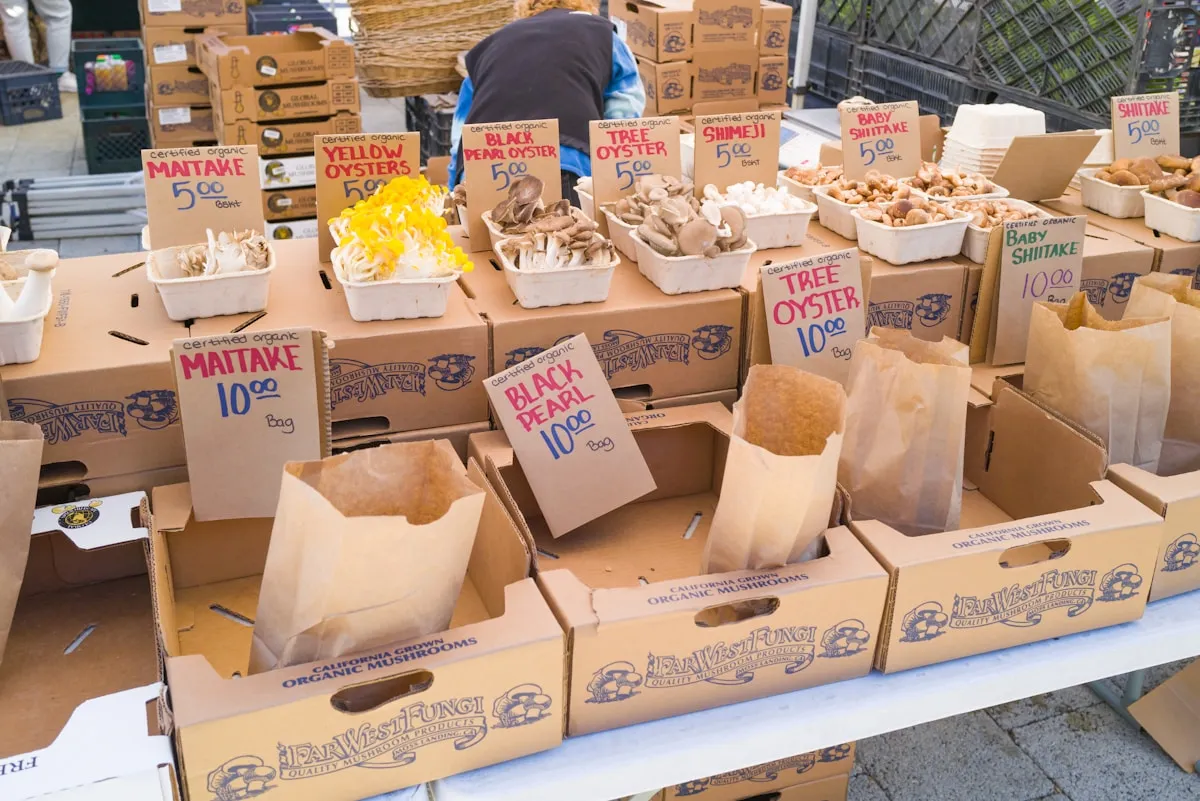
Accessing food assistance in Ottawa is simpler than many people expect. The Ottawa Food Bank and its member agencies have streamlined the process to reduce barriers and ensure that anyone facing food insecurity can get help quickly.
First-time visitors typically need to bring a piece of identification and proof of address, though requirements vary by location. Some agencies accept a verbal declaration if you don’t have documentation readily available. The goal is to help you access food, not to create obstacles. Staff and volunteers understand that people come to food banks during difficult times and are trained to provide compassionate, non-judgmental service.
Most food cupboards operate on an appointment system, though some welcome walk-ins during specific hours. To find your nearest food cupboard and learn their specific procedures, use the Ottawa Food Bank’s interactive map or call 311. The 311 operators can provide guidance in multiple languages and connect you with appropriate services based on your location and needs.
Registration typically involves providing basic information about your household size so that food packages can be appropriately sized. You might be asked about dietary restrictions or allergies so that suitable items can be included. This information helps agencies serve you better and is kept confidential.
Many agencies limit visits to once per month, though some emergency services are available more frequently. If you’re facing a crisis situation where you need immediate help, explain your circumstances to staff, as many agencies can make exceptions or refer you to additional resources.
What To Do Now: Visit ottawafoodbank.ca/get-help and enter your postal code to find the three nearest member agencies. Save their contact information and operating hours in your phone for easy reference.
Types of Food Assistance Available

Ottawa’s food assistance network offers far more than traditional food bank hampers. Understanding the full range of services available helps you find the right support for your specific situation.
Food Cupboards and Hamper Programs
Food cupboards are the backbone of the Ottawa Food Bank network. These locations provide grocery items that you take home to prepare yourself, typically including shelf-stable goods like canned vegetables, pasta, rice, and cereal, along with fresh items when available such as bread, dairy, eggs, and produce. Many cupboards now offer client choice models, allowing you to select items that match your family’s preferences and dietary needs rather than receiving a pre-packed hamper.
Hot Meal Programs
Several agencies operate hot meal programs where you can sit down for a prepared meal. These programs are particularly valuable for individuals without cooking facilities, those experiencing homelessness, or seniors who benefit from the social connection of eating with others. Meals are typically served at set times and may include breakfast, lunch, or dinner depending on the program.
Mobile Food Banks
The Ottawa Food Bank operates mobile food bank programs that bring food directly to underserved communities. These mobile units visit specific locations on scheduled days, making food assistance accessible to people who may have difficulty travelling to fixed locations due to transportation barriers, mobility challenges, or work schedules.
After-School Snack Programs
Many agencies partner with schools and community centres to provide nutritious snacks for children through after-school programs. These initiatives ensure that young people have fuel for homework and activities while reducing the food burden on families during the critical after-school hours.
Community Gardens and Food Skills Programs
Beyond emergency food provision, some agencies offer programs that help build long-term food security. Community gardens allow participants to grow their own fresh produce, while food skills workshops teach meal planning, cooking techniques, and budgeting strategies. These programs complement immediate food assistance with skills that support independence.
Specialized Dietary Options
Several agencies now offer options for those with dietary restrictions, including halal, kosher, vegetarian, and allergen-free items. If you have specific dietary requirements, ask about availability when you register, as agencies work to accommodate diverse needs within their inventory.
What To Do Now: Consider which type of assistance best fits your situation. If you need immediate groceries, seek out a food cupboard. If you lack cooking facilities or prefer a social environment, look for hot meal programs in your area.
Food Banks by Neighbourhood

The Ottawa Food Bank’s 70+ member agencies ensure that food assistance is accessible across every part of the city. Here’s an overview of services organized by major areas, though the interactive map at ottawafoodbank.ca/get-help provides the most current and complete information.
Downtown and Centretown
The downtown core offers multiple food assistance options given the concentration of shelters, community centres, and social services in the area. The Centretown Community Health Centre provides food cupboard services, while several church-based programs offer hot meals throughout the week. The Shepherds of Good Hope operates comprehensive services including meals and a shelter on Murray Street.
Vanier and Overbrook
Vanier has several active food programs reflecting the neighbourhood’s long history of community organizing. St. Margaret’s Food Cupboard serves residents in the area, while the Vanier Community Service Centre coordinates multiple forms of assistance. The Overbrook Community Association also maintains food programming for local residents.
Nepean and Barrhaven
The Nepean, Merivale, and Barrhaven areas are served by multiple agencies including the Nepean Food Cupboard, which operates out of community centres in the area. Churches and community organizations throughout these suburbs maintain food programs that serve families in these growing residential areas.
Kanata and Stittsville
Western Ottawa residents can access the Kanata Food Cupboard and services through the Western Ottawa Community Resource Centre. Stittsville’s community organizations maintain food programs that serve residents in these communities, with growing capacity as the population expands.
Orleans and East End
The Orleans area features several food cupboards including the Orleans-Cumberland Community Resource Centre. East end residents can also access services through agencies along the St. Laurent corridor and in Gloucester.
South Keys and Greenboro
The South-East Ottawa Community Health Centre maintains food programming for residents in South Keys, Greenboro, and surrounding areas. The area’s diverse population is served by programs that reflect community needs.
Gatineau (For Reference)
While the Ottawa Food Bank serves Ontario residents, those living in Gatineau can access similar services through Moisson Outaouais, the regional food bank serving the Quebec side of the National Capital Region.
What To Do Now: Use the Ottawa Food Bank locator to find agencies within 5 km of your home. Note their operating hours and any requirements for first-time visitors.
Emergency Food Assistance
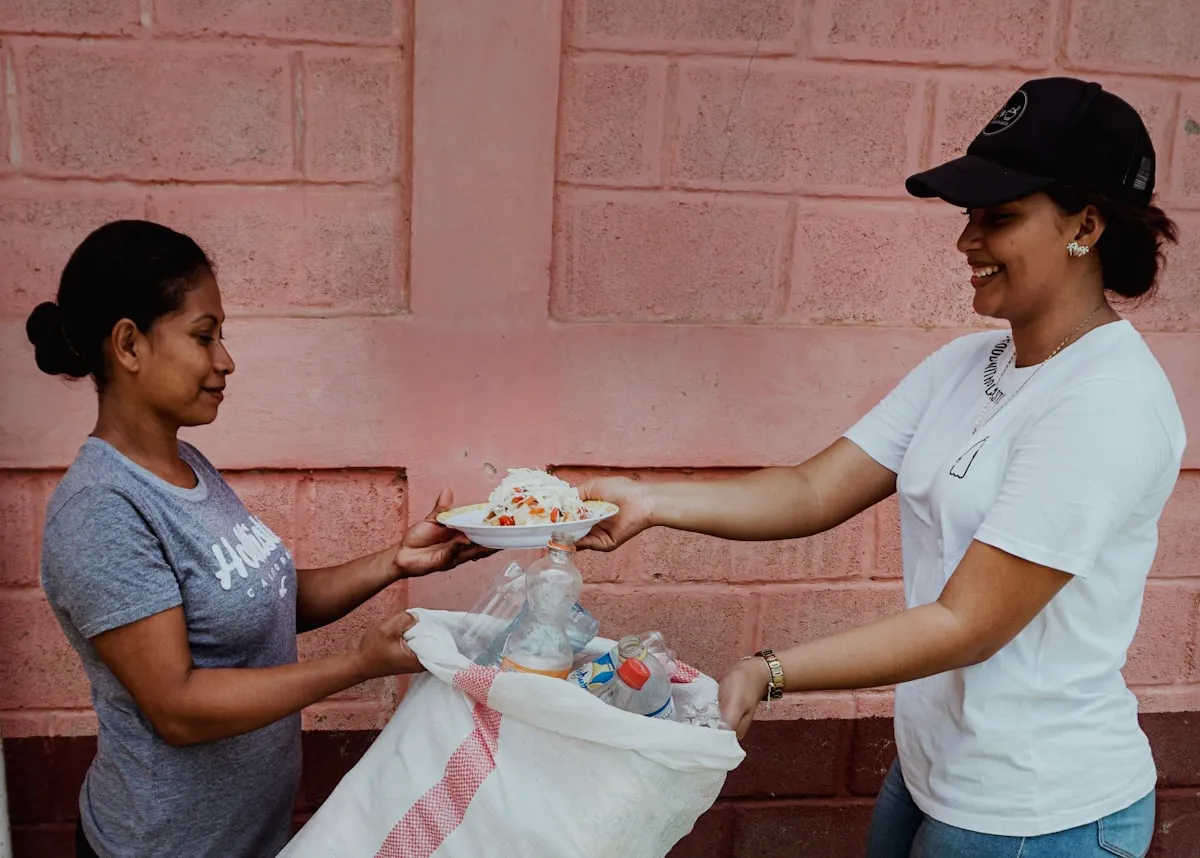
When you’re facing an immediate food crisis, Ottawa has emergency resources that can help right away. These services are designed to provide rapid assistance when regular food bank visits aren’t sufficient or when you need help outside normal operating hours.
311 Emergency Services
Ottawa’s 311 service operates 24 hours a day, 7 days a week, and can connect you with emergency food resources. Operators can direct you to the nearest available services, provide information about shelters that include meal service, and connect you with emergency social services if needed. For TTY access, dial 613-580-2401.
Salvation Army Emergency Food Services
The Salvation Army operates multiple locations in Ottawa providing emergency food assistance. Their services often extend beyond regular food bank hours and can accommodate crisis situations. The Ottawa Booth Centre on George Street provides comprehensive services including meals and shelter.
Community Health Centres
Ottawa’s network of Community Health Centres often provides emergency food support alongside their healthcare services. These centres take a holistic approach and can connect food assistance with other supports like healthcare, counselling, and housing services. Major centres include Somerset West CHC, Centretown CHC, Sandy Hill CHC, and South-East Ottawa CHC.
Weekend and Holiday Services
Food insecurity doesn’t follow a weekday schedule. Several agencies maintain weekend operations, and many coordinate special distributions before holidays and school breaks when children may lose access to school meal programs. Contact 311 to learn about weekend services in your area.
Emergency Grocery Gift Cards
In some cases, social service agencies can provide emergency grocery store gift cards for families in crisis. These are typically available through organizations like the Ontario Works office, family support agencies, and some Community Health Centres. While not universally available, they represent an option when traditional food bank services aren’t immediately accessible.
What To Do Now: Save 311 in your phone contacts with a note about food assistance. If you’re currently in crisis, call now rather than waiting, as operators can provide immediate guidance.
Food Help for Specific Groups
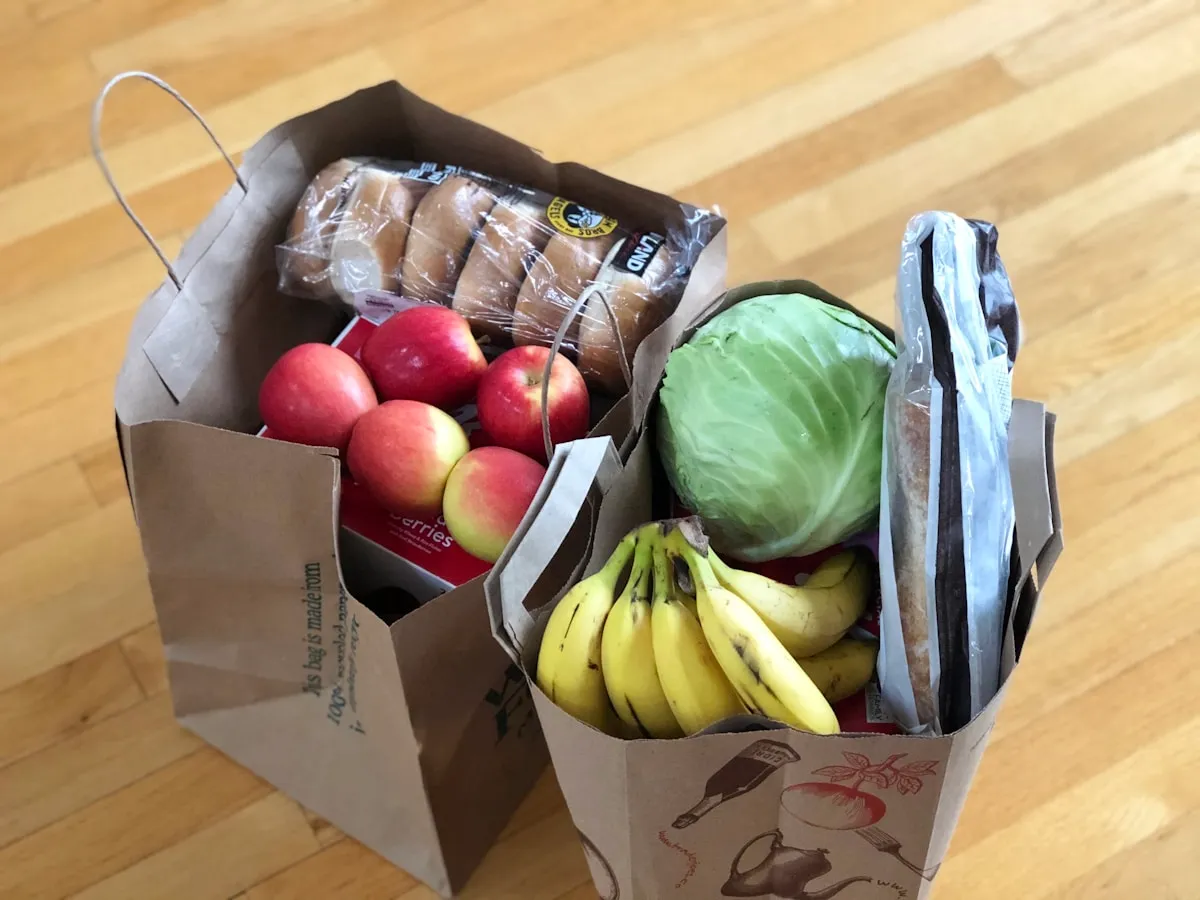
While Ottawa’s food banks serve everyone, several programs address the unique needs of specific populations. Understanding these targeted services helps you access the most appropriate support.
Seniors
Seniors face particular challenges related to food security, including fixed incomes, mobility limitations, and social isolation. Several programs specifically serve older adults:
The Good Companions Seniors’ Centre offers meal programs where seniors can enjoy hot meals in a social setting. Meals on Wheels Ottawa delivers prepared meals directly to homebound seniors, with options for dietary modifications. The Council on Aging of Ottawa connects seniors with various food programs throughout the city. Additionally, many food cupboards offer delivery or dedicated hours for senior clients who have difficulty with regular pickup times.
Students
Post-secondary students face significant food insecurity, with many choosing between textbooks and groceries. Campus food programs help address this gap:
The University of Ottawa operates a food bank through student services, while Carleton University maintains food assistance programs through the Carleton University Students’ Association. Algonquin College offers food support through student services as well. These campus programs understand student schedules and often have evening or weekend availability.
Newcomers and Refugees
Newcomers to Canada, including refugees, face unique food security challenges as they establish themselves. The 98% increase in newcomer food bank usage since 2019 reflects the difficulties many experience. Specialized services include:
Settlement agencies like the Ottawa Community Immigrant Services Organization (OCISO), Catholic Centre for Immigrants, and the Somali Centre for Family Services often maintain food programs alongside their settlement support. These agencies understand cultural food preferences and can help newcomers navigate the broader food assistance system. Many provide services in multiple languages and offer culturally appropriate food items.
Families with Children
Families represent a significant portion of food bank users, with children comprising 37% of those served. Family-focused programs include:
School breakfast and lunch programs ensure children have nutritious meals during the school day. The Student Nutrition Program of Ottawa coordinates school-based food programs across the city. Many food cupboards offer diapers, formula, and baby food in addition to regular groceries. After-school snack programs at community centres help bridge the gap between school meals and dinner.
Indigenous Communities
Indigenous-specific food programs operate with cultural awareness and often include traditional foods. The Wabano Centre for Aboriginal Health offers food programming as part of its holistic health services. The Odawa Native Friendship Centre provides food assistance alongside community programs. These agencies take a culturally grounded approach to addressing food security.
LGBTQ2S+ Community
Kind Space and other LGBTQ2S+ organizations in Ottawa provide or connect community members with food assistance in affirming environments. These spaces understand that some community members may face additional barriers or feel more comfortable accessing services in LGBTQ2S+-specific settings.
What To Do Now: If you belong to one of these groups, consider contacting a specialized service in addition to your neighbourhood food cupboard. These organizations often provide additional supports that complement basic food assistance.
How to Donate and Volunteer

Supporting Ottawa’s food bank network helps ensure that assistance remains available for those who need it. The dramatic increase in demand, with visits more than doubling since 2019, means that community support is more critical than ever.
Food Donations
The Ottawa Food Bank accepts food donations at its main warehouse and through collection bins at participating grocery stores across the city. The most needed items typically include:
Protein sources like canned fish, beans, peanut butter, and canned meat provide essential nutrition. Whole grain items including brown rice, whole wheat pasta, and oatmeal offer sustained energy. Canned vegetables and fruits add variety and nutrition, while cooking essentials like cooking oil, spices, and condiments help families prepare complete meals. Baby food, formula, and diapers are always in high demand.
Check the Ottawa Food Bank website for the current most-needed items list, as priorities shift seasonally.
Financial Donations
Monetary donations often provide the greatest impact because the Ottawa Food Bank can purchase food at wholesale prices, stretching every dollar further than individual purchases. Online donations are accepted through the Ottawa Food Bank website, and monthly giving programs provide stable, predictable support.
Many employers offer matching gift programs that double the impact of employee donations. Check with your HR department to see if your workplace participates.
Volunteering
Volunteers are essential to food bank operations, from sorting donations at the warehouse to staffing member agencies throughout the city. Opportunities include:
The Ottawa Food Bank warehouse regularly needs volunteers for sorting, packing, and logistics. Individual member agencies need volunteers for client services, food preparation, and program delivery. Virtual volunteer opportunities include fundraising support and administrative assistance.
To volunteer with the Ottawa Food Bank, visit ottawafoodbank.ca/volunteer. Individual member agencies recruit volunteers directly, so contact your neighbourhood food cupboard to learn about local opportunities.
Organizing Food Drives
Community food drives at schools, workplaces, and community groups provide significant support. The Ottawa Food Bank provides resources for organizing effective food drives, including collection bins, promotional materials, and logistics support. Contact them to coordinate a food drive in your community.
What To Do Now: Consider setting up a monthly donation, even a small amount. Alternatively, add an extra item to your grocery cart each shopping trip specifically for the food bank collection bin at the store.
Related Community Resources
Food insecurity often connects with other challenges. Ottawa’s social services network provides comprehensive support that addresses multiple needs simultaneously.
Housing and Shelter Services
For those experiencing homelessness or housing instability, shelter services often include meal programs. The Shepherds of Good Hope, Ottawa Mission, and Cornerstone Housing for Women provide food alongside shelter. The City of Ottawa’s Housing Services can help connect residents with affordable housing options.
During extreme cold, warming centres open across the city, many offering hot beverages and snacks. Check the City of Ottawa website or call 311 for current warming centre locations during winter months.
Income Support and Benefits
Ontario Works and the Ontario Disability Support Program (ODSP) provide income support that can help address underlying financial challenges. The City of Ottawa’s Employment and Social Services can help determine eligibility and connect residents with appropriate programs.
The Canada Child Benefit provides monthly payments to eligible families with children, while Old Age Security and the Guaranteed Income Supplement support seniors. The Child Tax Benefit Access Program helps families access benefits they may be entitled to receive.
Health Services
Community Health Centres across Ottawa provide healthcare on a sliding scale or at no cost, addressing health needs that may compound food insecurity. Mental health services, addiction support, and chronic disease management are available through these centres and partner organizations.
Legal and Immigration Services
Community Legal Services Ottawa provides free legal assistance for low-income residents. Settlement agencies offer immigration support that can help newcomers access benefits and services they’re entitled to receive.
Utility and Bill Assistance
The Low-Income Energy Assistance Program (LEAP) helps with energy bills, while the Housing Stability Fund can assist with rent arrears. These programs help address the impossible choices many families face between paying bills and buying food.
For a comprehensive overview of free resources and activities, see our guide to free things to do in Ottawa.
What To Do Now: If you’re facing multiple challenges, contact a Community Health Centre or call 211 (not 311) to connect with social services. 211 provides a comprehensive connection to community and social services across Ontario.
FAQ
Q: Do I need to prove my income to use a food bank in Ottawa?
No income verification is required at Ottawa Food Bank member agencies. The network operates on a no-questions-asked basis to ensure that anyone facing food insecurity can access help without barriers. You may be asked basic information about household size to ensure appropriate food quantities, but you won’t need pay stubs or financial documents.
Q: How often can I visit a food bank?
Most food cupboards allow monthly visits, though policies vary by agency. Some emergency services are available more frequently if you’re facing a crisis. When you register, staff will explain their specific policies. If monthly visits aren’t sufficient, ask about additional resources, as agencies can often connect you with complementary programs.
Q: What identification do I need to bring?
Requirements vary by agency. Most request some form of ID and proof of address, but many accept alternative verification or verbal declarations if you don’t have documentation. Call ahead or check the agency’s website to learn their specific requirements. Lack of documentation should not prevent you from accessing food assistance.
Q: Can I get food delivered if I can’t travel to a food bank?
Yes, several options exist for those with mobility challenges or transportation barriers. Mobile food banks visit specific communities on scheduled days. Some agencies offer delivery for seniors and those with disabilities. Meals on Wheels provides prepared meals for homebound seniors. Call 311 to learn about delivery options in your area.
Q: Are there food banks specifically for students?
Yes, the University of Ottawa, Carleton University, and Algonquin College all maintain food assistance programs for students. These campus services understand student schedules and often have extended hours. Check with your institution’s student services office to learn about available programs.
Q: What kind of food is typically available?
Food banks distribute a variety of items including shelf-stable goods like canned vegetables, fruits, beans, fish, pasta, rice, and cereal. Fresh items when available include bread, dairy, eggs, and produce. Many agencies now offer client choice models where you can select items based on your family’s preferences and dietary needs. Some provide culturally specific items and accommodate dietary restrictions.
Q: Can newcomers to Canada use food banks?
Absolutely. Food banks serve everyone regardless of immigration status. Many settlement agencies maintain food programs that specifically support newcomers and offer culturally appropriate foods. You don’t need Canadian citizenship, permanent residency, or any specific immigration status to access food assistance in Ottawa.
Q: Are there halal, kosher, or vegetarian options available?
Many agencies work to accommodate dietary requirements including halal, kosher, vegetarian, and allergen-free needs. Availability varies by location and inventory, so mention your dietary needs when registering. Agencies will do their best to provide appropriate items or direct you to locations with better selection for your requirements.
Q: How can I help if I want to donate or volunteer?
The Ottawa Food Bank accepts food donations at its warehouse and through grocery store collection bins. Financial donations can be made online and often provide the greatest impact due to wholesale purchasing power. Volunteer opportunities include warehouse sorting, member agency support, and food drive organization. Visit ottawafoodbank.ca for more information on all giving options.
Q: What should I do if I need food right now, outside of regular hours?
Call 311, which operates 24/7, for emergency food assistance. Shelters like the Shepherds of Good Hope and Ottawa Mission serve meals daily and may be able to help in emergency situations. The Salvation Army also provides emergency services. Don’t hesitate to call for help, as operators are there to connect you with available resources.
Q: Are there programs that provide food for children at school?
Yes, the Student Nutrition Program of Ottawa coordinates breakfast, snack, and lunch programs at schools throughout the city. These programs are typically funded through a combination of government support and community donations. If your child’s school doesn’t have a program, speak with the principal or contact the Student Nutrition Program to learn about options.
Q: Can I access multiple food banks?
Policies vary, but most agencies ask that you access food through one primary food cupboard per month to ensure fair distribution among all clients. However, you might access different types of services, for example, a monthly food cupboard visit plus a weekly meal program. If you’re finding that one visit per month isn’t sufficient, discuss your situation with agency staff who can suggest additional resources.
Q: What if I feel embarrassed about using a food bank?
This is a common feeling, and you’re not alone. Food bank staff and volunteers understand that food insecurity can happen to anyone and are trained to provide dignified, compassionate service. Many clients initially feel hesitant but find that the experience is welcoming and non-judgmental. Remember that food banks exist specifically to help community members through difficult times, and using them is nothing to be ashamed of.
Q: Do food banks help with non-food items like diapers or hygiene products?
Many agencies provide non-food essentials including diapers, formula, feminine hygiene products, and personal care items when available. These items are often in high demand and aren’t always in stock, so ask about availability. Some organizations specifically collect and distribute hygiene items and baby supplies.
Final Thoughts
Ottawa’s food assistance network represents community at its best, with over 70 agencies working together to ensure that no resident goes hungry. The dramatic increase in food bank usage, with visits more than doubling since 2019, reflects broader economic pressures affecting families across all demographics, from longtime residents to newcomers, from seniors to students, from single adults to families with children.
If you’re facing food insecurity, know that help is available and accessing it is nothing to be ashamed of. Food banks exist precisely because communities recognize that everyone deserves access to nutritious food, regardless of circumstances. The no-income-verification policy and client-centred approach at most agencies means that getting help is straightforward and dignified.
For those in a position to give, every donation of food, money, or time makes a real difference. With over 2 million meals served annually and growing demand, community support is essential to maintaining this vital safety net.
Whether you need help today or want to support neighbours in need, Ottawa’s food bank network stands ready. Start by visiting ottawafoodbank.ca/get-help to find resources near you, or call 311 for immediate assistance.
Sources: Ottawa Food Bank, City of Ottawa, Shepherds of Good Hope, Ottawa Public Health