

Last Updated: December 26, 2025
Choosing between Ottawa and Toronto could save you thousands of dollars annually while dramatically improving your quality of life.
If you’re weighing a move between Canada’s capital city and its largest metropolis, you’re facing one of the most significant financial decisions of your life. Both cities sit in Ontario, share the same provincial tax rates, and offer excellent career opportunities. Yet the cost of living difference between Ottawa and Toronto in 2025 can mean the difference between financial stress and building real wealth. This comprehensive comparison breaks down every expense category with actual numbers, helping you make an informed decision about where to call home.
Key Highlights
TL;DR: Ottawa is approximately 15-25% cheaper than Toronto overall, with the biggest savings in housing (30-40% less), while salaries remain competitive. A family earning $150,000 can save $20,000-35,000 annually by choosing Ottawa over Toronto, with shorter commutes and less crowding as bonuses.
| Quick Facts | Ottawa | Toronto |
|---|---|---|
| 📍 Population (2025) | 1.1 million | 3.0 million (6.5M GTA) |
| 🏠 Avg. Home Price | $650,000 | $1,100,000 |
| 🏢 Avg. 1BR Rent | $1,850/month | $2,500/month |
| 💰 Avg. Household Income | $98,000 | $102,000 |
| 🚇 Monthly Transit Pass | $125.50 | $156 |
| 🍽️ Meal for Two | $90 | $110 |
| 👶 Monthly Childcare | $1,400 | $1,800 |
| 🚗 Avg. Commute Time | 26 minutes | 34 minutes |
Housing Costs: The Biggest Difference

Housing represents the single largest expense for most Canadians, and it’s where Ottawa delivers its most significant savings. The gap between these two cities has widened considerably since 2020, making Ottawa increasingly attractive to young professionals and families.
Home Purchase Prices 2025
| Property Type | Ottawa Average | Toronto Average | Savings in Ottawa |
|---|---|---|---|
| Detached House | $725,000 | $1,450,000 | $725,000 (50%) |
| Semi-Detached | $575,000 | $1,100,000 | $525,000 (48%) |
| Townhouse | $525,000 | $950,000 | $425,000 (45%) |
| Condo (1BR) | $385,000 | $650,000 | $265,000 (41%) |
| Condo (2BR) | $485,000 | $800,000 | $315,000 (39%) |
These differences translate to massive monthly savings. With current interest rates hovering around 5%, a mortgage on a $725,000 Ottawa home costs approximately $3,800/month, while the same home type in Toronto at $1,450,000 runs about $7,600/month. That’s $3,800 monthly savings, or $45,600 per year just on housing.
Rental Market Comparison 2025
| Unit Type | Ottawa | Toronto | Monthly Savings |
|---|---|---|---|
| Bachelor/Studio | $1,550 | $2,100 | $550 (26%) |
| 1-Bedroom | $1,850 | $2,500 | $650 (26%) |
| 2-Bedroom | $2,300 | $3,100 | $800 (26%) |
| 3-Bedroom | $2,800 | $3,800 | $1,000 (26%) |
| 4-Bedroom House | $3,200 | $4,500 | $1,300 (29%) |
Rental vacancy rates tell another story. Ottawa’s vacancy rate sits around 2.5% in 2025, while Toronto remains below 1.5%. This means more options and slightly more negotiating power in Ottawa’s rental market.
Property Taxes
Both cities have similar property tax rates, but Ottawa’s lower home values mean significantly less annual property tax:
| Home Value | Ottawa Tax Rate | Annual Tax | Toronto Tax Rate | Annual Tax |
|---|---|---|---|---|
| $500,000 | 1.07% | $5,350 | 0.63% | $3,150 |
| $750,000 | 1.07% | $8,025 | 0.63% | $4,725 |
| $1,000,000 | 1.07% | $10,700 | 0.63% | $6,300 |
Wait, Toronto has lower property tax rates? Yes, but here’s the catch: Toronto homes cost so much more that you’re still paying more overall. A $725,000 Ottawa home means $7,757 in annual property taxes, while a comparable $1,450,000 Toronto home costs $9,135 in property taxes despite the lower rate.
Salary Comparison by Industry

Do Toronto’s higher salaries justify its higher costs? Let’s examine actual 2025 salary data across major industries.
Technology Sector
| Role | Ottawa Average | Toronto Average | Difference |
|---|---|---|---|
| Software Developer | $95,000 | $105,000 | +$10,000 (11%) |
| Senior Developer | $130,000 | $145,000 | +$15,000 (12%) |
| Data Scientist | $105,000 | $120,000 | +$15,000 (14%) |
| DevOps Engineer | $110,000 | $125,000 | +$15,000 (14%) |
| Product Manager | $115,000 | $135,000 | +$20,000 (17%) |
| Tech Lead | $145,000 | $165,000 | +$20,000 (14%) |
Ottawa’s tech sector, anchored by Shopify, Ciena, Nokia, and numerous startups, pays 10-15% less than Toronto on average. However, when you factor in housing savings of $45,000+ annually for homeowners, Ottawa tech workers come out significantly ahead financially.
Government and Public Sector
| Role | Ottawa Average | Toronto Average | Difference |
|---|---|---|---|
| Federal Employee (EC-05) | $92,000 | $92,000 | $0 |
| Policy Analyst | $85,000 | $80,000 | -$5,000 |
| Project Manager (Gov) | $105,000 | $100,000 | -$5,000 |
| Executive (EX-01) | $135,000 | $130,000 | -$5,000 |
Ottawa’s concentration of federal government jobs means more opportunities and often higher pay for public sector workers. The federal pay scale is uniform nationally, but Ottawa simply has more positions available.
Finance and Accounting
| Role | Ottawa Average | Toronto Average | Difference |
|---|---|---|---|
| Accountant | $65,000 | $72,000 | +$7,000 (11%) |
| Senior Accountant | $85,000 | $95,000 | +$10,000 (12%) |
| Financial Analyst | $75,000 | $85,000 | +$10,000 (13%) |
| Finance Manager | $110,000 | $130,000 | +$20,000 (18%) |
| Investment Analyst | $95,000 | $125,000 | +$30,000 (32%) |
Toronto’s position as Canada’s financial capital means higher finance salaries, particularly for investment banking and asset management roles. Ottawa’s finance sector focuses more on government-adjacent financial services.
Healthcare
| Role | Ottawa Average | Toronto Average | Difference |
|---|---|---|---|
| Registered Nurse | $75,000 | $78,000 | +$3,000 (4%) |
| Nurse Practitioner | $110,000 | $115,000 | +$5,000 (5%) |
| Family Physician | $280,000 | $290,000 | +$10,000 (4%) |
| Specialist Physician | $350,000 | $380,000 | +$30,000 (9%) |
| Hospital Admin | $95,000 | $105,000 | +$10,000 (11%) |
Healthcare salaries remain relatively consistent between cities, as collective agreements and provincial funding largely determine compensation.
Income Tax Comparison

Since both cities are in Ontario, provincial and federal tax rates are identical. However, take-home pay differs due to varying local expenses.
Tax Burden at Different Income Levels
| Gross Income | Federal Tax | Ontario Tax | Total Tax | Take-Home |
|---|---|---|---|---|
| $60,000 | $7,600 | $4,200 | $11,800 | $48,200 |
| $80,000 | $12,100 | $6,400 | $18,500 | $61,500 |
| $100,000 | $17,100 | $9,000 | $26,100 | $73,900 |
| $120,000 | $22,600 | $12,200 | $34,800 | $85,200 |
| $150,000 | $31,600 | $17,000 | $48,600 | $101,400 |
| $200,000 | $47,100 | $24,600 | $71,700 | $128,300 |
Real Purchasing Power Comparison
Here’s where it gets interesting. Let’s see what that take-home pay actually buys:
| Income Level | Take-Home | Ottawa After Housing | Toronto After Housing | Ottawa Advantage |
|---|---|---|---|---|
| $80,000 | $61,500 | $39,500 | $31,500 | +$8,000/year |
| $100,000 | $73,900 | $51,900 | $43,900 | +$8,000/year |
| $150,000 | $101,400 | $79,400 | $71,400 | +$8,000/year |
| $200,000 | $128,300 | $106,300 | $98,300 | +$8,000/year |
*Assuming 1BR rental as baseline housing cost
The pattern holds: regardless of income level, Ottawa residents retain approximately $8,000-12,000 more annually after housing costs, even before considering other expense differences.
Transportation and Commuting

Getting around affects both your wallet and your sanity. Here’s how transportation costs stack up.
Public Transit
| Transit Option | Ottawa (OC Transpo) | Toronto (TTC) | Difference |
|---|---|---|---|
| Single Ride (Cash) | $3.75 | $3.35 | +$0.40 |
| Single Ride (Presto) | $3.00 | $3.20 | -$0.20 |
| Monthly Pass | $125.50 | $156.00 | -$30.50 (20%) |
| Annual Pass | $1,318 | $1,716 | -$398 (23%) |
Ottawa’s O-Train LRT continues to expand, with Trillium Line extensions improving coverage. Toronto’s TTC offers more comprehensive coverage but at higher prices.
Vehicle Ownership Costs
| Expense | Ottawa | Toronto | Difference |
|---|---|---|---|
| Car Insurance (avg) | $1,800/year | $2,600/year | -$800 (31%) |
| Parking (downtown) | $250/month | $450/month | -$200 (44%) |
| Gas (per litre) | $1.45 | $1.52 | -$0.07 (5%) |
| Annual Registration | $120 | $120 | $0 |
Toronto’s higher insurance rates reflect greater traffic density and accident rates. Downtown parking in Toronto can exceed $600/month in some areas.
Commute Time Statistics
| Metric | Ottawa | Toronto | Difference |
|---|---|---|---|
| Average One-Way Commute | 26 min | 34 min | -8 min (24%) |
| % Commuting 45+ min | 18% | 32% | -14% |
| % Walking/Cycling | 8% | 5% | +3% |
| Traffic Congestion Index | 28% | 43% | -15% |
An 8-minute shorter commute each way means 16 minutes daily, or approximately 67 hours per year. That’s nearly three full days of your life recovered annually.
Groceries and Daily Expenses

Day-to-day expenses add up significantly over a year. Here’s the grocery comparison.
Grocery Prices 2025
| Item | Ottawa | Toronto | Difference |
|---|---|---|---|
| Milk (4L) | $6.29 | $6.49 | -$0.20 |
| Bread (loaf) | $3.49 | $3.69 | -$0.20 |
| Eggs (dozen) | $5.99 | $6.29 | -$0.30 |
| Chicken Breast (kg) | $14.99 | $15.99 | -$1.00 |
| Ground Beef (kg) | $12.99 | $14.49 | -$1.50 |
| Rice (2kg) | $5.99 | $6.49 | -$0.50 |
| Bananas (kg) | $1.79 | $1.89 | -$0.10 |
| Apples (kg) | $4.99 | $5.49 | -$0.50 |
| Coffee (1kg) | $14.99 | $15.99 | -$1.00 |
| Cheese (500g) | $9.99 | $10.99 | -$1.00 |
Monthly Grocery Budget Comparison
| Household Type | Ottawa | Toronto | Annual Savings |
|---|---|---|---|
| Single Person | $450 | $500 | $600 |
| Couple | $750 | $850 | $1,200 |
| Family of 4 | $1,100 | $1,250 | $1,800 |
Ottawa’s proximity to agricultural regions in the Ottawa Valley means fresher produce at lower prices. The ByWard Market offers excellent local options year-round.
Dining Out Comparison
| Dining Type | Ottawa | Toronto | Difference |
|---|---|---|---|
| Fast Food Combo | $14 | $16 | -$2 (13%) |
| Casual Lunch | $20 | $24 | -$4 (17%) |
| Mid-Range Dinner (2) | $90 | $110 | -$20 (18%) |
| Upscale Dinner (2) | $180 | $220 | -$40 (18%) |
| Beer (pint) | $8 | $10 | -$2 (20%) |
| Coffee (latte) | $5.50 | $6.50 | -$1 (15%) |
Childcare and Education

For families, childcare costs can rival housing as the biggest expense. Here’s the 2025 comparison.
Childcare Costs (Monthly)
| Type | Ottawa | Toronto | Difference |
|---|---|---|---|
| Infant (0-18 months) | $1,500 | $2,000 | -$500 (25%) |
| Toddler (18-30 months) | $1,350 | $1,800 | -$450 (25%) |
| Preschool (30-48 months) | $1,200 | $1,600 | -$400 (25%) |
| Before/After School | $750 | $950 | -$200 (21%) |
With the $10/day national childcare program rolling out, both cities are seeing significant reductions. However, waitlists in Toronto average 18-24 months versus 12-18 months in Ottawa.
Private School Tuition (Annual)
| School Type | Ottawa | Toronto | Difference |
|---|---|---|---|
| Elementary Private | $18,000 | $25,000 | -$7,000 (28%) |
| Secondary Private | $25,000 | $35,000 | -$10,000 (29%) |
| French Immersion Private | $20,000 | $28,000 | -$8,000 (29%) |
Ottawa’s public school system, particularly French immersion programs, receives high rankings, reducing the perceived need for private education.
Entertainment and Recreation

Quality of life extends beyond basic expenses. Here’s how entertainment and recreation compare.
Monthly Entertainment Costs
| Activity | Ottawa | Toronto | Difference |
|---|---|---|---|
| Gym Membership | $50 | $70 | -$20 (29%) |
| Movie Ticket | $15 | $17 | -$2 (12%) |
| Concert (avg) | $85 | $110 | -$25 (23%) |
| Sports Event | $75 | $120 | -$45 (38%) |
| Museum Entry | $18 | $22 | -$4 (18%) |
| Golf (18 holes) | $65 | $85 | -$20 (24%) |
Unique Ottawa Advantages
Ottawa offers several free or low-cost activities Toronto cannot match:
- Rideau Canal Skateway: World’s largest skating rink, free entry
- Parliament Hill Events: Canada Day celebrations, free concerts
- Gatineau Park: 361 km of trails, minimal fees
- National Museums: Free Thursday evenings at several museums
- Winterlude: Annual winter festival with free activities
- Canadian Tulip Festival: Free access to millions of tulips
Toronto counters with more professional sports options, larger concert venues, and a more diverse nightlife scene. However, Ottawa’s proximity to Montreal (2 hours) provides easy access to additional entertainment options.
Healthcare Access
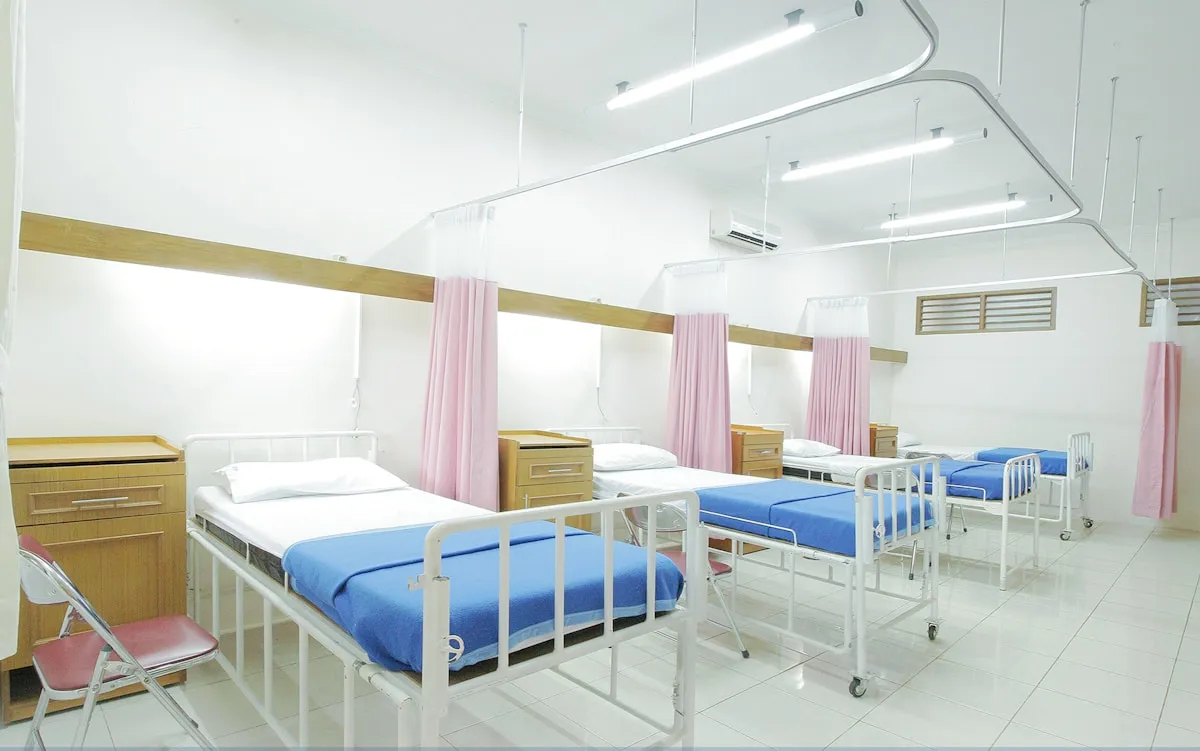
Both cities operate under Ontario’s OHIP system, but access and wait times vary.
Healthcare Wait Times (Average)
| Service | Ottawa | Toronto | Difference |
|---|---|---|---|
| ER Wait (non-urgent) | 4.5 hours | 5.2 hours | -0.7 hours |
| Family Doctor Wait | 12 days | 8 days | +4 days |
| Specialist Referral | 8 weeks | 6 weeks | +2 weeks |
| MRI Wait | 45 days | 38 days | +7 days |
| Hip Replacement | 140 days | 120 days | +20 days |
Toronto’s larger population supports more specialists and facilities, resulting in somewhat shorter wait times for specialized care. However, Ottawa’s hospitals consistently rank among Canada’s best for patient satisfaction.
Walk-In Clinic Access
| Metric | Ottawa | Toronto |
|---|---|---|
| Clinics per 100,000 | 4.2 | 5.8 |
| Average Wait | 45 min | 65 min |
| Weekend Hours | 68% | 74% |
Quality of Life Factors
Beyond dollars and cents, quality of life often determines happiness. Here’s how the cities compare on lifestyle factors.
City Rankings 2025
| Metric | Ottawa Rank | Toronto Rank |
|---|---|---|
| Quality of Life (Global) | #19 | #23 |
| Safety Index | 64.2 | 59.1 |
| Pollution Index | 24.3 | 34.8 |
| Climate Index | 48.2 | 52.4 |
| Health Care Index | 68.5 | 70.2 |
| Property Price to Income | 8.2 | 12.4 |
Green Space and Outdoors
| Metric | Ottawa | Toronto |
|---|---|---|
| Park Area per Capita | 21.4 m² | 12.8 m² |
| Bike Lane km | 580+ | 680+ |
| Beaches (swimmable) | 9 | 11 |
| Hiking Trails (30 min drive) | 400+ km | 200+ km |
| Ski Hills (1 hour drive) | 5 | 3 |
Ottawa’s access to Gatineau Park, the Ottawa River, and numerous green spaces provides superior outdoor recreation opportunities despite Toronto’s larger absolute numbers.
Weather Comparison
| Metric | Ottawa | Toronto |
|---|---|---|
| Annual Snowfall | 223 cm | 108 cm |
| Winter Low (avg) | -14°C | -7°C |
| Summer High (avg) | 27°C | 27°C |
| Sunny Days/Year | 203 | 204 |
| Humidity (summer) | Lower | Higher |
Ottawa’s colder winters require higher heating costs (approximately $200/month more December-February) but provide superior winter activities like the Rideau Canal Skateway.
Job Market Analysis

Employment opportunities differ significantly between cities.
Major Employers by Sector
Ottawa Top Employers:
- Federal Government (120,000+ jobs)
- Shopify (Tech)
- The Ottawa Hospital
- Carleton University
- City of Ottawa
- NAV CANADA
- Ciena Corporation
- Nokia
- BlackBerry QNX
- University of Ottawa
Toronto Top Employers:
- TD Bank
- Royal Bank of Canada
- Scotiabank
- University Health Network
- City of Toronto
- Rogers Communications
- Bell Canada
- Manulife Financial
- Toronto-Dominion Centre
- Shopify (HQ)
Unemployment Rates 2025
| Metric | Ottawa | Toronto |
|---|---|---|
| Overall Rate | 5.2% | 6.1% |
| Youth (15-24) | 10.8% | 12.4% |
| Tech Sector | 3.1% | 3.8% |
| Government | 1.2% | 2.4% |
Ottawa’s lower unemployment reflects its stable government employment base and growing tech sector.
Industry Growth Projections (2025-2030)
| Industry | Ottawa Growth | Toronto Growth |
|---|---|---|
| Technology | +28% | +32% |
| Healthcare | +22% | +24% |
| Finance | +8% | +15% |
| Government | +5% | +3% |
| Construction | +18% | +20% |
Complete Cost Comparison Summary
Let’s put it all together with complete monthly and annual comparisons.
Single Professional ($80,000 salary)
| Expense Category | Ottawa | Toronto | Difference |
|---|---|---|---|
| 1BR Rent | $1,850 | $2,500 | -$650 |
| Utilities | $150 | $175 | -$25 |
| Transit Pass | $125 | $156 | -$31 |
| Groceries | $450 | $500 | -$50 |
| Entertainment | $300 | $400 | -$100 |
| Dining Out | $250 | $320 | -$70 |
| Gym/Fitness | $50 | $70 | -$20 |
| Phone/Internet | $120 | $130 | -$10 |
| Monthly Total | $3,295 | $4,251 | -$956 |
| Annual Total | $39,540 | $51,012 | -$11,472 |
Couple ($150,000 combined income)
| Expense Category | Ottawa | Toronto | Difference |
|---|---|---|---|
| 2BR Rent | $2,300 | $3,100 | -$800 |
| Utilities | $200 | $225 | -$25 |
| Car + Insurance | $400 | $550 | -$150 |
| Groceries | $750 | $850 | -$100 |
| Entertainment | $400 | $500 | -$100 |
| Dining Out | $400 | $500 | -$100 |
| Gym (2) | $100 | $140 | -$40 |
| Phone/Internet | $180 | $200 | -$20 |
| Monthly Total | $4,730 | $6,065 | -$1,335 |
| Annual Total | $56,760 | $72,780 | -$16,020 |
Family of Four ($200,000 combined income, homeowners)
| Expense Category | Ottawa | Toronto | Difference |
|---|---|---|---|
| Mortgage (avg home) | $3,800 | $7,600 | -$3,800 |
| Property Tax | $650 | $760 | -$110 |
| Utilities | $350 | $400 | -$50 |
| Car + Insurance | $500 | $700 | -$200 |
| Groceries | $1,100 | $1,250 | -$150 |
| Childcare (2 kids) | $2,200 | $3,000 | -$800 |
| Entertainment | $400 | $500 | -$100 |
| Activities (kids) | $300 | $400 | -$100 |
| Phone/Internet | $200 | $220 | -$20 |
| Monthly Total | $9,500 | $14,830 | -$5,330 |
| Annual Total | $114,000 | $177,960 | -$63,960 |
FAQ
Q: Is Ottawa really that much cheaper than Toronto?
Yes, Ottawa is genuinely 15-25% cheaper overall, with the biggest savings in housing. A family can save $40,000-60,000 annually by choosing Ottawa over Toronto while maintaining a similar lifestyle. The gap has widened since 2020 as Toronto housing prices outpaced Ottawa’s.
Q: Are salaries lower in Ottawa?
Salaries average 10-15% lower in Ottawa for most private sector roles. However, government jobs pay the same nationally, and tech salaries remain competitive. When factoring in cost savings, Ottawa workers typically have higher purchasing power and more disposable income.
Q: Which city is better for tech jobs?
Both cities have strong tech sectors. Toronto offers more startup opportunities and venture capital, while Ottawa has established players like Shopify, Ciena, and Nokia. Ottawa’s tech scene is smaller but offers better work-life balance and significantly lower living costs for similar salaries.
Q: Is Ottawa boring compared to Toronto?
Ottawa offers a different pace, not a lesser one. While Toronto has more nightlife and cultural events, Ottawa provides excellent museums, festivals like Winterlude and the Tulip Festival, outdoor activities, and easy access to Montreal. Many residents appreciate the calmer lifestyle.
Q: How do the winters compare?
Ottawa winters are colder (average lows of -14°C versus Toronto’s -7°C) with more snow (223cm versus 108cm annually). This means higher heating costs but better winter activities like the Rideau Canal Skateway. Budget an extra $200/month for heating in winter months.
Q: Which city is safer?
Ottawa consistently ranks safer with a crime rate about 15% lower than Toronto. Both cities are safe by North American standards, but Ottawa’s smaller size and lower density contribute to its lower crime statistics.
Q: Is it easier to buy a home in Ottawa?
Significantly easier. Ottawa’s average home price of $650,000 versus Toronto’s $1,100,000 means a smaller down payment required and more achievable mortgage payments. First-time buyers find Ottawa’s market far more accessible, with more inventory and less competition.
Q: How are the schools?
Both cities have excellent public school systems. Ottawa is known for strong French immersion programs due to its bilingual nature. Private school costs are 25-30% lower in Ottawa. University options are comparable, with Ottawa having uOttawa and Carleton, Toronto having UofT, York, and Ryerson.
Q: What about healthcare access?
Toronto has more specialists and shorter wait times for specialized care due to its larger population. However, Ottawa’s hospitals rank highly for patient satisfaction, and basic healthcare access is similar. Walk-in clinic waits are actually shorter in Ottawa on average.
Q: Can I work remotely in Ottawa for a Toronto company?
Many workers now do exactly this, earning Toronto salaries while enjoying Ottawa’s lower costs. Hybrid arrangements are common, with some workers commuting to Toronto 1-2 days weekly via VIA Rail (4.5 hours) or car (4-5 hours). This strategy maximizes both income and savings.
Final Thoughts
The Ottawa versus Toronto decision ultimately depends on your priorities. If you value career advancement in finance, media, or entertainment industries, Toronto’s larger economy offers more opportunities. If you prioritize affordability, work-life balance, and building long-term wealth, Ottawa delivers exceptional value.
The numbers don’t lie: a family earning $200,000 saves over $60,000 annually in Ottawa compared to Toronto. That’s wealth-building money that can fund retirement, education, or early home ownership. For young professionals, Ottawa’s combination of competitive tech salaries and affordable housing creates a path to financial independence that Toronto’s housing market makes increasingly difficult.
Consider what matters most: a larger, more vibrant city with higher costs and longer commutes, or a smaller, more affordable capital with excellent quality of life and easier access to nature. Both cities offer rewarding lives, but only one offers the mathematical advantage for your finances.
Sources: Statistics Canada Housing Data 2025, Numbeo Cost of Living Index, OC Transpo Fare Information, TTC Fares 2025, CREA Housing Statistics, Ontario Ministry of Finance Tax Tables, Ottawa Public Health