
On the freezing night of February 3, 1916, flames erupted inside Canada’s Parliament Buildings, destroying the iconic Centre Block in just hours and killing seven people—a disaster that would reshape the nation’s capital forever.
The fire remains one of the most significant tragedies in Canadian political history. As flames consumed the Victorian Gothic structure, Members of Parliament fled into the bitter Ottawa winter while firefighters battled both the inferno and temperatures that dropped to -25°C. By morning, the seat of Canadian democracy lay in ruins, with only the Library of Parliament miraculously saved by a quick-thinking clerk who closed its massive iron doors. The disaster occurred during the height of World War I, sparking rumours of German sabotage that persist to this day.
Key Highlights
TL;DR: The Parliament Buildings fire on February 3, 1916, destroyed the original Centre Block, killed seven people including two women and a Member of Parliament, and occurred while Canada was fighting World War I. The Library of Parliament was saved when a clerk closed its iron doors. The current Centre Block was rebuilt between 1916 and 1927, crowned by the Peace Tower that stands today.
| Quick Facts | Details |
|---|---|
| 📅 Date | February 3, 1916 |
| 📍 Location | Parliament Hill, Ottawa |
| 🎟️ Casualties | 7 deaths, many injured |
| ⏰ Duration | Fire burned for hours; ruins smouldered for days |
The Night the Fire Began
The evening of February 3, 1916, started like any other in the House of Commons. Members of Parliament were engaged in debate, discussing matters related to Canada’s war effort. At approximately 8:50 PM, someone noticed smoke coming from the Reading Room in the Centre Block’s southwest corner.
What happened next remains somewhat mysterious. The fire spread with terrifying speed, racing through the building’s corridors and climbing the wooden interior at an almost supernatural pace. Within minutes, flames had engulfed the entire central section of the structure. The intensity and rapid spread led many to suspect arson—possibly an act of German sabotage given Canada’s involvement in World War I.
Members of Parliament scrambled to escape through smoke-filled hallways. Prime Minister Robert Borden was working in his office when the alarm sounded. He managed to flee the building, but not everyone was so fortunate. The chaos was absolute, with people jumping from windows and firefighters struggling to reach the scene through Ottawa’s snow-clogged streets.
The Victims
Seven people perished in the fire, including Bowman Brown Law, a Member of Parliament from Yarmouth, Nova Scotia, who died while trying to rescue others. Two women—Mabel Morin and Yvonne Coursolles—who worked in the building’s restaurant, also lost their lives.
Other victims included Alphonse Desjardins, a parliamentary employee; Randolph Fanning, a plumber working in the building; and two Dominion Police constables, Louis Bray and R. Fanning, who were on duty that night.
The death toll could have been far higher. The building was occupied by hundreds of people when the fire broke out, and many escaped with mere seconds to spare. Several MPs and staff members suffered serious injuries, including burns and smoke inhalation.
Saving the Library
One of the most remarkable stories from that tragic night involves the Library of Parliament. The magnificent circular structure, with its cathedral-like interior and irreplaceable collection of books and documents, seemed certain to be consumed by flames.
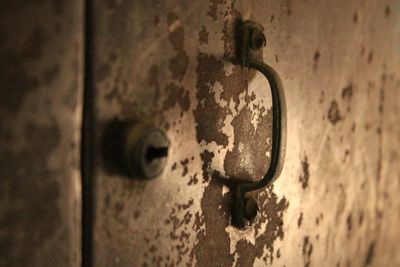
The library’s salvation came thanks to the quick thinking of Conolly MacCormac, a clerk who worked there. As flames approached, he made the split-second decision to close the library’s massive iron doors—doors that weighed several tonnes each. These doors had been installed specifically as a fire safety measure when the building was constructed in the 1860s.
The doors held. While the rest of the Centre Block burned around it, the Library of Parliament remained intact. Today, it stands as the only surviving portion of the original 1866 Parliament Buildings, a living connection to Canada’s earliest days as a confederation.
The Aftermath and Investigation
By dawn on February 4, the Centre Block was a smouldering ruin. The Victoria Tower, which had been the building’s signature feature, had collapsed into the flames. The House of Commons and Senate chambers were completely destroyed, along with countless documents, artworks, and historical artifacts.
An official investigation followed, but its conclusions remain controversial. The inquiry determined that the fire started accidentally, likely caused by a cigar left in the Reading Room’s waste paper. However, many Canadians—including several Members of Parliament—remained convinced that German agents were responsible.
No definitive proof of sabotage was ever found, but the timing seemed too coincidental to many observers. Canada was deeply involved in World War I, and German operatives had been active in North America. A German agent had even blown up a munitions factory in New Jersey just weeks earlier.
The mystery has never been fully resolved. To this day, historians debate whether the Parliament fire was an accident of carelessness or a deliberate act of wartime sabotage.
Rebuilding a Nation’s Capital
Despite the ongoing war, the Canadian government moved quickly to rebuild. Just weeks after the fire, construction began on a new Centre Block. The building’s architects, John A. Pearson and Jean-Omer Marchand, designed a structure that was larger and grander than the original while maintaining the Gothic Revival style.
The most significant addition was the Peace Tower, a 92-metre-tall structure that replaced the destroyed Victoria Tower. The Peace Tower was designed as a memorial to Canadians who died in World War I, with its construction completed in 1927. The tower contains a 53-bell carillon and a Memorial Chamber honouring fallen soldiers.
Parliament moved into the new Centre Block in stages between 1920 and 1927. The building has served as Canada’s democratic heart ever since, though it is currently undergoing a massive restoration project that began in 2019.
Frequently Asked Questions
What caused the Parliament fire of 1916?
The official investigation concluded the fire was caused by a cigar left in waste paper in the Reading Room. However, many suspected German sabotage during World War I. The true cause has never been definitively proven.
How many people died in the fire?
Seven people lost their lives, including one Member of Parliament, two women who worked in the building’s restaurant, and several employees and police constables.
Why didn’t the Library of Parliament burn?
A clerk named Conolly MacCormac closed the library’s massive iron doors as flames approached. These doors, installed as a fire safety measure, successfully protected the library and its irreplaceable collection.
How long did it take to rebuild the Centre Block?
Construction began in 1916 and continued until 1927. Parliament began using parts of the new building in 1920, with full completion including the Peace Tower in 1927.
Can you see evidence of the fire today?
The Library of Parliament is the only surviving structure from the original 1866 buildings. The current Centre Block was entirely rebuilt after the fire. Visitors can see the iron doors that saved the library on Parliament Hill tours.
Final Thoughts
The Parliament fire of 1916 remains one of the most significant disasters in Canadian history. It claimed seven lives, destroyed the seat of Canadian democracy during a world war, and left a mystery that has never been fully solved.
Yet from the ashes rose something remarkable. The Peace Tower, now Ottawa’s most recognizable landmark, stands as a testament to the resilience of the Canadian spirit. The rebuilt Centre Block has served the nation for nearly a century, witnessing the expansion of Confederation, the evolution of Canadian society, and countless moments of democratic debate.
When you visit Parliament Hill today, pause to remember that cold February night in 1916 when everything nearly was lost—and the courage of those who saved what they could.
Source: Library and Archives Canada; Parliamentary Historical Resources