Last Updated: December 22, 2025
Parliament Hill in Ottawa was constructed between 1859 and 1876 as Canada’s seat of federal government, featuring stunning Gothic Revival architecture that has defined the nation’s capital for over 160 years. Located on a commanding cliff overlooking the Ottawa River, these buildings became the official home of Canadian Parliament when Confederation united the nation on July 1, 1867.
From its origins as a military outpost called Barrack Hill to becoming the heart of Canadian democracy, Parliament Hill has witnessed transformations that mirror Canada’s own evolution. The Gothic Revival towers that dominate Ottawa’s skyline today replaced buildings destroyed in the devastating 1916 fire, while the Library of Parliament—the sole survivor of those flames—remains a living connection to the original 19th-century construction.
Key Highlights
TL;DR: Parliament Hill evolved from Barrack Hill military site (1826) to Canada’s capital seat. The original buildings (1859-1876) were destroyed by fire in 1916, except the Library. The Centre Block was rebuilt with the iconic Peace Tower, completed in 1927. Today, it’s undergoing massive renovations expected to finish in the 2030s.
| Quick Facts | Details |
|---|---|
| 📅 Original Construction | 1859-1876 |
| 🔥 The Great Fire | February 3, 1916 |
| 🏛️ Current Centre Block | Completed 1927 |
| 📏 Peace Tower Height | 92.2 metres (302 feet) |
| 🎨 Architectural Style | High Victorian Gothic Revival |
| 👑 Cornerstone Laid By | Prince of Wales (later King Edward VII) |
The Barrack Hill Years: Military Beginnings (1826-1857)
Long before Parliament Hill became synonymous with Canadian governance, the strategic cliff overlooking the Ottawa River served a vastly different purpose. In the 1820s, this rocky outcrop was known simply as Barrack Hill, a military installation in the vast wilderness of Upper Canada.
The story begins with Lieutenant Colonel John By, who arrived in 1826 with an ambitious mission: construct the Rideau Canal connecting the Ottawa River to Lake Ontario. This engineering marvel wasn’t just about commerce; it was a defensive strategy following the War of 1812, providing a military supply route safely inland from the vulnerable St. Lawrence River near the American border.
Barrack Hill became a focal point for this activity. Military barracks housed the British troops who guarded the construction site and maintained order among the thousands of workers. The surrounding settlement, initially called Bytown in honour of Colonel By, grew rapidly around the canal works. What is now Parliament Hill served as both a defensive position and an administrative hub for this frontier community.
The landscape was dramatically different from today’s manicured lawns. Dense forest covered much of the area, and the cliff face was rough and natural. The military presence brought the first permanent structures to the hill, though none of these original barracks buildings would survive to see the transformation ahead.
Queen Victoria’s Surprising Choice: Ottawa Becomes Capital (1857)

By the 1850s, the Province of Canada faced a peculiar problem: where to establish a permanent capital. The legislature had been shuffling between Quebec City, Montreal, Toronto, and Kingston, with each city jealously guarding its claim and none willing to compromise. Political deadlock threatened the functioning of colonial government.
The solution came from an unexpected source. In 1857, politicians petitioned Queen Victoria to settle the matter. On December 31, 1857, she made her decision: Ottawa (the recently renamed Bytown) would become Canada’s capital.
The choice shocked many. Ottawa was widely considered a backwoods lumber town, rough around the edges and lacking the sophistication of Montreal or the economic power of Toronto. Critics in the established cities ridiculed the selection. One newspaper described Ottawa as “a sub-arctic lumber-village converted by royal mandate into a political cockpit.”
But Queen Victoria’s choice was strategically brilliant. Ottawa sat on the border between French and English Canada, offering symbolic compromise between competing cultural groups. More importantly, it was safely inland from the American border—a crucial consideration in an era when British North America still feared American expansionist ambitions. The Rideau Canal provided that defensive supply route Colonel By had envisioned three decades earlier.
The selection of Ottawa meant Barrack Hill would need to transform from military outpost to seat of government. Parliament would need buildings worthy of a nation’s capital, and the commanding position overlooking the Ottawa River offered the perfect site.
Building a Gothic Dream: Original Construction (1859-1876)

The transformation of Barrack Hill into Parliament Hill required architectural ambition to match the political significance. In 1859, the government launched a design competition for the new Parliament Buildings. The winning designs embraced the Gothic Revival style popular in Victorian Britain, featuring pointed arches, intricate stone carvings, and soaring towers that would evoke medieval European grandeur.
On September 1, 1860, the 18-year-old Prince of Wales—the future King Edward VII—travelled to Ottawa to lay the cornerstone of the Centre Block in an elaborate ceremony attended by thousands. The young prince’s participation lent royal prestige to the ambitious project and signaled Britain’s commitment to its North American colonies.
Construction proceeded with three main structures. The Centre Block would house the legislative chambers—the House of Commons and the Senate. The East Block and West Block, flanking the central building, would provide office space for government departments and ministers. All three buildings showcased the Gothic Revival style with its distinctive features: steep copper roofs, pointed arch windows, elaborately carved stonework, and decorative towers.
The primary building material was Nepean sandstone, quarried locally, giving the buildings their distinctive golden-brown colour. Potsdam sandstone from New York provided darker accents, creating striking visual contrast in the masonry work. Skilled stonemasons carved intricate details: gargoyles, grotesques, flora and fauna native to Canada, and symbolic representations of the building’s purpose.
The project quickly exceeded its budget. Initial estimates of $600,000 ballooned to a final cost of approximately $4.5 million—a staggering overrun that sparked investigations and political controversy. Cost overruns and construction delays became early Canadian political traditions, it seems.
Despite the financial scandal, the buildings were largely complete by 1866, just in time for Confederation. On July 1, 1867, Canada was born, and Parliament Hill became the seat of government for the new nation.
The Library of Parliament, designed by Thomas Fuller, followed in 1876. This magnificent 16-sided structure featured a dramatic domed ceiling, flying buttresses, and an interior of beautiful pine wood paneling. At its centre stood a white marble statue of Queen Victoria. The Library’s design was considered one of the finest examples of High Victorian Gothic architecture in Canada.
Gothic Revival Masterpiece: Architectural Significance
The Parliament Buildings represented more than functional government workspace—they were an architectural statement about Canada’s identity and aspirations. Designated a National Historic Site of Canada, the Gothic Revival style, popular in 19th-century Britain, deliberately evoked medieval cathedrals and castles, connecting the new nation to European heritage and British parliamentary tradition.
Every architectural detail carried meaning. The pointed arches and vertical emphasis drew the eye upward, suggesting aspiration and moral purpose. Gargoyles—those grotesque carved figures projecting from the roofline—served the practical function of directing rainwater away from the building while adding medieval character. Many of the carved details represented Canadian identity: native plants like maple leaves, animals like beavers, and symbols of the country’s industrial and natural resources.
The steeply pitched copper roofs, now aged to their distinctive green patina, created dramatic silhouettes against the sky. Towers punctuated the roofline, with the original Centre Block featuring the Victoria Tower as its central focus. These towers served both aesthetic and practical purposes, housing bells and providing commanding views over the city and river.
Inside, the buildings featured elaborate woodwork, stained glass, and decorative ironwork. The House of Commons chamber and Senate chamber were designed as grand spaces befitting national debate, with carved details, coffered ceilings, and careful attention to acoustics.
The Gothic Revival style set Parliament Hill apart from American government buildings, which typically favored neoclassical architecture. This architectural choice emphasized Canada’s distinct identity and its connection to British parliamentary tradition rather than American republicanism.
The Night of Flames: The Devastating 1916 Fire

February 3, 1916, began as an ordinary winter evening on Parliament Hill. The House of Commons was in session, debating wartime measures as World War I raged in Europe. Just after 9:00 PM, disaster struck with terrifying speed.
Fire broke out in the Reading Room of the House of Commons. The exact cause was never definitively determined—theories ranged from a discarded cigar or cigarette to a smoldering pile of newspapers. Some even suspected German sabotage, given the wartime context. Whatever the cause, the flames spread with shocking rapidity through the 50-year-old building.
Members of Parliament initially thought they could contain the blaze, but the fire fed on decades of accumulated papers, wooden furnishings, and dry timbers. Within minutes, flames roared through the Centre Block. The copper roof, which might have slowed the fire’s spread, instead conducted heat rapidly throughout the structure.
Chaos erupted as parliamentarians, staff, and visitors scrambled to escape. The fire consumed staircases and blocked corridors. Some MPs formed human chains to pass out valuable documents and artifacts. Others focused on saving lives, helping elderly parliamentarians and staff members navigate smoke-filled hallways.
Seven people died in the inferno: two female guests who had been watching the parliamentary session from the gallery, two employees trapped in their offices, a federal police officer, and two members of the press. Many more suffered injuries from smoke inhalation, burns, or falls while escaping.
The entire Centre Block—five decades of history, countless irreplaceable documents, and the heart of Canadian democracy—burned through the night. By morning, only the exterior walls remained standing. The Victoria Tower, which had stood since 1866, was completely destroyed.
Yet amid the devastation came a miracle: the Library of Parliament survived.
The Miracle Library: Sole Survivor of the Flames

As flames consumed the Centre Block, quick thinking saved Canada’s architectural crown jewel. Dominion Archivist Arthur Doughty and his assistant, acting on instinct as smoke filled the hallways, rushed to the heavy iron doors connecting the Library to the main building. They closed and bolted these fire doors, creating a barrier between the inferno and the precious collection of books and documents.
Those iron doors, installed as a safety precaution when the Library was built in 1876, performed exactly as designed. While the Centre Block burned, the Library remained sealed and protected. Firefighters poured water on the Library’s roof throughout the night, ensuring no embers could ignite the copper and wooden structure.
When dawn broke on February 4, 1916, the contrast was stark: smoldering ruins of the Centre Block stood next to the intact, beautiful Library of Parliament. The 16-sided Gothic structure had survived essentially undamaged, along with its irreplaceable collection of books, parliamentary records, and the iconic white marble statue of Queen Victoria.
The Library’s survival was more than fortunate—it preserved the only remaining portion of the original Parliament Buildings. Today, it stands as a living connection to the 1860s-1870s construction period, showcasing the craftsmanship and architectural vision of that era.
The interior remains breathtaking: a soaring central dome with elaborate carved pine woodwork, gallery levels accessed by spiral staircases, and alcoves lined with hundreds of thousands of books. The Library continues to serve its original function, supporting parliamentary research and preserving Canada’s legislative history.
In architectural terms, the Library represents High Victorian Gothic at its finest. The flying buttresses, pointed arch windows, intricate stone carvings, and decorative ironwork exemplify the style’s attention to detail. The white pine interior, which has aged to a rich golden hue, creates a warm, scholarly atmosphere.
The Library’s miraculous survival ensured that when Parliament Hill was rebuilt, at least one authentic piece of 19th-century Canada remained to anchor the new construction.
Rising from the Ashes: Reconstruction and the Peace Tower (1916-1927)
The devastation of the 1916 fire could have paralyzed the government, but Canadians were determined to rebuild quickly. Parliament temporarily relocated to the Victoria Memorial Museum (now the Canadian Museum of Nature), and architects immediately began designing a replacement Centre Block.
The government chose architects John A. Pearson and Jean-Omer Marchand to lead the reconstruction. Their mandate was clear: stay faithful to the Gothic Revival style of the original buildings while incorporating modern improvements and creating an even more impressive structure.
Construction began almost immediately, even as World War I continued. The project employed thousands of workers and became a symbol of national resilience during difficult times. The new Centre Block would be larger, with improved fire safety features, modern utilities, and better working spaces for a growing government.
The most dramatic change was the central tower. Instead of simply rebuilding the Victoria Tower, Pearson and Marchand designed something more ambitious: the Peace Tower. Rising 92.2 metres (302 feet) above Parliament Hill, this new tower would serve as both a functional centerpiece and a memorial.
The Peace Tower honored Canadians who died in World War I—a conflict still raging when construction began. Inside the tower, the Memorial Chamber was designed as a solemn space of remembrance, with carved stone and stained glass commemorating Canada’s war dead. Books of Remembrance would be displayed here, listing the names of fallen soldiers.
The tower also housed a 53-bell carillon, one of the finest in the world. These bronze bells, cast in England, could be played manually or by automated system, their music carrying across downtown Ottawa during special occasions.
Construction proceeded through the 1920s with meticulous attention to detail. Stonemasons carved thousands of decorative elements: gargoyles, grotesques, animals, plants, and symbolic figures. The masonry work matched and often exceeded the quality of the original buildings. Copper roofing was installed to recreate the distinctive silhouette of the 1860s structure.
The new Centre Block was larger than its predecessor, with more office space, improved legislative chambers, and modern amenities. The House of Commons and Senate chambers featured elaborate carved wood, decorative plasterwork, and stained glass windows. Every detail reflected the Gothic Revival aesthetic while incorporating 1920s craftsmanship and technology.
On July 1, 1927—the 60th anniversary of Confederation—the new Centre Block officially opened. The Peace Tower’s carillon rang out across the capital, and the building took its place as the new heart of Canadian democracy. The reconstruction had cost millions and taken over a decade, but the result was magnificent: a Parliament Hill more impressive than before the fire.
The Peace Tower quickly became Canada’s most recognizable symbol, rivaling the Maple Leaf for iconic status. Its illuminated clock faces became a beacon visible across Ottawa, and its observation deck offered spectacular views of the city and river.
Famous Moments: Events That Shaped Parliament Hill
Parliament Hill has witnessed countless historic moments since its inception. Beyond its role as Canada’s legislative seat, the Hill has become the nation’s ceremonial and protest centre—a stage for celebration, mourning, and civic expression.
Canada Day celebrations have been held on Parliament Hill since 1867. Every July 1st, tens of thousands gather for daytime ceremonies featuring the Prime Minister, Governor General, and dignitaries. Musical performances, citizenship ceremonies for new Canadians, and spectacular evening fireworks transform the Hill into a massive party. The tradition of celebrating national unity at this specific site underscores Parliament Hill’s symbolic importance beyond its governmental function.
Remembrance Day ceremonies on November 11th draw the nation’s attention to Parliament Hill each year. The National War Memorial, located just beyond the Hill’s eastern edge, hosts the main ceremony where the Governor General, Prime Minister, and veterans gather. The two minutes of silence at 11:00 AM honours those who died in military service. The proximity to Parliament Hill connects remembrance to national governance, reminding leaders of the human cost of war.
The Changing of the Guard ceremony, held daily in summer, brings British military tradition to Canadian soil. Soldiers in red tunics and bearskin hats perform the ceremonial guard change on Parliament Hill’s lawn, accompanied by military bands. Started in 1959, this ceremony has become a major tourist attraction while honouring Canada’s military heritage and connection to the British Crown.
Royal visits have marked important moments in Parliament Hill’s history. Queen Elizabeth II visited multiple times during her long reign, including for Canada’s centennial in 1967. The Queen Mother, Prince Philip, and other royals have stood on Parliament Hill’s steps during state occasions. These visits reinforce the constitutional monarchy’s role in Canadian governance.
Protests and demonstrations have made Parliament Hill a crucible for civic expression. From indigenous rights movements like Idle No More to climate strikes, labour rallies, and the controversial 2022 Freedom Convoy, the Hill has served as Canada’s primary protest venue. This dual role—seat of power and space for dissent—reflects democratic principles at the heart of Canadian governance.
State funerals and national mourning have occurred on Parliament Hill for prime ministers and other significant figures. The lying in state of political leaders in the Hall of Honour allows Canadians to pay respects. These solemn occasions transform the Hill from political workspace to national memorial.
The October 2014 shooting marked one of Parliament Hill’s darkest moments. A gunman killed Corporal Nathan Cirillo at the National War Memorial before entering the Centre Block, where he was stopped in the Hall of Honour. The attack highlighted security vulnerabilities and led to significant changes in Parliament Hill’s protection protocols.
Each of these events has added layers of meaning to Parliament Hill, transforming it from mere buildings and grounds into a living repository of Canadian experience and memory.
Modern Era: Centre Block Rehabilitation (2019-2030s)
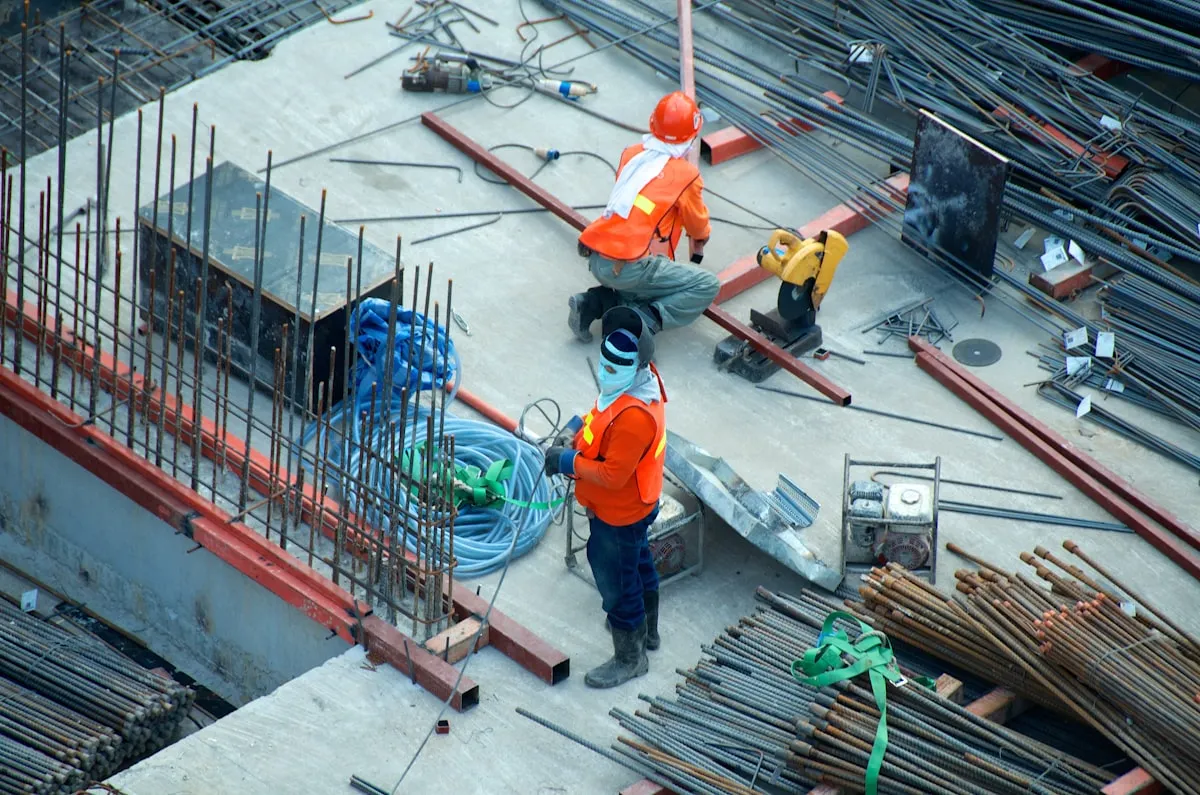
After nearly a century of continuous use, the Centre Block needed comprehensive rehabilitation. In 2019, Parliament temporarily relocated, and one of Canada’s most ambitious heritage restoration projects began.
The Centre Block Rehabilitation Project aims to preserve the building for another century while addressing serious deficiencies. The 1920s construction, magnificent as it was, couldn’t anticipate modern needs. The building requires seismic upgrades to protect against earthquakes, accessibility improvements for people with disabilities, updated mechanical and electrical systems, hazardous material removal (particularly asbestos), and comprehensive structural repairs.
The project’s scope is staggering. Workers must carefully dismantle and catalog thousands of architectural elements, restore heritage features using traditional craftsmanship, install modern building systems without damaging historic fabric, and reconstruct the building to meet contemporary codes while maintaining its 1920s appearance.
Initial estimates suggested completion around 2030, with costs projected at $4-5 billion CAD. However, the project has encountered challenges that may extend the timeline to the mid-2030s or beyond. Discovery of additional asbestos and hazardous materials, complexity of heritage preservation requirements, COVID-19 pandemic impacts on construction schedules, and supply chain issues for specialized materials have all contributed to delays.
During rehabilitation, Parliament operates from temporary spaces. The House of Commons relocated to the West Block, which underwent its own renovation to accommodate the chamber. The Senate moved to the Senate of Canada Building, the beautifully restored former Ottawa train station on the Rideau Canal. These temporary arrangements allow parliamentary business to continue while preserving the working relationships between government departments.
The rehabilitation includes restoring the Peace Tower and its carillon, preserving and cleaning thousands of stone carvings, upgrading the Memorial Chamber, modernizing security infrastructure, improving visitor facilities, and ensuring the building can serve Parliament for decades to come.
This massive project represents Canada’s commitment to preserving heritage while adapting to contemporary needs. When the Centre Block reopens—likely in the 2030s—it will combine 1920s Gothic Revival grandeur with 21st-century functionality, ensuring Parliament Hill remains the heart of Canadian democracy for generations ahead.
Visiting Parliament Hill Today: A Practical Guide
Despite Centre Block’s closure for rehabilitation, Parliament Hill remains one of Ottawa’s most visited destinations, attracting millions annually. The grounds are open year-round, free to explore and photograph. The spectacular views of the Ottawa River, Gatineau Hills, and downtown Ottawa alone justify a visit.
Free guided tours are available for the temporarily occupied buildings. The West Block now houses the interim House of Commons chamber, and tours allow visitors to see where parliamentary debates occur. The Senate of Canada Building offers tours of the beautifully restored train station turned legislative chamber. The East Block provides tours of historic offices and rooms preserved from the 19th and early 20th centuries, offering a glimpse into Canada’s political past.
Security screening is required for building entry, so arrive early and bring government-issued identification. Booking tours in advance through the official Parliament of Canada website (parl.ca) is strongly recommended, especially during peak summer months when demand is high.
The Changing of the Guard ceremony runs daily from late June through late August at 10:00 AM on the Parliament Hill lawn (weather permitting). Arrive early for good viewing positions. The 30-minute ceremony features soldiers in traditional uniforms and military bands performing historic military music.
Canada Day on the Hill (July 1st) is the biggest event of the year. If you plan to attend, arrive very early—crowds exceed 50,000 people. Security screening can take hours. The celebration includes daytime ceremonies, concerts, and evening fireworks, but be prepared for long waits and large crowds.
The Sound and Light Show, typically running summer evenings, projects images and narratives onto the Parliament Buildings, telling Canadian history through multimedia presentation. The free show runs about 30 minutes and doesn’t require advance booking—just show up on the Hill after dark.
Winter visits offer their own charm. The buildings look spectacular dusted with snow, and crowds are much smaller. The skating rink on the Rideau Canal (usually open January through March) is a short walk from Parliament Hill, allowing you to combine visits.
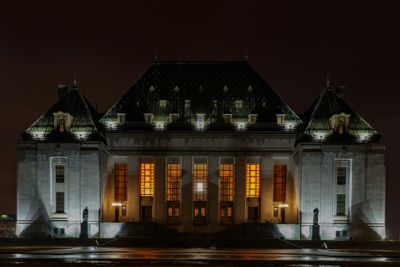
Photography is permitted on the grounds and encouraged. The best photo opportunities include the Peace Tower from the front lawn, the Library of Parliament from behind the buildings, the Centennial Flame (commemorating Canada’s 100th birthday in 1967), sunset views over the Ottawa River, and the buildings illuminated at night.
Accessibility: The parliamentary buildings and tours are accessible to people with disabilities, with elevators, ramps, and accessible washrooms available. Contact the tour services in advance if you require specific accommodations.
Nearby attractions within walking distance include the National War Memorial, the ByWard Market (Ottawa’s historic market district), the Rideau Canal, Major’s Hill Park (great for photos of Parliament Hill), and the National Gallery of Canada.
Plan at least half a day to fully experience Parliament Hill. Combining a building tour, grounds exploration, and perhaps the Changing of the Guard makes for a full morning or afternoon of Canada’s political and architectural heritage.
FAQ
Q: How long did it take to build the original Parliament Buildings?
The original Parliament Buildings took approximately seven years to construct, from 1859 to 1866, though the Library of Parliament wasn’t completed until 1876. The Centre Block reconstruction after the 1916 fire took over a decade, from 1916 to 1927. The current rehabilitation project that began in 2019 is expected to take until the 2030s—demonstrating that comprehensive work on these complex heritage buildings requires significant time regardless of era.
Q: Can you still visit Parliament Hill while the Centre Block is closed?
Yes, Parliament Hill remains open and highly worth visiting during the Centre Block rehabilitation. The grounds are accessible year-round for free, offering spectacular views and photo opportunities. Tours are available for the West Block (interim House of Commons), Senate of Canada Building, and East Block. The Changing of the Guard ceremony continues in summer, and special events like Canada Day celebrations still occur on the Hill. While you can’t access the Centre Block or Peace Tower, there’s still plenty to experience.
Q: Why did the Library of Parliament survive the 1916 fire?
The Library of Parliament survived because of quick-thinking staff who closed heavy iron fire doors separating the Library from the Centre Block. These doors, installed as a safety feature when the Library was built in 1876, created an effective barrier against the flames. Firefighters also continuously poured water on the Library’s roof throughout the night to prevent ignition from embers. The Library’s separate architectural structure and these safety measures allowed it to survive intact while the entire Centre Block burned.
Q: What is the Peace Tower and why was it built?
The Peace Tower is the 92.2-meter (302-foot) central tower of Parliament’s Centre Block, completed in 1927 after the 1916 fire destroyed the original Victoria Tower. It was designed as a memorial to Canadians who died in World War I. The tower houses the Memorial Chamber, a solemn space commemorating Canada’s war dead, and contains Books of Remembrance listing fallen soldiers’ names. The Peace Tower also holds a 53-bell carillon that plays during special occasions and ceremonies.
Q: How much did the original Parliament Buildings cost to build?
The original Parliament Buildings greatly exceeded their budget, a scandal at the time. Initial estimates were around $600,000 CAD, but the final cost reached approximately $4.5 million CAD—nearly eight times the original projection. This massive cost overrun led to investigations and political controversy in the 1860s. The Centre Block reconstruction after the 1916 fire cost millions more, and the current rehabilitation project beginning in 2019 is estimated at $4-5 billion CAD, though costs continue to rise.
Final Thoughts
Parliament Hill’s journey from Barrack Hill to Canada’s most iconic landmark spans nearly two centuries of transformation, tragedy, and triumph. The Gothic Revival towers that define Ottawa’s skyline today represent more than architectural achievement—they embody Canadian resilience, democratic values, and national identity.
The 1916 fire could have destroyed Canada’s symbolic heart, but instead sparked reconstruction that created an even more magnificent seat of government. The Peace Tower, rising from those ashes, stands as a memorial to sacrifice and a beacon of democratic governance. The Library of Parliament, miraculously surviving the flames, connects modern Canada to its 19th-century foundations.
As the Centre Block undergoes comprehensive rehabilitation, Parliament Hill continues evolving to meet contemporary needs while honouring heritage. When the work completes in the 2030s, the buildings will be ready to serve Canadian democracy for another century, preserving the Gothic Revival splendor that makes this site architecturally and symbolically unique.
Whether you visit for the Changing of the Guard, Canada Day celebrations, a guided tour, or simply to photograph the magnificent architecture, Parliament Hill offers a tangible connection to Canadian history. From Colonel By’s Rideau Canal to Queen Victoria’s surprising choice, from devastating fire to triumphant reconstruction, from Victorian grandeur to modern rehabilitation—Parliament Hill tells Canada’s story in stone, copper, and determination.
This is not just where laws are made; it’s where Canada’s past, present, and future converge on a commanding cliff above the Ottawa River.
Sources: Parliament of Canada, Parks Canada National Historic Sites, Public Services and Procurement Canada - Centre Block Rehabilitation