Parliament Hill is more than Canada’s seat of government—it’s sacred ground for Canadian democracy. Rising majestically above the Ottawa River, these Gothic towers and copper roofs represent the nation’s history, struggles, and aspirations.
From its origins as a proposed fortress to its transformation into Canada’s most recognizable landmark, Parliament Hill has witnessed every major moment in Canadian history since Confederation.
Key Highlights
TL;DR: Parliament Hill was originally planned as a military citadel. After Ottawa became the capital in 1857, Gothic Revival Parliament Buildings were constructed (1859-1876). The Centre Block burned in 1916 and was rebuilt with the Peace Tower (completed 1927). Today it hosts over 3 million visitors annually.
| Quick Facts | Details |
|---|---|
| 📅 Buildings Begun | 1859 |
| 📍 Location | Wellington Street, Ottawa |
| 🎟️ Peace Tower | 92.2 metres (302 feet) |
| ⏰ Fire of 1916 | February 3, 1916 |
Before Parliament
Barracks Hill
Long before Parliament Buildings graced the hilltop, this strategic promontory had another name: Barracks Hill.
Early Uses:
- Planned site for military citadel
- British garrison stationed here
- Overlooked confluence of three rivers
- Strategic defensive position
- Part of Rideau Canal defences
Indigenous History
The hill’s history extends far beyond European settlement:
- Part of Algonquin Anishinàbeg territory
- Traditional gathering and trading area
- Strategic location recognized for millennia
- Rivers served as transportation highways
- Spiritual significance to First Nations
Colonel By’s Era
When Colonel John By arrived in 1826, he established his headquarters on the bluffs. The area served as:
- Administrative centre for canal construction
- Military engineering headquarters
- Early focus of Bytown development
- Gateway to the Rideau Canal

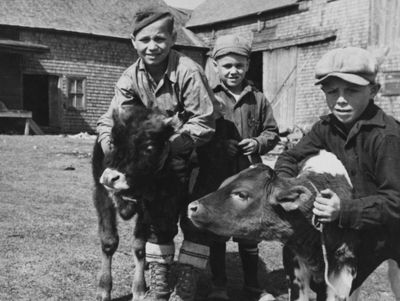
Illustrative image only.
Building the Parliament
The Design Competition
After Queen Victoria chose Ottawa as capital in 1857, an architectural competition was held:
Requirements:
- Gothic Revival style (connecting to British tradition)
- Accommodate Parliament and government offices
- Reflect Canada’s status and aspirations
- Withstand harsh Ottawa climate
Winners:
- Centre Block: Thomas Fuller and Chilion Jones
- East Block and West Block: Stent and Laver
Construction Begins
Construction commenced in 1859:
Materials:
- Local Nepean sandstone (grey-green colour)
- Ohio sandstone for decorative elements
- Wrought iron structural elements
- Slate roofs (originally)
Features:
- Gothic Revival pointed arches
- Ornate stone carvings
- Central clock tower
- Library of Parliament (circular design)
The Prince of Wales Visit
On September 1, 1860, the Prince of Wales (future King Edward VII) laid the cornerstone:
- Massive public celebration
- International attention for Canada
- Symbol of British connection
- Boost to construction momentum
Completion
The buildings were substantially completed by 1866:
- First session of Parliament held November 1866
- Total cost approximately $4.5 million
- Final finishing continued for years
- Library completed 1876
The Great Fire of 1916
February 3, 1916
Disaster struck on a cold winter evening:
The Fire:
- Started in the Centre Block reading room
- Spread rapidly through wooden interior
- Firefighters hampered by cold and wind
- Building engulfed within hours
The Loss:
- Centre Block completely destroyed
- Seven people died in the fire
- Irreplaceable records burned
- National trauma during wartime
What Survived:
- The Library of Parliament (iron doors closed just in time)
- East Block (separate building)
- West Block (separate building)
Rebuilding
Even with World War I raging, reconstruction began immediately:
New Centre Block:
- Architect John A. Pearson led design
- Larger and more fireproof than original
- Reinforced concrete construction
- Gothic Revival style maintained
- Modern fire suppression systems
The Peace Tower:
- Replaced original Victoria Tower
- Named to honour WWI sacrifice
- Contains Memorial Chamber
- 92.2 metres (302 feet) tall
- 53-bell carillon
- Completed 1927
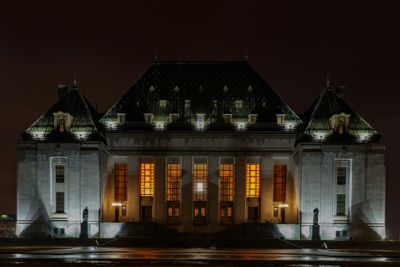
Illustrative image only.
Historic Moments on the Hill
Confederation (1867)
- July 1, 1867: Dominion of Canada proclaimed
- First Parliament of united Canada
- Foundation of modern Canadian democracy
Royal Visits
Parliament Hill has hosted monarchs and dignitaries:
- King George VI and Queen Elizabeth (1939)
- Queen Elizabeth II (multiple visits)
- World leaders and heads of state
- Historic state occasions
Centennial (1967)
Canada’s 100th birthday celebration:
- Centennial Flame lit on Parliament Hill
- Massive national celebration
- Canada affirms its identity
- International attention
Patriation of Constitution (1982)
- April 17, 1982
- Queen Elizabeth II signs Constitution Act
- Charter of Rights and Freedoms
- Canada gains full independence
National Commemorations
The Hill hosts solemn occasions:
- Remembrance Day ceremonies
- State funerals
- National mourning events
- Vigils and commemorations
Architecture and Symbols
Gothic Revival Design
The architectural style carries meaning:
Why Gothic:
- Links to British Parliament at Westminster
- Evokes medieval cathedrals and democracy
- Romantic, aspirational aesthetic
- Permanence and stability
Decorative Elements:
- Stone carvings throughout
- Gargoyles and grotesques
- Heraldic symbols
- Canadian flora and fauna motifs
The Library of Parliament
The jewel of Parliament Hill:
- Only original building surviving 1916 fire
- Circular design inspired by British Museum
- White pine interior
- Houses thousands of historic volumes
- Stunning architectural achievement
The Peace Tower
Canada’s most recognizable symbol:
- Memorial Chamber honours fallen soldiers
- Books of Remembrance list war dead
- Observation deck offers stunning views
- Carillon concerts regularly scheduled
- Clock faces visible across downtown
Parliament Hill Today
Visitor Experience
The Hill welcomes millions:
- Free guided tours available
- Changing of the Guard (summer)
- Sound and Light show (summer)
- Question Period viewing
- Library tours
Ongoing Restoration
Major restoration work continues:
- Centre Block rehabilitation (current)
- Stone conservation
- Modern systems installation
- Seismic upgrading
- Projected completion 2030s
Democratic Function
Parliament Hill remains Canada’s working legislature:
- House of Commons debates legislation
- Senate reviews and revises
- Committees investigate issues
- Democracy in action daily
Frequently Asked Questions
Q: Can I visit Parliament Hill? A: Yes! Parliament Hill is open to the public with free tours available. Check the Parliament website for current schedules and any restrictions during restoration.
Q: What happened to the original Victoria Tower? A: The original Victoria Tower was destroyed in the 1916 fire. It was replaced by the Peace Tower, which was completed in 1927.
Q: Why is the Peace Tower called that? A: The Peace Tower commemorates the end of World War I and honours Canadians who died in the conflict. It contains the Memorial Chamber with Books of Remembrance.
Q: Can I climb the Peace Tower? A: When the Centre Block is open, visitors can ride an elevator to the observation deck near the top of the Peace Tower for panoramic views of Ottawa.
Q: How old is Parliament Hill? A: The original buildings were constructed 1859-1876. The current Centre Block dates from 1916-1927 after the fire. The site has been used for Parliament since 1866.
Final Thoughts
Parliament Hill stands as the physical embodiment of Canadian democracy. From Barracks Hill fortress plans to Gothic spires rising above the Ottawa River, this sacred ground has witnessed Canada’s evolution from colonial outpost to independent nation.
The buildings themselves tell stories: the Library that survived the fire, the Peace Tower honouring the fallen, the stone carvings depicting Canadian nature and history. Every element was designed with meaning and purpose.
When you stand on Parliament Hill, you stand where Confederation was proclaimed, where the Constitution was signed, where generations of Canadians have gathered to celebrate, mourn, and participate in democracy. The Gothic towers that pierce the Ottawa sky remind us that this nation was built to last—and that the work of democracy continues every day within these storied walls.
Source: Parliament of Canada, Library and Archives Canada, Historical Society of Ottawa - Compiled for Via Ottawa readers.
For more Ottawa history, visit Ottawa History or explore Things to Do!