
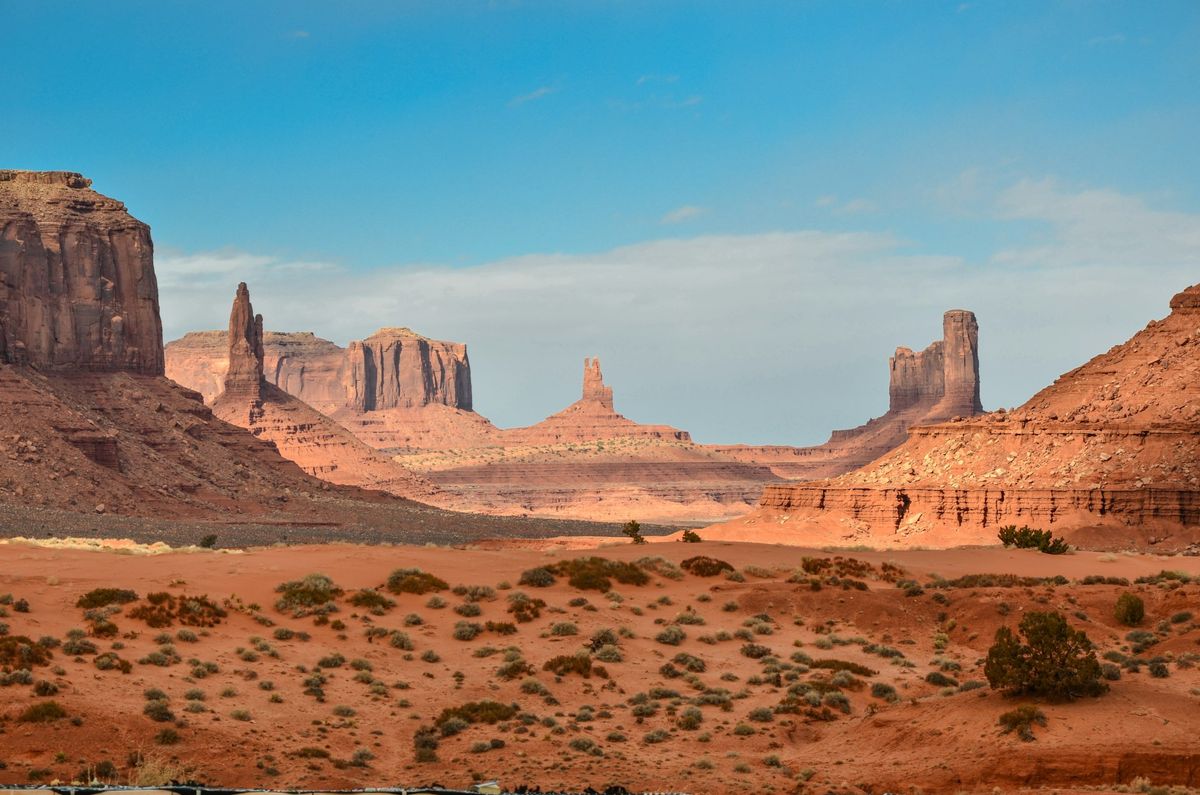
Just 30 minutes west of Parliament Hill lies a landscape that defies expectations. Pinhey Sand Dunes is a rare inland dune ecosystem where sandy hills, unique vegetation, and unexpected terrain create an otherworldly experience steps from Canada’s capital.
This hidden natural wonder offers a completely different Ottawa outdoor experience.
Key Highlights
TL;DR: Pinhey Sand Dunes is a 40-hectare inland dune system west of Ottawa in Constance Bay. Features sandy terrain, rare plants adapted to dry conditions, and unusual landscape for the region. Part of NCC conservation lands with informal trails. Free access year-round.
| Quick Facts | Details |
|---|---|
| 📅 Formation | Post-glacial |
| 📍 Location | Constance Bay, West Ottawa |
| 🎟️ Entry | Free |
| ⏰ Access | Year-round |
What Makes This Place Special
Unexpected Terrain
Why dunes exist here:
Geological History:
- Formed after last ice age
- Champlain Sea left sandy deposits
- Wind action created dune formations
- Unique microclimate persists
The Landscape:
- Rolling sandy hills
- Sparse vegetation
- Pine forests on edges
- Open sandy areas
A Rare Ecosystem
Few places like this in region:
Special Features:
- Inland dune ecosystem
- Hot, dry microclimate
- Sandy soil specialists
- Fragile and sensitive
Conservation Status:
- NCC protected lands
- Recognized ecological value
- Limited development allowed
- Ongoing protection efforts
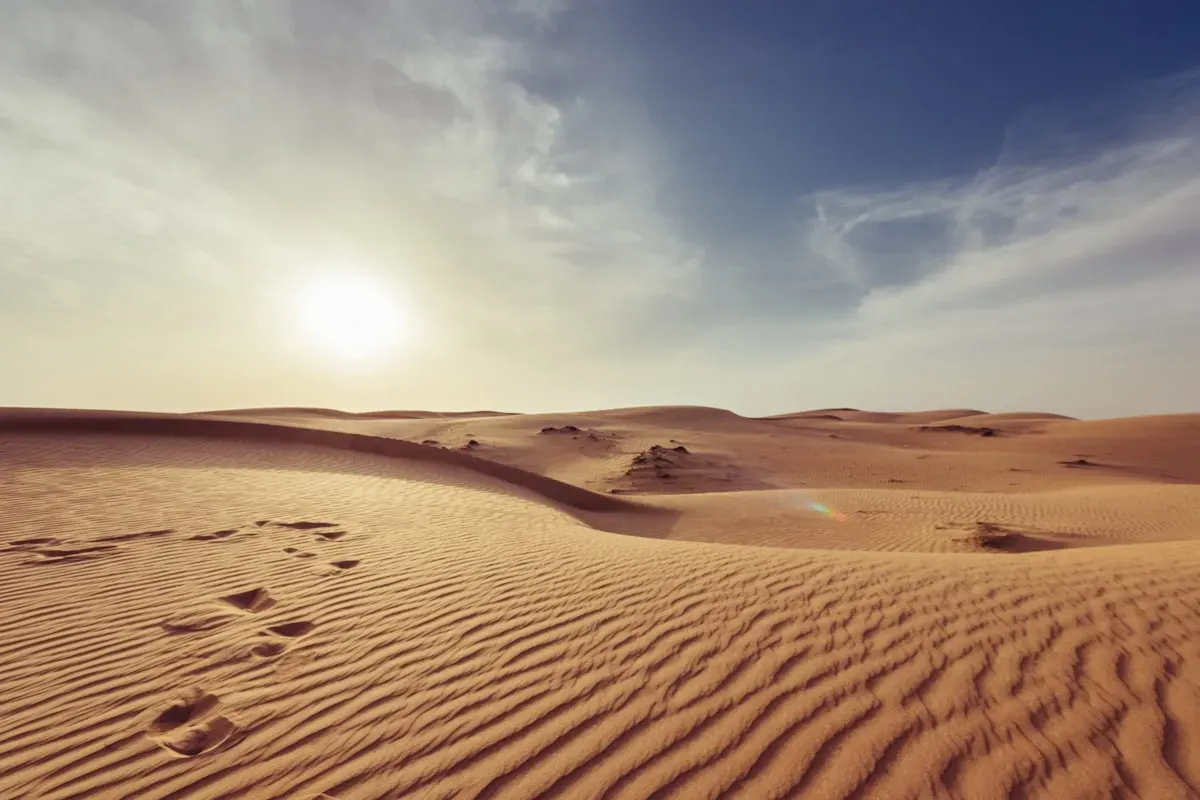
Illustrative image only.
Flora and Fauna
Unique Plant Communities
Specialized vegetation:
Sand-Adapted Plants:
- Beach grass species
- Prickly pear cactus (yes, in Ottawa!)
- Lichens and mosses
- Drought-tolerant wildflowers
Forest Edges:
- Jack pine
- Red pine
- Oak species
- Sandy forest understory
Wildlife
Creatures of the dunes:
Insects:
- Sand-dwelling beetles
- Specialized ant species
- Butterflies
- Various pollinators
Reptiles:
- Snakes (including rare species)
- Potential turtle habitat
- Lizard sightings possible
Birds:
- Ground-nesting species
- Raptors hunting
- Songbirds in edges
Visiting the Dunes
Getting There
Location: Constance Bay, West Carleton
From Ottawa:
- ~30 minutes west
- Follow Highway 417 west
- March Road to Constance Bay
- Access points along Pinhey Forest Road
Parking:
- Informal parking areas
- Roadside access
- Respect private property boundaries
Trail Access
What to Expect:
- Informal trail network
- Sandy terrain
- Variable conditions
- No formal facilities
Difficulty:
- Moderate walking
- Soft sand challenging
- Uneven terrain
- Good fitness helpful
Best Times
Optimal Visiting:
- Spring for flowers
- Summer for full experience
- Fall for colours
- Avoid extreme heat
Timing:
- Early morning or evening
- Weekdays less busy
- Avoid hot midday sun
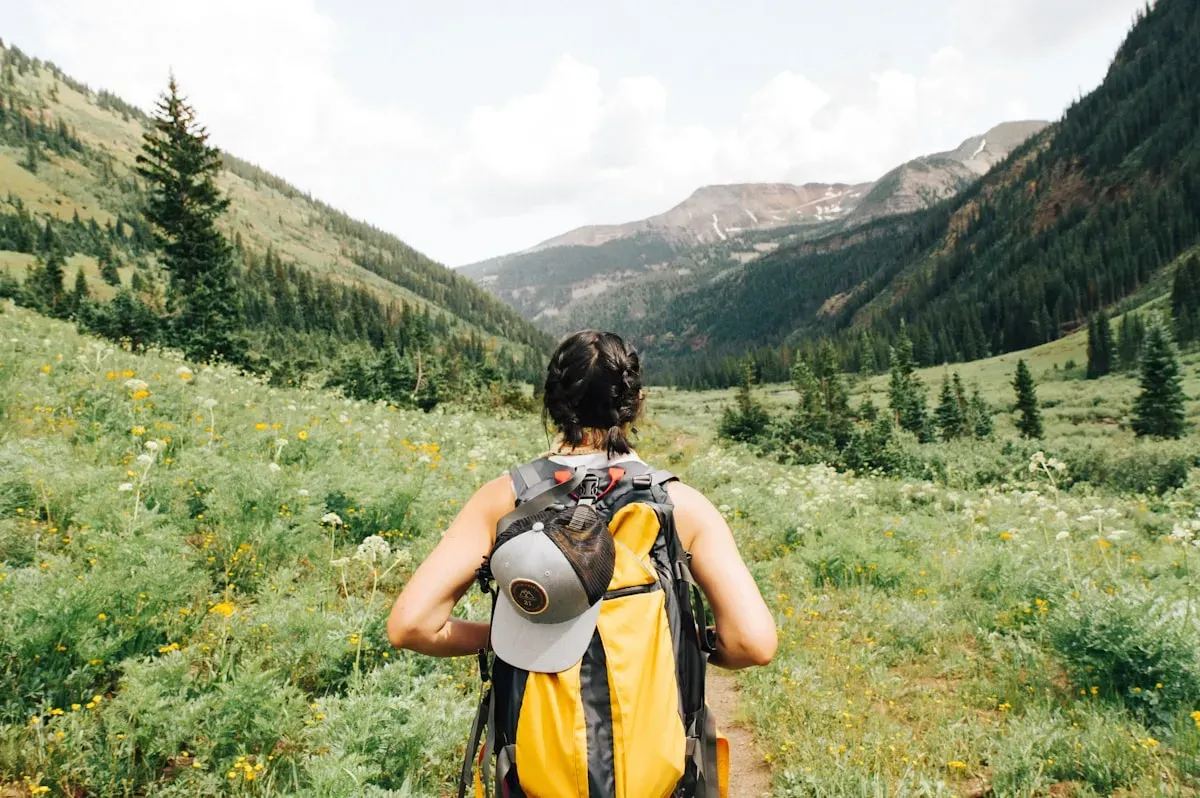
Illustrative image only.
What to Know Before You Go
Preparation
Essential Items:
- Sturdy footwear (sand gets everywhere)
- Plenty of water
- Sun protection
- Bug spray (summer)
Nice to Have:
- Camera
- Binoculars
- Plant identification guide
- Snacks
Rules and Etiquette
Please:
- Stay on established paths
- Don’t disturb vegetation
- Pack out all garbage
- Respect wildlife
Don’t:
- Remove plants or animals
- Create new trails
- Litter
- Bring vehicles onto dunes
Safety Considerations
Be Aware:
- No facilities on site
- Cell service may be limited
- Can be very hot in summer
- Watch for wildlife
Nearby Attractions
While in the Area
Constance Bay:
- Beach community
- Water access
- Local character
Pinhey’s Point:
- Historic site nearby
- Heritage buildings
- Different ecosystem
Fitzroy Provincial Park:
- Full park amenities
- Camping available
- More developed trails
Photography Opportunities
Capturing the Dunes
Tips for great shots:
Best Subjects:
- Dune formations
- Sparse vegetation patterns
- Sand textures
- Contrast with forest
Techniques:
- Golden hour lighting
- Wide angle for scope
- Macro for plants
- Pattern and texture focus
Challenges:
- Bright conditions
- Sand protection for gear
- Wind and shifting light
Conservation Importance
Why Protection Matters
Ecological Significance:
- Rare ecosystem type
- Specialized species
- Climate indicators
- Educational value
Threats:
- Informal trail damage
- Invasive species
- Climate change effects
- Development pressure
How You Can Help
Visitor Responsibility:
- Tread lightly
- Stay on trails
- Report concerns
- Spread awareness
Frequently Asked Questions
Q: Is this really a desert? A: Not technically—Ottawa receives plenty of rainfall. But the sandy, well-drained soil creates desert-like conditions where specialized plants thrive.
Q: Are there really cacti? A: Yes! Eastern prickly pear cactus (Opuntia humifusa) is native to sandy areas in Ontario. Pinhey Sand Dunes is one of the few Ottawa-area locations where it grows.
Q: Is it accessible year-round? A: The area is accessible year-round, though conditions vary. Winter can make access difficult, and summer can be very hot.
Q: Are there any facilities? A: No—there are no washrooms, water, or other facilities. Come prepared and pack out everything you bring.
Q: Is it good for kids? A: Children who enjoy nature and can handle walking on uneven sandy terrain will enjoy it. Bring extra water and sun protection.
Final Thoughts
Pinhey Sand Dunes represents the kind of hidden natural wonder that makes exploring Ottawa’s surroundings rewarding. Who expects to find desert-like dunes and prickly pear cactus in the Ottawa Valley? Yet here they are, a remnant of ancient geological processes preserved in our region.
This isn’t a polished tourist destination—it’s a wild place that demands respect and rewards curiosity. The unique ecosystem hosts plants and animals found nowhere else nearby, making every visit a chance to witness something special.
Come prepared, tread lightly, and discover one of Ottawa’s most unexpected landscapes. It’s a reminder that remarkable natural places exist even in familiar regions—you just have to know where to look.
Source: NCC Conservation Lands, Ontario Nature - Compiled for Via Ottawa readers.
For more Ottawa discoveries, visit Where to Go or explore Things to Do!