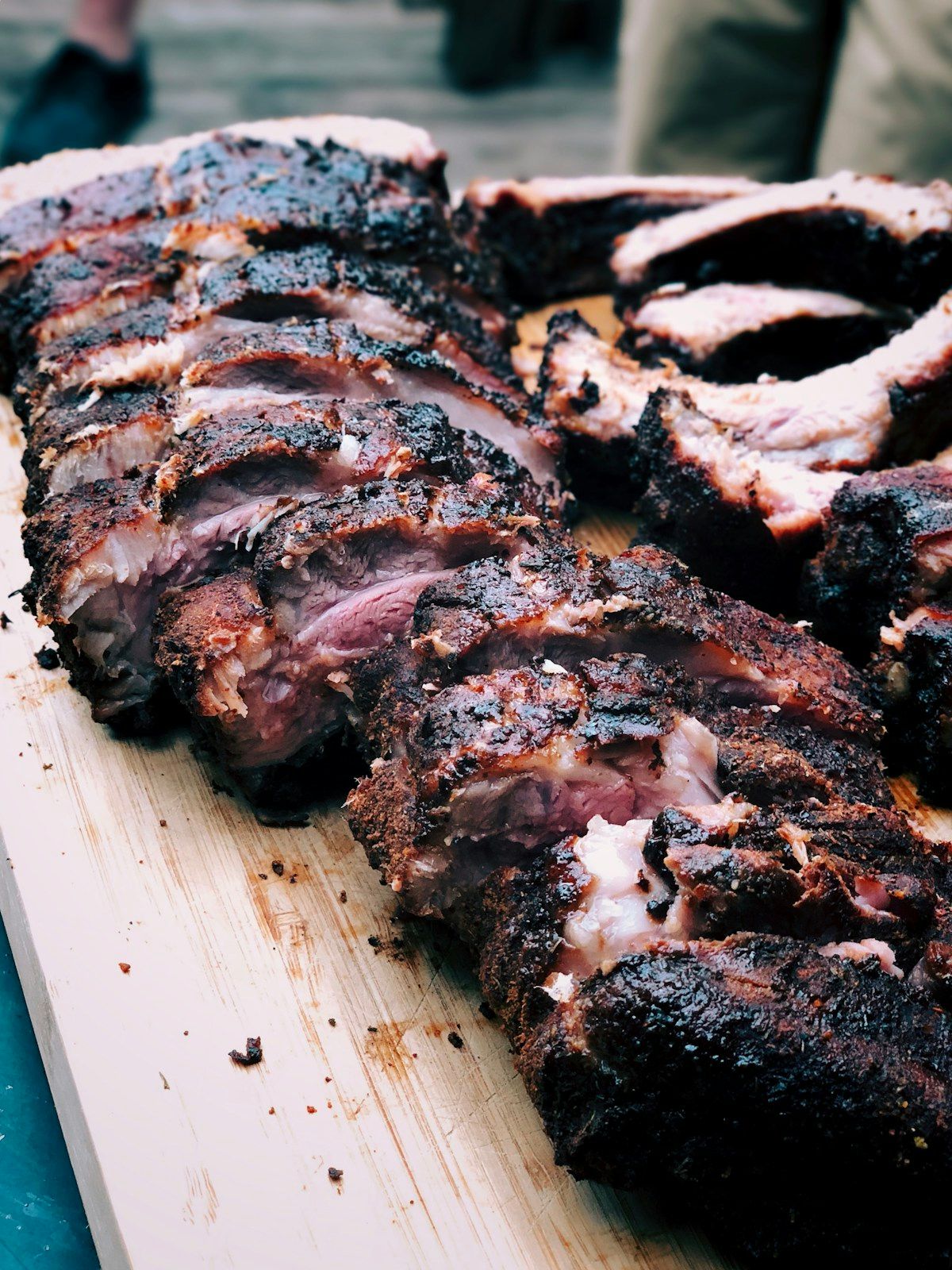
The smell hits you before you even see the smokers. That unmistakable aroma of slow-cooked ribs, hickory smoke, and caramelized barbecue sauce drifting through downtown Ottawa’s streets like a siren call to every carnivore within a kilometre radius. Ribfest transforms Sparks Street into an open-air temple of smoked meat, and after attending for years, I can tell you—resistance is futile.
Every June, Ottawa’s famous pedestrian mall becomes ground zero for one of the city’s most anticipated summer festivals. Professional ribbers from across North America set up their massive smokers, fire up their secret-recipe sauces, and compete for bragging rights while feeding thousands of hungry festival-goers. It’s messy, it’s loud, it’s delicious, and it’s absolutely worth clearing your calendar for.
Whether you’re a barbecue purist who judges ribs by smoke ring depth, or someone who just wants to eat good food and enjoy live music on a summer evening, Ribfest delivers. Here’s everything you need to know to make the most of Ottawa’s premier BBQ festival.
Key Highlights
TL;DR: Ribfest takes over Sparks Street every June with professional BBQ vendors, live music, and free admission. Expect to spend $20-40 per person on food. Arrive early on weekdays for shorter lines, bring cash as backup, and wear comfortable shoes—you’ll be on your feet.
| Quick Facts | Details |
|---|---|
| 📅 When | Late June (typically 4-5 days) |
| 📍 Location | Sparks Street Mall, Downtown Ottawa |
| 🎟️ Admission | FREE entry |
| 💰 Food Cost | $18-40 per person |
| 🍖 Ribbers | 6-10 professional vendors |
| 🎵 Entertainment | Live music all day |
| 🍺 Beer Garden | 19+ licensed area |
What Is Ribfest?
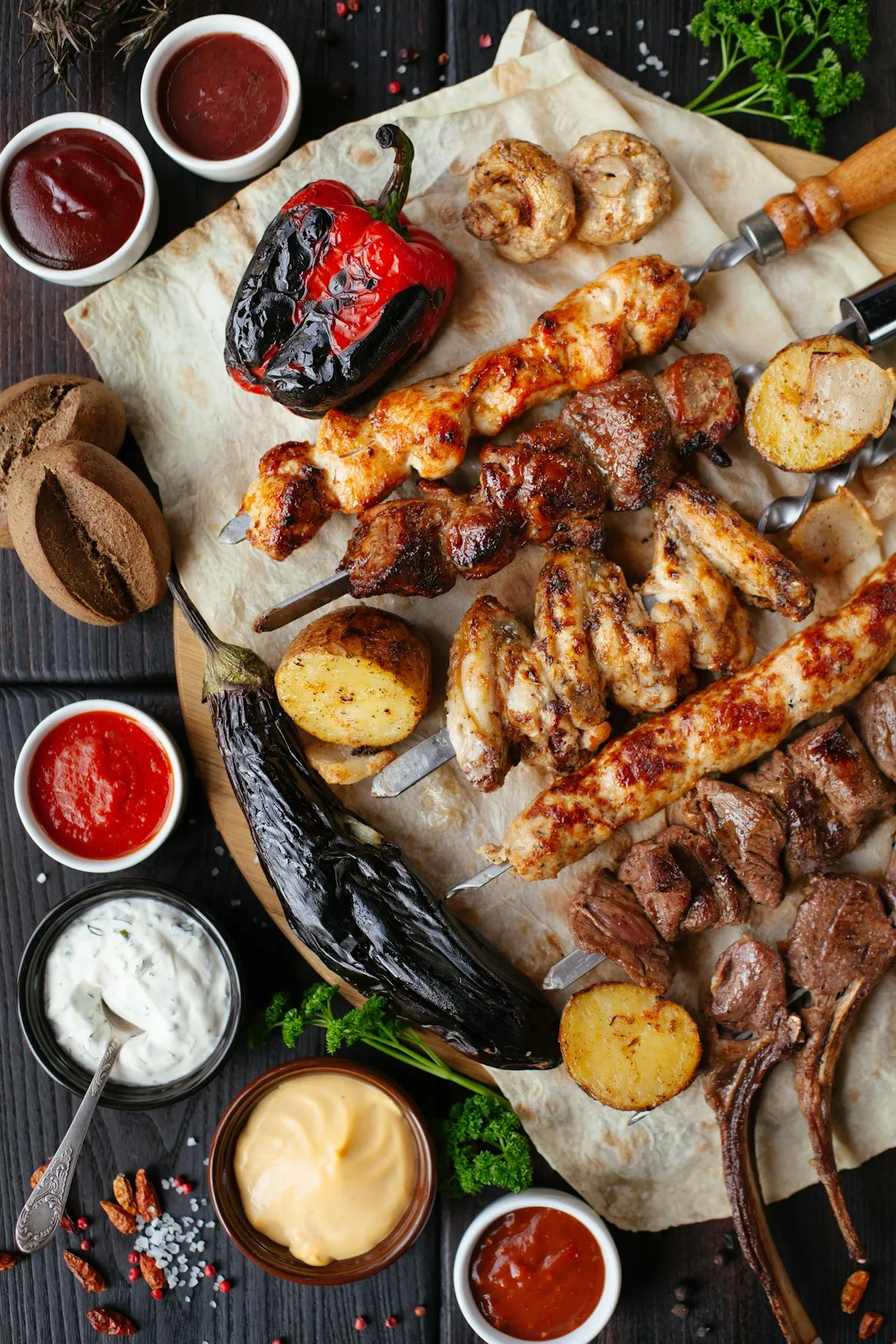
The Sparks Street International Chicken & Rib Cook-off—known locally as Ottawa Ribfest—has been a summer tradition for over two decades. Professional competition BBQ teams travel from across North America to set up their massive smokers along Ottawa’s historic pedestrian mall, turning several downtown blocks into what can only be described as meat paradise.
These aren’t your backyard grillers. Competition ribbers spend entire careers perfecting their craft, developing signature rubs, proprietary sauce recipes, and smoking techniques passed down through generations. Many have won championships at major BBQ competitions across the continent. For one week each summer, they bring that expertise to Ottawa.
The format is simple but effective. Each ribber operates a booth serving their signature ribs along with sides and other smoked meats. Festival-goers wander between vendors, sampling different styles, comparing sauces, and ultimately choosing favourites. Many years feature a “People’s Choice” award where attendees vote for the best ribs—a title that ribbers take very seriously.
The location adds to the appeal. Sparks Street, Ottawa’s oldest pedestrian mall, runs just one block south of Parliament Hill and Wellington Street. The historic buildings, wide walkways, and car-free environment create an ideal festival atmosphere. You can smell the smoke from blocks away, and the combination of sizzling meat, live music, and summer crowds generates an energy unique to this event.
History of Ottawa Ribfest
Ottawa Ribfest didn’t start as the massive festival it is today. The event began in the early 2000s as a modest promotion to draw summer crowds to Sparks Street during what was traditionally a quieter period for downtown businesses. The Sparks Street Business Improvement Association partnered with professional competition ribbers to create something that would generate buzz—literally.
The first years featured just three or four ribbers and modest crowds. Word spread quickly. By the mid-2000s, the event had grown into a genuine summer highlight, with attendance climbing into the tens of thousands over the festival’s run. The combination of free admission, quality barbecue, and downtown location created a formula that resonated with Ottawa residents and tourists alike.
Over the years, the festival expanded in scope. Entertainment programming grew from a single small stage to more elaborate productions. The vendor lineup became more competitive, with ribbers viewing Ottawa as a desirable stop on the summer festival circuit. The event’s duration stretched from a single weekend to four or five days, allowing more people to experience it.
Location has remained consistent—Sparks Street provides the ideal setting. The pedestrian mall’s width accommodates smoker trailers, serving lines, and dining areas without feeling cramped. Its proximity to Parliament Hill means tourists already in the area discover the festival naturally. The historic buildings lining the street create an aesthetic backdrop that photographs well and feels distinctly Ottawa.
Peak years have seen estimated attendance exceeding 100,000 visitors across the festival’s run. While exact figures vary by source, Ribfest consistently ranks among Ottawa’s most-attended free summer events. The combination of barbecue culture, accessible location, and family-friendly atmosphere has cemented its place in the city’s event calendar.
The Ribbers: Complete Vendor Profiles
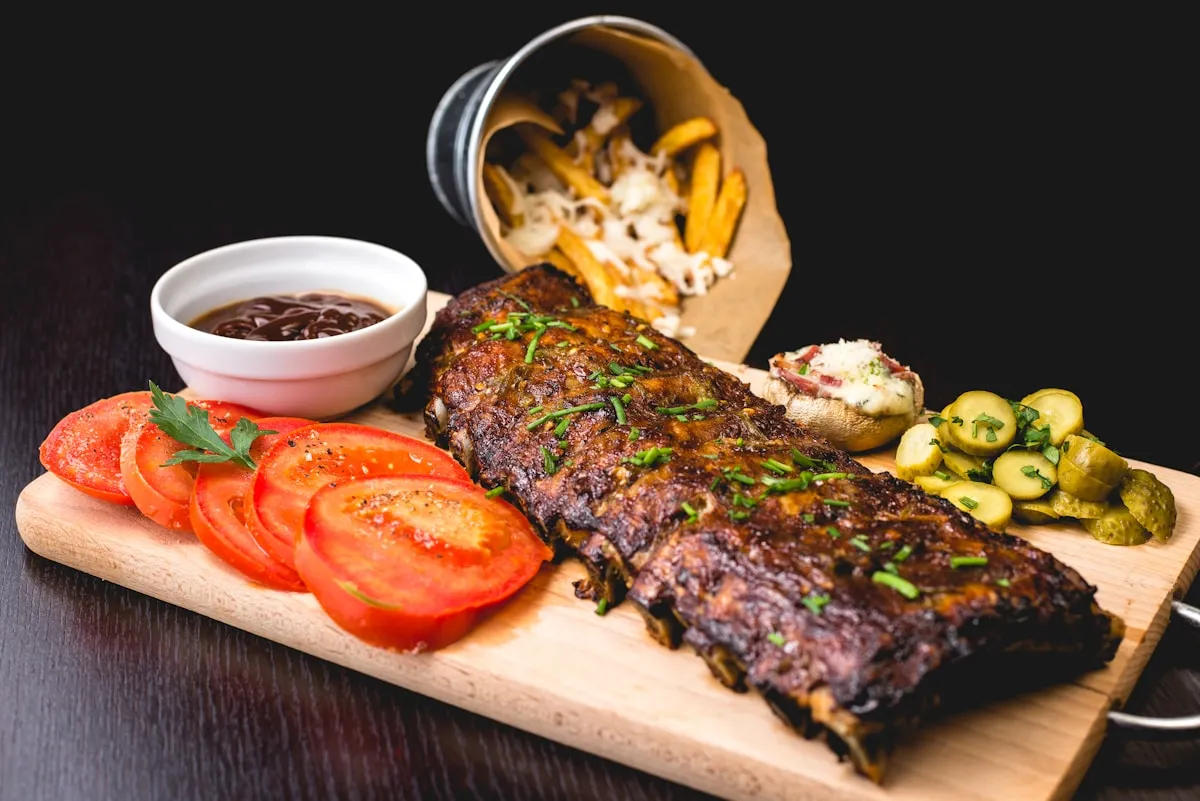
The vendor lineup changes annually, but certain legendary ribbers appear regularly. Understanding the different BBQ styles helps you navigate the options and find ribs that match your preferences. Here’s an in-depth look at the teams you’re likely to encounter.
Camp 31 BBQ
If there’s a fan favourite at Ottawa Ribfest, it’s Camp 31. This Ontario-based team has built a devoted following through consistent quality and perfectly balanced sauces. As one Reddit user put it: “Camp 31 always has the best ribs—they’re worth the extra wait in line.”
What makes Camp 31 stand out is their approach to texture. The ribs pull clean from the bone without falling apart completely—that sweet spot between competition perfection and satisfying chew. Their sauce leans Kansas City style but with a distinct Canadian sensibility: sweet enough to caramelize beautifully, tangy enough to cut through the fat, and with just enough spice to keep things interesting.
Their signature move involves finishing ribs over high heat after smoking, creating a caramelized crust that adds textural contrast. It’s a technique that requires precise timing—done wrong, you get burnt ends in the bad way. Camp 31 gets it right consistently.
Billy Bones BBQ
Billy Bones brings decades of competition experience to the Ribfest circuit. This team has accumulated more trophies than most competitors can count, and their technical precision shows in every rack. If you appreciate barbecue craft, Billy Bones delivers.
Their approach emphasizes smoke flavour over sauce dominance. The rub does significant work here—layers of spice that develop during the long smoking process. When the sauce goes on, it complements rather than masks the meat. Some find this style more subtle than the heavily-sauced alternatives; others consider it the purist’s choice.
Billy Bones also excels at pulled pork, offering some of the best smoked pork sandwiches on the circuit. If the rib lines look daunting, their pulled pork makes an excellent alternative with shorter waits.
Boss Hog’s BBQ
Boss Hog’s goes big on everything—portions, flavours, and attitude. Their booth often features the most theatrical presentation, with servers calling out orders and creating an atmosphere that feels more like a Southern roadhouse than a Canadian festival tent.
The ribs lean sweeter and stickier than some competitors, with sauce applied generously during cooking. This creates maximum caramelization and that classic “fall off the bone” texture that casual diners often prefer. Purists might call it over-sauced; the lines of happy customers suggest otherwise.
Boss Hog’s also typically offers strong side dish options. Their baked beans in particular have developed a following—slow-cooked with molasses, bacon, and enough brown sugar to make a nutritionist weep. Worth ordering even if you’re getting ribs elsewhere.
Gator BBQ
Gator BBQ brings Florida heat to Canadian summers. Their approach leans toward sweeter, more aggressive flavours—the kind of sticky, caramelized ribs that require multiple napkins and zero apologies. The name isn’t just marketing; you’ll occasionally find gator on the menu as a specialty item.
Their house sauce incorporates tropical notes—hints of citrus and maybe mango that set it apart from more traditional preparations. Love it or hate it, Gator BBQ commits fully to their identity. The polarizing flavour profile generates strong opinions, which makes them worth sampling just to form your own.
The Gator team also tends to run efficient operations. Line management and portion timing seem to flow smoothly, meaning shorter waits relative to crowd size. When Saturday afternoon hits peak chaos, that efficiency matters.
Silver Bullet
Silver Bullet BBQ emphasizes traditional smoking techniques over sauce innovation. Their operation typically features the most impressive smoker rigs—custom-built trailers with multiple chambers that look like they belong in a barbecue museum.
The ribs come out with pronounced smoke rings and bark that crackles slightly when you bite in. Sauce arrives on the side or applied lightly, letting the smoking work speak for itself. For those who consider sauce optional and smoke paramount, Silver Bullet delivers.
Their chicken deserves mention as well. Smoked birds with mahogany-coloured skin and impossibly juicy meat offer excellent value—you get more meat per dollar than ribs, with equally impressive technique. Consider the chicken if you’re watching budget or want variety.
What the Locals Say
Reddit threads about Ottawa Ribfest reveal clear patterns in local preferences. Beyond the near-universal love for Camp 31, experienced attendees share consistent advice:
“Get there early if you want shorter lines”—peak hours (5-7 PM on Friday and Saturday) mean 30-45 minute waits at popular vendors. Arriving before 3 PM or after 8 PM reduces wait times significantly.
“Bring cash, lines are faster”—while most vendors accept cards now, cash transactions take half the time. When you’re standing in summer heat behind fifty people, that speed matters.
“The corn on the cob is underrated”—the grilled corn, typically slathered in butter and seasoning, gets overlooked amid rib fever. Multiple locals recommend it as an essential side.
“Friday night is less crowded than Saturday”—Saturday remains peak attendance day. Those seeking a similar evening atmosphere with manageable crowds should target Friday instead.
Regional Sauce Styles Explained
Understanding barbecue sauce styles helps you choose ribs that match your taste:
Kansas City Style dominates most competitions. Thick, sweet, tomato-based with molasses undertones—this is what most people picture when they think “BBQ sauce.” Rich, coating, designed to caramelize on the meat.
Memphis Style runs thinner and tangier. Vinegar plays a more prominent role, cutting through the meat’s richness rather than adding sweetness. Some Memphis preparations serve ribs “dry” with just spice rub, no sauce at all.
Carolina Style varies by region but often features mustard (South Carolina gold sauce) or straight vinegar with pepper flakes. More assertive, less sweet, letting the meat speak louder.
Texas Style emphasizes beef and tends toward spicier, less sweet preparations. You’ll see this more with brisket than pork ribs.
Most Ribfest vendors sauce their ribs in Kansas City style but offer options. Ask about sauce intensity when ordering—many will go light if you prefer more smoke flavour.
Food Strategy Guide
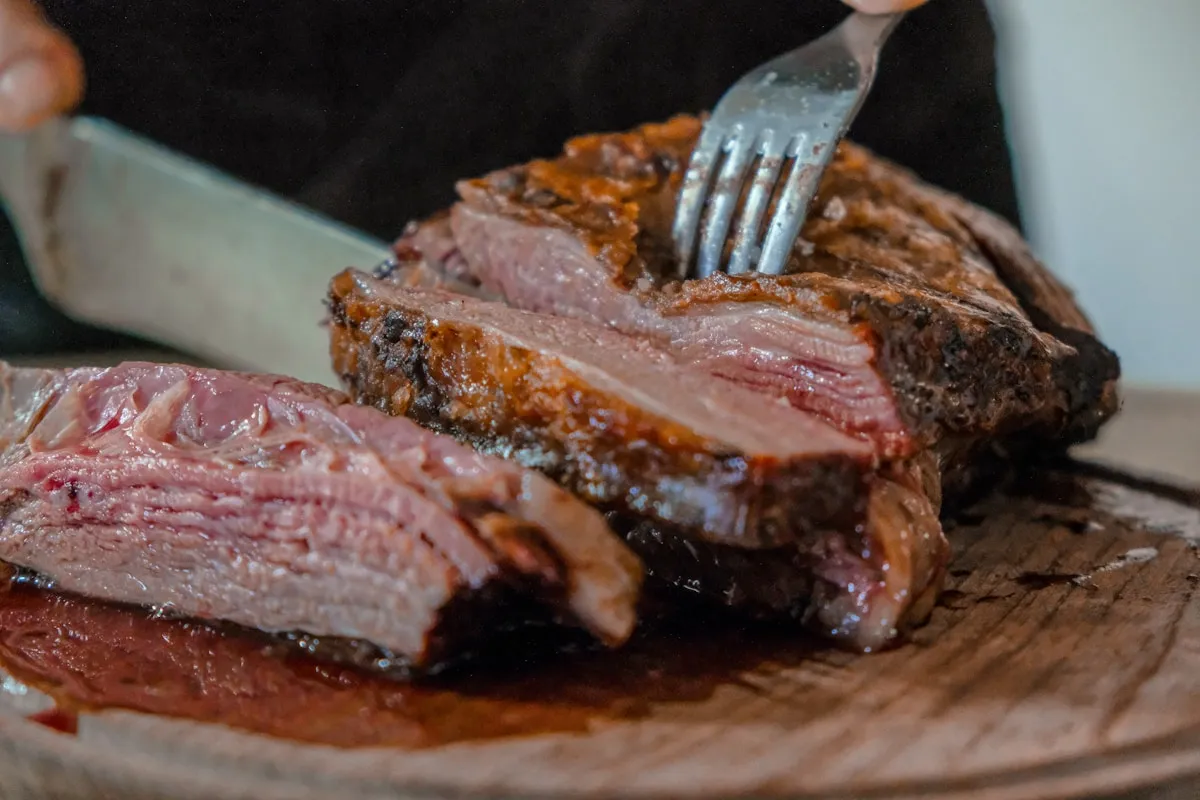
Navigating Ribfest food options strategically makes the difference between a satisfying experience and leaving disappointed. Here’s how to maximize your barbecue investment.
The Sampler Strategy vs. Full Rack Approach
Two schools of thought exist among Ribfest veterans. The sampler strategy involves ordering rib tips or half racks from multiple vendors, building a diverse tasting experience. The full rack approach means picking one favourite and committing fully.
Sampler strategy works best when:
- You’re attending with a group willing to share
- You want to form opinions for future years
- You’re undecided about sauce preferences
- You’re not extremely hungry and can pace yourself
Full rack approach works best when:
- You already have a favourite vendor from past years
- You’re very hungry and want satisfying quantity
- Lines are long and you don’t want multiple waits
- You’re feeding kids who need substantial portions
The optimal compromise: order rib tips from two or three vendors first (smaller portions, cheaper, shorter lines), then commit to a half rack from whichever impressed most. This provides variety while still delivering a main-event meal.
Rib Options Explained
Baby back ribs come from higher on the pig, yielding smaller, more curved ribs with tender meat. These cook faster and often carry more delicate flavour. Good choice for lighter appetites or those who prefer less fatty cuts.
St. Louis style spare ribs are trimmed from the belly section—larger, meatier, with more fat content that renders during smoking to keep the meat moist. These are the classic “caveman” ribs that look impressive on a plate.
Rib tips offer excellent value. These end pieces get trimmed from spare ribs and often carry the best bark (the caramelized exterior crust). Cheaper than full racks, equally flavourful, and great for sampling without committing to a large portion.
Side Dishes Worth Trying
Sides differentiate good ribbers from great ones. Anyone can smoke competent ribs, but homemade sides signal attention to detail.
Coleslaw serves a crucial function—the vinegar and crunch cut through rich, fatty meat. Ask which vendors make theirs in-house. Creamy versus vinegar-based becomes personal preference; both work.
Corn on the cob gets grilled and buttered on-site, arriving hot with char marks and seasonings. Multiple locals specifically recommend this as an underrated option worth ordering.
Baked beans vary wildly between vendors. The best versions involve slow cooking with molasses, bacon bits, and careful seasoning. Mediocre versions taste like heated cans. Ask before ordering.
Cornbread appears at some booths—Southern-style, slightly sweet, excellent for soaking up sauce. When available, it’s worth adding.
Fries usually come standard rather than exceptional. They’re fine but rarely the highlight. Order if you need starch volume; skip if you’re prioritizing quality over quantity.
Vegetarian and Non-Rib Options
Ribfest is primarily a carnivore event, but options exist for those seeking alternatives.
Corn on the cob works for vegetarians—just confirm butter preferences if dairy is a concern.
Fries are typically vegetarian, though cross-contamination from shared fryers may concern strict vegetarians.
Some vendors offer veggie burgers or grilled vegetable options, though selection varies annually. Scan the booths before committing.
Drinks and desserts (see below) offer vegetarian-friendly options.
The honest assessment: Ribfest isn’t the best event for vegetarians. The smoke permeates everything, most sides contain meat products, and the vegetarian options feel like afterthoughts. Bringing a vegetarian friend is fine—they’ll find something to eat—but this isn’t their festival.
Drinks and Beverages
Water becomes essential, especially on hot days. Bring a refillable bottle; staying hydrated matters when you’re eating salty food in summer heat.
Soft drinks are available throughout—standard festival pricing applies (expensive compared to retail).
Beer flows in the licensed area. Expect major Canadian brands (Molson, Labatt) alongside some craft options that rotate annually. Nothing exceptional, but cold beer and smoked meat pair naturally.
Wine and coolers appear in the licensed section for those who prefer alternatives to beer.
Dessert Options
Funnel cakes and elephant ears sometimes appear at festival fringe vendors—classic fairground desserts that complete the summer event experience.
Ice cream and frozen treats offer welcome relief on hot days. Look for vendors near the festival perimeter.
Most people skip dessert—ribs provide enough richness to conclude a meal—but options exist for those with remaining capacity.
Entertainment and Atmosphere
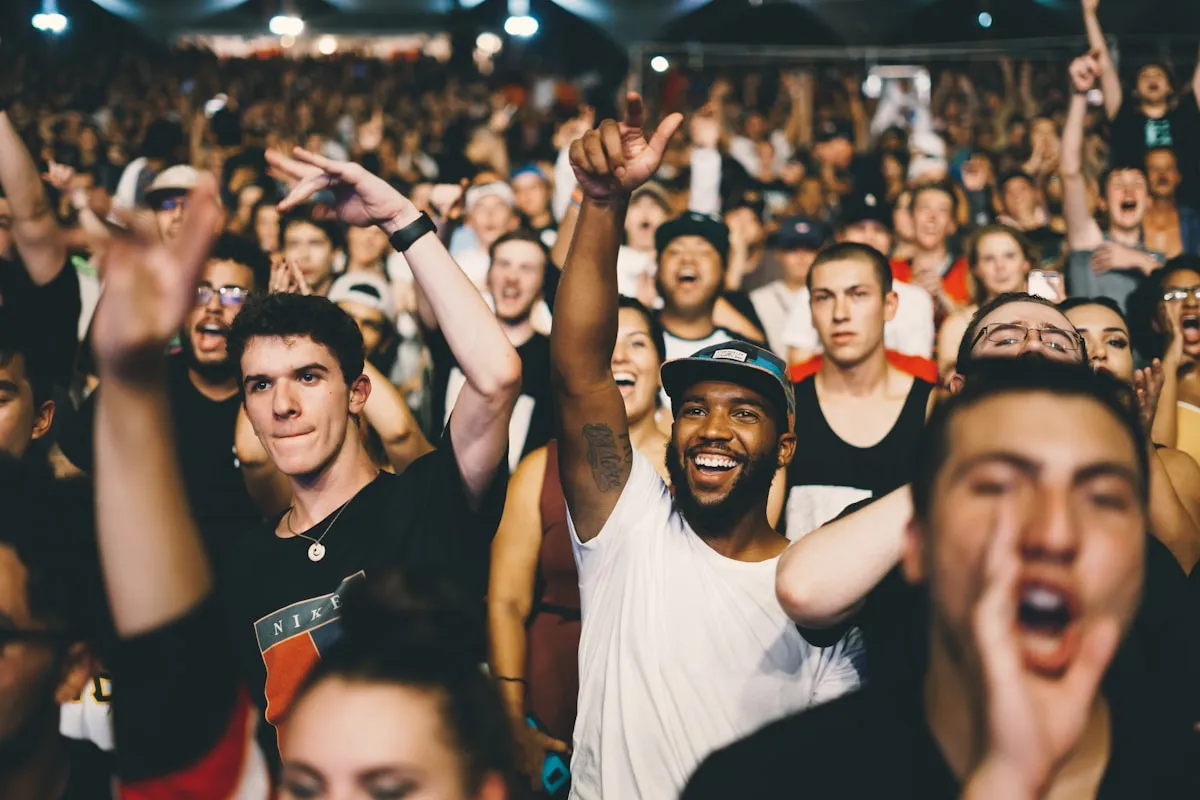
Ribfest isn’t just about eating. The festival creates a genuine party atmosphere on Sparks Street, with entertainment running throughout each day.
Live Music Lineup
A main stage hosts live performances from afternoon through evening. Expect a mix of rock, blues, country, and cover bands—genres that pair naturally with barbecue culture. Local and regional acts predominate, occasionally supplemented by touring musicians.
The music provides background energy during the day and becomes more of a focus after dinner service winds down. Finding a spot near the stage while finishing your ribs makes for excellent summer evening entertainment.
Typical scheduling runs something like:
- Early afternoon (12-3 PM): Lighter acoustic acts, local performers
- Late afternoon (3-6 PM): Full bands, increasing energy
- Evening (6-10 PM): Headliner acts, peak attendance, dancing crowds
The exact lineup gets announced closer to the festival date. Follow the official Sparks Street social media channels for performer announcements.
Stage Schedule Tips
Best viewing spots fill early for headline evening acts. If you care about music positioning, arrive by 5 PM and stake a spot.
Sound quality varies by location. Directly in front of the stage gets loudest but sometimes distorts. Twenty metres back often provides cleaner audio while still feeling connected.
Photography works best during golden hour (roughly 7-8 PM in late June) when the lighting flatters both performers and crowds.
Beer Garden
The licensed area typically occupies one section of the festival grounds, offering beer, wine, and coolers. You’ll need to show ID (19+ in Ontario), and drinks must stay within the designated perimeter.
The beer selection usually includes major Canadian brands alongside some craft options. Nothing exceptional, but cold beer pairs well with smoked meat on a warm June evening. Seating in the licensed area lets you enjoy music while drinking—a popular post-dinner option.
Family Entertainment
Ribfest welcomes families during daytime hours. Kids’ zones with face painting and games appear at most years’ events. The festival atmosphere—street performers, crowds, interesting smells—entertains children even without dedicated programming.
Face painting keeps younger kids occupied while adults eat.
Games and activities vary annually but typically include ring toss, bean bag games, and similar carnival-style entertainment.
Balloon artists and performers often wander Sparks Street, creating spontaneous entertainment moments.
That said, evening hours trend toward adult crowds as the beer garden fills and music volume increases. Families with young children might prefer lunch or early afternoon visits.
Kids’ Activities
Beyond the dedicated kids’ zone, children often enjoy:
Watching the smokers—the massive trailer smokers, billowing clouds, and cooking process fascinate many kids. Some ribbers welcome questions and briefly explain their craft.
People watching—Sparks Street’s festival energy, variety of food, and crowds create natural entertainment for observant children.
Exploring downtown—combining Ribfest with nearby attractions (Parliament Hill grounds, Rideau Canal, ByWard Market) makes a full family day.
Comparison: Ottawa Food Festivals
Ottawa Ribfest isn’t the only game in town. Understanding how it compares to other food festivals helps you prioritize your summer schedule.
Ottawa Ribfest vs. Poutine Fest
Poutine Fest (typically held in spring) focuses on Canada’s unofficial national dish with creative variations from local restaurants. Smaller footprint than Ribfest, more experimental menu options, different crowd energy.
Ribfest feels more like a traditional festival—bigger, louder, more entertainment-focused. Poutine Fest feels more like an extended food court with music. Both are worthwhile; they serve different appetites.
Ottawa Ribfest vs. ByWard Market Area Events
The ByWard Market area hosts various food-focused events throughout summer, including the Ottawa Night Market with diverse international cuisine and Taste of Wellington West highlighting local restaurants.
Ribfest offers a more concentrated, singular experience—it’s all about barbecue, all on one street. Market events tend toward variety and exploration. Choose based on whether you want depth (Ribfest) or breadth (market events).
What Makes Ribfest Unique
Several factors distinguish Ottawa Ribfest from alternatives:
Professional competition ribbers rather than local restaurants. The vendors have made careers from barbecue; the skill level shows.
Free admission makes it accessible. Other food events sometimes charge entry fees that add to overall cost.
Downtown location creates unmatched convenience. Other festivals require travel to fairgrounds or suburban venues.
Multi-day duration allows flexibility. Miss Saturday? Come Sunday. Can’t do weekends? Thursday evening works.
Consistent format year over year. You know what to expect, which helps planning. Some events reinvent themselves annually in ways that create uncertainty.
Practical Information
Getting There
By O-Train (LRT): This is the easiest option. The Confederation Line serves downtown with two stations close to Sparks Street:
- Parliament Station: Exit and walk south one block. You’ll hit Sparks Street directly—can’t miss the smoke and crowds.
- Lyon Station: Exit and walk east along Sparks Street. Takes about 5 minutes.
By Bus: Multiple routes serve Albert and Slater Streets, running parallel to Sparks.
Key routes that stop nearby:
- Route 6 (serves Albert Street)
- Route 7 (serves Slater Street)
- Route 14 (serves downtown core)
- Route 16 (connects to Confederation Line stations)
Check OC Transpo’s trip planner at octranspo.com for specific routes from your starting point. The trip planner optimizes for current schedules and service changes.
By Car: Parking downtown during Ribfest means either arriving early or paying premium rates. As one Reddit commenter noted: “Parking is a nightmare, take transit.”
Nearby parking options include:
- World Exchange Plaza garage (111 Albert Street)—largest nearby, usually has space but fills on peak Saturday
- Various Indigo lots on Albert and Slater Streets
- City of Ottawa lots on Queen and Kent Streets
- Street parking with meters (2-hour limits, heavy enforcement)
Expect to pay $15-25 for day parking, $3-5 per hour for shorter visits. Some lots offer flat evening rates after 5 PM. On peak Saturday afternoons, lots fill by noon—plan accordingly.
Recommendation: Take transit. Parking headaches aren’t worth it when the O-Train drops you a 3-minute walk from the action.
Parking Map and Tips
Arriving before noon dramatically increases parking availability. The casual Saturday crowd doesn’t arrive until after 1 PM.
Evening rates kick in at most lots around 5-6 PM. If you’re coming for dinner and music, arriving at 5 PM hits the sweet spot of available parking and reduced rates.
Street parking exists but requires patience and walking tolerance. Spots on Queen, Kent, and side streets may be available but put you 5-10 minutes from the action.
Worst parking times: Saturday 12-6 PM. Just don’t. Take transit.
Best Entrance Points
Sparks Street is accessible from multiple points:
From Parliament Station (O-Train): Walk south on Metcalfe Street. You’ll enter the festival from the east end, typically near the main stage.
From Lyon Station (O-Train): Walk east on Sparks Street. You’ll enter from the west end, often encountering vendors before the main crowds.
From World Exchange Plaza: Exit toward Sparks Street. Drops you in the middle of the festival zone.
From Wellington Street: Walk south on any cross street (Bank, O’Connor, Metcalfe). All lead to Sparks Street within one block.
ATM Locations
Limited ATM availability exists on Sparks Street itself during the festival. Before arriving, hit a bank machine at:
- World Exchange Plaza (multiple banks have ATMs)
- Rideau Centre (short O-Train ride to Rideau Station)
- Any major bank branch on Bank Street or Wellington Street
Alternatively, bring cash before you arrive. $60-80 in twenties covers most scenarios.
Seating Areas
Dedicated seating remains limited. Options include:
Vendor-adjacent seating: Some ribbers set up tables near their booths. First come, first served basis.
Street benches: Sparks Street has permanent benches that fill quickly during peak hours.
Planter edges and low walls: Not ideal but functional. Many festival-goers sit on concrete edges while eating.
Beer garden seating: Reserved for those purchasing drinks. Often the most comfortable option, assuming you’re drinking.
Standing and walking: Honestly, most people eat standing or walking. The festival isn’t set up for leisurely seated dining.
Recommendation: If seated eating matters to you, arrive early or target off-peak hours when benches become available.
When to Go
Best for avoiding crowds:
- Weekday afternoons (11 AM - 3 PM) before office workers arrive
- Thursday evenings (opening night, slightly less busy)
- Sunday mornings/early afternoon
- Friday before 4 PM (evening rush starts later)
Most crowded:
- Friday evenings (5 PM - 9 PM) when after-work crowds descend
- Saturday afternoon through evening (peak attendance)
- Lunch hours on weekdays (noon - 1:30 PM) when downtown workers break
If short lines matter more than atmosphere, go Thursday afternoon. If you want full festival energy, embrace Saturday evening crowds—bring patience along with your appetite.
Money Matters
Cash versus cards: Most vendors now accept credit and debit cards, but cash remains faster and works universally. Some smaller operations still prefer cash only.
Recommendation: Bring $40-60 in cash as backup. Lines move faster with cash transactions anyway.
ATMs: Limited availability on Sparks Street itself. Hit a bank machine before arriving rather than searching mid-festival.
Tipping: Not expected at food booths, but appreciated for exceptional service or large orders.
Weather Considerations
Late June in Ottawa typically brings temperatures between 20-28°C (68-82°F), but conditions vary. Check the forecast and prepare for:
Hot and sunny days: Sunscreen, hat, water bottle. Shade is limited on Sparks Street, and festival crowds generate additional heat. Stay hydrated—all that salty, savoury food will make you thirsty.
Rain: Possible any summer day. A light rain jacket takes minimal space and saves the day if showers arrive. The festival continues in light rain, but crowds thin—silver lining for those willing to get slightly damp.
Evening cool-down: Temperatures can drop 10 degrees after sunset. If you’re staying for evening music, bring a light layer.
Tips for Maximum Ribfest Enjoyment
After years of attending, here’s what I’ve learned:
Sample before committing. Many vendors offer rib tips or smaller portions. Try two or three vendors’ samples before ordering a full rack. Your taste preferences and each year’s lineup will determine the best choice.
Share with friends. Go as a group and order different things. A table with multiple rib styles, different sides, and a pulled pork sandwich to pass around creates a superior experience to everyone eating the same thing alone.
Don’t skip the sides. Anyone can order ribs. The homemade coleslaw that perfectly cuts through rich meat, the smoky beans that complement rather than compete—sides separate good barbecue from great barbecue. Ask which vendors make their sides in-house.
Arrive hungry. Portions are generous. If you eat before coming, you’ll miss opportunities to sample widely. I typically skip lunch entirely if attending an afternoon session.
Embrace the mess. Barbecue isn’t elegant dining. The sauce will get on your face, your hands, possibly your shirt. Vendors provide napkins liberally. Accept the inevitable, eat with enthusiasm, and remember that anyone judging you for rib-sauce chin hasn’t lived fully.
Vote for your favourite. If the festival runs a People’s Choice competition, participate. Your feedback matters to ribbers who travel significant distances to compete. Plus, it forces you to commit to an opinion after sampling—always worthwhile.
Explore Sparks Street. Between eating and music, wander the pedestrian mall. The street hosts shops, cafés, and historical buildings worth seeing. Mixing festival time with general downtown exploration makes a full day of it.
FAQ
Q: Is Ribfest free to attend?
Ribfest has no admission charge—you can walk through and enjoy the atmosphere without spending anything. Costs come from food, drinks, and any purchases you make. Budget $25-50 per person for a satisfying meal with a drink or two.
Q: What are typical Ribfest hours?
Hours vary by year, but generally expect vendors to operate from late morning (11 AM) through evening (9-10 PM on weekdays, 11 PM on weekends). Entertainment continues after some food vendors close. Check the official schedule when it’s announced in spring.
Q: Which ribber is best?
Subjective question, but Camp 31 consistently wins “People’s Choice” votes and generates the longest lines. For sweeter, stickier ribs, try Gator BBQ or Boss Hog’s. For more traditional smoke-forward ribs, Silver Bullet delivers. Sample multiple vendors before committing to a full rack.
Q: Can I bring my own food or drinks?
Like most festivals, outside food and beverages aren’t permitted in the licensed areas. Water bottles are generally fine, but plan to purchase food and drinks from vendors. That’s kind of the point anyway.
Q: Can I buy ribs to take home?
Most vendors will package ribs for takeout. Full racks travel well if you’re heading straight home. Some vendors also sell bottled sauces—great souvenirs for barbecue enthusiasts.
Q: Is Ribfest family-friendly?
Daytime hours suit families well, with kids’ activities and a generally welcoming atmosphere. Evening hours trend toward louder music and beer garden crowds—still appropriate, but some families with young children prefer afternoon visits.
Q: What if it rains during Ribfest?
The festival continues in light rain, though crowds thin. Vendors operate under tents, so food service continues. Bring a rain jacket if showers seem possible. Heavy thunderstorms may cause temporary closures for safety—check the festival’s social media for real-time updates.
Q: Are there vegetarian options?
Limited options exist—corn on the cob, fries, and occasional veggie burgers. Ribfest is primarily a meat-focused event. Vegetarians can find food, but this isn’t their ideal festival.
Q: How do I handle the lines?
Arrive off-peak (weekday afternoon or early evening), bring cash for faster transactions, consider rib tips rather than full racks (often shorter lines), and embrace patience as part of the experience. Peak Saturday lines at popular vendors can exceed 30 minutes.
Q: Is the beer garden worth it?
If you want to sit while drinking and enjoy music, yes. The seating alone justifies entry for many attendees. Beer selection is decent if unexceptional. You must stay within the licensed perimeter with drinks.
Final Thoughts
Ribfest represents summer in Ottawa at its most unpretentious. No complicated ticketing, no VIP nonsense, just skilled pitmasters doing what they do best and crowds of happy people eating ribs on a sunny street. The festival brings together barbecue traditions from across North America, gives them a distinctly Ottawa backdrop, and invites everyone to participate.
The event has grown from modest beginnings into one of the city’s signature summer experiences. Competition ribbers now view Ottawa as a desirable stop on their circuit. Local attendance keeps climbing. The formula—free admission, quality food, convenient location, genuine entertainment—continues to work.
Mark your calendar for late June. Bring friends, bring cash, bring elastic waistbands. Leave your diet at home.
Some traditions earn their place in a city’s summer calendar through pure merit. Sparks Street BBQ festival has done exactly that—one perfectly smoked rack at a time.
Sources: Sparks Street Business Improvement Association, Ottawa Tourism, Ottawa Ribfest historical information, r/ottawa community discussions