
Carved through Canadian Shield rock by thousands of labourers nearly 200 years ago, the Rideau Canal stands as one of the greatest engineering achievements of the 19th century—and Ottawa’s most beloved landmark.
The 202-kilometre waterway connecting Ottawa to Kingston was born from military necessity following the War of 1812, when Britain feared American invasion could cut supply lines along the St. Lawrence River. What Colonel John By and his workers created between 1826 and 1832 was nothing short of remarkable: a fully operational canal system with 47 locks that remains in use today, virtually unchanged from its original construction. In 2007, UNESCO designated the Rideau Canal a World Heritage Site, recognizing it as the best-preserved example of a slack-water canal in North America.
Key Highlights
TL;DR: The Rideau Canal was built between 1826 and 1832 under Lieutenant Colonel John By as a military supply route following the War of 1812. The 202-km waterway features 47 locks connecting Ottawa to Kingston, and it remains the oldest continuously operated canal in North America. In 2007, it became a UNESCO World Heritage Site. Each winter, a section becomes the world’s largest naturally frozen skating rink.
| Quick Facts | Details |
|---|---|
| 📅 Construction | 1826–1832 |
| 📍 Length | 202 kilometres |
| 🎟️ Locks | 47 locks at 24 stations |
| ⏰ UNESCO Status | Designated 2007 |
Origins of the Canal
The story of the Rideau Canal begins with war—or rather, the fear of war’s return. During the War of 1812, Britain nearly lost control of its Canadian colonies when American forces threatened supply lines along the St. Lawrence River. The river, which formed the border between Upper Canada and the United States, proved vulnerable to attack.
After the war ended in 1815, British military planners began exploring alternative supply routes that would be protected from American aggression. Their solution was audacious: construct an entirely new waterway through the wilderness of Upper Canada, connecting the Ottawa River to Lake Ontario via a series of lakes and rivers.
The project was assigned to Lieutenant Colonel John By of the Royal Engineers, a seasoned military engineer who had previously worked on the Quebec Citadel. By arrived in Canada in 1826 with orders to build a canal that could transport military supplies and, if necessary, warships between Montreal and the Great Lakes without passing near American territory.
Building the Impossible
Construction of the Rideau Canal was a monumental undertaking. The route required 47 locks to navigate the 83-metre elevation change between Ottawa and Kingston. Workers had to cut through miles of Canadian Shield granite, dam rivers, and construct massive stone lock chambers—all using only hand tools, black powder, and sheer determination.
Colonel By recruited thousands of workers, including French-Canadian labourers, Irish immigrants, and Scottish stonemasons. Working conditions were brutal. The construction camps were plagued by malaria—called “swamp fever” at the time—which killed hundreds of workers. The hot, humid summers bred clouds of mosquitoes that spread the disease, while winters brought freezing temperatures and heavy snow.
Despite the challenges, work progressed remarkably quickly. By and his engineers solved problems that seemed insurmountable, including the construction of the massive stone dam at Jones Falls—the highest dam in North America at the time of its completion. The 19-metre-high structure was an engineering marvel that drew visitors from around the world.
The Canal Opens
The Rideau Canal officially opened on May 29, 1832, just six years after construction began. It was an immediate success, though not quite in the way its military planners had intended. The threat of American invasion never materialized, and the canal’s military purpose quickly became obsolete.
Instead, the waterway became a vital commercial route. Steamboats and barges carried settlers, supplies, and timber along the canal, opening up the interior of Upper Canada to development. Towns grew along its banks, including the settlement that would become Ottawa—originally called Bytown in honour of the canal’s builder.
Tragically, Colonel John By did not live to see the lasting success of his creation. Called back to England to face questions about cost overruns—the canal had exceeded its budget significantly—By died in 1836, somewhat disgraced despite his remarkable achievement. It would take decades for his legacy to be properly recognized.
From Military Route to Recreation
By the mid-19th century, the Rideau Canal’s commercial importance had begun to decline. Railways offered faster, cheaper transportation, and fewer boats made the journey between Ottawa and Kingston. The canal might have fallen into disrepair, as many others did, but it was saved by a new purpose: recreation.
Pleasure boating became increasingly popular in the late 1800s and early 1900s, and the Rideau Canal’s scenic beauty attracted tourists and cottagers. The waterway passed through some of the most beautiful landscapes in Eastern Ontario, including the Rideau Lakes, where wealthy families built summer homes.
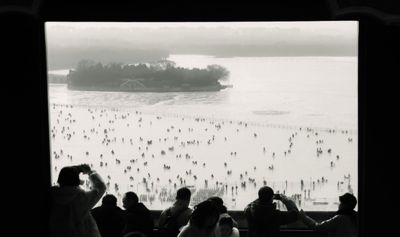
The canal’s most famous recreational transformation came in 1971, when the National Capital Commission began clearing the downtown section for ice skating each winter. The Rideau Canal Skateway was born, eventually stretching 7.8 kilometres and earning recognition as the world’s largest naturally frozen skating rink. Today, hundreds of thousands of skaters glide along the same route where military supply boats once sailed.
UNESCO World Heritage Site
In 2007, the Rideau Canal received the ultimate recognition when UNESCO designated it a World Heritage Site. The organization praised the canal as “the best-preserved example of a slack-water canal in North America” and noted that it “remains the only canal dating from the great North American canal-building era of the early 19th century that remains operational along its original line with most of its original structures intact.”
The designation recognized not just the canal itself, but the entire historic landscape along its route, including the original lock stations, many of which still operate using hand-powered mechanisms installed in the 1830s. The lockkeepers who operate these stations perform the same procedures that have been used for nearly 200 years, manually opening and closing massive wooden gates to raise and lower boats.
For Ottawa residents, the UNESCO designation was confirmation of what they had long known: the Rideau Canal is something truly special, a living connection to the past that remains an integral part of daily life in the capital.
Frequently Asked Questions
Why was the Rideau Canal built?
The canal was built as a military supply route after the War of 1812. Britain feared that the St. Lawrence River was too vulnerable to American attack, so they constructed an alternative route through the interior of Upper Canada.
How long did it take to build the Rideau Canal?
Construction took six years, from 1826 to 1832. Given the technology of the time and the challenges involved—including cutting through Canadian Shield granite—this was remarkably fast.
Can you still boat on the Rideau Canal?
Yes, the canal remains fully operational for recreational boating. It opens each spring and remains navigable until mid-October. Boats can travel the entire 202-kilometre route from Ottawa to Kingston.
How long is the Rideau Canal Skateway?
The winter skating section is 7.8 kilometres, running from the locks below Parliament Hill to Dows Lake. It is recognized as the world’s largest naturally frozen skating rink.
What happened to Colonel John By?
By was recalled to England in 1832 to face criticism over the canal’s cost overruns. He died in 1836 without receiving proper recognition. Today, his legacy is celebrated through the city of Ottawa, which was originally named Bytown in his honour.
Final Thoughts
The Rideau Canal is more than a historic waterway—it’s a living testament to human ingenuity and determination. What began as a military project born from fear of war became a commercial lifeline, a recreational paradise, and finally a UNESCO World Heritage Site recognized around the world.
Walk along its banks in summer or skate its frozen surface in winter, and you’re tracing a path that connects modern Ottawa to its earliest origins. The locks that Colonel John By’s workers built by hand nearly two centuries ago still function exactly as designed, a remarkable achievement that few modern infrastructure projects will ever match.
The Rideau Canal reminds us that Ottawa’s history runs deep—and sometimes, quite literally, flows right through the heart of the city.
Source: Parks Canada; UNESCO World Heritage Centre