Last Updated: December 22, 2025
The Rideau Canal Skateway typically opens in mid-January 2025 (weather permitting) and stretches 7.8 km through downtown Ottawa—making it the world’s largest naturally frozen skating rink. This UNESCO World Heritage Site runs from Dow’s Lake to the National Arts Centre, drawing over 500,000 skaters each season.
Every winter, when temperatures plunge and ice crews give the green light, Ottawa transforms into a skater’s paradise. Whether you’re a seasoned skater chasing endorphins on a crisp January morning or a first-timer wobbling toward your first BeaverTail, this frozen highway delivers an unforgettable winter experience that’s uniquely Ottawa.
Key Highlights
TL;DR: The Rideau Canal Skateway is a free 7.8 km ice rink through downtown Ottawa, typically open January through late February. Bring your own skates or rent onsite, fuel up with BeaverTails and hot chocolate, and dress in layers for Canada’s most iconic winter activity.
| Quick Facts | Details |
|---|---|
| 📅 Season | January to late February/March (weather dependent) |
| 📍 Route | Dow’s Lake to Parliament Hill (7.8 km) |
| 💰 Cost | Free to skate; rentals ~$20-25/day |
| ⏰ Hours | Typically 8am-10pm when open (check conditions daily) |
| ❄️ Ice Thickness | Minimum 30 cm required for opening |
| 🚗 Parking | Multiple lots at Dow’s Lake, Fifth Avenue, NAC |
What Makes the Skateway Special
The Rideau Canal Skateway holds the Guinness World Record as the largest naturally frozen skating rink on Earth. Unlike artificial rinks that rely on refrigeration, this 7.8-kilometre stretch depends entirely on Mother Nature’s cooperation, making each season unique and somewhat unpredictable.
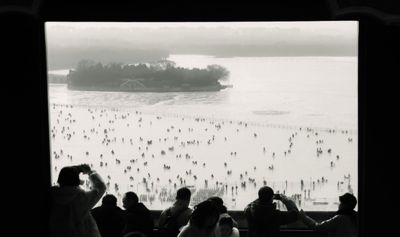
Skating the canal means gliding past historic landmarks, modern architecture, and snow-dusted parkland. You’ll pass under bridges, wave to fellow skaters heading the opposite direction, and experience Ottawa from a perspective that locals cherish and visitors never forget. The canal freezes thick enough to support thousands of skaters simultaneously, yet the ice surface is meticulously maintained by the National Capital Commission’s dedicated ice crew.
What truly sets the Skateway apart is the atmosphere. Families bundle up in colorful winter gear, couples hold gloved hands while skating side by side, and hardcore fitness enthusiasts power through multiple laps. Food vendors dot the route, offering steaming hot chocolate and the legendary BeaverTails—fried dough pastries that have become synonymous with canal skating. It’s not just exercise; it’s a cultural experience that defines Ottawa winters.
The canal’s UNESCO World Heritage status adds historical significance. This waterway, originally built in the 1820s as a military supply route, now serves as a winter playground that brings communities together. From January through late February or early March, weather permitting, the Skateway transforms downtown Ottawa into an outdoor winter festival.
2025 Season Predictions and Updates
The 2025 skating season depends on sustained cold temperatures, typically requiring at least 10-14 consecutive days of -10°C or colder weather to build safe ice thickness. Based on historical patterns, the Skateway usually opens in early to mid-January, though warm spells can delay or temporarily close sections. Check the NCC Skateway conditions page for real-time updates.
Climate variability has made recent seasons unpredictable. The 2023-2024 winter saw a late opening in mid-January with several closures due to mild temperatures. The NCC continuously monitors ice thickness and weather forecasts, making real-time decisions about which sections can safely open.
For 2025, skaters should prepare for a similar pattern: a potential opening in early January if conditions cooperate, with the peak skating period likely running through mid-February. March skating has become less reliable as winters warm, though cold snaps can extend the season into early March.
The NCC provides daily updates through their website, mobile app, and social media channels. Ice thickness measurements occur at multiple points along the canal, and sections open independently based on local conditions. You might find Dow’s Lake skateable while downtown sections remain closed, or vice versa.
Smart skaters bookmark the official Skateway conditions page and enable notifications. Nothing disappoints quite like driving to the canal only to discover it closed due to overnight warming. The NCC’s system categorizes conditions as “Excellent,” “Good,” “Fair,” or “Closed,” helping you plan the perfect skating day.
How the Ice is Maintained
The transformation from flowing waterway to world-class skating surface requires extraordinary effort. The NCC’s ice crew works around the clock during the season, operating specialized equipment that clears snow, floods rough patches, and monitors ice thickness at 24 stations along the 7.8-kilometre route.
Natural ice formation begins when air temperatures drop consistently below -10°C for approximately two weeks. The canal’s shallow depth (1-3 metres in most sections) allows it to freeze relatively quickly compared to deeper bodies of water. Once ice reaches the critical 30-centimeter minimum thickness, crews begin the grooming process.
Snow removal is crucial—accumulated snow acts as insulation, preventing the ice from thickening further and creating uneven surfaces. The crew uses modified snowplows, tractors, and even massive snow blowers to clear the canal after each snowfall. During heavy snow events, this can happen multiple times per day.
Flooding operations smooth out rough patches and fill in cracks. Crews pump water directly from the canal, spreading thin layers across the ice surface. This water quickly freezes, creating a glass-like skating surface. Temperature and timing matter enormously—flood during the warmest part of the day, and you risk compromising ice integrity.
Ice thickness monitoring involves daily measurements at fixed stations. Technicians drill test holes, measure depth, and assess ice quality. Minimum standards require 30 cm of solid blue ice, though the NCC often maintains 40-50 cm for safety margins. Sections that fall below minimum standards close immediately until conditions improve.
Best Entry Points and Parking
The Skateway features multiple access points along its 7.8-kilometre length, each offering different amenities and parking situations. Choosing your entry point strategically can enhance your experience and minimize frustration.
Dow’s Lake Pavilion (1001 Queen Elizabeth Drive) serves as the southern terminus and most popular entry point. The pavilion offers skate rentals, heated changing rooms, washrooms, and the largest concentration of food vendors. Parking here fills quickly on weekends—arrive before 10am or after 4pm for best availability. The lot accommodates approximately 300 vehicles, with overflow parking along adjacent streets.
Fifth Avenue (near the Glebe) provides a convenient mid-canal access point with street parking along Fifth Avenue and surrounding Glebe neighbourhoods. This entry point suits experienced skaters who want to skip the Dow’s Lake crowds and jump straight onto the ice. Limited facilities here mean you’ll need to skate to Dow’s Lake or downtown for washrooms and food.
National Arts Centre (1 Elgin Street) marks the northern terminus adjacent to Parliament Hill. Underground parking at the NAC charges hourly rates but guarantees a spot regardless of how busy the canal gets. This entry point places you closest to the Rideau Centre shopping mall and downtown restaurants, making it ideal for combining skating with other downtown activities.
Pretoria Bridge offers street parking and easy canal access near Old Ottawa South neighbourhoods. Less crowded than Dow’s Lake, this spot works well for locals who know the area and want a quieter skating experience.
Public transit serves all major access points. OC Transpo routes 1, 7, and 85 stop near Dow’s Lake, while dozens of routes converge downtown near the NAC. On busy weekends, transit often beats driving for convenience and stress reduction.
Skate Rental Locations and Prices
If you don’t own skates or prefer not to transport them, several rental options serve the Skateway. Prices have increased slightly for 2025, reflecting inflation and equipment maintenance costs.
Dow’s Lake Pavilion operates the largest rental operation with hundreds of pairs available in all sizes, from toddler skates to adult sizes. Standard rentals cost approximately $20-25 for the full day, with half-day options sometimes available for $15-18. The pavilion also rents hockey helmets for children ($5) and sleds for parents pulling non-skating toddlers ($10).
Rental quality at Dow’s Lake is generally excellent. Skates undergo regular sharpening and maintenance, though busy periods can result in less-than-perfect blade edges. Arrive early in the day for first pick of equipment. Staff size you properly and ensure snug fits—critical for ankle support and comfort during longer skates.
Rink of Dreams (adjacent to City Hall at 110 Laurier Avenue) offers an alternative rental option serving skaters entering the canal from downtown areas. Similar pricing to Dow’s Lake, with the advantage of smaller crowds and potentially faster service.
Bring Your Own remains the best option for regular skaters. Well-maintained personal skates fit better, perform better, and eliminate rental costs after just 2-3 visits. Local sporting goods stores sharpen blades for $8-12, and proper maintenance makes skates last years.
Consider purchasing budget skates ($60-100) if you plan multiple visits or live in Ottawa. The investment pays off quickly compared to rental fees, and you’ll enjoy better-fitting equipment. End-of-season sales in March offer significant discounts on current-year models.
What to Bring: Essential Checklist
Successful canal skating requires thoughtful preparation. Ottawa winters are unforgiving, and being underdressed or missing key items can transform a magical outing into a miserable one.
Clothing Layers:
- Base layer: moisture-wicking thermal underwear (top and bottom)
- Mid layer: fleece or wool sweater
- Outer layer: waterproof, windproof winter jacket and snow pants
- Extra mittens/gloves (hands sweat, then freeze—having backups prevents misery)
- Warm hat that covers ears
- Neck warmer or scarf
- Wool or synthetic socks (never cotton—it holds moisture and freezes)
Equipment:
- Skates (or rental money)
- Small backpack to carry extra layers
- Helmet (especially for children and beginners)
- Knee/elbow pads for nervous first-timers
Essentials:
- Cash for BeaverTails and hot chocolate (many vendors don’t accept cards)
- Water bottle (yes, you’ll dehydrate even in winter)
- Sunscreen and lip balm with SPF (winter sun reflecting off ice causes serious burns)
- Sunglasses or goggles on bright days
- Plastic bag for wet mittens/clothes
- Phone charged for photos and emergency contacts
Optional but Recommended:
- Hand/toe warmers (chemical heat packs that slip into gloves/boots)
- Small first aid kit with bandages for blisters
- Protein bar or granola bar for energy
- Skating aid for young children (chair-like device for balance)
The key is layering. Start cold—you’ll warm up quickly once skating. Overdressing leads to sweating, which then leads to dangerous chilling when you stop to rest. Bring extra layers in a backpack and add them during rest stops if needed.
Rest Areas and Warming Huts
The NCC maintains several heated rest areas along the Skateway where skaters can warm up, use washrooms, and regroup before continuing. These facilities prevent hypothermia and make long-distance skating feasible even on brutally cold days.
Dow’s Lake Pavilion offers the most extensive facilities: large heated indoor space, washrooms, changing areas, and food concessions. This serves as the primary warming station for the southern section of the canal. Benches inside accommodate hundreds of skaters, and the building’s size means you’ll always find space even on crowded weekends.
Patterson Creek (mid-canal location) features a smaller heated shelter with basic amenities. This unstaffed facility provides emergency warmth but lacks washrooms or food services. It’s perfect for a 10-minute warm-up before continuing your skate.
Fifth Avenue has a modest warming tent with minimal facilities, primarily serving as a brief shelter from wind and cold. Don’t count on this for extended rest stops.
National Arts Centre provides indoor access to the NAC building itself, including full washroom facilities, water fountains, and nearby restaurants. This northern terminus offers the best amenities for skaters starting or ending downtown.
Plan rest stops strategically. Skating the full 7.8 kilometres one-way takes 45-90 minutes depending on speed and stops. Most casual skaters do shorter out-and-back trips, perhaps skating 2-3 kilometres south from the NAC, stopping at Patterson Creek to warm up, then returning north.
On extremely cold days (below -20°C), limit outdoor time to 30-45 minutes between warming breaks. Windchill can reach dangerous levels, and frostbite develops quickly on exposed skin. The NCC posts wind chill warnings and sometimes closes the Skateway when conditions become unsafe.
Food Along the Canal: BeaverTails and Beyond
No Rideau Canal experience is complete without indulging in a BeaverTail—the iconic fried pastry that has defined canal skating since 1978. These hand-stretched whole wheat pastries emerge from the fryer hot and crispy, topped with various sweet or savory combinations.
BeaverTails Stands operate at Dow’s Lake, Fifth Avenue, and near the NAC. Classic flavours include:
- Cinnamon & sugar (the original and still most popular)
- Maple butter (pure Canadian indulgence)
- Chocolate hazelnut (Nutella-style spread)
- Apple cinnamon
- Killaloe Sunrise (cinnamon sugar, lemon, butter)
Prices run $6-9 per pastry, with combo deals including hot chocolate for $12-14. Lines get long on weekends—the wait is part of the experience, giving you time to warm up and decide on toppings.
Hot Chocolate and Coffee vendors dot the entire route. Expect to pay $4-6 for hot chocolate and $3-5 for coffee. Quality varies, but the warmth matters more than gourmet preparation when your core temperature is dropping. Most vendors offer spiked versions (Irish coffee, hot chocolate with Bailey’s) for adults seeking extra warming.
Beaver Tails Alternatives: Small food trucks and pop-up stands sell poutine, hot dogs, warm pretzels, and other quick snacks. The selection changes yearly as vendors rotate, but you’ll never go hungry along the canal.
Packing Your Own: Many regulars bring thermoses of hot chocolate, coffee, or soup in backpacks. This saves money and ensures your preferred beverage is always available. Just remember that consuming alcohol on the canal itself violates city bylaws—save the spiked drinks for licensed vendors or post-skating celebrations.
The combination of physical exertion, cold air, and maple sugar creates cravings unlike anything you’ll experience at summer festivals. Budget $15-25 per person for food and drinks during a typical 2-3 hour skating session.
Tips for First-Time Skaters
Never been on skates? The Rideau Canal welcomes beginners, though some preparation will maximize enjoyment and minimize bruises.
Before You Go:
- Watch YouTube tutorials on basic skating technique
- Practice standing and walking in skates on carpet at home (builds ankle strength)
- Set realistic expectations—your first time will be wobbly, and that’s fine
- Consider taking a basic skating lesson at an indoor rink first
At the Canal:
- Start at Dow’s Lake where the ice is usually smoothest
- Skate during weekday mornings when crowds are smaller
- Stay near the edges initially—easier to grab the snow bank if you lose balance
- Keep knees slightly bent, weight forward (leaning back causes falls)
- Take small steps until you find your rhythm
- Don’t look at your feet—look ahead where you want to go
Safety for Beginners:
- Wear a helmet (no shame, lots of adults do)
- Consider knee pads under snow pants
- Bring a friend who can skate—they’ll help you up and provide stability
- Take frequent breaks—ankle muscles fatigue quickly when you’re learning
- Don’t attempt the full 7.8 km your first time—500 metres is an achievement
Common Beginner Mistakes:
- Renting skates too large (should be snug, almost uncomfortable)
- Lacing too loosely (ankles need firm support)
- Skating during peak crowds (more people = more chaos = more falls)
- Giving up after 10 minutes (you’ll improve noticeably by minute 30)
- Not bringing extra mittens (falling puts your hands in contact with ice)
The canal’s gentle, flat surface is actually ideal for learning compared to indoor rinks with sharp turns and crowds doing hockey stops. You can go at your own pace, take breaks whenever needed, and experience the magic even while moving slowly.
Thousands of first-timers skate the canal every season. You’ll see wobbly beginners, determined seniors learning at 70, and children taking their first gliding steps. Everyone started exactly where you are.
Best Times to Skate: Avoiding Crowds
Timing your visit dramatically affects the experience. Weekend afternoons can feel like skating through a crowded mall, while weekday mornings offer nearly private ice.
Optimal Times:
- Weekday mornings (8am-11am): Fewest crowds, freshly groomed ice, peaceful atmosphere
- Weekday afternoons (1pm-3pm): Light traffic, good for families with young children
- Late evenings (8pm-10pm): Romantic atmosphere, smaller crowds, temperature drops create faster ice
Avoid:
- Saturday/Sunday 12pm-4pm: Absolute peak chaos, slow-moving clusters, long vendor lines
- Holiday weekends: Family Day, New Year’s weekend, and school breaks bring maximum crowds
- First week after opening: Everyone rushes out, creating traffic jams on ice
Weather Considerations:
- Sunny days above -10°C attract massive crowds (comfortable temperatures = everyone skates)
- Very cold days below -20°C see fewer casual skaters (serious enthusiasts love this)
- Light snow during skating creates magical atmosphere but slightly slower ice
- After heavy snowfalls, wait 24-48 hours for crews to clear and re-groom
Special Experiences:
- Sunrise skates (around 7:30am in January): Stunning light, almost empty ice
- Full moon nights: Ethereal glow, romantic setting, requires good skating ability for low-light conditions
- Fresh ice after flooding: Glass-smooth surface, fast gliding, usually lasts 12-24 hours before traffic roughens it
Serious skaters and speed enthusiasts should target early weekday mornings when you can actually build up speed without navigating around families. Photography enthusiasts prefer golden hour (late afternoon) or overcast days that eliminate harsh shadows.
If you can only skate weekends, arrive at Dow’s Lake by 9am or wait until after 7pm. The shoulder hours provide dramatically better experiences than midday chaos.
Safety Guidelines
The National Capital Commission maintains strict safety protocols, but individual responsibility determines your wellbeing on the ice.
Official Rules:
- No hockey sticks, pucks, or sporting equipment (skating only)
- No alcoholic beverages (vendor areas excepted)
- No bicycles, kick sleds, or wheeled devices
- Stay in designated skating areas
- Follow directional signs where posted
- Respect closure signs immediately
Personal Safety:
- Check ice conditions before going (NCC website/app shows real-time status)
- Never skate on closed sections—there are good reasons for closures
- Watch for rough patches, cracks, and uneven areas
- Stay alert for other skaters, especially near high-traffic areas
- Teach children to watch where they’re going, not just at their feet
- If you fall, get up quickly to avoid being run into
Cold Weather Safety:
- Monitor for frostbite symptoms: numbness, white/grey skin patches, burning sensation
- Watch for hypothermia: uncontrolled shivering, confusion, slurred speech, drowsiness
- Take warming breaks every 30-45 minutes when temperatures drop below -20°C
- Cover all exposed skin when wind chill reaches extreme levels
- Never ignore serious cold—minor discomfort can escalate to dangerous conditions quickly
Emergency Preparedness:
- Keep phone charged and accessible
- Know where the nearest warming hut is located
- Carry basic first aid supplies for minor cuts and blisters
- Program NCC emergency contact into phone: 613-239-5000
- Tell someone your skating plans and expected return time
Medical Conditions:
- Consult doctors before skating if you have heart conditions, balance disorders, or are pregnant
- Bring necessary medications (inhalers for asthmatics, etc.)
- Wear medical alert bracelets if you have serious conditions
The canal is remarkably safe with proper precautions. The NCC monitors ice constantly, and serious incidents are extremely rare. Most injuries involve minor falls, twisted ankles, or beginners taking tumbles. Respecting your limits and the ice conditions keeps this winter tradition fun rather than dangerous.
Accessibility Information
The NCC works to make the Skateway accessible, though the activity’s physical nature creates inherent limitations.
Wheelchair Access:
- Dow’s Lake Pavilion is fully wheelchair accessible
- National Arts Centre provides accessible entry points
- Paved paths adjacent to the canal allow wheelchair users to experience the atmosphere even if they cannot skate
Adaptive Skating:
- Some organizations offer adaptive skating programs using special equipment
- Contact Ottawa Community Recreation for seasonal adaptive skating opportunities
- Skating chairs and walkers available through specific programs (not general rental)
Mobility Considerations:
- Skate rentals require ability to stand and maintain balance
- Rest areas have accessible washrooms
- Benches throughout the route provide frequent seating
Sensory Accommodations:
- Quieter skating times (weekday mornings) benefit individuals sensitive to crowds and noise
- Visual markers and signs guide skaters along the route
- Service animals permitted in warming areas (not on ice for safety)
Parking:
- Accessible parking available at Dow’s Lake and NAC
- Clearly marked spaces near pavilion entrances
- Drop-off zones for those requiring assistance
For specific accessibility questions, contact the NCC directly at 613-239-5000. Staff can provide current information about adaptive programs, accessibility features, and accommodation options.
Photography Tips: Capturing the Perfect Shot
The Rideau Canal Skateway offers extraordinary photography opportunities, from sweeping landscape shots to intimate portraits against iconic backdrops.
Best Photo Locations:
- Dow’s Lake looking north: Wide canal view with city skyline
- Pretoria Bridge: Architecture framing skaters below
- National Arts Centre area: Parliament buildings as backdrop
- Bank Street Bridge: Overhead perspectives of skaters
Optimal Timing:
- Golden hour (late afternoon): Warm light, long shadows, glowing ice
- Blue hour (just after sunset): City lights reflecting on ice, magical atmosphere
- Overcast days: Even lighting, no harsh shadows, good for portraits
- Night skating: Light trails from skaters, illuminated landmarks
Technical Considerations:
- Cold drains batteries fast—bring fully charged spares
- Keep backup batteries warm in inside jacket pocket
- Lens fogging when moving from cold to warm—allow gradual temperature adjustment
- Snow and ice create extreme brightness—adjust exposure compensation down 1-2 stops
- Fast shutter speeds freeze skating motion (1/500s or faster)
- Slower speeds (1/30s) create motion blur showing movement
Equipment Protection:
- Use weather-sealed cameras and lenses if possible
- Bring microfiber cloth for clearing condensation
- Avoid changing lenses in blowing snow
- Use UV filter to protect front lens element from ice crystals
Smartphone Photography:
- Keep phone in inside pocket when not shooting (warmth preserves battery)
- Use gloves with touch-sensitive fingertips or take photos through camera jacket
- Clean lens frequently—warm breath condenses and freezes on glass
- Avoid extended use in extreme cold (below -25°C) to prevent screen damage
Composition Ideas:
- Leading lines: Use canal’s length to draw eye through frame
- Rule of thirds: Position horizon and subjects strategically
- Human scale: Include people to show canal’s massive size
- Details: Close-ups of skate blades, BeaverTails, frost patterns
- Reflections: Sunset colours mirrored in smooth ice patches
Instagram-Worthy Spots:
- BeaverTails stand with pastry and canal behind
- Skating couple silhouetted against sunset
- Parliament buildings framed by bare winter trees
- Action shot of speed skater creating ice spray
- Overhead bridge perspective showing skaters’ patterns
Always ask permission before photographing identifiable people, especially children. Most skaters are happy to pose for quick shots near iconic landmarks.
The canal’s unique combination of urban setting, natural beauty, and human activity creates endless photographic possibilities. Whether you’re shooting professional work or phone snapshots, you’ll capture memories that define Ottawa winters.
FAQ
Q: When exactly does the Rideau Canal Skateway open in 2025?
The opening date depends entirely on weather conditions, typically requiring 10-14 consecutive days of -10°C or colder temperatures to build 30 cm minimum ice thickness. Historical patterns suggest early to mid-January opening, but the NCC announces dates only 24-48 hours in advance once ice meets safety standards. Monitor their website, mobile app, or social media for real-time updates rather than planning trips weeks ahead.
Q: Can I bring my dog on the ice?
No, pets are prohibited on the Skateway ice surface for safety reasons. Dogs can injure themselves on skate blades, create tripping hazards, and their waste contaminates the ice. However, leashed dogs are welcome on adjacent pathways and in some warming areas. Many Ottawa dog owners walk the canal paths while their skating partners enjoy the ice.
Q: How long does it take to skate the full 7.8 kilometres?
Skating times vary dramatically based on skill level, crowds, and stops. Strong skaters maintaining steady pace complete the one-way journey in 30-45 minutes. Casual recreational skaters typically need 60-90 minutes, factoring in slower speeds and brief pauses. Families with young children or beginners should expect 2+ hours and likely won’t attempt the full distance in one session.
Q: Is there a charge for skating on the Rideau Canal?
Skating is completely free—no admission fees or tickets required. You simply access the ice at any entry point and skate as long as you wish. Costs only arise from optional services: skate rentals ($20-25), food and beverages from vendors, and parking at certain locations. This accessibility makes the Skateway a democratic winter experience available to everyone.
Q: What happens if the ice cracks while I’m skating?
Ice cracking sounds are normal and rarely indicate danger when the canal is officially open. The thick ice layer (30-50 cm) naturally makes cracking and popping sounds as it expands and contracts with temperature changes. The NCC continuously monitors ice integrity and closes sections immediately if actual safety concerns arise. Trust that when the Skateway is officially open, the ice is safe for thousands of simultaneous users.
Q: Can I skate at night?
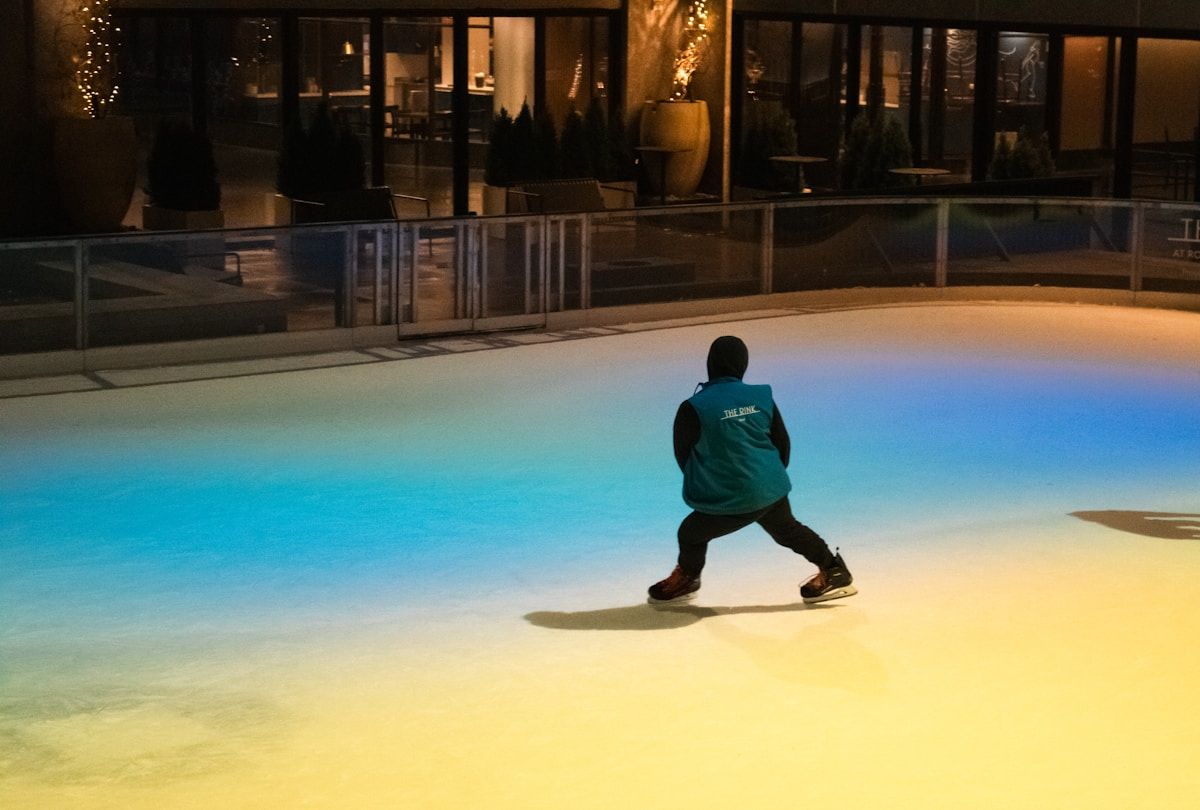
Yes, the Skateway typically operates until 10pm when open, with lighting along most sections. Night skating offers a magical experience with fewer crowds and illuminated landmarks. However, some lighting is limited in certain areas, so confident skating ability is recommended for evening sessions. Always check official closing times as they occasionally vary based on maintenance needs or weather conditions.
Q: Are there washroom facilities along the canal?
Full washroom facilities are available at Dow’s Lake Pavilion and the National Arts Centre. Mid-canal rest areas have very limited or no facilities. Plan your route accordingly, particularly when skating with children who may need frequent bathroom breaks. The distance between major facilities (approximately 4 kilometres) requires some planning for longer skating sessions.
Q: What if I get tired halfway through my skate?
You have several options if fatigue sets in mid-skate. Rest at the nearest warming hut until you recover enough energy to continue. Skate to the closest exit point and leave the ice (most bridges have access stairs). Remove your skates and walk along adjacent pathways to your starting point. The canal is not a closed loop—you can exit at multiple locations along the route rather than completing the full distance.
Final Thoughts
The Rideau Canal Skateway represents winter at its finest—a season that could be endured instead becomes something to celebrate. From your first tentative glides on rental skates to confidently skating the full 7.8 kilometres while munching a maple BeaverTail, this frozen highway transforms how you experience Ottawa and winter itself.
Whether you’re visiting for a weekend or lucky enough to call Ottawa home, the Skateway deserves multiple visits each season. Each session brings different conditions, crowds, and moments. Morning mist lifting off fresh ice, sunset painting the frozen surface gold, snow falling gently while you glide past Parliament Hill—these experiences accumulate into memories that define Canadian winters.
The 2025 season will bring its own character shaped by that winter’s unique weather patterns. Embrace the unpredictability, check conditions frequently, dress properly, and get out on the ice. Hundreds of thousands of skaters will join you in this tradition that connects generations of Ottawa residents and creates instant winter enthusiasts from first-time visitors.
Bundle up, lace those skates tight, and discover why this UNESCO World Heritage ice surface draws people from around the world every winter. The Rideau Canal Skateway awaits—7.8 kilometres of pure Canadian winter magic.
Sources: National Capital Commission Skateway, Ottawa Tourism, UNESCO World Heritage - Rideau Canal, BeaverTails