Whether you’re a complete beginner dreaming of scaling your first wall or an experienced climber seeking new challenges, Ottawa’s rock climbing scene offers something extraordinary for everyone.
Ottawa has quietly become one of Canada’s most exciting climbing destinations. With world-class indoor facilities just minutes from Parliament Hill, stunning outdoor crags within an hour’s drive, and a welcoming community that makes newcomers feel like family, the National Capital Region punches well above its weight in the climbing world. From the massive 35,000-square-foot Altitude Gym to hidden bouldering gems in Gatineau Park, this comprehensive guide covers everything you need to start your vertical adventure in Ottawa.
Key Highlights
TL;DR: Ottawa boasts excellent indoor climbing at Altitude Gym (best for beginners), Coyote Rock Gym (serious boulderers), and Klimat (modern bouldering). Outdoor climbing at Calabogie Peaks and Gatineau Park offers beautiful Canadian Shield rock within easy driving distance.
| Quick Facts | Details |
|---|---|
| Best Beginner Gym | Altitude Gym, Gatineau |
| Best Bouldering | Coyote Rock Gym, Ottawa |
| Day Pass Cost | $20-25 |
| Monthly Membership | $70-90 |
| Nearest Outdoor Climbing | Gatineau Park (30-45 min) |
| Best Outdoor Destination | Calabogie Peaks (1 hour) |
Why Ottawa is Perfect for Rock Climbing
Ottawa’s geographical position makes it uniquely suited for climbing enthusiasts. Straddling the Ottawa River between Ontario and Quebec, the region benefits from the ancient Canadian Shield geology that produces some of the finest granite and gneiss climbing in Eastern Canada. The city’s climbing community has grown exponentially over the past decade, transforming what was once a niche activity into a mainstream fitness pursuit.
The climate here also works in climbers’ favour. While outdoor climbing is primarily a spring-through-fall activity, the abundance of indoor facilities means you can train year-round. Many Ottawa climbers use the winter months to build strength and technique indoors, then take their improved skills to the crags when warmer weather returns.
Perhaps most importantly, the Ottawa climbing community has earned a reputation for being exceptionally welcoming. As one Reddit user put it: “Ottawa climbing community is super welcoming - just show up and ask.” This open-door mentality makes the transition from curious beginner to confident climber remarkably smooth.
Indoor Climbing Gyms in Ottawa
Ottawa’s indoor climbing scene has matured significantly, offering facilities that rival any major North American city. Whether you prefer rope climbing, bouldering, or a mix of both, you’ll find a gym that suits your style and skill level.
Altitude Gym - The Region’s Premier Facility
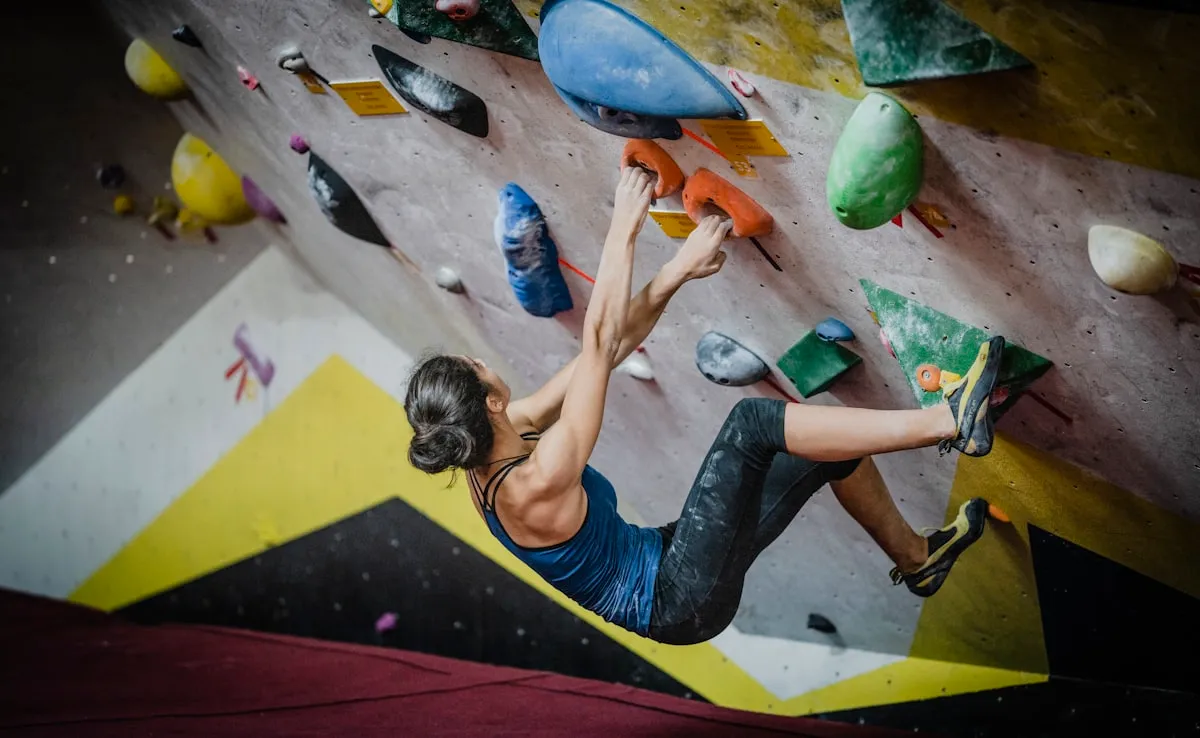
Located in Gatineau, just five minutes from downtown Ottawa, Altitude Gym stands as the undisputed champion of the region’s climbing scene. At 35,000 square feet, it’s not just the largest climbing facility in the National Capital Region - it’s one of the biggest in all of Eastern Canada.
What Makes Altitude Special:
Altitude offers the complete climbing experience under one roof. Their lead climbing walls reach impressive heights, providing that authentic outdoor climbing feel that serious climbers crave. The top-rope sections are perfect for those learning proper belay technique, while the extensive bouldering area lets you work on moves without worrying about rope management.
For solo climbers, Altitude’s auto-belay systems are a game-changer. These mechanical devices automatically take up slack as you climb and lower you safely if you fall, eliminating the need for a climbing partner. It’s an excellent option for those with unpredictable schedules or anyone wanting to squeeze in a quick session during lunch.
The gym’s beginner programs receive consistently high praise. Their introductory courses cover everything from proper footwork to belay certification, all taught by patient instructors who genuinely want you to succeed. As one community member noted: “Altitude has the best beginner programs” and “Start with a gym intro course - worth every dollar.”
Practical Information:
- Day pass: Approximately $22-25
- Monthly membership: Around $75-85
- Intro courses: $45-60 per session
- Full gear rental available
- Changerooms and showers on-site
- Café area for post-climb refuelling
The Verdict: If you’re new to climbing or want access to the widest variety of climbing styles, Altitude is your destination. The consensus among Ottawa climbers is clear: “Altitude is the best gym in the area, hands down.”
Coyote Rock Gym - Where Serious Boulderers Train
Nestled in Ottawa’s Hunt Club area, Coyote Rock Gym has carved out a distinct identity as the go-to destination for dedicated boulderers. While smaller than Altitude, what Coyote lacks in size it more than compensates for in quality and community.

The Bouldering Focus:
Bouldering - climbing shorter walls without ropes, protected by thick crash pads - has exploded in popularity over the past decade. It’s accessible, social, and provides an incredible workout in a fraction of the time rope climbing requires. Coyote Rock Gym has embraced this trend wholeheartedly.
The route setting at Coyote deserves special mention. The gym employs setters who genuinely care about creating interesting, challenging problems that push climbers to develop new skills. Routes are updated regularly, so repeat visitors always find fresh challenges waiting. This commitment to quality setting has earned the gym loyal followers who appreciate the creativity: “Coyote’s setting is creative - they change routes frequently.”
The Community Vibe:
What truly sets Coyote apart is its intimate atmosphere. The smaller space naturally encourages interaction between climbers, leading to spontaneous beta-sharing sessions (where climbers discuss how to complete routes) and lasting friendships. It’s the kind of place where regulars know each other’s names and celebrate each other’s sends.
For intermediate and advanced climbers looking to push their limits, Coyote provides the intensity and focus that larger, more generalist gyms sometimes lack. As the climbing community acknowledges: “Coyote is where the serious boulderers go.”
Practical Information:
- Day pass: Approximately $20-22
- Monthly membership: Around $70-80
- Bouldering shoes available for rent
- No ropes or harnesses needed (bouldering only)
- Smaller but dedicated training area
The Verdict: If bouldering is your passion or you’re drawn to a tight-knit climbing community, Coyote Rock Gym should be at the top of your list.
Klimat - Modern Bouldering Excellence
Klimat represents the newer generation of climbing gyms that have emerged to meet growing demand. Located in Gatineau, this bouldering-focused facility brings a fresh approach to the Ottawa climbing scene.
What Sets Klimat Apart:
As a purpose-built bouldering gym, Klimat benefits from modern design principles that maximize climbing surface while creating an aesthetically pleasing environment. The setting tends toward contemporary styles that reflect current competition climbing trends, making it an excellent choice for climbers interested in staying current with the broader bouldering world.
The gym attracts a slightly younger demographic and maintains a modern, somewhat hip atmosphere. For climbers who appreciate clean design, good coffee, and Instagram-worthy climbing aesthetics, Klimat delivers.
Practical Information:
- Bouldering-focused facility
- Modern amenities and design
- Regular route updates
- Located in Gatineau
The Verdict: Klimat is ideal for boulderers who appreciate contemporary gym design and want an alternative to the established options.
Outdoor Climbing Near Ottawa
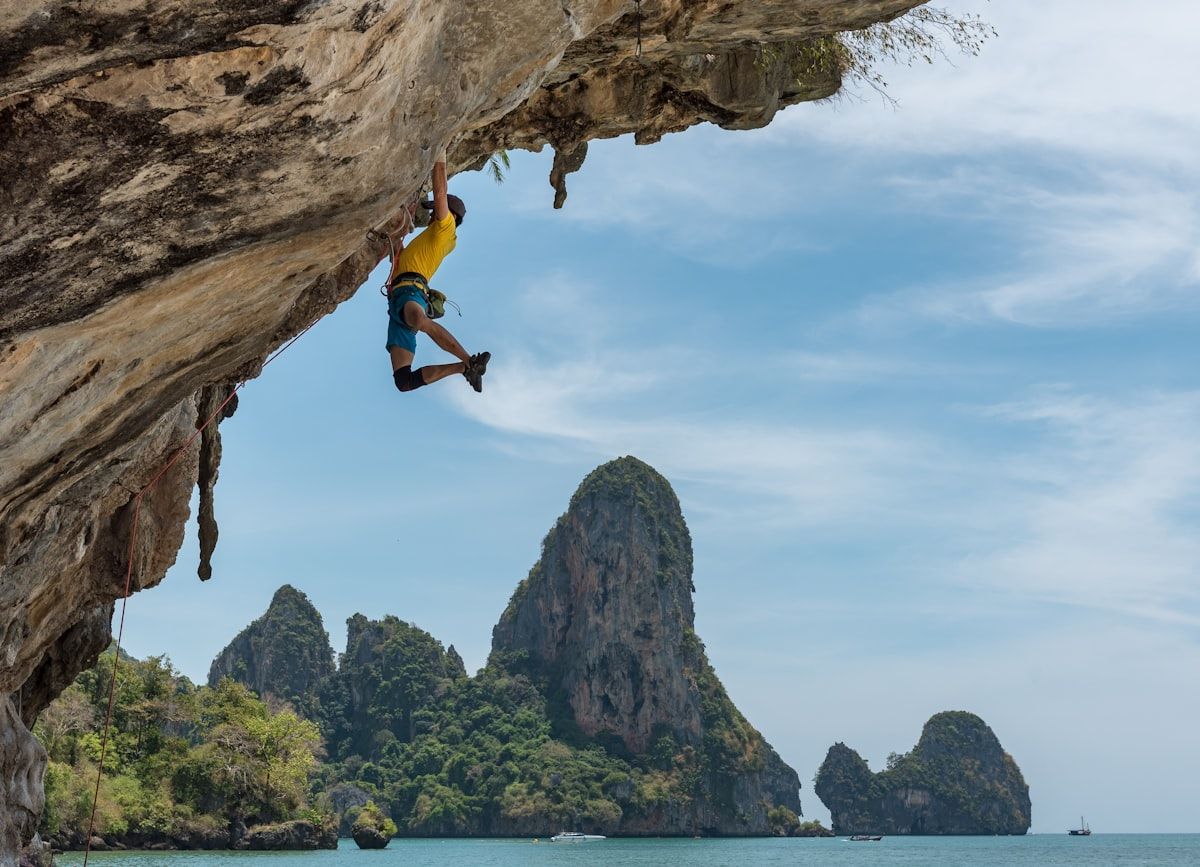
While indoor climbing provides convenient training opportunities, nothing compares to the experience of climbing real rock in natural settings. Fortunately, Ottawa’s location provides access to several excellent outdoor climbing destinations within reasonable driving distance.
Calabogie Peaks - The Premier Destination
Approximately one hour west of Ottawa, Calabogie Peaks offers the most developed outdoor climbing in the region. The area features multiple crags with routes spanning a wide range of difficulties, making it suitable for both beginners taking their first steps on real rock and experienced climbers seeking serious challenges.
The Rock:
Calabogie’s climbing takes place on beautiful Canadian Shield granite and gneiss, rock types known for their friction and featured surfaces. The natural cracks, edges, and faces create climbing that feels distinctly different from gym walls - more varied, more intuitive, and infinitely more rewarding.
What to Expect:
The area offers both sport climbing (routes protected by pre-placed bolts) and traditional climbing (where climbers place their own protection). Sport climbing is more accessible for those transitioning from indoor climbing, as the gear requirements are simpler and the experience more similar to gym climbing.
Multiple crags mean you can often find routes in the shade during hot summer days or chase the sun during cooler shoulder seasons. The variety also means groups with mixed ability levels can usually find suitable climbs for everyone.
Practical Considerations:
- Approximately 1 hour drive from downtown Ottawa
- Best season: Late spring through early fall
- Guidebook recommended for route information
- Bring your own gear or rent from Ottawa gyms
- Pack food, water, and sun protection
- Check weather conditions before heading out
The Verdict: For the full outdoor climbing experience near Ottawa, Calabogie Peaks is the destination. Plan a full day or weekend to make the most of the drive.
Gatineau Park and Lac Simon Area
For climbers seeking shorter trips, Gatineau Park and the Lac Simon area offer outdoor climbing options just 30-45 minutes from downtown Ottawa. While less developed than Calabogie, these areas provide accessible introductions to outdoor climbing.
Bouldering Opportunities:
The granite boulders scattered throughout these areas offer excellent bouldering problems for those comfortable with the unroped discipline. Bring crash pads (or plan to climb conservatively), scout your landings carefully, and enjoy the peaceful forest settings.
Sport Climbing:
Some sport climbing exists in these areas, though routes tend to be more scattered and less well-documented than at Calabogie. Local knowledge helps tremendously - consider connecting with experienced outdoor climbers through community groups before venturing out.
Nature First:
Remember that these climbing areas exist within protected natural spaces. Practice Leave No Trace principles, stay on established trails when approaching climbs, and treat the environment with respect. The climbing community’s access to these areas depends on responsible behaviour from all users.
Mont-Tremblant Region
For climbers willing to make a weekend of it, the Mont-Tremblant region (approximately two hours north) offers more developed climbing areas with greater route density. The extra drive time is rewarded with extensive climbing options and the opportunity to combine climbing with other outdoor activities the region offers.
Getting Started: A Beginner’s Guide to Rock Climbing
If you’ve never climbed before but feel drawn to the sport, Ottawa is an excellent place to begin your journey. The combination of quality facilities, professional instruction, and a supportive community creates ideal conditions for newcomers.

Your First Day at the Gym
Walking into a climbing gym for the first time can feel intimidating. Walls stretch toward the ceiling, experienced climbers move with seemingly impossible grace, and the terminology sounds like a foreign language. Take a breath - everyone started exactly where you are now.
What to Expect:
Most Ottawa climbing gyms offer day passes that include basic orientation and access to beginner-friendly areas. Staff will explain gym rules, point out appropriate routes for your level, and ensure you understand safety protocols. Don’t be afraid to ask questions - gym staff genuinely want you to have a positive first experience.
Bouldering vs. Rope Climbing:
For absolute beginners, bouldering often provides the gentlest introduction. Without ropes, harnesses, or belay partners to worry about, you can focus entirely on the fundamental challenge of moving up the wall. The short height of bouldering walls (typically 12-15 feet) means falls land on thick padding rather than requiring rope catches.
That said, many beginners prefer starting with top-rope climbing, where a rope runs through an anchor at the top of the wall. This system feels more secure and allows you to attempt higher routes from day one. Most gyms offer introductory belay courses that teach you to safely manage the rope for a climbing partner.
As experienced climbers often advise newcomers: “Bouldering is easier to start - no rope skills needed.”
Taking a Course
While you can certainly figure out climbing basics through trial and error, investing in professional instruction accelerates your progress dramatically. A quality introductory course covers:
- Proper footwork technique (hint: your legs do most of the work)
- Basic handholds and body positioning
- Belay certification (for rope climbing)
- Safety protocols and gym etiquette
- Reading routes and planning moves
Ottawa’s gyms offer intro courses ranging from $40-60, typically lasting 2-3 hours. This investment pays dividends in faster skill development and injury prevention. The community consensus supports this approach: “Start with a gym intro course - worth every dollar.”
Building Your Skills
Climbing rewards consistent practice more than raw athleticism. Visiting the gym 2-3 times per week allows your body to adapt to the unique demands of climbing while giving your skin time to toughen (yes, your fingers will get sore at first).
Focus on technique over strength in your early months. Watch experienced climbers and notice how they use their feet, position their bodies, and move efficiently. Many beginners make the mistake of relying too heavily on arm strength - the most elegant climbers let their legs do the heavy lifting.
Consider climbing with more experienced partners who can offer real-time feedback and beta (advice on how to complete routes). The Ottawa climbing community is notably welcoming to newcomers, so don’t hesitate to ask for tips.
Essential Climbing Gear
One of climbing’s appeals is its minimal gear requirements. Unlike many outdoor sports that demand significant equipment investments, you can start climbing with just a few key items.
What to Wear
Comfortable athletic clothing that allows full range of motion works perfectly for climbing. Avoid anything too loose that might snag on holds or obscure your view of your feet. Many climbers prefer fitted tops and flexible pants or shorts.
Leave jewellery at home - rings can cause serious finger injuries if caught on holds, and necklaces create strangulation hazards.
Climbing Shoes
The single most important piece of climbing equipment, climbing shoes feature sticky rubber soles that grip rock surfaces far better than regular athletic shoes. Their snug fit allows precise footwork on small holds.
For beginners, most gyms offer rental shoes for a few dollars per session. This approach lets you try climbing without committing to a purchase while you determine if the sport suits you.
When you’re ready to buy, expect to spend $80-150 for quality entry-level shoes. Visit a shop where staff can properly fit you - climbing shoes should be snug but not painfully tight. Your feet will thank you for taking time to find the right fit.
Beginner Shoe Tips:
- Choose neutral or slightly downturned shoes (aggressive shapes are for advanced climbers)
- Leather shoes stretch more than synthetic
- Buy shoes in the afternoon when feet are slightly swollen
- Many climbers size down from street shoes, but prioritise comfort as a beginner
Harnesses (For Rope Climbing)
If you plan to rope climb, you’ll need a harness that distributes force around your waist and legs during falls. Entry-level harnesses cost $50-80 and last for years with proper care.
Again, rental is an excellent option while you’re learning. Once you’ve committed to the sport, buying your own harness ensures consistent fit and allows you to climb anywhere.
Chalk and Chalk Bags
Climbers use magnesium carbonate chalk to keep hands dry and improve grip. While not strictly essential for beginners, a small chalk bag ($15-25) and bag of chalk ($5-10) make a noticeable difference, especially during longer sessions when hands get sweaty.
What the Gym Provides
All Ottawa climbing gyms rent harnesses, shoes, and belay devices. Chalk is often available for purchase. This means you can show up with nothing but gym clothes and try climbing without any equipment investment.
Connecting with Ottawa’s Climbing Community
Rock climbing is inherently social, and Ottawa’s climbing community actively welcomes newcomers. Connecting with other climbers accelerates your learning, provides belay partners, and opens doors to outdoor climbing opportunities.
Facebook Groups
The Ottawa Rock Climbers Facebook group serves as the primary hub for the local climbing community. Members post about outdoor trips, seek climbing partners, share beta for local routes, and discuss gym news. It’s an excellent resource for anyone looking to deepen their involvement in the sport.
As community members suggest: “Join the Ottawa Rock Climbers Facebook group for outdoor partners.”
Gym Communities
Regular gym visitors naturally form connections over time. You’ll start recognizing faces, sharing beta on challenging problems, and eventually find yourself with a network of climbing friends. Many climbers find their most lasting friendships through the sport.
Don’t hesitate to introduce yourself to other climbers working on the same routes. Asking for tips on a challenging move is a perfectly acceptable conversation starter - climbers love discussing beta.
Transitioning Outdoors
When you’re ready to try outdoor climbing, connecting with experienced outdoor climbers is essential. Outdoor climbing requires skills and judgment that indoor climbing doesn’t develop - reading weather, assessing rock quality, placing gear properly, and managing risks.
Many indoor climbers never transition outdoors, and that’s perfectly valid. But if the rocks call to you, seek mentorship from experienced outdoor climbers rather than venturing out alone. The Facebook group mentioned above is an excellent place to find potential mentors or guided group trips.
As the community notes: “The outdoor climbing near Ottawa is underrated.” With proper preparation and partners, you can discover why.
Safety Considerations
Climbing, while extremely rewarding, involves inherent risks. Understanding and respecting these risks allows you to enjoy the sport safely for decades.
Indoor Safety
Modern climbing gyms maintain rigorous safety standards, but accidents can still occur through user error. Always:
- Double-check your knot before climbing (and have your partner verify)
- Maintain proper belay attention at all times
- Stay aware of other climbers when bouldering to avoid collisions
- Fall properly - away from the wall, with bent knees ready to absorb impact
- Report any equipment concerns to staff immediately
Outdoor Safety
Outdoor climbing adds environmental variables that require additional knowledge and preparation:
- Check weather forecasts before heading out
- Tell someone your plans and expected return time
- Carry sufficient food, water, and emergency supplies
- Know your limits - retreat is always an option
- Never climb alone outdoors, especially on ropes
- Inspect anchors and gear before trusting them
When to Rest
Climbing places unique stresses on fingers, shoulders, and elbows. Overuse injuries plague eager newcomers who climb too frequently or ignore warning signs. Listen to your body, rest when sore, and understand that progress in climbing is measured in months and years rather than days.
FAQ
Q: I’m completely unfit - can I still try rock climbing?
Absolutely! Climbing builds its own unique fitness, and everyone starts somewhere. The easiest routes in gyms are designed to be accessible to complete beginners regardless of current fitness level. Many climbers started overweight, underweight, or completely out of shape. The sport has a remarkable way of motivating consistent exercise because the goals feel achievable and the progress is visible.
Q: Do I need a partner to go climbing?
Not necessarily. Bouldering requires no partner at all, and many gyms offer auto-belay systems that allow solo rope climbing. That said, having a climbing partner enhances the experience and opens up more options. Gyms are excellent places to meet potential partners, and the community is generally welcoming to those seeking climbing buddies.
Q: How much does it cost to start climbing regularly?
Initial costs are minimal if you use gym rental equipment - expect to pay $20-25 per visit including gear rental. Monthly memberships ($70-90) reduce per-visit costs significantly for regular climbers. Once you buy your own shoes ($80-150) and harness ($50-80), your ongoing costs drop to just membership and chalk.
Q: Is rock climbing dangerous?
Climbing involves risk, but modern gym climbing with proper technique is remarkably safe. Indoor bouldering and top-rope climbing, practiced correctly, result in very few serious injuries. The sport demands attention and respect for safety protocols, but countless people of all ages climb regularly without incident. Outdoor climbing adds variables that increase risk, which is why experience and education matter so much before venturing outside.
Q: How long until I’m ‘good’ at climbing?
Climbing grades are notoriously subjective, but most dedicated beginners can climb moderate routes (5.9-5.10a indoors) within 6-12 months of consistent practice. However, climbing is one of those rare sports where improvement continues for decades. Climbers in their 40s, 50s, and beyond regularly outperform younger counterparts through superior technique and experience. Focus on enjoying the journey rather than rushing toward arbitrary destinations.
Q: What’s the difference between bouldering and sport climbing?
Bouldering involves climbing shorter walls (typically 12-15 feet) without ropes, falling onto thick crash pads below. Sport climbing uses ropes and pre-placed protection on taller routes. Both develop overlapping but distinct skills. Many climbers enjoy both disciplines, while others specialise in one or the other.
Final Thoughts
Ottawa’s rock climbing scene offers everything a climber could want: world-class indoor facilities for year-round training, stunning outdoor climbing within an hour’s drive, and a welcoming community that makes newcomers feel immediately at home. Whether you’re seeking a new fitness challenge, an outdoor adventure hobby, or simply a different way to spend your weekends, climbing delivers rewards that extend far beyond physical exercise.
The vertical world teaches problem-solving, builds confidence, and creates lasting friendships. It connects you to landscapes in ways that hiking past them never can. And in Ottawa, you’re surrounded by people eager to share their passion for the sport.
So rent some shoes, tie in, and take your first steps up the wall. The climbing community is waiting to welcome you.
Sources: Ottawa climbing community forums, local gym information, Ontario climbing resources