Last Updated: December 26, 2025
While tourists crowd Parliament Hill’s sidewalks for selfies, Ottawa’s most breathtaking views hide in plain sight, waiting at secret lookouts where locals capture the capital’s true magnificence.
The National Capital Region offers photographers and nature lovers dozens of spectacular viewpoints that remain surprisingly unknown to casual visitors. From urban perches that frame Parliament’s gothic spires against fiery sunsets to wilderness summits revealing endless forested valleys, these secret spots deliver experiences that transform ordinary outings into memorable adventures. Whether you’re chasing the perfect golden hour shot, seeking sunrise solitude, or simply wanting to see Ottawa from perspectives most people never discover, this guide reveals the hidden viewpoints that local photographers guard jealously. The 2025 season brings optimal conditions to explore these locations, with improved trail access, extended seasonal hours, and that ever-present Ottawa magic that makes every view worth capturing.
Key Highlights
TL;DR: Discover 15+ secret viewpoints across Ottawa and Gatineau, from urban hidden gems like Nepean Point with the best Parliament view to wilderness lookouts in Gatineau Park. Most are free, accessible year-round, and offer dramatically different perspectives at sunrise versus sunset.
| Quick Facts | Details |
|---|---|
| 📍 Locations | 15+ viewpoints across Ottawa and Gatineau |
| 📷 Best For | Photography, sunset watching, nature lovers |
| 💰 Cost | Most free; Gatineau Park parking fees apply |
| ⏰ Golden Hours | Sunrise 6-7am, Sunset 8-9pm (summer) |
| 🚗 Getting There | Mix of urban walkable and car required |
Urban Hidden Gems: Parliament and City Views
The most dramatic Ottawa views often hide within the city itself, requiring nothing more than knowing where to stand and when to arrive. These urban viewpoints offer perspectives that transform familiar landmarks into extraordinary compositions.
Nepean Point: The Ultimate Parliament Panorama
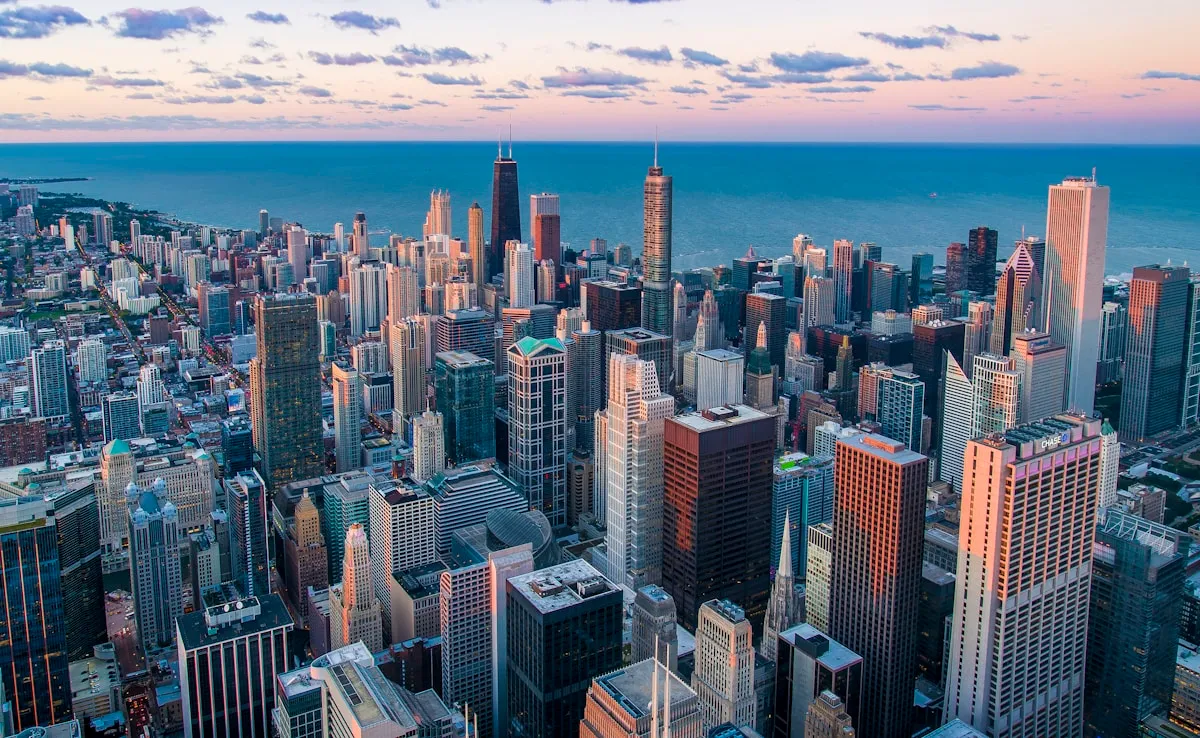
Tucked behind the National Gallery of Canada, Nepean Point remains Ottawa’s best-kept photography secret despite being steps from major tourist attractions. This elevated promontory delivers unobstructed Parliament Hill views that no other location can match, with the Peace Tower rising majestically against the sky while the Ottawa River sparkles below.
The viewpoint requires a brief uphill walk from the gallery’s rear entrance, following a path that winds through carefully maintained grounds. Most visitors to the National Gallery never discover this adjacent treasure, leaving the lookout remarkably uncrowded even during peak tourist season. The Astrolabe Theatre, an outdoor amphitheatre carved into the hillside, provides terraced viewing platforms perfect for tripod setups.
What makes Nepean Point exceptional is its angle on Parliament Hill. Unlike views from Major’s Hill Park or across the river in Gatineau, Nepean Point positions photographers to capture Parliament’s full breadth with the Library of Parliament’s dramatic cupola prominently featured. Morning light illuminates the buildings’ eastern facades, while evening sessions catch golden hour warmth reflecting off the Centre Block’s copper roofs.
Getting There: Walk behind the National Gallery of Canada on Sussex Drive. Free access 24 hours. Street parking available on nearby residential streets or use paid lots at the gallery.
Best Time: Sunrise for soft morning light on Parliament’s eastern facade. Sunset for dramatic skies behind the Peace Tower.
Photography Tips: Bring a wide-angle lens to capture the full Parliament panorama. The viewpoint works well for both horizontal landscapes and vertical compositions emphasizing the Peace Tower. Summer evenings offer the best sunset positioning.
Major’s Hill Park: Classic Skyline Perspectives
Major’s Hill Park provides Ottawa’s most accessible elevated viewpoint, with manicured grounds offering multiple angles on Parliament Hill, the Fairmont Chateau Laurier, and the Ottawa River locks. While more popular than Nepean Point, the park’s multiple viewing areas allow photographers to find uncrowded positions even during busy periods.
The park occupies high ground between the Rideau Canal locks and the National Gallery, creating a natural amphitheatre overlooking the heart of Ottawa. From the northern edge, views encompass the Alexandra Bridge’s dramatic steel arches, the Quebec shore’s forested bluffs, and Parliament Hill’s full western profile. The southern sections look directly across the canal locks toward the Chateau Laurier, capturing the iconic pairing of heritage hotel and waterway.
Spring brings tulips that frame the views with colour during the Canadian Tulip Festival. Summer offers lush greenery and extended evening light. Fall transforms the park’s mature trees into vibrant backdrops. Winter creates stark contrasts between snow-covered grounds and the gothic architecture beyond.
Getting There: Main entrance from Mackenzie Avenue near the Chateau Laurier. Free access year-round. Limited street parking; ByWard Market parkades within walking distance.
Best Time: Late afternoon through sunset for optimal Parliament lighting. Festival periods for added foreground interest.
Alexandra Bridge: The Photographer’s Crossing
The Alexandra Bridge connects Ottawa and Gatineau while offering one of the capital’s most unique photography positions. The pedestrian walkway along the bridge’s southern edge provides elevated perspectives on Parliament Hill that no stationary viewpoint can replicate.
Walking the bridge creates opportunities to compose Parliament against the rushing Ottawa River, with the buildings’ reflection shimmering in the water far below. The bridge’s steel structure frames views in ways that add industrial character to heritage architecture. This juxtaposition of Victorian gothic and early 20th-century engineering creates images distinctly different from typical postcard views.
Sunset shoots from the bridge position the sun behind Parliament, creating dramatic silhouette opportunities and rich sky colours that reflect in the river. The exposed position can be windy, making tripod use challenging during gusty conditions, but handheld shooting at higher ISOs captures the energy of the setting.
Getting There: Walk or cycle from either the Ottawa or Gatineau side. No vehicle stopping permitted on the bridge itself. Park at Major’s Hill Park or in Gatineau’s Jacques-Cartier Park.
Best Time: Sunset for silhouettes and dramatic skies. Midday for clear building details with the sun overhead.
Rideau Falls Viewpoint: Hidden Urban Waterfall
The Rideau Falls viewpoint in New Edinburgh offers a surprising dual waterfall view that most Ottawa residents have never seen. Where the Rideau River plunges over twin cataracts before joining the Ottawa River, a small park provides front-row access to natural power just minutes from downtown.
The falls divide around Green Island, creating parallel cascades that photographers can capture from multiple angles. The viewing platform positions visitors directly facing the falls, with spray reaching the viewpoint during spring high water. A walking path circles Green Island, offering side angles that reveal the falls’ impressive height and the gorge they’ve carved over millennia.
French Embassy grounds occupy the north bank, their elegant buildings adding European sophistication to compositions. The City of Ottawa water pumping station on the south side represents Victorian industrial architecture, creating unexpected subject variety within a compact area.
Getting There: From Sussex Drive, turn onto Stanley Avenue in New Edinburgh. Small parking lot at the falls viewpoint. Accessible by bus on routes serving Rideau Hall area.
Best Time: Spring for maximum water flow. Early morning for soft light without crowds. Autumn for surrounding foliage colour.
Gatineau Park Lookouts: Wilderness Panoramas
Gatineau Park’s 361 square kilometres of protected wilderness contain multiple summit viewpoints that reveal the Ottawa Valley’s grandeur from elevations impossible within the city. These lookouts require more effort to reach but reward visitors with truly spectacular perspectives.
Champlain Lookout: The Legendary View
Champlain Lookout stands as the most famous viewpoint in the National Capital Region, attracting thousands of visitors annually to its 335-meter elevation. The lookout delivers panoramic vistas stretching across the Ottawa Valley to the distant Laurentian Mountains, with the city skyline visible as a distant reminder of urban life.
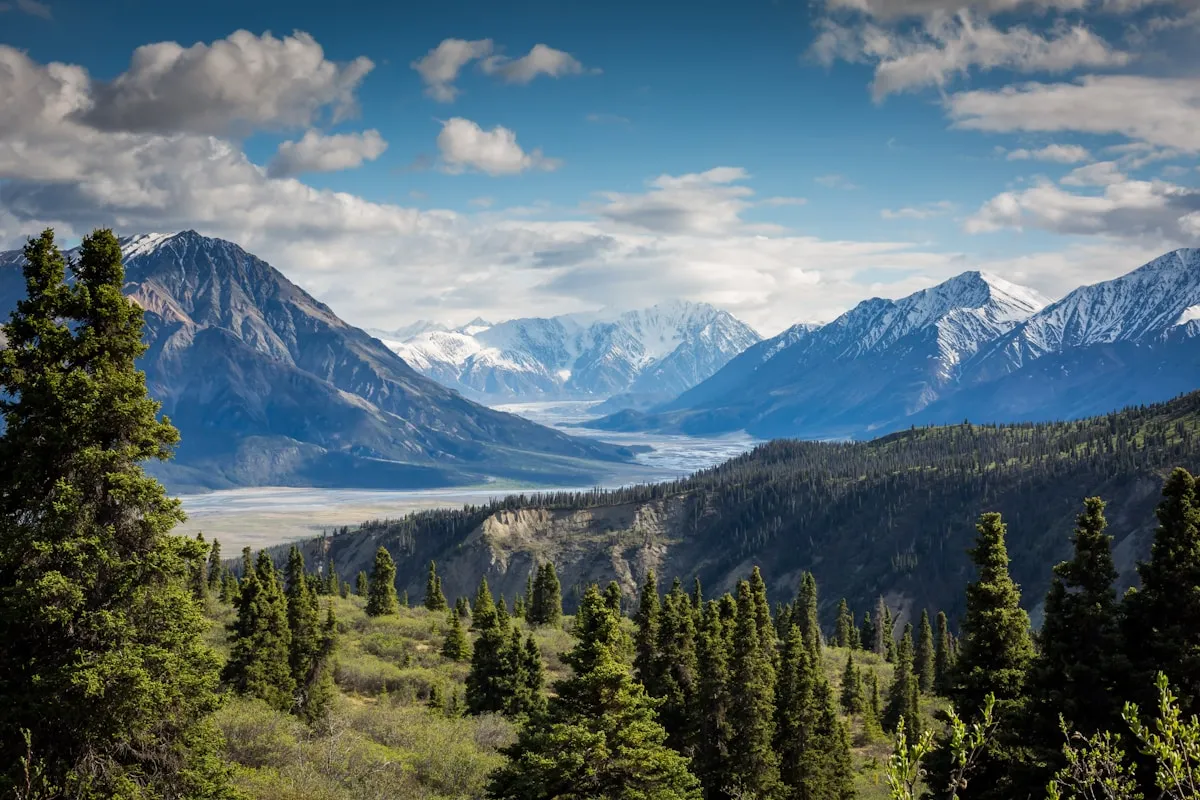
The viewpoint is accessible by car via the Champlain Parkway, with a parking lot and interpretive signage at the summit. The NCC maintains the viewing platform and surrounding areas, creating a comfortable experience for visitors of all mobility levels. During Fall Rhapsody in October, the lookout provides front-row seats to the valley’s spectacular colour transformation.
What many visitors miss are the trails extending from Champlain Lookout that access additional viewpoints along the Eardley Escarpment. The short walk to nearby rock outcroppings offers views without crowds and perspectives slightly different from the main platform. Serious photographers often leave the parking lot before dawn to capture sunrise illuminating the valley below.
Getting There: Follow Champlain Parkway from Chelsea to parking lot P12. Approximately 25 minutes from downtown Ottawa. Parking fees apply during peak season.
Best Time: Sunrise for dramatic valley lighting. Fall Rhapsody period (late September to mid-October) for peak colour.
Photography Tips: Arrive 30-45 minutes before sunrise to set up. The main platform faces east, making it ideal for sunrise shoots. Sunset works for silhouette shots but positions the sun behind you.
King Mountain Trail: The Rewarded Climb
King Mountain offers Gatineau Park’s most dramatic viewpoint for those willing to earn it. The 2.5-kilometre trail climbs steadily through mixed forest to a rocky summit that provides 180-degree views across the Ottawa Valley. Unlike Champlain Lookout, King Mountain requires genuine effort, filtering out casual visitors and creating opportunities for solitude even during busy periods.
The trail begins from parking lot P7 on the Gatineau Parkway, ascending through terrain that showcases the park’s geological diversity. Rocky outcroppings, old-growth sections, and diverse plant communities create interest throughout the climb. The final approach scrambles over exposed bedrock to the summit, where flat rock slabs provide natural platforms for photography and contemplation.
From King Mountain’s summit, the view encompasses downtown Ottawa, the Ottawa River’s serpentine course, and forested ridges extending to the horizon. The elevation exceeds Champlain Lookout, and the southwestern orientation makes it superior for sunset photography. Local photographers consider King Mountain the park’s finest viewpoint, worth the 45-minute climb.
Getting There: Park at lot P7 on Gatineau Parkway. Trail marked and maintained by NCC. Moderate difficulty with some steep sections.
Best Time: Late afternoon through sunset for optimal lighting. Clear days for maximum visibility. Avoid after rain when rocks become slippery.
Pink Lake Overlook: Unique Geological Views
Pink Lake presents one of Gatineau Park’s most scientifically significant features, a meromictic lake whose waters never fully mix between surface and depths. The designated overlook provides views across this unusual body of water, its striking colours created by bacteria thriving in oxygen-depleted lower layers.
Despite its name, Pink Lake actually displays rich shades of green and turquoise depending on lighting and seasonal conditions. The viewing platform positions photographers above the lake’s northern shore, with forested hillsides creating natural framing. The lake’s protected status prohibits swimming, boating, and shoreline access, preserving its pristine character.
The Pink Lake Trail creates a 2.5-kilometre loop around the entire lake, with multiple informal viewpoints offering perspectives beyond the main overlook. Early morning finds the lake mirror-still, reflecting surrounding forest with remarkable clarity. Autumn transforms the hillsides into brilliant colour that doubles in the lake’s reflection.
Getting There: Parking lot P13 on Gatineau Parkway. Short walk to main overlook; full loop trail requires 45-60 minutes.
Best Time: Early morning for reflection photography. Fall for peak colour. Overcast days minimize surface glare.
Luskville Falls: Valley Edge Vista
Luskville Falls offers a less-visited alternative to the park’s more famous lookouts, with a moderately challenging trail leading to both waterfall and escarpment viewpoints. Located on the park’s western edge, this area attracts fewer visitors while providing views distinct from the central lookouts.
The 5-kilometre return trail climbs through hardwood forest to reach the falls, where the Eardley Escarpment creates dramatic drops. Beyond the falls, the trail continues to viewpoints overlooking the Ottawa Valley’s agricultural lands and distant Ottawa skyline. The western position provides excellent afternoon and sunset lighting that the eastern lookouts cannot match.
Getting There: Luskville Falls parking on Chemin Eardley (Route 148). Approximately 30 minutes from downtown Ottawa. Trail requires moderate fitness.
Best Time: Afternoon through sunset. Spring for waterfall flow. Fall for forest colour.
River and Nature Viewpoints: Water and Sunset Magic
Ottawa’s rivers create natural corridors where sunset light transforms urban and natural landscapes into spectacular displays. These waterfront viewpoints offer some of the region’s finest sunset photography opportunities.
Bate Island: Ultimate Sunset Location
Bate Island provides Ottawa’s finest sunset viewpoint, where the island’s western shore faces directly into evening light painting the sky with colours reflected in the Ottawa River. This small island, connected to the mainland near Westboro Beach, remains surprisingly unknown despite offering world-class sunset experiences.
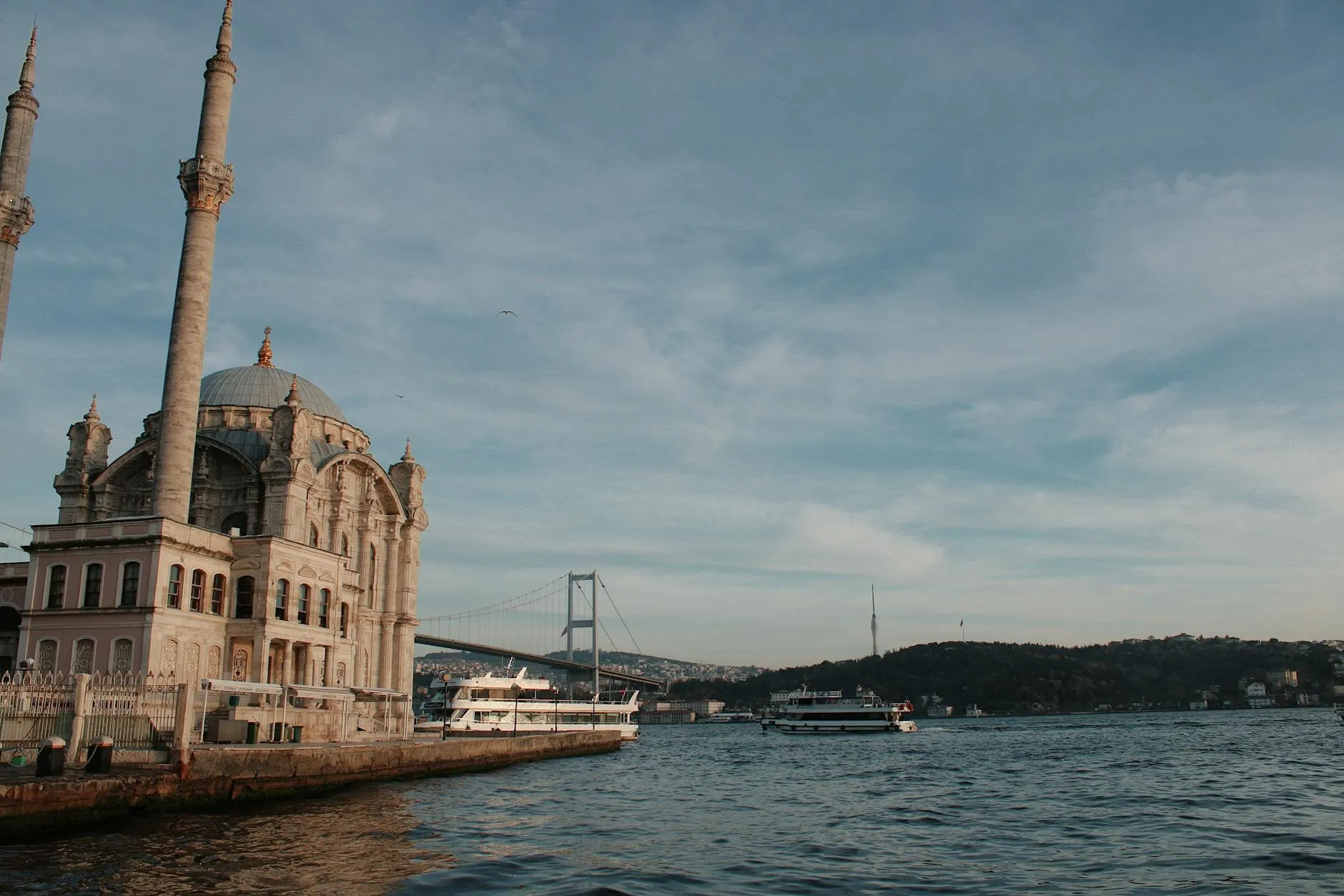
The island’s rocky western shore creates natural viewing platforms where photographers set up tripods to capture the sun descending behind the Gatineau Hills. The Ottawa River’s surface becomes a mirror reflecting sky colours, while nearby Remic Rapids add dynamic elements to compositions. On clear evenings, the colour show can last for an hour as twilight deepens.
Beyond sunset photography, Bate Island attracts kayakers, anglers, and cyclists exploring the connected pathway systems. The island’s central location provides quick access from downtown while delivering remarkably natural experiences. In summer, the surrounding waters come alive with paddlers, while winter brings ice fishing and cross-country skiing on frozen channels.
Getting There: Access from Sir John A. Macdonald Parkway near Westboro Beach. Parking along the parkway or at nearby Westboro Beach lot.
Best Time: Sunset on clear evenings. Check sunset times seasonally. Summer offers latest sunsets around 9 PM.
Photography Tips: Arrive 30 minutes before sunset to scout positions. The rocky shore provides multiple levels for different compositions. Wide-angle captures the full sky; telephoto compresses the Gatineau Hills silhouette.
Rockcliffe Lookout: Ottawa River Panorama
Rockcliffe Lookout delivers sweeping views across the Ottawa River from a historic stone terrace in Rockcliffe Park. This elegant viewpoint combines natural scenery with architectural heritage, creating a refined setting for river observation and photography.
The lookout occupies high ground overlooking the river’s widening where it flows past the Aviation and Space Museum and toward the Gatineau shore. Mature trees frame views while providing shade during summer visits. The stone terrace and low walls suggest a bygone era when Rockcliffe’s wealthy residents created this amenity for their exclusive neighbourhood.
Spring migration brings waterfowl and raptors that photographers capture from the lookout’s elevated position. Summer offers pleasure boats and kayakers adding human elements to the natural scene. Fall transforms the Gatineau Hills backdrop into colour that reflects in the river’s surface.
Getting There: Rockcliffe Park, accessed via Rockcliffe Parkway. Limited parking along nearby streets.
Best Time: Morning for eastern light. Migration periods for wildlife. Fall for colour.
Andrew Haydon Park: Western River Sunsets
Andrew Haydon Park occupies the Ottawa River’s southern shore in the city’s west end, creating another excellent sunset viewpoint accessible to those who cannot reach Bate Island. The park’s open lawns and waterfront paths provide unobstructed western views where the river stretches toward the horizon.
The park’s substantial size reduces crowding, with multiple positions along the waterfront offering slightly different sunset perspectives. Picnic shelters and benches create comfortable viewing spots for those preferring to watch rather than photograph. The marina adds boats to summer compositions, while geese and other waterfowl create foreground interest year-round.
Getting There: Carling Avenue west of Moodie Drive. Large parking lot with easy access.
Best Time: Sunset, particularly in summer when the sun sets northwestward over the river.
Strathcona Park: City Skyline Reflections
Strathcona Park in Sandy Hill provides a unique perspective on downtown Ottawa, with the Rideau River’s calm waters reflecting the city skyline in morning light. This residential neighbourhood park offers intimate views that contrast with the grandeur of more famous lookouts.
The park’s riverside paths wind through wooded sections before emerging at open areas with city views. Early morning photographers capture dawn light on the skyline with perfect reflections in the still river. The University of Ottawa’s towers and downtown buildings create a recognizable Ottawa composition from an unusual angle.
Getting There: Range Road in Sandy Hill. Street parking available.
Best Time: Early morning for calm water reflections. Fall for surrounding foliage.
Seasonal Photography Strategies
Each season transforms Ottawa’s viewpoints into dramatically different experiences, with lighting, foliage, and atmospheric conditions creating unique opportunities throughout the year.
Fall Colours: Peak Viewing Locations
Autumn delivers Ottawa’s most spectacular photography conditions, with forests blazing in reds, oranges, and golds that attract photographers from across the country. The best fall colour viewpoints combine elevation with mixed forest compositions.
Champlain Lookout and King Mountain provide the most dramatic fall panoramas, with the Ottawa Valley’s endless forest canopy transforming into a tapestry of colour. Peak colour typically occurs during the first two weeks of October, though weather variations can shift timing by one to two weeks. The NCC provides real-time colour reports throughout the Fall Rhapsody period.
Pink Lake’s surrounding slopes display exceptional colour reflected in the lake’s unique waters. The combination of autumn foliage with the lake’s otherworldly colours creates compositions impossible elsewhere. Nepean Point and Major’s Hill Park add urban colour, with their mature trees framing Parliament views in autumn warmth.
Winter Sunrise: Dramatic Dawn Light
Winter sunrise photography rewards those willing to brave cold temperatures with dramatically coloured skies and snow-covered landscapes that simplify compositions. The sun’s low angle creates long shadows and warm light that contrasts with blue-tinted snow.
Nepean Point and Major’s Hill Park remain accessible throughout winter, offering Parliament views enhanced by fresh snow and warm sunrise light. The shorter days mean sunrise occurs at more reasonable hours, making early morning shoots more practical than summer’s 5 AM dawns.
Gatineau Park’s lookouts remain accessible via the parkways during clear conditions, though snowfall can temporarily close routes. Check road conditions before attempting winter summit photography. The extra effort rewards with crowd-free viewpoints and pristine snow-covered landscapes.
Summer Sunset: Extended Golden Hours
Summer provides the longest sunset sessions, with golden hour extending for an hour or more as the sun slowly descends toward the northwestern horizon. The late timing, with sunsets around 9 PM in June, allows photographers to enjoy normal schedules while still capturing spectacular evening light.
Bate Island and Andrew Haydon Park maximize summer’s northwestern sunset position, with the sun setting directly over water for extended colour shows. The warmth and long days encourage extended sessions, with twilight lasting until 10 PM or later on the longest days.
FAQ
Q: Which viewpoint offers the best Parliament Hill photography?
Nepean Point behind the National Gallery delivers the most dramatic Parliament views, with unobstructed sightlines and an elevated position that captures the full breadth of the gothic architecture. The location receives far fewer visitors than Major’s Hill Park while offering superior angles. Arrive before sunrise for the best light on Parliament’s eastern facade, or during sunset for dramatic sky colours behind the Peace Tower.
Q: Are Gatineau Park lookouts accessible year-round?
Champlain Lookout and the park’s primary viewpoints remain accessible throughout the year, though seasonal conditions affect access methods. The parkways close for vehicle traffic during winter but remain open for cross-country skiing. Pink Lake and King Mountain trails are hikeable year-round with appropriate footwear, though snow and ice add challenge during winter months. Check NCC updates for current conditions before visiting during shoulder seasons.
Q: What camera gear works best for Ottawa viewpoint photography?
A versatile kit includes a wide-angle lens (16-35mm equivalent) for sweeping panoramas, a standard zoom (24-70mm) for general compositions, and a telephoto (70-200mm) for compressed perspectives and detail shots. A sturdy tripod proves essential for sunrise and sunset shoots when low light requires longer exposures. Polarizing filters enhance sky colours and reduce reflections on water. Winter photographers should bring extra batteries and protect equipment from cold and moisture.
Q: Which locations work best for sunset photography?
Bate Island offers Ottawa’s finest sunset photography position, with the western shore facing directly into evening light over the Ottawa River. Andrew Haydon Park provides an accessible alternative in the west end. King Mountain in Gatineau Park delivers wilderness sunset views from an elevated position. Alexandra Bridge creates unique opportunities for sunset silhouettes of Parliament Hill. Each location offers distinct compositions depending on your preferred style and subject matter.
Q: How early should I arrive for sunrise photography?
Arrive 30-45 minutes before sunrise to set up equipment, scout compositions, and capture the pre-dawn colour that often rivals the sunrise itself. Urban locations like Nepean Point and Major’s Hill Park remain accessible at any hour. Gatineau Park viewpoints require accounting for driving time from Ottawa plus any hiking required to reach summit positions. During fall colour season, arriving extra early ensures parking availability at popular locations.
Final Thoughts
Ottawa’s secret viewpoints reveal a capital city far more photogenic than most visitors realize. While Parliament Hill’s front lawn draws crowds for predictable snapshots, these hidden lookouts offer perspectives that transform the familiar into the extraordinary. From Nepean Point’s commanding Parliament panorama to Champlain Lookout’s wilderness grandeur and Bate Island’s legendary sunsets, these locations deliver experiences that create lasting memories and remarkable images.
The diversity of viewpoints across the region means every photographer can find locations matching their interests and abilities. Urban viewpoints require nothing more than knowing where to stand. Gatineau Park summits reward physical effort with solitude and spectacular vistas. Waterfront locations capitalize on Ottawa’s rivers to create reflection opportunities impossible elsewhere.
Understanding seasonal variations maximizes each viewpoint’s potential. Fall colour transforms the Gatineau Hills into a painter’s palette visible from every elevated position. Winter sunrise paints snow-covered landscapes in warm light. Summer’s extended golden hours allow leisurely sunset sessions at riverside locations. Each season brings unique opportunities worth pursuing.
The best photographs often come from returning to favourite locations under different conditions, learning how light and weather transform familiar views into fresh compositions. These secret viewpoints reward repeated visits with new discoveries, deeper understanding of local conditions, and the satisfaction of capturing Ottawa’s beauty from perspectives most people never see.
Whether you’re a serious photographer building a portfolio or simply someone who appreciates beautiful views, Ottawa’s hidden lookouts offer experiences worth seeking. Pack your camera, check the weather, and discover why locals treasure these secret spots that reveal the capital’s true magnificence.
Source: National Capital Commission, Gatineau Park Visitor Information, City of Ottawa Parks