
Last Updated: December 26, 2025
Living in Ottawa means sharing our neighbourhoods with wildlife—and knowing how to coexist safely could prevent a dangerous encounter.
Ottawa residents are increasingly reporting wildlife sightings in suburban and urban areas. From coyotes spotted in Kanata and Barrhaven to black bears wandering through Gatineau Park trails, understanding animal behavior and knowing proper safety protocols has become essential for every resident. Whether you are walking your dog at dusk, hiking with family, or simply enjoying your backyard, this comprehensive guide will help you navigate wildlife encounters safely and responsibly throughout the National Capital Region.
Key Highlights
TL;DR: Ottawa is home to coyotes, black bears, deer, raccoons, and Canada geese. Stay calm during encounters, make yourself large, back away slowly, and never run. Secure garbage, supervise pets, and call 311 for non-emergency wildlife issues or 911 for aggressive animals.
| Quick Facts | Details |
|---|---|
| Most Common Urban Wildlife | Coyotes, raccoons, skunks, Canada geese |
| Peak Activity Times | Dawn and dusk (crepuscular animals) |
| Bear Season | April through November |
| Emergency Line | 911 for aggressive wildlife |
| Non-Emergency | 311 (City of Ottawa) |
| Provincial Hotline | 1-866-514-2327 (Ontario Ministry) |
Common Wildlife in the Ottawa Area
Ottawa’s unique position between urban development and vast natural spaces creates an environment where wildlife regularly crosses into human territory. The Greenbelt, Gatineau Park, and numerous river corridors provide habitat that extends directly into residential neighbourhoods.
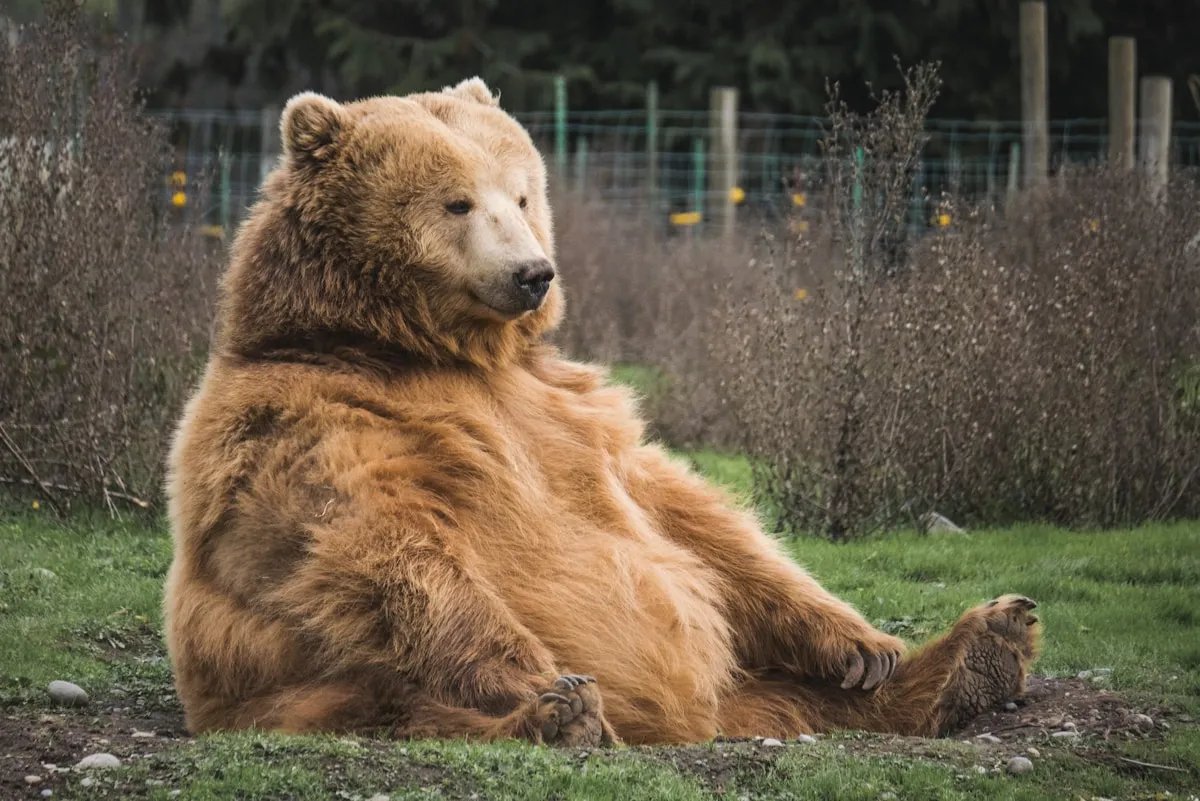
The most frequently encountered species include eastern coyotes, white-tailed deer, black bears (particularly near Gatineau Park), raccoons, skunks, and Canada geese. Each animal presents different challenges and requires specific safety approaches.
Coyote Safety in Urban Ottawa
Coyotes have become increasingly visible throughout Ottawa, with sightings reported in nearly every neighbourhood from Orleans to Kanata. These adaptable predators have learned to thrive in urban environments, feeding on rodents, rabbits, fruit, and unfortunately, sometimes small pets.
How to Stay Safe Around Coyotes:
- Never feed coyotes or leave food sources accessible
- Keep cats indoors, especially at dawn and dusk
- Walk dogs on leashes and carry a noise maker
- If approached, make yourself large, wave arms, and yell
- Throw small objects near (not at) the coyote to scare it away
- Never turn your back or run—this triggers chase instinct
Coyotes are most active during their mating season from January through March and when raising pups from April through August. Report aggressive coyotes to 311 immediately.
Black Bear Encounters and Prevention
Black bears are common in Gatineau Park and occasionally wander into suburban areas of Ottawa, particularly neighbourhoods bordering the Greenbelt or near forested corridors. Bears are attracted to easy food sources including bird feeders, garbage, compost, and barbecue grills.
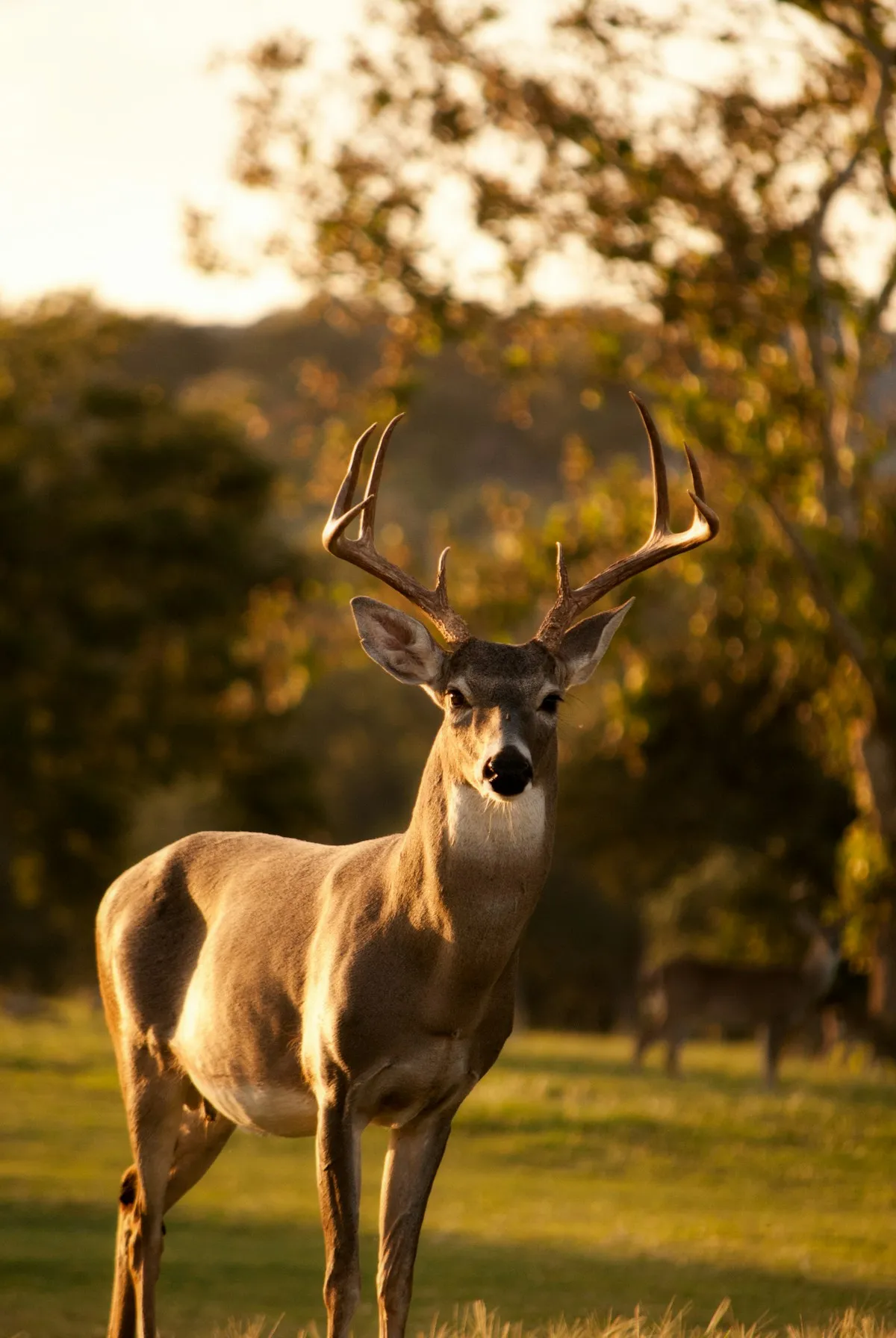
Bear Safety Essentials:
- Remove bird feeders from April through November
- Store garbage in bear-resistant containers or indoors until collection day
- Clean barbecue grills after each use
- Never approach a bear or attempt to feed it
- If you encounter a bear, speak calmly, back away slowly, and give it an escape route
- Do not run, climb trees, or play dead with black bears
- Make noise while hiking to alert bears of your presence
If a black bear enters your property, make loud noises from a safe distance. If the bear refuses to leave or shows aggressive behavior, call 911.
White-Tailed Deer and Road Safety
White-tailed deer pose one of the most significant wildlife hazards in Ottawa—not through direct aggression but through vehicle collisions. The Ottawa area experiences hundreds of deer-vehicle accidents annually, with peak danger during the fall rut from October through December.
Driving Tips for Deer Country:
- Slow down in areas with deer crossing signs
- Be especially vigilant at dawn and dusk
- If you see one deer, expect more—they travel in groups
- Use high beams when possible to spot deer earlier
- If collision is unavoidable, brake firmly but do not swerve
- Report deer strikes to police for insurance purposes
The City of Ottawa maintains deer crossing signs in high-risk areas including portions of the Aviation Parkway, Hunt Club Road, and rural roads near the Greenbelt.
Urban Wildlife: Raccoons, Skunks, and More
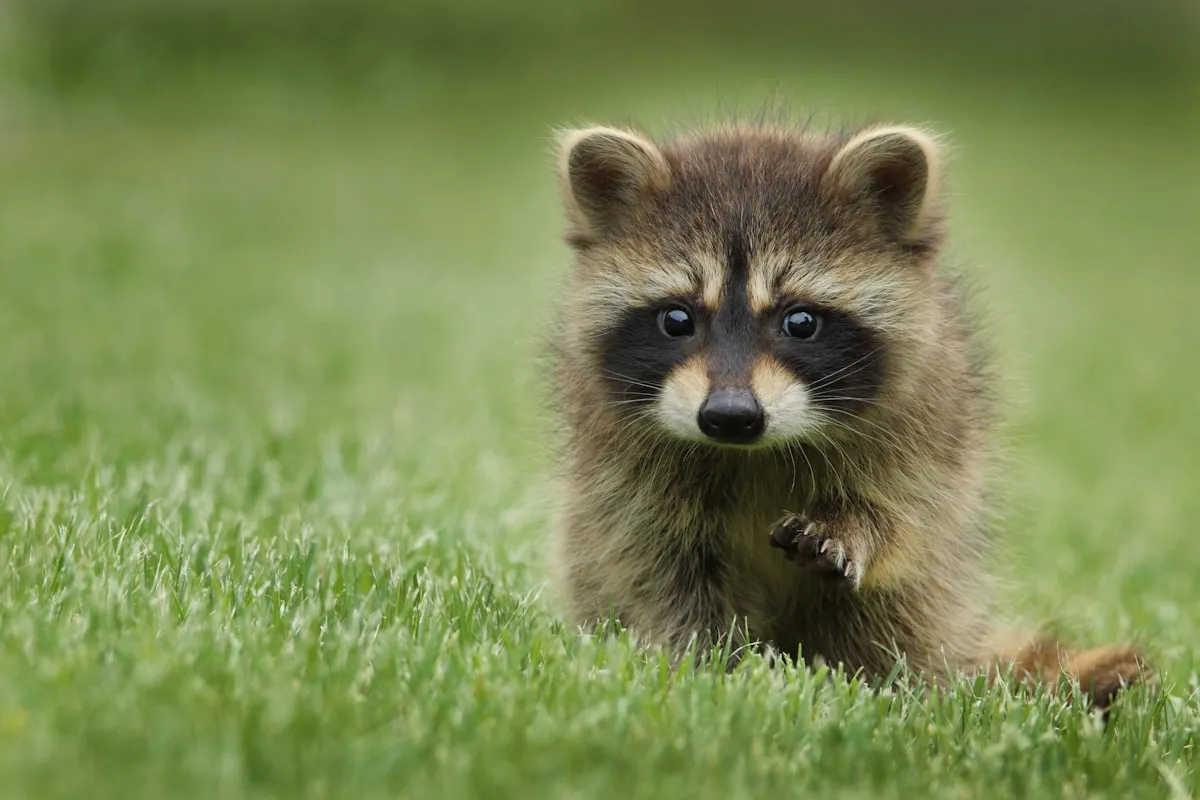
Raccoons and skunks are among Ottawa’s most common urban wildlife, found in virtually every neighbourhood. While generally not aggressive, these animals can carry rabies and should never be approached or cornered.
Managing Urban Wildlife:
- Secure garbage lids with bungee cords or use wildlife-resistant bins
- Seal entry points to sheds, decks, and attics
- Remove fallen fruit from yards
- Do not leave pet food outdoors overnight
- Install motion-activated lights to deter nocturnal visitors
If you encounter a raccoon or skunk acting strangely during daytime—appearing disoriented, aggressive, or unafraid of humans—maintain distance and report it to 311 immediately, as this may indicate rabies.
Canada Geese: Aggressive During Nesting Season
Canada geese are ubiquitous in Ottawa parks, golf courses, and waterfront areas. While typically not dangerous, geese become highly territorial and aggressive from April through June when protecting nests and goslings.
Staying Safe Around Geese:
- Give nesting geese wide berth—at least 15 metres
- Do not feed geese as this increases aggressive behavior
- If a goose approaches aggressively, maintain eye contact and back away slowly
- Never turn and run, which may trigger pursuit
- Protect children and small pets in areas with nesting geese
Geese can inflict painful injuries with their wings and beaks. Parks Canada and the City of Ottawa manage goose populations in high-traffic areas, but residents should remain vigilant during nesting season.
Protecting Pets and Children
Small pets and young children require additional consideration in areas with wildlife activity.
Pet Protection Strategies:
- Keep cats indoors or in enclosed outdoor spaces
- Walk dogs on leashes, especially at dawn and dusk
- Avoid retractable leashes in wildlife areas
- Consider coyote vests for small dogs in high-risk areas
- Supervise pets in fenced yards—coyotes can jump six-foot fences
Child Safety Measures:
- Teach children to never approach or feed wildlife
- Supervise outdoor play during peak wildlife hours
- Educate children on what to do if they encounter an animal
- Create a family plan for wildlife encounters
Who to Call for Wildlife Emergencies
Knowing the right contact for different situations ensures appropriate response:
- 911: Aggressive wildlife, animals attacking people or pets, injured animals on roadways
- 311 (City of Ottawa): Non-emergency wildlife concerns, animals in unexpected locations, dead animal removal
- Ontario Ministry of Natural Resources: 1-866-514-2327 for bear sightings and conflicts
- Rideau Valley Wildlife Sanctuary: 613-258-9480 for injured wildlife rehabilitation
- Ottawa Humane Society: 613-725-3166 for domestic animal emergencies
Seasonal Wildlife Activity Guide
Wildlife behavior changes throughout the year:
- Spring (March-May): Bears emerge from hibernation; geese nesting and aggressive; coyotes raising pups
- Summer (June-August): Peak wildlife activity; young animals learning to forage; increased human-wildlife interaction
- Fall (September-November): Deer rut increases road hazards; bears hyperphagia (eating heavily before hibernation)
- Winter (December-February): Reduced activity for most species; coyote mating season begins in January
FAQ
Q: What should I do if a coyote follows me?
Stop, face the animal, and make yourself appear large by raising your arms. Shout loudly and throw small objects toward (not at) the coyote. Back away slowly while maintaining eye contact. Never run, as this triggers chase instinct. Most coyotes will retreat when confronted assertively.
Q: Are Ottawa’s black bears dangerous?
Black bears in the Ottawa-Gatineau region are generally not aggressive toward humans. Most encounters occur when bears seek food. However, any bear should be treated with caution. Never approach, corner, or get between a mother and cubs. Making noise and giving bears space prevents most conflicts.
Q: Can coyotes jump my backyard fence?
Yes. Coyotes can easily scale fences up to six feet and sometimes higher. To protect pets, supervise outdoor time, install coyote rollers on fence tops, or build enclosed outdoor spaces. Never leave small pets unattended in yards, especially at dawn and dusk.
Q: When are deer most dangerous on roads?
Deer-vehicle collisions peak during the fall mating season (October through December) and are most common at dawn and dusk. The months of October and November see the highest number of collisions in the Ottawa area. Slow down in posted deer crossing zones year-round.
Q: Should I report every wildlife sighting to the city?
No. Routine sightings of healthy wildlife behaving normally do not require reporting. Report animals that appear sick or injured, behave aggressively, or are in unusual locations (inside buildings, trapped). Report all bear sightings in urban areas to help track their movements.
Final Thoughts
Coexisting with wildlife is part of life in Ottawa, and most encounters end safely when people remain calm and follow proper protocols. The key principles remain consistent: never feed wildlife, secure attractants like garbage and pet food, supervise pets and children, and know who to call in emergencies. By respecting wildlife boundaries and understanding animal behavior, Ottawa residents can enjoy the natural beauty of the National Capital Region while keeping their families safe.
Source: City of Ottawa Wildlife Resources, Ontario Ministry of Natural Resources, Parks Canada