
Last Updated: December 22, 2025
Ottawa’s top winter activities include skating on the UNESCO-listed Rideau Canal Skateway, skiing at Camp Fortune, exploring 200+ km of cross-country ski trails in Gatineau Park, and celebrating at Winterlude Festival (February 7-17, 2025).
Winter in Ottawa 2025 promises an exceptional lineup of frozen adventures, cultural celebrations, and unique experiences that embrace the season. From the world-famous Rideau Canal Skateway to pristine wilderness trails in Gatineau Park, the National Capital Region delivers unforgettable winter memories. Check Ottawa Tourism’s winter guide for current conditions and events.
Key Highlights
TL;DR: Ottawa offers diverse winter activities from iconic ice skating and Winterlude Festival to skiing at Camp Fortune, snowshoeing in Gatineau Park, ice fishing, fat biking, and world-class museums. The 2025 winter season runs December through March with peak activities during Winterlude (February 7-17, 2025).
| Quick Facts | Details |
|---|---|
| 📅 Winter Season | December 2024 - March 2025 |
| 🎉 Winterlude Festival | February 7-17, 2025 |
| 🎿 Ski Season | December - April |
| ❄️ Average Temperature | -6°C to -15°C (Jan-Feb) |
| 💰 Many Activities | Free or under $50 |
| 🚗 Best Base | Downtown Ottawa or Gatineau |
Rideau Canal Skateway: The World’s Largest Skating Rink
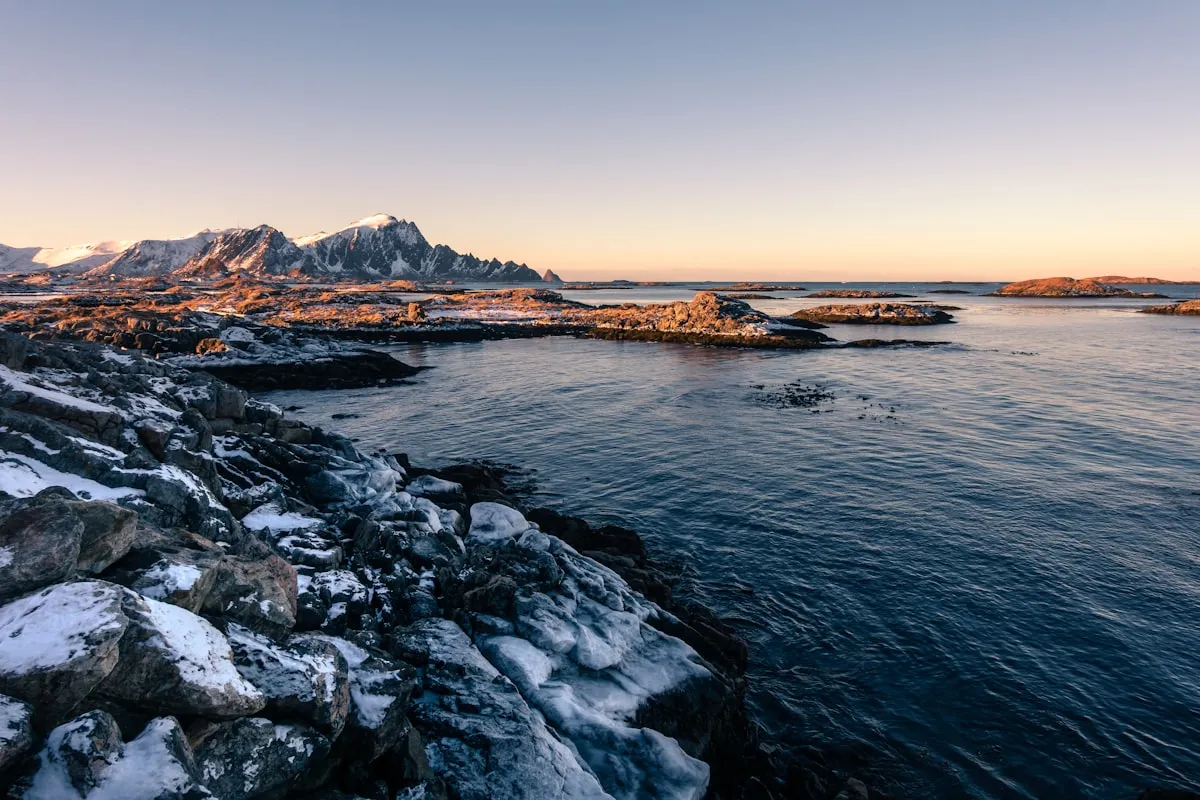
The UNESCO World Heritage Rideau Canal Skateway stands as Ottawa’s most iconic winter attraction, stretching 7.8 kilometres through the heart of downtown. This naturally frozen skating surface transforms the historic waterway into the world’s largest skating rink when conditions permit.
Season Status and Climate Considerations
The 2024-2025 winter season has highlighted the challenges climate change poses to this beloved tradition. The Rideau Canal Skateway did not open for the second consecutive year due to warmer-than-average temperatures preventing safe ice formation. The National Capital Commission (NCC) requires consistent cold weather to achieve the minimum ice thickness of 30 centimeters for public safety.
Despite recent closures, the NCC continues monitoring conditions throughout winter. When open, the skateway typically operates from January through early March, offering free access to one of Canada’s most unique outdoor experiences.
Making the Most of Skating Season
When conditions allow opening, the Rideau Canal Skateway operates daily with varying hours based on ice quality and weather. The NCC maintains the ice surface, clears snow after storms, and provides regular condition updates through their website and mobile app.
Skate rentals are available at multiple locations along the canal, including Dow’s Lake Pavilion and Fifth Avenue Court. Prices range from $20-30 for a full-day rental. Bring your own skates if possible to avoid weekend lineups.
The skating experience extends beyond simple gliding on ice. Warming huts dot the route every few hundred meters, offering respite from the cold. Food vendors sell Canadian classics like BeaverTails pastries and hot chocolate. Many locals incorporate skating into their commute, travelling from Dow’s Lake to downtown offices during the morning rush.
Pro tip: Visit on weekday mornings for the smoothest ice and smallest crowds. The NCC’s overnight maintenance crews resurface sections each night, creating pristine conditions before weekend crowds arrive.
Winterlude Festival: Canada’s Premier Winter Celebration
Winterlude 2025 runs from February 7-17, spanning three consecutive weekends and offering the region’s most comprehensive winter programming. This free festival celebrates Canadian winter culture through ice sculptures, snow activities, live entertainment, and culinary experiences across multiple venues.
Main Festival Venues
Confederation Park serves as Winterlude’s soul, hosting the International Ice Carving Competition. Master sculptors from around the world transform massive ice blocks into breathtaking artworks. The Crystal Garden display features illuminated sculptures creating a magical atmosphere for evening visits.
Snowflake Kingdom at Jacques-Cartier Park in Gatineau offers the festival’s most family-friendly programming. Giant snow slides provide thrills for all ages, while snow sculpture displays showcase creative winter artistry. The site includes heated pavilions, food vendors, and interactive activities designed for children.
Sparks Street transforms Ottawa’s historic pedestrian mall into a winter playground featuring ice bars, live performances, local artisans, and regional food vendors. Evening programming includes fire performers, musicians, and special themed weekends.
Festival Highlights and Activities
The festival’s signature attraction remains the Rideau Canal Skateway, though weather conditions determine availability. When open, special Winterlude programming includes skating parties, marriage proposals on ice, and the popular “Longest Skating Rink in the World” certificate presentations.
Culinary experiences define much of Winterlude’s appeal. Maple taffy stations demonstrate the traditional sugar shack process of pouring hot maple syrup onto snow, creating sweet frozen treats. BeaverTails pastries—Ottawa’s signature fried dough topped with cinnamon sugar, chocolate, or other flavours—become irresistible in cold winter air.
Evening entertainment features outdoor concerts, cultural performances, and spectacular fireworks displays. The 2025 programming emphasizes Indigenous culture with storytelling, traditional crafts, and contemporary Indigenous artists showcasing their work.
Planning Your Winterlude Visit
Most festival activities operate from 10 AM onwards, with evening programming extending until 9-10 PM on weekends. Weekdays see significantly smaller crowds while maintaining full programming at major venues.
Dress in layers with quality winter gear. Temperatures during February average -10°C to -15°C, though wind chill can make it feel much colder. Hand and foot warmers provide extra comfort during extended outdoor exploration.
Public transit offers the easiest access to festival venues. OC Transpo provides regular service to all major Winterlude sites, and many hotels offer shuttle services during the festival period.
Cross-Country Skiing in Gatineau Park
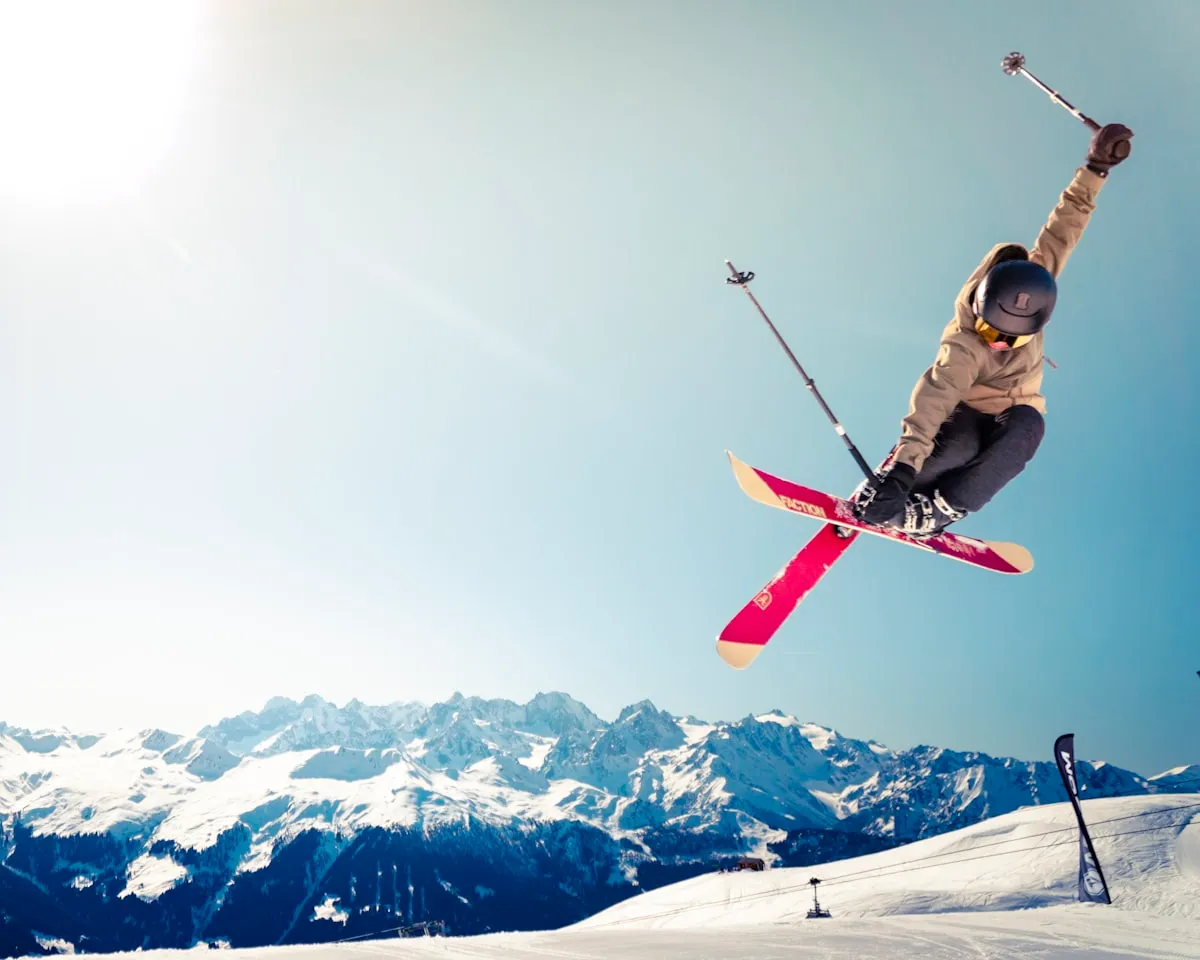
Gatineau Park transforms into a Nordic skiing paradise each winter, offering over 200 kilometres of groomed trails through pristine Canadian wilderness just minutes from downtown Ottawa. This vast network accommodates everyone from first-time skiers to competitive athletes.
Trail Network and Conditions
The National Capital Commission maintains extensive trail systems across Gatineau Park, with daily grooming ensuring optimal conditions. Trails range from gentle beginner routes through meadows to challenging terrain with significant elevation changes.
Popular trail networks include Camp Fortune area trails, Pink Lake circuit, and the challenging Luskville Falls route. Trail difficulty ratings follow international standards: green for beginners, blue for intermediate, and black for advanced skiers.
The NCC provides real-time trail condition reports through their website and dedicated mobile app. Daily updates detail grooming status, snow depth, and any closures. Most trails receive grooming 2-3 times weekly, with high-traffic routes maintained more frequently.
Access and Trail Passes
Winter trail passes are required for cross-country skiing in Gatineau Park from mid-December through March. Daily passes cost $15, while seasonal passes offer better value for frequent visitors at $90. Children under 18 ski free with a registered adult pass holder.
Multiple parking areas provide trail access across the park. Popular starting points include P7 (Camp Fortune), P12 (Mackenzie King Estate), and P17 (Old Chelsea sector). Parking fills quickly on weekends, particularly after fresh snowfall. Arrive before 9 AM or after 1 PM to secure spots during peak periods.
Equipment rentals are available at several locations in Chelsea and Wakefield, with full packages (skis, boots, poles) starting around $35 daily. Many rental shops offer lessons for beginners, making it easy to try this quintessentially Canadian winter sport.
Trail Recommendations by Skill Level
Beginners should start with Trail 1 from P12, a gentle 5-kilometre loop through forest and fields with minimal elevation change. The trail’s width and regular grooming provide forgiving conditions for learning basic techniques.
Intermediate skiers enjoy the Pink Lake circuit (Trail 50), combining beautiful scenery with moderate challenges. This 8-kilometre route circles the stunning turquoise lake with rolling terrain that builds endurance without overwhelming less experienced skiers.
Advanced skiers seeking serious workouts tackle Trail 5 or the Luskville Falls approach. These routes feature sustained climbs, technical descents, and stunning viewpoints rewarding the effort. The Luskville route gains over 200 metres elevation while traversing some of the park’s most dramatic terrain.
Downhill Skiing and Snowboarding at Camp Fortune
Camp Fortune serves as Ottawa’s closest alpine ski resort, delivering quality downhill skiing just 15 minutes from Parliament Hill. This Gatineau Park facility offers 27 trails across varied terrain, making it an accessible option for families and serious skiers alike.
Mountain Statistics and Terrain
The resort features a 183-meter vertical drop across 27 trails distributed as 20% beginner, 40% intermediate, and 40% advanced terrain. Five lifts, including a high-speed quad chairlift, provide efficient uphill transport with minimal wait times even during busy periods.
Terrain parks cater to freestyle skiers and snowboarders with progressive features from beginner boxes and rails to advanced jump lines. The park crew maintains features throughout the season, adapting layouts based on snow conditions and user feedback.
Night skiing operates several evenings weekly, with 14 illuminated trails creating a unique après-work skiing opportunity. The floodlit slopes offer a completely different perspective on familiar runs, with fewer crowds and often superior snow quality from overnight grooming.
Season Passes and Tickets
The 2024-2025 season typically runs from December through late March or early April depending on snowfall and temperatures. Camp Fortune employs extensive snowmaking across 90% of trails, ensuring consistent conditions even during warmer periods.
Day lift tickets range from $65-85 for adults, with reduced rates for youth, seniors, and half-day options. Season passes provide excellent value for frequent visitors, starting around $600 for adults with unlimited skiing throughout winter.
Multi-visit flex passes offer middle-ground flexibility, providing 10 or 20 lift tickets usable any day without blackout dates. These passes allow sharing among family members, making them popular for groups with varying availability.
Lessons and Programs
Camp Fortune’s ski school employs certified instructors offering programs for all ages and abilities. Children’s programs combine instruction with fun activities, building skills while maintaining engagement throughout the day.
Adult group lessons run on weekends with private instruction available any day by reservation. Most beginners achieve basic competency within 3-4 lessons, progressing from bunny hill practice to comfortable green circle trail skiing.
Racing programs develop competitive skills for young athletes, with gates set on designated trails and coaching focusing on technique refinement. The club model creates community among participants while providing structured progression through increasingly challenging courses.
Snow Tubing and Sledding Hills
Ottawa offers numerous snow tubing and sledding options ranging from commercial operations with groomed lanes to neighbourhood hills providing free family fun. These accessible winter activities require minimal equipment while delivering maximum thrills.
Commercial Snow Tubing Facilities
Mont Cascades, located 20 minutes from downtown Ottawa, operates one of the region’s premier snow tubing parks. Multiple lanes accommodate simultaneous riders, with a conveyor lift returning tubers to the top without exhausting climbs. Sessions run 2-3 hours with unlimited runs during your reserved time slot.
Camp Fortune offers snow tubing as an alternative to skiing, with dedicated tubing lanes separate from ski slopes. The facility provides all equipment, and the high-speed quad lift accesses tubing runs, eliminating the walk back up. Evening tubing under lights creates a special atmosphere for family outings or group events.
Both facilities require advance reservations, particularly for weekend sessions. Prices range from $25-40 per person for 2-hour sessions. Many locations offer discounts for advance online booking versus walk-up purchases.
Best Free Sledding Hills
Ottawa maintains numerous neighbourhood sledding hills across the city, providing free winter fun without commercial fees. These community spaces see heavy use during weekends and school breaks, creating lively social atmospheres.
Carlington Hill ranks among Ottawa’s most popular sledding destinations, featuring steep slopes generating serious speed. The hill’s length and gradient appeal to older children and adults seeking thrills, while gentler sections accommodate younger sledders.
Mooney’s Bay offers excellent sledding combined with skating opportunities when the bay freezes. The park’s varied terrain includes runs for different skill levels, and the beach pavilion provides warming shelter during extended sessions.
Brewer Park in Old Ottawa South features accessible slopes close to downtown neighbourhoods. The park’s moderate hills suit younger children, and proximity to Bronson Avenue makes it convenient for quick after-school sessions.
Hampton Park serves Barrhaven residents with well-maintained slopes and good parking. This suburban park sees somewhat smaller crowds than central locations while offering comparable sledding quality.
Equipment needs remain minimal—any sled, toboggan, or crazy carpet works well. Some hills develop dangerous ice patches during warm-cold cycles, so inspect conditions before letting children attempt runs at full speed.
Ice Fishing on Rideau Lakes
Ice fishing transforms winter into an opportunity rather than an obstacle, with frozen Rideau Lakes providing excellent angling just an hour from Ottawa. This traditional winter pastime combines outdoor adventure with the genuine possibility of landing trophy fish.
Understanding Rideau Lakes Ice Fishing
The Rideau Lakes system includes Big Rideau Lake, Lower Rideau Lake, and numerous connected waterways offering diverse fishing opportunities. These lakes support healthy populations of walleye, northern pike, perch, bass, and crappie—all accessible through ice fishing techniques during winter months.
Ice fishing season typically runs from late December through early March, depending on ice formation and weather conditions. Safe ice requires minimum 4 inches for walking and 8-12 inches for snowmobile access. Always verify current ice conditions before venturing onto any frozen lake, as conditions vary across different areas of the same waterbody.
Local bait shops in Smiths Falls and Westport provide current ice condition reports, fishing hot spots, and equipment rentals. These businesses serve as community hubs where experienced anglers share information with newcomers, creating welcoming entry points for first-time ice fishers.
Equipment and Technique
Basic ice fishing requires surprisingly little gear. An auger drills holes through ice, tip-ups or jigging rods present bait to fish, and a bucket serves as portable seating while doubling as equipment transport. Many anglers graduate to portable ice shelters providing warmth during extended sessions in harsh conditions.
Successful ice fishing on Rideau Lakes focuses on structure and depth. Walleye typically hold in 15-25 feet of water near underwater points and weed bed edges. Pike patrol shallower water of 6-12 feet, ambushing prey near vegetation. Perch school over sandy flats in 10-20 feet, often in large concentrations providing fast action.
Live minnows remain the most reliable bait for all species, though artificial jigs tipped with minnow heads produce well for walleye. Pike respond aggressively to larger baits including whole smelt or herring. Perch readily take small jigs tipped with wax worms or tiny minnows.
Regulations and Licensing
Ontario fishing licenses are mandatory for ice fishing, available online through the Ontario Ministry of Natural Resources website or at local tackle shops. Licenses come in annual or 3-day options, with separate pricing for Ontario residents and out-of-province anglers.
Catch limits and size restrictions vary by species. Walleye limits typically allow 6 fish with slot size restrictions protecting prime breeding stock. Pike regulations permit 6 fish with one over 86 centimeters. Always consult current Ontario Fishing Regulations before keeping any catch, as rules change periodically.
Several ice fishing derbies occur throughout winter on Rideau Lakes, offering prizes for largest fish in various categories. These events create social opportunities while adding competitive excitement to the traditional pastime.
Snowshoeing Adventures
Snowshoeing provides the most accessible winter backcountry experience, requiring minimal skill while opening vast wilderness areas impossible to access through deep snow. The Ottawa-Gatineau region offers exceptional snowshoeing across varied terrain and difficulty levels.
Gatineau Park Snowshoe Trails
Gatineau Park maintains over 50 kilometres of dedicated snowshoe trails separate from cross-country ski routes. These designated paths wind through old-growth forests, alongside frozen lakes, and across open meadows showcasing the Canadian Shield landscape.
Trail difficulty ranges from gentle interpretive walks suitable for families to challenging backcountry routes requiring navigation skills and winter experience. The NCC marks all trails clearly with regular signage preventing disorientation even during snowfall.
Popular routes include the King Mountain Trail offering panoramic views from the summit, the Lusk Cave trail combining snowshoeing with winter cave exploration, and the various loops around Pink Lake showcasing stunning turquoise ice formations.
Winter trail passes required for cross-country skiing also cover snowshoeing in Gatineau Park. The same daily ($15) and seasonal ($90) pass structure applies, with free access for children under 18 accompanying pass-holding adults.
Ottawa Urban Snowshoe Trails
Mer Bleue Bog provides unique snowshoeing through a massive wetland ecosystem just 20 minutes from downtown Ottawa. The interpretive boardwalk remains accessible during winter, while snowshoe trails venture deeper into this nationally significant conservation area. The bog’s open terrain and clearly marked paths suit beginners perfectly.
Stony Swamp Conservation Area within Ottawa’s Greenbelt offers over 20 kilometres of trails through mixed forest and wetland habitat. Multiple trail options allow customizing distance and difficulty, while the protected area’s abundant wildlife creates excellent nature observation opportunities.
NCC Greenbelt trails scattered throughout Ottawa provide numerous snowshoeing options close to residential neighbourhoods. These multi-use paths welcome snowshoers while also accommodating cross-country skiers and winter hikers on wider sections.
Snowshoe Equipment and Tips
Modern snowshoes bear little resemblance to traditional wooden designs, with lightweight aluminum frames and synthetic decking providing excellent flotation in powder snow. Bindings accommodate regular winter boots, eliminating specialized footwear needs.
Rental options abound in Ottawa and Gatineau, with outdoor shops offering daily rentals from $20-30 including poles. Many rental locations provide trail maps and condition updates helping newcomers select appropriate routes.
Dress in layers allowing temperature regulation during activity. Snowshoeing generates significant body heat despite cold ambient temperatures, and proper clothing prevents overheating followed by dangerous chilling during breaks. Carry extra layers, water, snacks, and basic emergency supplies on any backcountry excursion.
Trekking poles improve balance and reduce leg fatigue, particularly on hilly terrain. The poles provide stability when crossing streams or navigating icy sections while also engaging upper body muscles for more complete workouts.
Winter Camping Adventures
Winter camping takes outdoor adventure to another level, combining the beauty of snow-covered landscapes with the unique challenge of staying comfortable in sub-zero temperatures. The Ottawa region offers several excellent winter camping options for both beginners and experienced cold-weather campers.
Gatineau Park Winter Camping
La Pêche Lake Campground in Gatineau Park opens for winter camping beginning December 20, operating through March depending on conditions. This facility provides traditional tent camping with crucial heated shelters available for warming between outdoor activities.
The winter camping experience here combines backcountry immersion with reasonable safety margins. Heated pavilions prevent dangerous cold exposure during equipment failures or unexpected weather deterioration. The campground’s proximity to cross-country ski trails allows combining camping with extensive trail exploration.
Reservations fill quickly for winter camping at La Pêche Lake, particularly for weekend slots. Book as far in advance as possible through the NCC reservation system. Mid-week camping sees far fewer campers, offering quieter experiences with greater solitude.
Ontario Parks Winter Camping
Several Ontario provincial parks within reasonable driving distance offer winter camping, each with distinct character and amenities.
Algonquin Provincial Park’s Mew Lake Campground operates year-round with winter camping at drive-in sites. The facility provides heated comfort stations with showers, making it ideal for first-time winter campers uncertain about embracing full primitive conditions. Extensive ski and snowshoe trails radiate from the campground.
Frontenac Provincial Park offers backcountry winter camping requiring hiking or skiing to remote sites. This experience suits experienced campers comfortable with complete self-sufficiency in challenging conditions. The park’s rugged Canadian Shield terrain creates spectacular winter scenery.
Bon Echo Provincial Park and Killarney Provincial Park provide yurt camping as an intermediate option between tent camping and heated cabins. These insulated structures offer protection from wind and precipitation while maintaining the camping experience. Small wood stoves allow warming the space during evening hours.
Winter Camping Essentials
Successful winter camping requires specialized equipment beyond summer gear. A four-season tent withstands wind and heavy snow loads, while a sleeping bag rated to at least -20°C provides adequate warmth during cold nights. Insulated sleeping pads prevent heat loss into frozen ground—this often proves the difference between comfortable sleep and miserable shivering.
Cooking demands extra fuel in cold temperatures, with white gas stoves outperforming butane canisters in sub-zero conditions. Melting snow for water consumes significant fuel, so carry extra or camp near unfrozen water sources when possible.
Clothing layers manage temperature regulation during varied activity levels. Avoid cotton entirely, as wet cotton loses all insulating value while taking forever to dry. Modern synthetic or wool base layers, insulating mid-layers, and waterproof outer shells create effective systems maintaining comfort across activity ranges.
Ontario Parks reservations open 5 months in advance at ontarioparks.com. Popular winter camping dates book immediately, so set calendar reminders for reservation opening days.
Fat Biking Winter Trails
Fat biking has exploded in popularity over recent years, transforming winter from cycling’s off-season into year-round riding opportunities. These specialized bikes featuring 3.8-inch or wider tires float over snow, opening trail networks that would bog down standard mountain bikes.
Ottawa Area Fat Bike Destinations
Gatineau Park allows fat biking on select trails, with designated routes preventing conflicts between different user groups. Trail conditions vary significantly with weather, as fresh powder challenges even experienced riders while packed conditions rival summer riding quality.
Larose Forest, located 45 minutes east of Ottawa, has emerged as the region’s premier fat biking destination. This extensive trail network includes purpose-built fat bike trails groomed regularly throughout winter. The forest’s relatively flat terrain suits riders developing skills while still offering engaging routes for experts.
Carp Ridge Forest in Ottawa’s west end provides accessible fat biking close to the city. Trail conditions depend on volunteer grooming efforts, with the local cycling community maintaining routes when time and conditions permit.
South March Highlands in Kanata welcomes fat bikers on its extensive trail network during winter. These technical trails challenge riders with rocks, roots, and elevation changes visible even under snow cover.
Getting Started with Fat Biking
Fat bike rentals have increased dramatically across the Ottawa region as the sport gains popularity. Outdoor shops including Kunstadt Sports, Rideau Cycle, and Trail Head rent fat bikes by the day or weekend, with prices ranging from $50-75 daily.
Rental packages include the bike, but riders must provide their own helmet and appropriate winter clothing. Dress similarly to cross-country skiing—layers managing temperature regulation during varied exertion levels.
Tire pressure proves critical for fat bike performance in snow. Lower pressures (5-10 PSI) provide better flotation in powder but increase rolling resistance. Higher pressures (10-15 PSI) work better on packed trails. Most riders adjust pressure based on current conditions, carrying a portable pump for mid-ride modifications.
Trail Etiquette and Conditions
Fat biking shares many trails with other winter users, requiring consideration and courtesy. Yield to all other trail users, as bikes travel faster than skiers or snowshoers. Avoid riding on groomed cross-country ski tracks, as bike tires damage the classic ski lanes requiring expensive grooming to repair.
Check trail condition reports before heading out, as warm temperatures followed by freezing create dangerous ice layers. The Ottawa Mountain Bike Association provides condition updates for major trail systems, while the Trailforks app offers real-time user reports.
Fresh snowfall requires breaking trail, an exhausting process even on fat bikes. Conditions improve dramatically once a few riders have packed down new snow, so consider timing rides for a day or two after storms rather than rushing out immediately.
Indoor Alternatives: Museums and Cultural Attractions
Even winter enthusiasts appreciate occasional respite from harsh weather, and Ottawa’s world-class museums provide enriching alternatives when temperatures plunge or storms make outdoor activities impractical.
National Museums
Canadian Museum of History in Gatineau showcases Canada’s development from Indigenous peoples through European contact to modern nationhood. The Grand Hall features the world’s finest collection of Northwest Coast Indigenous art, including massive totem poles and traditional dwellings. Special exhibitions rotate throughout the year, often timed to coincide with Winterlude programming.
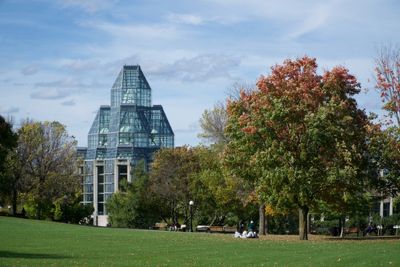
National Gallery of Canada houses extensive Canadian and international art collections in a stunning building overlooking the Ottawa River. The gallery’s Canadian collection includes major works by the Group of Seven, whose landscape paintings capture the very wilderness accessible through Ottawa’s winter trail systems. Indigenous art galleries present both traditional and contemporary works, providing crucial cultural context.
Canadian Museum of Nature appeals particularly to families, with interactive exhibits explaining natural history through engaging displays. The dinosaur gallery captivates children, while Arctic ecosystem exhibits connect to Ottawa’s winter experience. Special programs during school breaks provide hands-on learning opportunities.
Canada Science and Technology Museum recently reopened after extensive renovations, featuring interactive science exhibits, historic transportation displays, and engaging demonstrations. The museum’s hands-on approach works perfectly for children burning energy during indoor days.
Canadian War Museum presents comprehensive military history through artifacts, multimedia presentations, and thoughtful exhibitions examining war’s complexity. The architecture itself serves as a statement, with the building’s design incorporating symbolic elements reflecting on conflict and remembrance.
Additional Cultural Experiences
Canada Aviation and Space Museum displays Canada’s aviation heritage through extensive aircraft collections. The facility houses over 130 aircraft and artifacts, from First World War biplanes to modern jet fighters. Many exhibits allow close inspection impossible at active airfields.
Diefenbunker: Canada’s Cold War Museum offers unique tours through Canada’s massive underground bunker built during the Cold War. Located in Carp, 30 minutes from downtown, this four-story subterranean facility was designed to house Canadian government officials during nuclear war. The preserved 1960s equipment and furnishings create fascinating time capsule effects.
Bank of Canada Museum provides free admission while exploring money’s history, economics fundamentals, and the Bank of Canada’s role in national economic policy. Interactive exhibits make potentially dry material engaging for diverse audiences.
Practical Museum Visit Tips
Many Ottawa museums offer free admission on Thursday evenings, creating budget-friendly cultural experiences. Specific hours vary by institution, so verify current schedules before planning visits.
The Ottawa Museum Network Pass provides admission to multiple museums at reduced total cost compared to individual tickets. Passes work well for visitors planning several museum days during extended stays.
Public transit serves all major museums efficiently. The O-Train and bus system connect institutions across the city and Gatineau, eliminating parking hassles during winter when spaces fill quickly with festival visitors.
Combine museum visits with nearby dining in the ByWard Market or Gatineau’s downtown. Many restaurants offer pre-theatre menus with reduced prices for early diners, creating complete cultural days.
FAQ
Q: When is the best time to visit Ottawa for winter activities?
January through February offers the most reliable winter conditions for outdoor activities, with consistent cold temperatures ensuring good snow and ice quality. Winterlude Festival runs February 7-17, 2025, providing peak programming. March sees warming trends but still offers skiing, snowshoeing, and other winter sports with increasing daylight hours and often milder temperatures making outdoor activities more comfortable.
Q: Do I need a car to enjoy Ottawa winter activities?
Not necessarily. OC Transpo public transit serves major attractions including Gatineau Park trail access points, museums, and Winterlude festival venues. Many cross-country skiing and snowshoeing trails connect to bus routes. However, a car provides greater flexibility for accessing remote trail systems, skiing at Camp Fortune outside peak shuttle hours, or exploring Rideau Lakes ice fishing locations. Car sharing services and rentals offer middle-ground options for occasional vehicle access.
Q: What should I wear for outdoor winter activities in Ottawa?
Layer clothing to manage temperature regulation during varied activity levels. Start with moisture-wicking base layers avoiding cotton entirely. Add insulating mid-layers like fleece or down, topped with waterproof-breathable outer shells. Quality winter boots rated to -30°C or colder, warm mitts or gloves, and hats covering ears prevent cold exposure. For activities like skiing or snowshoeing, avoid overdressing as exertion generates significant body heat—you should feel slightly cool when beginning, warming up within 10 minutes of movement.
Q: Are winter activities in Ottawa suitable for children?
Absolutely. Many activities cater specifically to families with children. Winterlude programming includes dedicated children’s areas with appropriate sledding hills, gentler skating sections, and interactive exhibits. Gatineau Park offers beginner-friendly ski and snowshoe trails. Museums provide engaging hands-on exhibits appealing to young visitors. Most activity providers offer children’s equipment rentals and instruction programs. Start with shorter outings building tolerance for cold weather, gradually increasing duration as children develop comfort with winter conditions.
Q: How much should I budget for a winter weekend in Ottawa?
Budget varies significantly based on accommodation and activity choices. Mid-range hotel accommodations run $120-180 nightly during winter. Many major attractions including Winterlude Festival, Rideau Canal Skateway (when open), and sledding hills cost nothing. Cross-country skiing requires trail passes ($15 daily) plus equipment rentals if needed ($35). Downhill skiing at Camp Fortune costs $65-85 for lift tickets plus rentals. Museum admission ranges from free to $20 per person. Budget $300-500 per person for a weekend including accommodation, food, activities, and transportation—more if pursuing multiple paid activities or staying in premium hotels.
Final Thoughts
Ottawa’s winter activities for 2025 showcase why this city ranks among North America’s premier cold-weather destinations. From iconic attractions like the Rideau Canal Skateway and Winterlude Festival to wilderness adventures in Gatineau Park and cultural explorations in world-class museums, the National Capital Region offers winter experiences impossible to replicate elsewhere.
Climate change presents challenges to traditional winter activities, as evidenced by recent Rideau Canal Skateway closures. However, the region’s diverse offerings ensure memorable winter experiences regardless of specific weather conditions. Whether temperatures cooperate for optimal outdoor activities or force pivots to indoor alternatives, Ottawa delivers authentic Canadian winter experiences.
The 2025 winter season promises continued celebration of cold-weather culture through established favourites and innovative new programming. Plan your visit during Winterlude for maximum festival atmosphere, or explore quieter January and March periods for more solitary wilderness experiences. Either approach reveals why Ottawa residents embrace winter rather than merely enduring it—transforming the season from obstacle to opportunity.
Bundle up, embrace the cold, and discover why winter defines Ottawa’s character as much as any other season.
Source: National Capital Commission, Winterlude Festival, Ontario Parks, Camp Fortune, Canadian Museum of History, National Gallery of Canada